RESEARCH METHODOLOGY: Unpacking the Intersection of VMMC, Masculinity and Gender Roles in Chirumhanzu District, Zimbabwe: A Critical Analysis
- 1. Zimbabwe Open University, Zimbabwe
Abstract
Voluntary Medical Male Circumcision (VMMC) is a proven strategy for reducing HIV transmission among men (UNAIDS, 2020). This research investigates how traditional notions of masculinity and gender roles influence the acceptance and uptake of Voluntary Medical Male Circumcision (VMMC), a key strategy in HIV prevention. The study aims to understand the cultural and social factors that shape men’s health-seeking behaviors regarding VMMC. The study used descriptive correlational design. Sequential sampling sampling method was used to select 80 participants with an age range of 15-49 years. Guided by an intersectional perspective, data was collected through structured interviews that examined demographic details, perceptions of masculinity, how VMMC impacts gender relations, and the social influences that either promote or hinder its adoption. Data analysis using SPSS focused on exploring the correlations between masculinity norms and VMMC participation, as well as identifying social and cultural barriers or enablers. The results indicated that all participants were literate; however, misconceptions persisted, such as the belief that VMMC diminishes sexual feelings (40%) and prolongs sexual activity (15%). Some concerns raised included lack of demand creation, perceived insincerity among VMMC providers, unaddressed side effects, and issues with informed consent. Based on these findings, the study recommends incorporating discussions about masculinity and gender roles into VMMC programs. Engaging men, women, and community leaders in promoting positive masculinity can help challenge harmful norms, foster supportive environments, and increase VMMC uptake. It is also crucial to deliver culturally sensitive healthcare that addresses fears about pain, provides follow-up care, and maintains confidentiality. Integrating VMMC services with HIV testing and counseling could further improve access and awareness, with trained counselors playing a vital role.
Keywords
• Voluntary male medical circumcision
• Intersection
• Masculinity
• Gender roles
Citation
Runyanga T (2026) RESEARCH METHODOLOGY: Unpacking the Intersection of VMMC, Masculinity and Gender Roles in Chirumhanzu District, Zimbabwe: A Critical Analysis. Clin Res HIV/AIDS 10(1): 1057.
INTRODUCTION
Research methodology is derived from Greek word research “methodos” which means “the path towards knowledge,” and on the other, “reflections on the quest for knowledge gathering” [1]. Methodology refers to steps, procedures and strategies used for gathering and analysing data. Tuckmann et al. [2,3], extrapolated that methodology is a way in which information will be gathered in order to answer the research question(s) or analyse a research programme. The author further describes it as the plan and structure of the investigation used to obtain evidence to answer the research questions. In this study, research methods, quite simply means techniques or procedures used to collect and analyse data. The methods chosen for this study are inextricably linked to the research questions posed and to the sources of data collected. The choice of methods in this study will be influenced by ontological and epistemological assumptions and, of course, the questions the researcher will ask and the type of project undertaken.
However, in this study the researcher need to point out that method themselves should be seen in this study as free from ontological and epistemological assumptions. The term “epistemology” is derived from two Greek words; i.e. “episteme”, which means knowledge or truth; and “logia”, which means study of or theory on. Thus “epistemology” is the study of knowledge. It is a branch of philosophy that deals with questions on knowledge, including the nature theory and sources of knowledge, as well as approaches, methods and techniques by which knowledge is acquired. Epistemology asks questions such as “What is knowledge?” “Where does knowledge come from?” Epistemology has identified several sources of knowledge including the following, that is empirical knowledge; idealistic knowledge; revealed knowledge; rational knowledge; authoritative knowledge and intuitive knowledge. This chapter addresses the research philosophy, research design, population, and target population, sampling method, sample size and research instruments. Pretesting of research instruments, data collection procedure, data analysis and ethical considerations were also be highlighted.
RESEARCH PHILOSOPHY
According to Saunders, Lewis and Thornhill et al. [4], research philosophy refers to “the development of knowledge and the nature of that knowledge,” in the context of research. It encompasses the researcher’s epistemological, ontological and methodological assumptions that guide the research process. The study adopts an interprevist research philosophy, focusing on understanding the subjective experiences and meanings men in Chirumhanzu district attribute to VMMC, masculinity and gender roles. By examining the cultural, social and historical context, this approach enables a nuanced exploration of how these factors influences VMMC uptake, using mixed methods to gather rich, contextual data.
This chapter explores the considerations which informed the design of the empirical dimension of the research study. My analysis takes as a starting point an important notion from Hitchcock and Hughes [5], who suggest that ontological assumptions give rise to epistemological assumptions, these in turn, give rise to methodological considerations which will give rise to issues of instrumentation and data collection. The method(s) chosen for this study are inextricably linked to the research questions posed and to the sources of data collected (Figure 1).
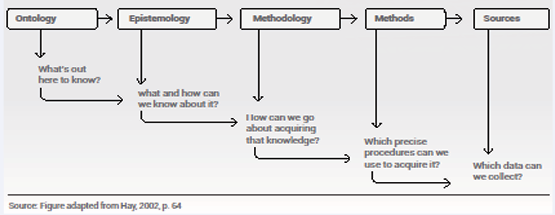
Figure 1: The Interrelationship between the Building Blocks of Research.
Source: Adapted from Hay,( 2002.p.64)
The figure does not show the impact and influence of questions one is asking, and type of project one is undertaking or the methods chosen. However, it is our ontological and epistemological positions that shape the very questions one may ask in the first place, how we pose them and how we set about answering them.
In this case, the research questions the researcher posed and the decision primarily to conduct interviews and sought access to interviewees led to:
• Interview technique (the principal research method);
• Interview transcription (the main data collection/ recording method); and
• Use of grounded theory (the main data analysis procedure). Therefore the research questions (RQs) will lead the researcher to the methods (M) and to ways of analyzing data (A) (RQ — >S —>M —>A). Prior to this, the research questions which will be asked will be guided by the researcher’s ontological and epistemological positions.
This perspective on research design view would move us beyond regarding research methods as simply a technical exercise. It recognizes that research is concerned with understanding the world and that this is informed by how we view our world, what we take understanding to be, and what we see as the purposes of understanding. The first part of this chapter will outline the ontological, epistemological and methodological premises of the study and examines their strengths and weaknesses. In so doing, it will recognize that the central themes of the study that is education, educational research, and decision making are inextricably intertwined. The chapter then moves, in its second half, to a discussion of the empirical aspect of the study including methods and procedures in the field.
People have long been concerned to come to grips with their environment and to understand the nature of the phenomena it presents to their senses. The means by which they set out to achieve these ends may be classified into three broad categories ie, experience, reasoning and research Mouly et al [6]. Far from being independent and mutually exclusive, these categories must be seen as complementary and overlapping features, most readily in evidence where solutions to complex modern problems are sought.
A second category by means of which people attempt to comprehend the world around them, namely, reasoning, which consists of three main dimensions, ie, deductive reasoning, inductive reasoning, and the combined inductive-deductive approach (ibid.).
Deductive reasoning is based on the syllogism which was Aristotle’s great contribution to formal logic. In its simplest form the syllogism consists of a major premise based on a priority or self-evident proposition, a minor premise providing a particular instance, and a conclusion.
Thus:
• All planets orbit the sun;
• The earth is a planet;
• Therefore, the earth orbits the sun.
The assumption underlying the syllogism is that through a sequence of formal steps of logic, from the general to the particular, a valid conclusion can be deduced from a valid premise.
Research Approach
Research approach is the overall strategy and methodology used to conduct a research study. It outlines the procedures, methods and techniques used to collect and analyze data and answer research questions [1]. There are three types of research approaches that can be used, ie qualitative, quantitative and mixed methods. Therefore, for the success of this research project, mixed method research approach was used.
Mixed-Methods Research Approach: A mixed methods-approach was applied on this study by combining quantitative surveys to gather data on prevalence, demographics and attitudes with qualitative in depth interviews and focus group discussions to explore experiences, perceptions and cultural influences. The quantitative component could provide statistical trends and patterns while the qualitative component could offer nuanced insights into masculinity and gender role constructions. By integrating both components, the study can provide a comprehensive understanding of complex relationships between VMMC, masculinity and gender roles, offering contextualized findings and generalizable data to inform policy and practice.
Areas of the study
The study on VMMC, masculinity and gender roles could explore various areas, including sociological perspectives on social norms and power dynamics, psychological perspectives on self-esteem and mental health, anthropological perspectives on cultural contexts, public health perspectives on HIV prevention and gender studies on traditional masculinity, and gender roles. Specific research questions can investigate how VMMC influences men’s perceptions of masculinity, social and cultural factors influences uptake, impact on gender roles and relationships, health benefits and risks and designing VMMC programs to promote healthy masculinity and gender equality.
Research design
Research design is a descriptive study that identifies variables and describes the relationship among variables [3]. Kunn et al [1], defines a research design as a systematic step used to accomplish the purpose of the study. Research design is the plan and structure of investigation conceived so as to obtain answers to research questions. The research design minimizes the risk of collecting haphazard data and makes sure that data collected meets the objectives of the research. Research design is concerned with overall plan for your research. In this study a descriptive correlational design will be used. According to Tuckmann et al. [2], the purpose of a descriptive correlational design is to examine the relationship between variables that exist in a situation that is under investigation. The design was quantitative and qualitative in nature. Kunn et al. [1], describe descriptive research as one that describes relationships among variables rather than inferring the cause and effect relationships. The main variables under study were, ‘masculinity and gender roles, cultural context and power dynamics and HIV prevention and health seeking behaviours.”
Population and sample
Population: Population refers to all individual or units, objects or events that will be considered in a research project Beck, et al [7]. Wright et al. [8], describes a population as an entire group of people or objects that is of interest to the researcher or meets the criteria that the researcher is interested in studying. In this study, all men aged 15-49 years, who were uncircumcised, sexually active and willing for the procedure was the study population living in Chirumhanzu district.
Target Population: Target population refers to all members or objects to which the researcher wants to generalize study findings Beck, et al [7]. The target population can also be defined as the entire group of individuals or objects to which researchers are interested in generalizing the conclusions, and has varying characteristics. It is also called the “theoretical population” (http:/explorable.com/research-population). In this study the target population was 80 men aged (15-49) years who were uncircumcised, sexually active and considering the procedure.
Sampling method: Sampling involves the selection of participants from study population [1]. Sampling also involves selecting a group of people, event or behaviour or other elements with which to conduct a study [7]. A sampling plan describes the strategies that will be used to obtain a sample for a study [1]. Sampling is a process of selecting from a population [9]. In any research study a sampling plan is developed to increase representativeness, decrease systematic bias and sampling error. It involves identifying the population, the method of obtaining the sample for the study, the inclusion and exclusion criteria and the location for doing the study. According to Shukla et al. [10], sampling involves selecting a respectively small number of elements (characteristics) from a larger defined group of elements and expecting that the information gathered from the small group of elements will provide accurate, judgment about the larger groups. There are two types of sampling methods which are probability and non-probability. Probability techniques are random, stratified, cluster, and systematic. Non probability techniques are convenience, judgmental and quota sampling. Non-probability sampling relies on the judgment of the researcher and is only representative as far as the researcher skill permits [11]. In non-probability sampling each member does not have known none zero chance of being included [12].
In this study, probability sequential sampling method was used. Sequential sampling involves selecting participants or cases for one phase of study (qualitative or quantitative) and then selecting additional participants or cases for the next phase. It is used in explanatory research where the researcher is interested in setting an inexpensive approximation of truth. This approach combines the strengths of both methodologies, providing depth and breadth while enhancing validity through triangulation. Hence in this study (80) males who were sexually active, uncircumcised and considering the procedure aged 15-49 years and living in Chirumhanzu district were selected as they come to attend VMMC services.
Sample size: A sample is a subset of a population or a part of a whole Wright [8]. The sample size is the number of subjects required in a sample. The larger the sample the more representative of the population it is likely to be and the smaller the sampling error [1]. The sample size in this study of VMMC, masculinity and gender roles, sample size was determined by factors such as desired precision, confidence level, population variability and effect size for the quantitative component, while the qualitative component focussed on achieving thematic saturation, considering research question complexity, study design and data richness. The quantitative sample size aimed to statistically significant relationships between masculinity norms and VMMC uptake, while the qualitative sample size sought to capture nuanced and in depth understandings of men’s experiences and perceptions.
Therefore, in a mixed study on VMMC, masculinity and gender roles, the quantitative component (n=60) would use surveys to measure attitudes and statistical analysis to examine relationships. In this case, Pearson Correlation Analysis was used. The analysis sought to explore the correlation between VMMC uptake and traditional masculinity scores. Pearson correlation would measure the strength and direction of the linear relationship between two continuous variables, such as VMMC uptake and attitudes towards masculinity. The correlation coefficient (r) would indicate strength (strong, moderate, weak) and direction (positive or negative) of the relationship, helping researchers understand how these variables relate to each other. Hence, in this study six (6) focus group discussions were conducted with eight (8) participants using a semi structured guide, lasting for 30 minutes in a comfortable private setting for two (2) days on weekdays in the late afternoon at Mvuma district hospital. The study used a mixed method approach, with face to face interviews and focus group discussions conducted by the researcher. The qualitative component involved in depth interviews and FDGs with twenty (20) participants, exploring their experiences and attitudes towards VMMC, while the quantitative component used standardized questionnaire to collect numerical data from sixty (60) participants. Interviews were conducted in English and Shona.
Research Instruments
Research instruments are data gathering tools which were used by the researcher to collect data [2]. Developing research instruments in any research enables the researcher to establish the known from the unknown, hence creating the path towards knowledge. The researcher of this study used structured interview schedule questionnaire with open and closed questions to collect data.
Interviews: The use of the interview in research marks a move away from seeing human participants as simply manipulable and data as somehow external to individuals, and towards regarding knowledge as generated between humans, often through conversations [13]. Kvale remarks (p. 14) that being an ‘inter-view’, an interchange of views occurs through this means between two or more people on a topic of mutual interest. Kvale also emphasizes the centrality of human interaction in knowledge production and the social situatedness of research data. According to Thakur, (2023) an interview is a two way face to face communication between the interviewer and the interviewee to obtain information. Kumar, (2021) argues that interviewing is one of the commonly used methods of data collection in any person-to-person interaction and it can be flexible.
The use of the interviews in this study: Having initially considered investigating participants’ attitudes by means of a questionnaire, the researcher was aware of the limitations of interviews in exploring the contextualized perspectives of individuals and of participants within groups. In this light, interviews soon became an attractive option for the researcher because of the potential for investigating personal contexts. An interview can, in many ways, be regarded as a social encounter. As a result, some argue that there is less reliability when compared with a self-administered questionnaire [2], because participants are less likely to be completely honest in a face-to-face encounter, whereas, an anonymous questionnaire might yield more candid information. Hence, in this study six (6) focus group discussions were conducted with eight (8) participants using a semi-structured guide, lasting for 30 minutes in a comfortable private setting for two (2) days on weekdays in the late afternoon at Mvuma district hospital. The study used a mixed method approach, with face to face interviews and focus group discussions conducted by the researcher. The qualitative component involved in depth interviews and FDGs with twenty (20) participants, exploring their experiences and attitudes towards VMMC, while the quantitative component used standardized questionnaire to collect numerical data from sixty (60) participants. Interviews were conducted in English and Shona.
Questionnaire: According to De Vos et al [14], a questionnaire is “a set of questions on a form which is completed by the participant in respect of a research question(s). Baxter et al. [15], noted that questionnaires are the ideas of formulating precise written questions for those whose opinions or experiences one is interested in. Moorheard (2020) defined a questionnaire as a collection of written questions about the participants’ attitudes, opinions, perceptions and or demographic characteristics. Greener (2021) postulates that a questionnaire must contain a list of questions directed to certain or targeted audience but must not be too personal. Best and Kahn (2020), added that “a questionnaire is a data gathering instrument through which respondents answer questions or respond to statements in writing”. However in this research questionnaires were used together with interview. The questions will be structured, designed in the manner that the respondents would easily understand. Most of the questionnaires were delivered by the researcher to the participants by hand a few were sent via email to cater for those who would not be readily available to collect the questionnaires. A questionnaire is a widely used and a useful instrument in social research for collecting survey information providing structured, often numerical data. In this study 80 questionnaires were used to collect data.
Being able to be administered without the presence of the researcher, the researcher found them very useful in certain critical areas. In using questionnaires as instruments of data collection in this study, the researcher was fully aware of the ethical issues involved (Grix, 2020) such as:
• intrusion into the life of the respondent, in terms of time taken to complete the instrument, the level of threat or sensitivity of the questions, or the possible invasion of privacy;
• Willing involvement, in that I made sure that participants were not forced into completing a questionnaire. They could be strongly encouraged, but decisions such as whether to become involved and when to withdraw from the research were entirely theirs. As such, involvement of participants in the research was a function of:
• their informed consent;
• their right to withdraw at any stage or not to complete particular items in the questionnaire with which they were uncomfortable;
• the potential of the research to improve their situation (the issue of beneficence).This is very important, relevant and pertinent in this study; assurance that the reporting of the research would not harm them (the issue of non-maleficence). This is very important in this study because of its sensitive nature and is underwritten by guarantees of confidentiality. Generally, questionnaires can be administered in several ways, including; self administration, post, face-to-face, telephone, or internet.
In this study, the questionnaire was in four (4) sections addressing the following:
(i) Demographic information regarding VMMC, Masculinity and gender roles,
(ii) The influence of traditional notions of masculinity on men’s perceptions and uptake of VMMC in different cultural and socio-economic contexts,
(iii) The impact of VMMC on gender dynamics and relationships, and
(iv) The cultural and social factors that facilitate or hinder adoption of VMMC with a focus on masculinity and gender roles.
(i) Demographic information regarding VMMC, masculinity and gender roles
The demographic characteristics of the study participants were crucial in understanding the context of VMMC adoption. The majority of participants were men aged 18-45, with varying levels of education and occupation. Most participants reside in rural or peri urban areas, where traditional notions of masculinity and gender roles may be more prevalent. Understanding these demographic characteristics could help researchers tailor interventions to specific age groups, occupations, and geographic locations.
(ii) The influence of traditional notions of masculinity on men’s perceptions and uptake of VMMC in different cultural and socio-economic contexts
Traditional notions of masculinity play a significant role in shaping men’s perceptions and uptake of VMMC. In many communities, masculinity is associated with strength, courage, and resilience. VMMC may be seen as a way to enhance masculinity, but it may also be perceived as a threat to traditional masculine norms. Researchers should explore how these complex relationships influence men’s decisions to undergo VMMC and develop interventions that address these concerns.
(iii) The impact of VMMC on gender dynamics and relationships
VMMC could have a significant impact on gender dynamics and relationships. By reducing the risk of HIV transmission, VMMC can promote healthier relationships and reduce the burden of caregiving on women. However, VMMC may also reinforce traditional gender role expectations, particularly if men perceive themselves as protectors of their families. Researchers should investigate how VMMC influences power dynamics, communication, and decision-making within relationships.
(iv) The cultural and social factors that facilitate or hinder adoption of VMMC with a focus on masculinity and gender roles
Cultural and social factors play a crucial role in facilitating or hindering the adoption of VMMC. Community norms, social networks, and peer influence could all impact men’s decisions to undergo VMMC. Researchers should explore how cultural values, social support, and community mobilization could be leveraged to promote VMMC adoption. By understanding these factors, interventions could be tailored to address specific cultural and social barriers.
Desmond Tutu’s Truth and Reconciliation Commission: Desmond Tutu’s quotes offer valuable insights into his perspectives on humanity, community, and hope. Here are some key themes and explanations:
Community and interconnectedness
Tutu’s quote “My humanity is bound up in yours, for we can only be human together” emphasized the importance of community and interconnectedness. He highlights that our individual humanity is linked to the humanity of others, and that we can only truly thrive when we recognize and respect the dignity and worth of everyone.
Hope and resilience
Tutu’s quote “Hope is being able to see that there is light despite all the darkness” offers a powerful perspective on hope. He suggests that hope is not about ignoring the challenges and difficulties we face, but rather about being able to see possibilities and opportunities for growth and transformation, even in the midst of adversity.
Implications
Tutu’s quotes have implications for various aspects of life, including:
• Community building: Recognizing our interconnectedness can foster a sense of community and promote social cohesion.
• Social justice: Tutu’s emphasis on the dignity and worth of every individual can inform efforts to promote social justice and human rights.
• Personal resilience: Tutu’s perspective on hope can inspire individuals to cultivate resilience and perseverance in the face of challenges.
Therefore, by using Desmond Tutu’s quotes could enhance a study on Voluntary Medical Male Circumcision (VMMC) by emphasizing community, compassion, and social justice. For instance, his quote “My humanity is bound up in yours, for we could only be human together” highlights the importance of community engagement in promoting VMMC uptake. Another quote, “Hope is being able to see that there is light despite all the darkness,” can inspire hope and resilience in individuals undergoing VMMC. By applying Tutu’s quotes, researchers and practitioners could develop more nuanced approaches to VMMC promotion, prioritizing community support, empathy, and equitable access to healthcare services. Overall, Desmond Tutu’s quotes offer valuable insights into the importance of community, hope, and compassion, and could inspire individuals to work towards creating a more just and equitable world.
Data collection procedures
The aim of data collection is to get accurate, reliable data which is meaningful and which will answer the study research questions [1]. In this study, data was collected in VMMC Clinic over a period of 10 working days from 0730 hours to 1600 hours using KoboCollect tool KoboCollect is a mobile data collection tool for creating, managing, and analyzing forms and surveys. It’s ideal for field data collection, surveys, research, monitoring, and evaluation. Key features include offline capabilities, customizable forms, and data management. As part of the Kobo Toolbox suite, Kobo Collect is popular among organizations and researchers for its flexibility and effectiveness in collecting and analyzing data. The purpose and benefits of the study was explained to participants who then gave their informed consent. Those who were below 18 years of age, permission was sought from their guardians and parents. Interviews were done in privacy. Participants were interviewed for 20-25 minutes. Collected data was kept in double locked cupboard.
Pre-testing of research instruments: Pre-testing of the research instruments was done at the Muvonde Mission hospital in order to cut transport costs and save time since the researcher is fully employed. In addition to that, Muvonde Mission Hospital is also in Chirumhanzu district and offers VMMC services. Pre-testing of research instrument was done on 20 participants, aged 15-49 years, uncircumcised, sexually active and willing for the service. The instrument was assessed for validity and reliability and all ambiguous statements were corrected and rephrased.
Validity: In this study, experts in the area of study, that is, the supervisor of this research project and the members from the Medical Research Council of Zimbabwe were allowed to critically examine the content(s) of the questions and make necessary adjustments. Any ambiguous statement was corrected and rephrased to ensure validity. According to Anatasi & Urbina (2021) content validity is a non-statistical type of validity that involves the systematic examination of the test content to determine whether it covers representative sample of the behaviour dormain to be measured. It involves the degree to which the dormain associated with the construct. Foxcroft, Paterso, Le Roux & Herbst (2020) note that by using a panel of experts to review the tests specifications and the selection of items the content validity can be improved.
Reliability: According to Kunn [1], reliability is a measure that gives the same results every time it is used. It also refers to the degree of consistency with which an instrument measures the attributes it is designed to measure. According to Kerlinger (2020), reliability of an instrument is the degree of dependability and consistence with which measures the attributes it is designed to measure. If the findings from the research are replicated consistently they are reliable. A correlation coefficient can be used to assess the degree of reliability. If a test is reliable it shall show a high positive correlation. Of course, it is unlikely the same exact results would be obtained each time as participants and situations vary, but a strong positive correlation between the results of the same test indicate reliability. In this study, the instrument was used for the first time therefore it was pre-tested before use. A pilot study was done on twenty (20) men aged 15-49 years, uncircumcised, sexually active and willing for the service to assess for reliability and relevant adjustments were made accordingly. For those below the age of eighteen (18), permission was sought from their parents or legal guardians.
Ethical principles
In research when human beings are used as subjects for study, great care must be exercised in ensuring that the rights of the subjects are protected [1]. Every prospective subject should have the opportunity to choose whether or not to participate in the research study Tuckmann, et al [2]. Hence, in this study the ethical principles such as informed consent, privacy, and confidentiality were maintained.
Informed consent: Much social research necessitates obtaining the consent and co-operation of participants who are to assist in investigations and of significant others in the institutions providing the research facilities. In this study, informed consent is very crucial due to the sensitive nature of the problem under investigation. In the study, participants will be exposed to substantial risks, so it is absolutely essential to have their consent. Frankfort Nachmias and Nachmias say: “When research participants are exposed to pain, physical or emotional injury, invasions of privacy, or physical or psychological stress, or when they are asked to surrender their autonomy temporarily (as, for example, in drug research), informed consent must be fully guaranteed. Participants should know that their involvement is voluntary at all times, and they should receive a thorough explanation beforehand of the benefits, rights, risks and dangers involved as a consequence of their participation in the research project” (Frankfort-Nachmias and Nachmias, 2020). The salience of informed consent arises in my study from my subject’s right to freedom and self-determination. In this case the researcher will ensure that in all cases informed consent will be fully guaranteed. Informed consent protects and respects the right to self determination and places some of the responsibility on the participants should anything go wrong in the research. Another aspect of the right to self-determination is that the participants have the right to refuse to take part, or to withdraw once the research has begun (Frankfort Nachmias and Nachmias, 2020). Thus informed consent leaves open the possibility of informed refusal (Figure 2).
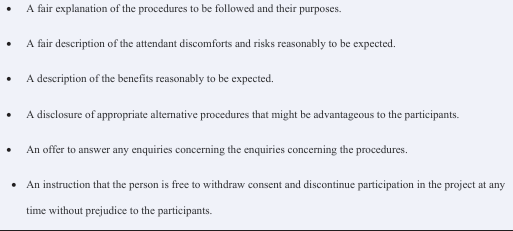
Figure 2: Guidelines for reasonably informed consent.
Informed consent has been defined by Diener and Crandall as “the procedures in which individuals choose whether to participate in an investigation after being informed of facts that would be likely to influence their decisions’ (Diener and Crandall, 2022). This definition involves four elements:
(i) Competence,
(ii) Voluntarism,
(iii) Full information and
(iv) Comprehension.
‘Competence’ implies that responsible, mature individuals will make correct decisions if they are given relevant, accurate and appropriate information. In the present research it is incumbent on the researcher’s part to ensure that he would not engage individuals incapable of making such decisions either because of immaturity or some form of psychological impairment.
‘Voluntarism’ entails applying the principle of informed consent and thus ensuring that all participants will freely chose to take part (or not) in the research and ensuring that exposure to risks will be undertaken knowingly and voluntarily. At no point in this research the researcher did not use the participants as guinea-pigs.
‘Full information’ implies that consent will be fully informed, although, the researcher will not hasten to add that, in practice it is often impossible to inform the participants of everything. For example, there may be occasions when the researcher would not anticipate everything about the situation that would be encountered on the ground and its implications for the security of specific participants. In such circumstances, the strategy of reasonably informed consent will be applied and, in this, the researcher would be guided in most cases by guidelines from the United States Department of Health, Education, and Welfare:
(Source: United States Department of Health, Education and Welfare Institutional Guide to DHEW Policy, 197. 128)
‘Comprehension’ refers in this study to the fact that participants fully understand the nature of the research project, even when procedures was complicated and entails risks. Guidance will be provided to ensure that, so far as the researcher can be sure, participants fully comprehend the situation they would put themselves into (such as discussing human rights issues). With these elements fully explained to the participants, the researcher was reasonably satisfied that participants’ rights will be given full and appropriate consideration.
As Frankfort-Nachmias and Nachmias note, however:
The principle of informed consent would not be made an absolute requirement of all social science research. Although usually desirable, it is not absolutely necessary to studies where no danger or risk is involved. The more serious the risk to research participants, the greater becomes the obligation to obtain informed consent. In this study the principle of informed consent would be an absolute necessity because the nature of many of the problems to be investigated (human rights issues), which explains its full and mandatory enforcement. The researcher must, however, point out that there are some research methods even in this very sensitive study where it is impossible to seek informed consent. As a general rule, however, informed consent is an important principle to abide by and the fact that moral philosophers have joined in the debate engendered by the concept is testimony to the seriousness with which the principle is viewed. Hence in this study, the purpose and benefits of the study was explained to participants who then gave an informed consent.
Permission to conduct the study: In this study, approval to conduct the study was obtained from the Medical Research Council of Zimbabwe, a board that provides independent ethical oversight on medical research conducted by researchers and institutions in Zimbabwe; Department of Nursing Sciences- Zimbabwe Open University, District Medical Officer-Chirumhanzu District Hospital and the Matron-Chirumhanzu District Hospital and the Sister in Charge- VMMC clinic. Permission for pre-testing of research instrument was obtained from the Medical Superintendent-Muvonde Mission hospital. A pilot study was done on twenty (20) participants who meets the inclusion criteria to test the instruments for validity and reliability. Simple random sampling method will be used to select the eighty (80) participants. The purpose and benefits of the study was explained to participants who then gave an informed consent. For those who are below the age of (18) permission to interview them was sought from their guardians and parents. Interviews were held using a structured face to face interview schedule questionnaire. Participants were interviewed for 20- 25 minutes. Collected data was presented in form of tables, pie-charts and bar-charts then followed by comments.
The right to privacy: In this study, privacy is generally the foremost concern. In a country where privacy is not respected the researcher show difference to participants. Participants have a right to expect that when they give the researcher permission to observe and interview them, the researcher will, in turn, protect their confidences and preserve their anonymity.
Critics (Johnson 2020) point out that West, for example, focused on the negative, that he looked dismissively on a rural community from an urban perspective, using offensive and judgmental words such as ‘hillbilly’ or ‘people who lived like animals.’ Plummer states that although ‘confidentiality may appear to be a prerequisite of life history research, it frequently becomes an impossibility’. He cites several examples: fifty years after the original study, Shaw’s (2020) ‘Jack-Roller’ was located for re interview, and after a month of detective work, a reporter tracked down Oscar Lewis’ (1979) ‘Children of Sanchez’. To ensure confidentiality, Plummer (2020) observes, ‘Sometimes the researcher must partially deceive his readership’). Hence, the interviews were conducted in a private room and collected data was kept in a double locked cupboard to maintain privacy and confidentiality.
Data management
The management of data to be produced is a highly important consideration in this study. Quantitative data analysis involves organizing, accounting for, and explaining the data; in short, making sense of data in terms of the participants’ definitions of the situation, noting patterns, themes, categories and regularities. Mindful of Winters’ (2020) comment that the action research tradition has a ‘methodology for the creation of data, but not (as yet) for the interpretation of data.’ The researcher ensured that this interpretative research project was sufficiently robust and rigorous in design.
This enabled the researcher to answer the research questions, whilst at the same time ensuring that the data collected is focused and pertinent. In this way, the researcher is hoping to avoid the potential pitfall that Winter (2020) warns of: ‘the collection of an amorphous, unfocussed mass of data’. It is therefore, important to devise various means of data collection which, whilst being discrete units, would retain ‘fidelity to the integrity of the whole’ [1].
In this study descriptive statistics were used to describe variables. The raw data was categorised according to the research question. The collected data was kept in a double locked cup-board to maintain confidentiality.
Data Analysis
Once the data has been collected, it has to be analyzed. It should be noted here that there is no one single or correct way to analyze and present quantitative data; how one does it should abide by the criterion of fitness for purpose. Furthermore, quantitative data analysis is heavy on interpretation, and one has also to note that there are frequently multiple interpretations to be made of quantitative data, ‘that is their glory and their weakness’ [3]. In abiding by the principle of fitness for purpose, the researcher was clear about what data analysis would achieve and this would help to determine the kind of analysis that was undertaken. To this end the analysis undertaken as a whole to describe, explore, test, interpret, discover patterns, generate themes, understand groups, raise issues, prove or demonstrate, explain and seek causality, discover commonalities, difference and similarities and to summarize.
Qualitative data analysis involves systematically examining non numerical data, such as text or observations to identify patterns, themes and meanings. This process included data preparation, familiarization, coding, theme development, pattern identification and interpretation. Researchers may use thematic analysis, content analysis or narrative analysis and tools like NVivo or Atlas. ti to facilitate analysis. To ensure rigor, techniques such as triangulation, member checking and maintaining an audit trail was employed. By following these steps, researchers can conduct a thorough and rigorous qualitative data analysis. A further significance of adopting a fitness for purpose perspective is that it helps to determine the kind of analysis to be performed on the data. This, in turn influenced the way in which the analysis was going to be presented. Data analysis is also influenced by the kind of qualitative orientation the researcher might adopt at different points. In this study, data was be processed manually and using SPSS and grounded theory was used.The researcher presented data using bar charts, pie charts and frequency tables in this research. According to Common Wealth of Australia Style Manual (2020) “tables can be a boon for readers” that is they act as a quick point of reference. Bar charts and tables allow easier and logical interpretation of data presentation. Descriptive statistics were used to describe variables. The raw data was categorised according to the research question(s) and analyzed using descriptive statistics. The collected data was expressed in form of frequency tables, pie charts and bar graphs followed by comments.
The use of Grounded theory in data Analysis: Theory generation in qualitative data can be emergent, and grounded theory is an important method of theory generation. Comparative analysis is a principal method in the generation of grounded theory (Glaser and Strauss 1968). It is more inductive than content analysis, as the theories emerge from, rather than exist before the data. Strauss and Corbin (1994, p. 273) remark: ‘grounded theory is a general methodology for developing theory that is grounded in data systematically gathered and analyzed’. In viewing theory-making as essentially a creative process Glaser and Strauss (1968) advocate minimising differences at the earliest stages of research as this highlights similarities within the data and helps to verify the existence of categories. They argue that there is neither one type of data nor one technique of data collection that is appropriate. Furthermore, they suggest, that both qualitative and quantitative data can be used in verification and generation of categories and hypotheses. There are several features which attracted the researcher to use grounded theory in data analysis. Some of the salient ones are:
• Theory is emergent rather than predefined and tested. In other words, once in the field a lot of theories emerge.
• Theory emerges from the data rather than vice versa. As more and more data is accumulated, more theories emerge.
• Theory generation is a consequence of, and partner to, systematic data collection and analysis.
• . Patterns and theories are implicit in data, waiting to be discovered (Glaser and Strauss, 1968). The researcher emphasized earlier that the research questions would be a means of investigating multiple perspectives by various processes of comparison, contrast and counterpoint. Central to these processes is an appreciation of the ways in which codes emerge from the data.
Glaser (1996) suggests that grounded theory is the systematic generation of a theory from data, it is an inductive process in which everything is integrated and in which data pattern themselves rather than having the researcher pattern them, as actions are integrated and interrelated with other actions. Glaser and Strauss’s seminal work of 1968 rejects simple linear causality and the de-contextualization of data, and argues that the world which participants inhabit is multivalent, multivariate and connected. As Glaser (1996, p. 47) says, ‘the world doesn’t occur in a vacuum’ and the researcher has to take account of the interconnectedness of action.
In everyday life, actions are interconnected and people make connections naturally; it is part of everyday living, and hence grounded theory catches the naturalistic element of research and formulates it into a systematic methodology. Hence by using the Grounded theory in this study could provide valuable insights into how these factors influence each other as this would help in new theory development.
SUMMARY
‘‘Knowledge is a sacred cow, and my problem would be how we can milk her while keeping clear of her horns’’ (Albert Szent-Gyorgyi, 1964). In this chapter, the research design, population and sample were discussed. Research instruments, data collection procedures, data management and data analysis were also highlighted. This study aimed to explore the intersection of Voluntary Medical Male Circumcision (VMMC), masculinity, and gender roles in Chirumhanzu district. Using a mixed-methods approach, the study gathered quantitative and qualitative data to investigate how VMMC influences men’s perceptions of masculinity, social and cultural factors influencing uptake, and the impact on gender roles and relationships. The study seeks to provide a comprehensive understanding of the complex relationships between VMMC, masculinity, and gender roles, ultimately informing policy and practice to promote healthy masculinity and gender equality in the context of HIV prevention. Data collection procedures, data management and data analysis were also highlighted.
CONCLUSION
This chapter outlined the research methodology and design for the study on VMMC, masculinity, and gender roles in Chirumhanzu district. A mixed-methods approach was used to gather both quantitative and qualitative data, providing a comprehensive understanding of the complex relationships between VMMC, masculinity, and gender roles. The study’s limitations have been acknowledged, and efforts was made to ensure the validity, reliability, and generalizability of the findings. The next chapter will present the study’s findings, providing insights into the intersections of VMMC, masculinity, and gender roles in the Chirumhanzu district context.
REFERENCES
- Kunn H. Creating Signature Stories. Jossey Bass Ltd. 2020.
- Herron RV, Ahmadu M, Allan JA, Waddell CM, Roger K. “Talk about it:” changing masculinities and mental health in rural places? Soc Sci Med. 2020; 258: 113099.
- Aaker JL. Dimensions of Brand Personality. J Mark Res. 1997; 34: 347-356.
- Auvert G, Auvert M. Single Covalent Bonding Structure in Fullerenes, Carbon Nanotubes and Closed Nanotubes. Open J Phys Chem. 2020; 10: 183-195.
- Barret M, Swain S. Simply Trinity: The Unmanipulated Father, Son and Spirit. Austin Macauley Publishers Ltd. 2021.
- CDC. Voluntary Male Medical Circumcision for HIV prevention. WHO. 2020
- Montgomery E. Men’s voices on LA-Prep: The acceptability and preferences of long acting pre-exposure prophylaxis (LA-PrEp among cis-gender men and men who have sex with men in South Africa. J Int AIDS Soc. 2020.
- Young AM, Moji M, Duby Z, Tenza S, Atujuna M, Phillips TP, et al. The “Ideal Man”: How Gender Norms and Expectations Shape South African Men’s Masculinity, Sexual Identities and Well-Being. J Men’s Stud. 2025; 33: 417-440.
- Sloan A. Masculinity and male circumcision: A systematic review. J Men’s Health. 2020; 17: e123-e135.
- Tongco M. AIDS and Behaviour. A peer reviewed journal publishing research on HIV/AIDS prevention including VMMC. WHO. 2020.
- Vincent L. “Boys will be boys”: Traditional Xhosa male circumcision, HIV and Sexual socialization in contemporary South Africa. Cult Health Sex. 2008; 10: 431-446.
- Walker L. Men behaving differently: South African Men since 1994. Cult Health Sex. 2005; 7: 225-238.
- Westercamp N. Cultural and social factors influencing the adoption of VMMC in sub-Saharan Africa. AIDS Behav. 2019; 23: 1231-1243.
- WHO. Manual for Male Circumcision under local Anaesthesia HIV prevention services for adolescent boys and men. 2018.
- Zeglin RJ. Assessing the role of masculinity in the transmission of HIV: A Systematic review to inform HIV risk reduction counselling interventions for men who have sex with men. Arch Sex Behav. 2015; 44: 1979-1990.