Metabolism in Medicinal Plants
- 1. Professor Govt College Karanjiya, India
Abstract
A significant public health issue is the widespread prevalence of overweight and obesity across all age groups. This common nutritional disorder affects more than general appearance. Obesity is now recognized as a medical condition that necessitates treatment to lower the risk of diabetes and other metabolic diseases. Obesity is a prevalent global health problem that requires urgent research and regulatory compliance. While synthetic antiobesity drugs are available, they pose significant risks of adverse effects and variable outcomes. These drugs, which include single medications such as orlistat, liraglutide, and Lorcaserin, and combination therapies like naltrexone/bupropion and Phentermine/topiramate are effective in reducing body fat. However, patients open report side effects ranging from mild symptoms like nausea, insomnia, and dizziness to severe complications such as an increased risk of CVD or stroke. Conversely, there is a growing interest in using anti-obesity natural compounds, including single agents such as various types of tea, cinnamon, etc. This review highlights the various mechanisms of anti-obesity action of natural plants and synthetic medications, including metabolism and energy expenditure, appetite suppression, lipid metabolism, gut microbiota, pancreatic lipase inhibition, amylase inhibition, enhancement of insulin sensitivity, inhibition of adipogenesis and thermogenic stimulation. It provides insights into the metabolic effects of both medicinal plants and pharmaceutical drugs on human health, examining their effectiveness and the prevention benefits of each type. Medicinal plants are considered the best alternative for margining obesity due to their cost effectiveness and minimal adverse effects. While diet modification and increased physical activity through regular exercise are open recommended to prevent obesity, these measures can be challenging for many people. In contrast, the administration of medicinal plants are relatively convenient, making them an accurate and ideal alternative.
Keywords
• Obesity
• Hormones regulate body weight
• Anti-obesity medicinal plants
• Synthetic antiobesity products
• Safety efficacy
Citation
Patel A (2026) Metabolism in Medicinal Plants. Int J Plant Biol Res 14(1): 1144.
INTRODUCTION
Over 650 million adults were obese, while approximately 1.9 billion adults aged 18 years and older were overweight. [1].
According to the World Health Organization (WHO) classification, obesity is considered a non-infectious chronic disease. Chronic diseases, such as diabetes, cancer, cardiovascular diseases (CVD) and some G.T.I diseases, are the leading cause of death in both developed and developing nations. These diseases not only increase treatment costs but also reduce life expectancy [2].
Maintaining body weight requires a precise balance of appropriate nutrition, adequate exercise, optimal sleep and stress management [3]. The COVID-19 pandemic, with its staying-at-home and lockdown orders, presented unprecedented challenges to individuals and families, for which society was largely unprepared. This led to significant lifestyles changes, including alternation in diet, decreased physical activity and increased stress levels, in addition to changes in sleep duration and pattern. The pandemic’s restrictions, aimed at preventing the spread of virus, resulting in reduced outdoor activities, increased screen time and a more sedentary lifestyle [4]. Additionally, elevated stress levels and decreased sleep time were linked to the schools closures, with many families having to stay home with their children while working simultaneously [4,5]. One of the important anthropometric measurements for describing obesity is The Body Mass Index (BMI), calculated by dividing an individual’s weight in kilo- grams by the square of their height in meters. Adults are considered overweight when their BMI is equal to or greater than to 25 kg/ m2 and they are classified as obese when their BMI is equal to or greater than 30 kg/ m2. In addition, waist circumference (WC) measurement has become increasingly important in determining overweight or obesity. Hip and waist-hip ratios are also key indicators used to assess the regional distribution of fat and have become crucial in evaluating overweight or obesity [6-8]. A sedentary lifestyle, increased levels of physical inactivity and genetic predisposition are common characteristics of obese patients. Adipocyte hypertrophy and hyperplasia, which lead to lower levels of macrophage infiltration and systemic inflammation within the adipose tissue, are primary causes of adipose tissue expansion. This expansion is associated with an imbalance in the secretion of adipocytokines and proinflammatory cytokines [9-11]. This imbalance contributes to the development of chronic diseases, including type II diabetes, atherosclerosis, hypertension, cardiovascular disease (CVD) and certain forms of cancer, as illustrated in Figure 1.
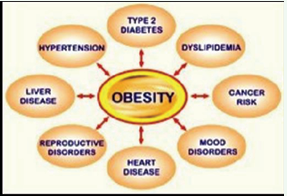
Figure 1: Effects of obesity on human health (12).
Consequently, obesity is now recognized as a major global public health issue [12,13]. To reduce adipose tissue expansion, the primary strategy involves a restricted low-calorie diet combined with increased physical activity in obese patients [14].
This review aims to elucidate the metabolic consequences of anti-obesity drugs derived from both medicinal plants and pharmaceuticals on human health as well as to evaluate the efficacy and safety of each type.
HORMONES REGULATE BODY WEIGHT
Leptin
Leptin is an adipocytokine produced not only by adipocytes but also by other tissues, including the stomach, skeletal muscles, pituitary gland and mammary gland. It plays a crucial role in regulating energy equilibrium and suppressing hunger, which leads to reduced fat storage in adipocytes relative to the rate of triglycerides storage through certain neural pathways, primarily in the hypo- thalamus [15]. The mechanism of leptin action is vital in controlling obesity and insulin resistance [16]. A recent review article concluded that increased leptin levels are indicative of leptin resistance in obese individuals [17]. Thus, it is evident that both increased BMI and insulin resistance are associated with high levels of leptin. While no efficient anti-obesity treatment based on the leptin hormone has been developed to date, its efficacy in obesity management remains under extensive study. Leptin is considered a major appetite suppressant and a key factor in obesity. Additionally, leptin also influences reproductive process, blood pressure and immune function. These additional functions highlights leptin’s overall impact on energy metabolism and the body’s balance [18-20]. In a normal, healthy response, high circulating leptin levels inhibit food intake, leading to weight loss. However, individuals with leptin deficiency or resistance tend to correlate with obesity. Leptin resistance may arise from a reduction in leptin’s ability to bind to its receptors in the CNS or from abnormalities in downstream signalling on the hypothalamus [21].
Ghrelin
Initially, the ghrelin peptide was identified as a growth hormone that exerts its effect on the hypothalamus. Researchers later discovered that ghrelin levels increased before meals, playing a crucial role in obesity and earning in the designation “hunger hormone.” In the hypothalamus, ghrelin activates the lateral area responsible for hunger. Many studies have attempted to adjust the equilibrium between ghrelin and leptin for therapeutic purposes Beyond its role in appetite stimulation, ghrelin also regulates the sleep-wake cycle, taste sensitivity and glucose metabolism [22,23]. In obese individuals, ghrelin levels are typically decreased but return to normal aher weight loss [24]. This fluctuation explains why maintaining weight loss can be challenging; as ghrelin levels rise, they increase appetite. Additionally, there is a possibility that obese individuals may have an over sensitivity to the ghrelin hormone [25].
Sex hormones
Female body weight regulation is significantly influenced by the reproductive system. Changes in food intake and the menstrual cycle are interconnected, with a notable decrease in food consumption among women during the perimenstrual phase. Women with menstrual cycle disorders are at an increased risk for obesity due to the absence of this typical period of “reduced appetite”. This illustrates the link between reproductive process and body weight management, which is largely dependent on levels of female sex hormones, particularly estradiol and progesterone. Generally, homeostatic nutrition in women is regulated by estradiol, which increases energy expenditure and decreases food intake. Additionally, luteal progesterone levels in non-pregnant obese women are approximately 75%–80 % lower than those of non-obese women [26].
In obese men, reduced testosterone levels can lead to an increase in body weight. There is also an inverse relationship between weight loss and testosterone level [27,28]. Several studies suggest that change in sex hormone levels in men can lead to variations in fat mass. A reduction in testosterone levels results in the accumulation of visceral adipose tissue (VAT). Consequently, testosterone therapy can reduce total body fat mass and VAT [29-31].
Medicinal herbs with anti-obesity properties
The use of medicinal plants is increasingly gaining prominence as a means to promote overall health and wellbeing due to their reduced side effects. Recently, the number of medicinal plants identified for treating obesity has grown significantly. Researchers have elucidated the exact mechanisms of action of these plants in combating obesity, demonstrating their beneficial effects with fewer ad- verse outcomes compared to pharmacological drugs such as diethylpropion, sibutramine, orlistat, phentermine, fluoxetine or bupropion. Furthermore, medicinal plants have been shown to possess additional benefits, serving as anti-inflammatory, antidiabetic, antihyperlipidemic, antiobesity and antioxidant agents [32,33].
Plant species have become essential in providing extracts and bioactive chemicals that serve as raw materials for developing obesity treatments [34]. However, it is necessary to thoroughly evaluate these variables to ensure the robustness, safety and reliability of the outcomes, thereby establishing a plant as a viable alternative medicine for managing various diseases [35]. During the formulation process, it is imperative to consider cultural, social, environmental and economic disparities among nations to develop treatment solutions that account for these differences. This approach is crucial for the development of evidence-based public policies. Translational research plays a key role in validating the factors necessary for effective knowledge exchange among researchers, producers, developers and companies [36].
Different plants contain numerous natural secondary metabolites, including flavonoids, saponins, terpenoids, alkaloids, polyphenols, carboxylic acids, glycosides and tannins. These compounds are effective against obesity through various mechanisms of action.
Several edible plants contain bioactive compounds that inhibit factors causing obesity, such as epigallocatechin in green tea, nobiletin in citrus peel, resveratrol and pterostilbene in berries, anthocyanins in Hibiscus sabdariffa and curcumin in turmeric [37].
The vegetal tissues of plants, including seeds, flowers, roots and other edible parts, contain secondary metabolites such as phenolic compounds (PC). These compounds are involved in the plant defense system and adaptation response to the environment, also presenting structural functions. The beneficial activities of PCs against many diseases such as oxidative stress, inflammation and cancer, in addition to their antimicrobial activities, are widely studied. Shikimic acid is the main precursor of these compounds, which are produced through different biochemical pathways. PCs are classified as flavonoids and non-flavonoids (namely, phenolic acids, lignans, stilbenes and other lower molecular weight compounds) based on the number and arrangement of their carbon atoms [38].
Plants contain phenolic compounds
Phenolic acids are widely distributed in foods such as grains, wine and berries, which contain high concentrations of these compounds. Examples include caharic acid, caffeic acid, ferulic acid, chlorogenic acid and benzoic acid. The bioaccessibility and bioavailability of phenolic acids are influenced by their physicochemical properties, such as plant matrix, molecular mass, polarity and digestibility by gastrointestinal enzymes. Foods high in phenolic acid have beneficial anti-obesity effects, primarily through the modulation of gut microbiota [39]. Lignans, which includes components like secoisolariciresinol, pinoresinol, syringaresinol, matairesinol and lariciresinol, are phenolic compounds characterised by a 1,4-diaryl butane structure. These are primarily found in cereal products, fruits, vegetables, coffee and tea.
The anti-obesity mechanism of lignans involves suppressing the expression of lipid metabolism-regulating factors and adipogenic factors during the differentiation process of adipocytes [40].
The most consumed dietary polyphenols are found in edible vegetables, fruits cereals and legumes. A suitable method for finding an alternative treatment against obesity from natural compounds is incorporating active compounds that can restrict lipid bioavailability, induce energy expenditure and modulating gut microbiota and com- position in food products. This strategy is effective for body weight management. To enhance the effectiveness of foods containing active anti-obesity ingredient such as polyphenols, technologies like encapsulation, food enrichment and formulation can be used to deliver these
bioactive constituents in processed foods [41], as shown in Figure 2.

Figure 2: Natural anti-obesity agents (41).
In addition to their anti-obesity properties, polyphenol enriched foods can also prevent obesity- associated disorders. A recent study showed that the antioxidant potential of noodles fortified with polyphenol-rich buckwheat and amaranth powders was higher than that of the control [42]. Another study observed that biscuit supplemented with hesperidin and naringenin resulted in reduced body weight, total cholesterol, total body fat and oxidative stress. These supplements also positively influenced metabolic syndrome in obese rats [43].
Curcuma longa
The most bioactive polyphenol in Curcuma longa is curcumin, which is commonly consumed as a spice in India and other Asian countries. It has been used in Ayurvedic medicine for thousands of years; means “science of long life”. Today, curcumin is widely regarded as a dietary spice in international cuisine [44]. There is substantial evidence supporting the effectiveness of curcumin in inhibiting fatty acid synthesis, stimulating β-oxidation and reducing fat storage. Numerous preclinical and clinical studies have demonstrated the beneficial effects of curcumin in pre- venting body weight gain. These effects are largely due to the polyphenol metabolites found in curcumin, which have beneficial effects on the CNS, improve insulin sensitivity and help prevent the development of diabetes [45,46].
Metabolic dysfunction in obesity can stem from the infiltration of lipopolysaccharide (LPS) produced by bacteria, which breaches the compromised intestinal barrier and spreads throughout the body via systemic circulation. This triggers pro-inflammatory signalling, involving interleukin-6 and monocyte chemoattractant protein-1, in obese individuals, prompted by the presence of LPS in white adipose tissue [47]. In a recent study, potential associations between adipose tissue inflammation, alterations in gut microbiota and the consumption of a high-fat diet (HFD) supplemented with curcumin were investigated. Specially, Curcumin supplementation was anticipated to lead to a significant reduction in adiposity and total macrophage infiltration in white adipose tissue compared to the group receiving only a high-fat diet (HFD). It has been established that curcumin confers preventive metabolic benefits in the context of an obese diet, partially by down- regulating inflammation in adipose tissue. This effect may be attributed to the manipulation of gut microbiota com- position and the conversion of curcumin into curcumin-O- glucuronide [48].
Tea
Tea stands as one of the most widely consumed beverages globally and holds significant economic value, particularly originating from the developing world. Both black and green teas stem from the leaves of Camellia sinensis, undergoing various processing methods such as full fermentation, semi-fermentation and non fermentation, which impart distinct characteristics to each type of tea [49].
Black tea
Black tea contains polyphenols, which confer specific health benefits, including its efficacy against various dis- eases such as diabetes, atherosclerotic, cancer and obesity, along with its anti-bacterial properties. Studies have indicated that the polyphenols in black tea are more effective in preventing Alzheimer’s and Parkinson’s diseases compared to those in green tea [50]. Both animal and human research has demonstrated the effectiveness of black tea polyphenols in obesity treatment [51].
One study suggested 3 potential mechanisms underlying the anti-obesity effects of polyphenols in black tea. These mechanisms include reducing the intake, digestion and absorption of fats and carbohydrates. Additionally, polyphenols promote lipid metabolism and mitigate obesity-related comorbidities and pathological processes by reducing oxidative stress [52]. Moreover, black tea polyphenols inhibit the activity of emulsion droplets of glucosidases, pancreatic lipase and α-amylase, thereby reducing energy assimilation by decreasing food intake. They also attenuate lipid biosynthesis and enhance lipolysis, with nuclear receptors and AMPK playing crucial roles in this process. Finally, black tea polyphenols inhibit both the proliferation and differentiation of preadipocytes to decrease lipid accumulation [50,52].
Green Tea
Green tea has been consumed for millennia and recognized for its numerous health benefits, including combating ailments such as cancer, atherosclerosis,oxidative stress, inflammation and possessing antibacterial proper- ties. Given the significant role of obesity as a risk factor for cardiovascular disease (CVD), there has been increasing interest in exploring the potential of green tea for managing obesity. It enhances metabolic rate and fat-burning ability, offering relief for conditions like hyperlipidemia and hyperglycemia and has long been used for slimming or as a prospective therapy for obesity control. While the available evidence suggests that green tea has a potential impact on reducing body weight, the specific mechanisms underlying its anti-obesity benefits remain incompletely understood. Extensive research has focused on the effects of green tea and its primary catechin, Epigallocatechin Gallate (EGCG), on metabolic adipose tissue hormones known as adipocytokines, particularly leptin and adiponectin [53,54]. Both animal and human research has provided evidence supporting the anti-obesity effects of green tea catechins, indicating their potential utility in obesity treatment. Animal studies has demonstrated that EGCG (epigallocatechin gallate) can reduce food intake, lower energy absorption, disrupt lipid emulsification and absorption processes and enhance energy expenditure through mechanisms like thermogenesis, fat oxidation and fecal lipid excretion [55,56]. Green tea consumption is associated with multiple beneficial biological outcomes, including the reduction of body weight through modulation of leptin and adiponectin. Leptin influences body weight by increasing energy expenditure and promoting fat oxidation, while green tea or its catechins have shown to elevate adiponectin levels, potentially enhancing insulin sensitivity and contributing to weight reduction [57]. Studies have demonstrated the efficacy of green tea extract in reducing lowdensity lipoprotein (LDL) levels and increasing leptin levels in overweight and obese women following a 6-week treatment period. However, statistically significant alterations were not observed in other overweight-associated biochemical markers [58].
Coffee and Cocoa
Cocoa contains 10 psychoactive compounds among its more than known 380 bioactive components. The original forms of cocoa beans are inedible because of the high concentration’s polyphenols, which are primarily responsible for their bitter flavor. These polyphenols include 3 groups: catechins, anthocyanidins and proanthocyanins, which are dominant in cocoa [59]. In recent years, considerable efforts have been made to evaluate the effectiveness of cocoa beans and other cocoa derivatives, particularly when included in a cocoa-enriched diet, against obesity. The reduction in body weight is mainly attributed to decrease adipose tissue synthesis.A meta-analysis of human studies demonstrated that consuming 30 g/day of various forms of cocoa or chocolate products for 4–8 weeks significantly reduced body weight and BMI [60]. According to the results of a previous study, the adults had a significantly lower BMI and smaller WC when they were in the highest quartile of flavonoid intake. Also, flavonoid consumption has an inverse relationship with the C-reactive protein level, which is an inflammatory marker [61]. Previous studies indicated that adults in the highest quartile of flavonoid intake had significantly lower BMI and smaller waist circumference. Furthermore, flavonoid consumption is inversely related to C-reactive protein levels, an inflammatory marker [61]. Coffee, another popular plant consumed worldwide, is rich in phytocompounds with significant antioxidant activity. Coffee beans contain phenolic compounds like chlorogenic acids, which have been shown to have numerous beneficial effects against diseases such as diabetes mellitus, hypertension, obesity and cancer, in addition to their antioxidant, anti-inflammatory, antimicrobial and neuroprotective properties [62-64]. Naturally green coffee consists of unroasted coffee beans that turn brown during the roasting process. Chlorogenic acids, a key component of green coffee bean extract (GCBE), are a group of antioxidant compounds responsible for many of its health benefits. The different effects of coffee beans when roasted or unroasted stem from the chemical changes that occur during roasting, with the chlorogenic acids mostly lost when the coffee beans are heated to high temperatures. Green coffee has much less caffeine than roasted coffee, but it can still cause side effects similar to those of regular coffee due to its caffeine content [65,66].
Several studies and reviews have shown that GCBE may have anti-obesity effect and assist in weight management. In a study involving obese females, administrating 400 mg of green coffee bean extract in conjunction with an energy-restricted diet over 8 weeks yielded greater weight reduction compared to following an energy-restricted diet alone. GCBE is efficient as an anti-obesity agent by inhibiting intestinal fat absorption and activating fat metabolism in the liver [67]. Caffeine has been demonstrated to inhibit fat absorption, while chlorogenic acid reduces hepatic triglyceride (TG) levels [68]. Furthermore, animal studies have shown that GCBE and caffeine can lower increased TG level in olive oil-loaded mice [69,70].
A previous animal study concluded that caffeic acid acts as an anti-obesity agent by stimulating lipolysis in rat adipocytes and reducing lipid biosynthesis. This effect is achieved through the modulation of genes and proteins related to lipid metabolism in white adipose tissue and the liver, resulting in body weight loss [71].
The study suggested several mechanisms for the GCBE effects on body weight loss. These include adipocyte lipolysis, reduced pancreatic lipase activity, enhanced β- oxidation of fatty acids and increased liver expression of PPAR-α. Additionally, GCBE inhibits key enzymes of lipid metabolism, such as fatty acid synthase, hydroxymethylglutaryl-coenzyme A reductase (HMG COA Reductase) and acyl-coenzyme A: cholesterol acyltransferase (ACAT) [72]. Furthermore, GCBE intake has been shown to control appetite, leading to decreased body weight [73]. Recent studies concluded that both chlorogenic acid and caffeine are less effective than GCBE in restricting body weight gain, suggesting a synergistic effect when both com- pounds are present in GCBE [74]. Overall, research confirms the beneficial efficacy of GCBE supplementation in controlling body weight control, BMI and waist circumference (WC), providing a safe and cost effective alternative for obesity treatment [75].
Cinnamon
Cinnamon and C. cassia have a long history as spices and preservatives. Various forms of cinnamon are sold and the most important factor in its administered is its form, as the pulverized bark used to make extracts (aqueous and/ or organic solvent extraction) and powders contain diverse phytochemicals that may differ in bioavailability [76]. The main bioactive compounds in cinnamon, including cinnamic acid, cinnamaldehyde (CIN) and eugenol, may have anti-obesity effects and improve insulin sensitivity. However, there have been conflicting results regarding the effects of cinnamon against obesity.
Systematic reviews and meta-analysis indicate that cinnamon supplementation results in statistically significant, albeit clinically modest, reductions in body mass index (BMI), waist circumference (WC) and waist hip ratio (WHR) among individuals with chronic illnesses [77]. The antiobesity effect was observed to be greater in overweight or obese patients who were supplemented with 2000-3000 mg of cinnamon powder per day for 12 weeks or longer. The study proposed several mechanisms by which cinnamon and its bioactive components combat obesity, including cinnamaldehyde’s effect on satiety, thermogenesis, fatty acid oxidation and enhanced insulin sensitivity. Researchers also recommended investigating the efficacy of cinnamon supplementation in promoting weight loss in overweight or obese but metabolically healthy individuals [78]. A recent study found that administering cinnamon at a dose of ≥3 g/ day yielded favorable outcomes, suggesting its potential as a supplementary agent for weight management. The findings indicated a significant decrease in both body mass index (BMI) and overall body weight following cinnamon supplement [79].
Ginger (Zingiber officinale)
The plant in question belongs to the Zingiberaceae family, known for its ginger-like characteristics. It is native to sub- tropical and tropical regions and is widely used in Asian cuisine as a versatile spice and flavor enhancer. Ginger’s primary bioactive component is gingerol, which is present in high quantities and exhibits notable biological activity. Research has established that derivatives of gingerol, specifically 6-gingerol, 8-gingerol and 10-gingerol, are responsible for ginger’s therapeutic properties. Additionally, ginger has a modest level of pungency [80-82]. There is little evidence comparing the effects of ginger to a placebo on weight management, particularly concerning BMI, hip circumference, and waist-to-hip ratio reduction. However, in vivo studies have detected significant outcomes from ginger supplementation [83 86].
Clinical trials have shown a significant reduction in body weight and body fat with ginger supplementation.
For example, a 12-week randomized, double-blind, placebo controlled clinical trial involving obese healthy individuals demonstrated that consuming an ethanolic extract of steamed ginger, which contains high levels of 6-shogaol, led to increased physical activity efficacy. Thus, combining lifestyle modifications such as diet control and physical activity with 6-shogaol-enriched steamed ginger ethanolic extract (SGE) supplementation may enhance weight and body fat reduction [87-89]. The study highlighted numerous bioactive components in ginger that inhibit metabolic parameters induced by a high-fat diet, such as increased body weight, fasting blood glucose and total cholesterol levels. The bioactive components of ginger also alter the remodeling of HFD-mediated adipose tissue by reducing the size of adipose tissue and decreasing adipose tissue inflammation. The anti-obesity effects of ginger are likely partially due to the activation of antioxidant effects and the oxidation of fatty acids [90]. According to the US Food and Drug Administration, the consumption of up to 4000 mg of ginger per day is generally recognized as safe [91].
Anti-Obesity drugs
The U.S. National Institutes of Health recommends the use of medications with demonstrated anti-obesity effects for patients classified as obese, with a body mass index (BMI) of 30 kg/m2 or higher, or a BMI of 27 kg/m2 or higher in the presence of obesity-related disorders such as type 2 diabetes mellitus (T2DM), hypertension, dyslipidemia or sleep apnea [92]. In contrast, the Asia-Pacific obesity treatment guidelines advocates for prescribing anti obesity drugs to overweight adults with a BMI of 25 or 23 kg/m2 or higher, who present with at least one obesity related comorbidity [93].
A pharmacological program should be tailored to the type of obesity, associated comorbidities and the drug’s effectiveness and safety profile. According to FDA guidelines, a compound must demonstrate a statistically significant effect, leading to at least 5 % mean body weight loss compared to the placebo group, to be considered an effective anti-obesity drug. Additionally, it is expected that a minimum of 35 % of patients will achieve a weight reduction of 5 % or more aher one year of treatment.
Furthermore, the FDA also requires anti-obesity medications to show improvement in primary cardiometabolic measures, including glycemic control, blood pressure regulation and cholesterol level management [94,95].
Suitable treatment for reducing excessive body fat is necessary for obese men (BMI ≥30 kg/m2, ≥27 kg/m2 with comorbidities) and those with central obesity, indicating by a waist circumference (WC) ≥102 cm. Although the first approach to ameliorating obesity involves intensive life- style modification, such as calorie-restricted diets and increased physical activities, maintaining these changes over the long term can be challenging and the improvements are open insufficient [96,97]. As a result, pharmacotherapy is recommended by most guidelines as a second-line therapy for obesity treatment, in conjunction with lifestyle modifications [98]. Numerous medications have been developed to manage obesity long-term, targeting different factors and pathways to positively affect energy balance [99].
Over the past decades, some anti-obesity drugs have been used to treat morbid obesity, but many have been withdrawn from the market due to severe long-term adverse effects, particularly cardiovascular-related issues [100].
Therefore, the priority for developing anti-obesity drugs has shihed to focusing on reducing the risk of cardiovascular disease (CVD) and ensuring cardiovascular safety, alongside weight loss efficacy. In recent years, the US Food and Drug Administration (FDA) has approved new pharmacological options aher conducting more thorough studies to confirm the efficacy and safety of these medications [101].
APPROVED ANTI-OBESITY DRUGS
Orlistat (tetrahydroxy lipostatine)
One of the few drugs registered for obesity management in patients with a BMI ≥ 30 kg/m2 or ≥28 kg/m2 and at risk of obesity-related comorbidities is orlistat. This drug is a specific, potent irreversible inhibitor of gastric and pancreatic lipases, which reduces fat absorption from the gastrointestinal tract, thereby limiting the calorie content of consumed foods. Its pharmacological effect involves the formation of covalent bond with the serine residue at the active site of gastric and pancreatic lipases in the lumen of the gastrointestinal tract. This bond interferes with the catalytic activity of these lipases, preventing the breakdown of fat and the subsequently decreasing systemic absorption of dietary fats by about 30 %. By inhibiting lipase activity, orlistat prevents the hydrolysis of dietary fat (triglycerides) into absorbable free fatty acids and mono- glycerides. Orlistat is indicated for obese or overweight individuals with associated risk factors and is intended to be used in combination with a low-calorie diet [102,103].
A study examining the effect of orlistat in 3305 patients found that, aher 4 years, participants experienced an average weight loss of about 2.4 % of their total body weight. More importantly, the study revealed a significant reduction in the risk of type 2 diabetes (T2DM) over the 4- year period when compared with a placebo (6.2 % vs. 9.0 %). Additionally, orlistat improved blood pressure, insulin sensitivity and lipid profiles due to its primary mechanism of decreasing intestinal fat absorption.
However, 91 % of participants taking orlistat reported at least one gastrointestinal event and 8 % withdrew from the study due to these adverse effects. There is also a potential risk of colorectal cancer associated with the presence of excess fat in the colon [104]. The over-the- counter (OTC) formulation of orlistat includes guidelines advising individuals to take a daily multivitamin at bed- time. This recommendation is due to orlistat’s potential to limit the absorption of fat-soluble vitamins A, D, E and K. Additionally, defecation-related symptoms such as oily spotting and flatus with discharge may occur as adverse effects when taking orlistat [105].
Liraglutide
An analog of human glucagon-like peptide-1 (GLP-1), produced by post-translational processing of the pre- proglucagon gene, is converted into its physiologically active form, GLP-1 amide, which constitutes about 80 % of circulating GLP-1. This hormone regulates glucose-dependent insulin secretion and glucagon release and it also modulates appetite, satiety modulation and energy intake [106]. Initially approved at subcutaneous doses of 1.2 mg or 1.8 mg daily for the treatment of type 2 diabetes mellitus (T2DM), a higher dose of 3.0 mg per day has been approved for obesity management, in conjunction with a restricted diet and exercise interventions [107-109].
Another GLP-1 liraglutide, can be administered subcutaneously and orally. While it functions similarly to liraglutide, it does not produce glycemic control. Compared to once-daily subcutaneous liraglutide administration, once- weekly subcutaneous semaglutide administration resulted in significant weight loss over 68 weeks in overweight or obese individuals without diabetes [110].
A recent study concluded combining liraglutide with exercise enhances treatment efficacy. This combination can mitigate adverse effects associated with liraglutide, such as increased resting heart rate, cholelithiasis and gastrointestinal issues like nausea, vomiting and diarrhea [111].
Lorcaserin
To aid in weight loss for obese individuals with a BMI of 30 or higher as well as overweight individuals with weight- related comorbidities, lorcaserin, a serotonin 2C receptor agonist, is taken in conjunction with physical exercise and calorie restriction. By activating the proopiomelanocortin (POMC) receptors in the arcuate nucleus of the hypothalamus, lorcaserin exerts its serotonin agonist action, thereby reducing appetite and energy intake while promoting feelings of fullness. Lorcaserin’s specificity for the serotonin 2C receptor allows it to decrease appetite and hunger without causing pulmonary hypertension or valvular heart abnormalities [112,113]. Approved for obesity treatment in 2012 [114,115], lorcaserin was recently withdrawn from clinical use due to findings from long-term studies suggesting an increased risk of lung and pancreatic cancer, although not colon cancer [116,117].
Semaglutide (Ozempic)
Approved for the treatment of type 2 diabetes mellitus (T2DM), this medication targets the glucagon-like peptide- 1 receptor. It is administered orally in multiple doses (3, 7, and 14 mg) once daily or as subcutaneous injections in doses of 0.25, 0.5 and 1 mg once weekly [118,119]. In 2021, the FDA approved the long-term subcutaneous administration of semaglutide for weight management at higher doses (1.7 and 2.4 mg) once weekly. The Semaglutide Treatment Effect in People with Obesity (STEP) trials has affirmed the efficacy of semaglutide in addressing obesity. Large randomized controlled trials (RCTs) have shown that patients administered 2.4 mg of semaglutide experience approximately a 6 % reduction in body weight by week 12 and around a 12 % reduction by week 28 [110,120]. Results from a recent cohort study suggest that semaglutide is clinically effective as an anti obesity drug for overweight or obese individuals over a period of 3 to 6 months [121].
Semaglutide induces overall body weight loss, leading to improved insulin sensitivity [122]. While semaglutide does not decrease energy expenditure or increase the resting metabolic rate, its anti-obesity effect stems from a reduction in energy intake and a decrease in cravings for high fat foods due to appetite suppression [123,124]. It has been hypothesized that semaglutide’s appetite inhibiting effect may be mediated by a central mechanism involving the hypothalamus, similar to that of liraglutide [125].
Additionally, a peripheral mechanism linked to native GLP-1 may contribute to appetite suppression through a decrease in gastric motility and activation of gastro mechanoreceptors, which inhibit the satiation center in the brainstem by transmitting signals via the vagus nerve [126].
There are differences in the adverse effects profiles between the subcutaneous and oral formulations of semaglutide. Notably, oral tablets do not cause injection- site reactions, but they may induce more gastrointestinal disturbances due to higher portal levels. Furthermore, the maximum oral dosage results in lower plasma levels (~25 nM with oral 20 mg) compared to the maximal subcutaneous dose (~45 nM with 1 mg subcutaneous), although direct comparison data for the pharmacokinetic profile of both dosage forms is currently unavailable [127].
Patients prescribed semaglutide should be in- formed about possible adverse effects and provided with guidelines on how to manage them. While no clear relationship has been identified linking pancreatic cancer or acute pancreatitis to incretin-based therapies, the FDA and EMA advise considering pancreatitis as a potential risk factor with these medications until further data are available. Elevated serum levels of both lipase and amylase have been observed with semaglutide use, typically in a small, asymptomatic and dose-dependent manner. The most commonly reported side effects among patients treated with semaglutide compared to placebo include gastrointestinal disorders such as diarrhea, nausea, vomiting and constipation. Additionally, a slightly higher incidence of gallbladder-related diseases and malignant neoplasms was observed in the semaglutide-treated group compared to the placebo group [128,129].
Patients experiencing symptoms such as suicidal thoughts, mood swings, depression or suicidal behavior should discontinue semaglutide Therefore, individuals with a history of suicide attempts or those currently contemplating suicide should not be prescribed semaglutide [130].
Combination of anti-obesity medications
To ensure maximum efficacy in controlling body weight while maintaining safety and acceptability, combination therapies comprising multiple anti-obesity agents with complementary modes of action are essential. These com- bination remedies are designed to target regulatory energy systems through various mechanisms [131]. Currently, phentermine/topiramate and naltrexone/bupropion are the only combination medications approved for the treatment of obesity with validated data. However, compounded medications have also been studied to assess their long-term efficacy and adverse effects [99,100].
Naltrexone/bupropion
In September and December of 2014 respectively, the European Medicines Agency (EMA) and the US Food and Drug Administration (FDA) approved the co-administration of naltrexone and bupropion as medications for obesity management. However, despite its clinical and financial effectiveness, the National Institute for Health and Care Excellence declined to recommend the use of this combination drug in the UK in July 2017. A reassessment of the data supporting its usefulness is scheduled for 2020 [100].
This combined formulation is utilized for the long- term treatment of overweight and obese individuals, alongside increased physical activity and a calorie- restricted diet. Naltrexone acts as an anti-obesity agent by inhibiting pro-opiomelanocortin neurons in the hypothalamus, while bupropion is believed to enhance dopamine effects at specific brain sites. Together, their combined actions are thought to reduce food cravings. Generally, these combinations focus on reducing peripheral calorie absorption and regulating hunger, appetite and satiety [131]. Researchers have noted a significantly higher risk of adverse effects with Naltrexone-bupropion administration.
Common adverse reactions associated with Naltrexone-bupropion include central nervous system (CNS), psychiatric, vascular, gastrointestinal (GIT), ear and labyrinth issues. Another study concluded that even a small dose of naltrexone-bupropion leads to significant weight loss but also increases the risk of adverse effects. There- fore, intensive and rigorous post-marketing surveillance is required [132].
Phentermine/topiramate
When used alongside a controlled diet and exercise regimen, this combination drug is prescribed for treating obesity in individuals with starting BMIs greater than 30 kg/m2 or those with BMIs greater than 27 kg/m2 who also have at least one obesity-related condition. In 2012, the United States FDA approved the use of the combination of phentermine and topiramate drugs for obesity treatment [133]. However, the European Medicines Agency (EMA) has not approved it due to concerns about its potential for misuse. Additionally, there has been no long-term research con- ducted on the cardiovascular effects of phentermine or the negative cognitive consequences of topiramate, including memory, attention and language impairment [134]. The possible mechanism of action for this combination drug’s anti- obesity effects primarily involves appetite suppression through subtle mechanisms. Phentermine acts as a noradrenergic agonist with central sympathetic action, leading to increased release of norepinephrine, dopamine and serotonin. It is primarily used for short-term management of obesity. On the other hand, topiramate functions as a gamma-aminobutyric acid agonist, a long-acting neurotherapeutic drug, a carbonic anhydrase inhibitor, and a glutamate antagonist. Originally approved for epilepsy treatment and migraine prophylaxis, significant weight loss was observed in epileptic patients treated with topiramate, leading to its evaluation for obesity treatment in clinical studies [135,136].
Dry mouth and constipation are commonly reported side effects of topiramate/phentermine. Additionally, the resting heart rate may increase by up to 20 beats per min. Caution should be exercised when prescribing this medication to patients with a history of heart disease or stroke. Monitoring the heart rate is essential for all patients taking phentermine/topiramate. Valvular heart disease has been associated with appetite-suppressant drugs such as phentermine. Psychiatric and cognitive disturbances, including mood disorders such as anxiety, depression or insomnia, may occur with phentermine/topiramate administration. Clinicians should carefully monitor patients for signs of suicidal ideation and behaviors, such as depressed mood and increased anxiety. Patients are advised to avoid substances like alcohol and other central nervous system depressants to reduce the risk of adverse effects such as dizziness and impaired coordination. Gradual discontinuation of the phentermine/topiramate combination therapy is recommended to minimize the potential increase in seizure frequency. This cautious approach is advised because abrupt discontinuation of the therapy may trigger seizures [137-139].
The safety and efficacy of mixed medicinal plant anti- obesity preparations
In recent times, there has been a resurgence of interest in the formulation of medicinal plants, which have been used in various traditional systems of medicine since ancient times, as potent therapeutic approaches in the search for effective and safe remedies. The combination of medicinal plants in polyherbal formulations has emerged as a preferred method to achieve synergistic effects and mitigate the toxicity associated with individual phytochemicals obtained from a single plant. Utilizing herbal resources offers numerous advantages, including cost-effectiveness, eco- friendliness and ready availability [140,141]. In the realm of obesity management and adipogenesis, the effectiveness of polyherbal formulations has been bolstered by a diverse array of scientific studies [142,143]. Herbal medicine exhibits anti-obesity activity through various mechanisms, including the inhibition of lipase activity and food intake, enhancement of energy expenditure through suppression of adipogenesis, promotion of diuresis, regulation of lipid metabolism, induction of thermogenesis, in- crease in satiety, stimulation of insulin secretion and modulation of the central nervous system via leptin [141,144]. In some cases, these herbal medicines are incorporated into nutraceuticals to tailor them for specific dietary use or therapeutic purposes, particularly in the treatment of obesity, overweight individuals and patients with conditions such as high blood pressure [145].
A previous investigation revealed favorable out- comes in overweight females who underwent an 8-week intervention involving the consumption of co-supplements containing green tea, capsaicin and ginger. These participants experienced improvements in body weight, body mass index (BMI), indicators of insulin metabolism and plasma glutathione (GSH) levels [146]. Results from a recent study introduced 2 polyherbal formulations. Formulation A consisted of 30 g of fruit peels containing Camellia reticulata, 9 g of seeds containing Senna obtusifolia, 15 g of aerial parts containing Houttuyniacordata, 20 g of fruit peels containing Benincasa hispida and 10 g of leaves containing Pennisetum ciliare. These ingredients were mixed and pulverized into a coarse powder of 40 mesh size. Both herbal formulations exhibited a significant anti-obesity effect on diet-induced obesity (DIO) in a mice model, effectively reducing body weight compared to control mice fed a high-fat diet (HFD). This reduction was mainly attributed to a decrease in the food efficiency ratio (FER). Further- more, both formulations improved lipoprotein disturbances associated with obesity, leading to a decrease in the atherogenic index. Additionally, there was a significant decrease in the weight of both liver and epididymal white adipose tissue (WAT) with the use of both formulations. Moreover, these formulations effectively regulated fasting blood glucose levels, possibly by mitigating HFD-induced insulin resistance. These findings suggest that formulations A and B could be potentially effective and safe herbal interventions for managing obesity and its comorbidities. Further studies are recommended to evaluate these formulations in clinical trials to confirm their efficacy in humans [147]. Additionally, the results of a study demonstrated that the combination of red pepper and black pep- per had an anti-obesity effect in high-fat diet rats [148]. Possible mechanisms of the anti-obesity effect of capsaicin, the main alkaloid in both black and red peppers, include induction of lipolysis in adipocytes, promotion of satiety and reduction of energy and fat intake [149].
On the contrary, patients have exhibited main adverse effects such as musculoskeletal, gastrointestinal, dermatological or neurological problems when subjected to the administration of anti-obesity plants in combination formulas. Interestingly, these undesirable effects have not been observed individually with the effective plants used in isolation. This comparison underscores how the mixing of potent natural ingredients can compromise the efficacy, safety and quality of the original preparation [150]. Such effects may arise due to interactions between specific active constituents found in different medicinal plants, resulting in either synergistic or antagonistic effects [151], or due to interactions with other medications due to plant- drug pharmacokinetic interactions. Moreover, the complex nutraceutical phytoconstituents present in these plants may act on different target cells, leading to synergistic effects that could potentially cause various side effects in the human body [152]. Interestingly, these medicinal plants may exhibit higher effectiveness and safety when taken individually compared to when they are mixed and administered together. Furthermore, in line with recommendations from various health organizations advocating for the regular consumption of natural ingredients, especially vegetables and selected herbs such as turmeric, capsaicin, ginger and green tea. However, factors such as the therapeutic dosage, route of administration, presence and concentration of various bioactive components, quality of botanical preparations, their respective functions, experimental methods, study design and duration of treatment can all influence the results of such studies, thus affecting the effectiveness and safety of ingested plants. Introducing such potential plants could assist patients in adopting them as an alternative approach alongside other remedies such as hypnotherapy and acupuncture for obesity treatment [153].
Advantages of medicinal plants as anti-obesity products
Currently, the use of herbal plants for treating obesity is gaining considerable attention. While only a small fraction of their active constituents have been identified, understanding the precise mechanism of action is crucial as the composition of medicinal plants becomes better understood. Herbal medications offer several advantages over pharmaceutical drugs for treating obesity, including minimal or no adverse events. Numerous preclinical and clinical studies have demonstrated the medicinal benefits of herbal plants against various diseases, including hyperlipidemia and diabetes mellitus, alongside their antioxidant and anti- inflammatory effects [154]. Moreover, due to their minimal side effects, easy availability, low cost and richness in bioactive compounds, medicinal plants have been regarded as alternative preventive agents [155]. However, the popularity of herbal remedies can lead to misuse, with users sometimes neglecting proper dosage and timing, potentially resulting in harmful effects. Thus, medicinal plants deemed effective and safe may not always be suitable for all individuals or when consumed in arbitrary amounts as prescribed. Several cases have high- lighted potential adverse effects, underscoring the importance of exercising caution with herbal products [156,157]. While moderate tea consumption is generally considered beneficial for most people, excessive intake, exceeding 3-4 cups per day, may lead to adverse effects. The precise amount of tannin in tea can vary significantly depending on the type and preparation method. It is generally advised to limit consumption to 3 or fewer cups per day, ideally between meals, to stay within a safe range for most individuals [158]. Studies examining the impact of tannin consumption, specifically hydrolyzed and oligomeric catechin and epicatechin tannin (found in tea and tannic acid), generally support the idea that tannin consumption reduces bioavailability. However, these findings do not consistently demonstrate reduced bioavailability resulting from the consumption of condensed tannin, which is more prevalent in food. Additionally, the effect of tannin consumption on iron levels lacks consistent support across long-term animal models, epidemiological studies and research examining multiple meals.
Studies suggest that long-term tannin consumption may affect iron status differently than predicted by single meal studies or iron bioavailability models. Moreover, condensed tannins, commonly found in food and utilized in iron bioavailability studies, may better predict mealtime iron bioavailability [158,159]. The adverse effects of excessive black tea consumption are primarily attributed to its caffeine content. Caffeine is known to stimulate wakefulness, act as a diuretic and reduce fatigue. Additionally, the nine and γ-aminobutyric acid contribute to lowering blood pressure and regulating brain and nerve function [160]. Numerous epidemiological studies have confirmed the beneficial effects of tea and its catechins on obesity [49,161,162]. Meanwhile, pharmaceutical anti obesity drugs available on the market are associated with adverse effects such as headache, nervousness, blurred vision, dry mouth, insomnia and diarrhea as well as more serious side effects including kidney and liver problems, increased blood pressure and elevated heart rate. Therefore, there is a growing interest in natural herbal medications as anti- obesity alternatives due to their potentially lower cost and fewer adverse effects compared to pharmaceutical drugs [55,163,164]. Although anti obesity drugs approved by the FDA in the USA are effective in treating diet-induced obesity, they are less common among overweight individuals due to their higher cost and severe adverse effects. Many medicinal herbs and their bioactive components have garnered attention from researchers for their potential anti-obesity activity in various in vivo, in vitro and clinical studies. Additionally, medicinal plants are considered a preferable alternative due to their lower cost and minimal adverse effects [165,166].
CONCLUSION
The effectiveness of bioactive compounds derived from plants lies in their capacity to induce apoptosis and lipolysis, thereby reducing lipid accumulation. The signaling pathways involved in this process are interconnected and complex. Therefore, the use of botanical remedies instead of synthetic pharmaceuticals for treating and controlling obesity holds significant promise. This potential is attributed to the combined or additive effects of various constituents found in medicinal plants, which target adipocytes at multiple points in their life cycles and across different cellular, molecular and metabolic levels. Medicinal plants have emerged as a preferred alternative due to their cost-effectiveness and minimal adverse effects. Unlike modifying one’s diet or increasing physical activity through regular exercise, which can be challenging for some individuals, the administration of medicinal plants is relatively convenient, making them accurate and ideal alternatives.
AUTHORS’ CONTRIBUTIONS
ZAAA carried out the abstract, Introduction and survey of the antiobesity drugs. DAA participated in the design of natural antiobesity drugs its safety and efficacy of mixed medicinal plant anti-obesity preparations. ZA and DA participated in the design and coordination of the manuscript. All authors read and approved the final manuscript.
COMPLIANCE WITH ETHICAL STANDARDS
Conflict of interest
Authors do not have any conflict of interests to declare.
Ethical issues
None.
REFERENCE
- Singh M, Thrimawithana T, Shukla R. Obesity through natural polyphenols: A review. Future Foods. 2020; 1: 100002.
- WHO. Diet, nutrition and the prevention of chronic diseases: Report of a WHO-FAO expert consultation. In: Proceedings of the Joint. WHO-FAO Expert Consultation on Diet, Nutrition and the Prevention of Chronic Diseases, Geneva, Switzerland. WHO Technical Report Series. 2002.
- Swift DL, McGee JE, Earnest CP, Carlisle E, Nygard M, Johannsen NM. The Effects of Exercise and Physical Activity on Weight Loss and Maintenance. Prog Cardiovasc Dis. 2018; 61: 206-213.
- Vandoni M, Codella R, Pippi R, Carnevale Pellino V, Lovecchio N, Marin L, et al. Combatting Sedentary Behaviors by Delivering Remote Physical Exercise in Children and Adolescents with Obesity in the COVID-19 Era: A Narrative Review. Nutrients. 2021; 13: 4459.
- Toniolo-Barrios M, Pitt L. Mindfulness and the challenges of working from home in times of crisis. Bus Horiz. 2021; 64: 189-197.
- Renehan AG, Tyson M, Egger M, Heller RF, Zwahlen M. Body-mass index and incidence of cancer: a systematic review and meta-analysis of prospective observational studies. Lancet. 2008; 371: 569-578.
- Seidell JC. Waist circumference and waist/hip ratio about all- cause mortality, cancer and sleep apnea. Eur J Clin Nutr. 2010; 64: 35-41.
- Roriz C, Karla A, Passos S. Anthropometric clinical indica- tors in the assessment of visceral obesity: An update. Nutr Clín Diet Hosp. 2016; 36: 168-79.
- Reyes-Farias M, Fos-Domenech J, Serra D, Herrero L, Sánchez-Infantes D. White adipose tissue dysfunction in obesity and aging. Biochem Pharmacol. 2021; 192: 114723.
- Nicolaidis S. Environment and obesity. Metabolism. 2019; 100:153942.
- D’Anneo A, Bavisotto CC, Gammazza AM, Paladino L, Carlisi D, Cappello F, et al. Lipid chaperones and associated diseases: a group of chaperonopathies defining a new nosological entity with implications for medical research and practice. Cell Stress Chaperones. 2020;25: 805-820.
- Piché ME, Tchernof A, Després JP. Obesity Phenotypes, Diabetes, and Cardiovascular Diseases. Circ Res. 2020; 126: 1477-1500.
- Ng ACT, Delgado V, Borlaug BA, Bax JJ. Diabesity: the combined burden of obesity and diabetes on heart disease and the role of imaging. Nat Rev Cardiol. 2021; 18: 291-304.
- Saunders KH, Umashanker D, Igel LI, Kumar RB, Aronne LJ. Obesity Pharmacotherapy. Med Clin North Am. 2018; 102: 135-148.
- Myers MG Jr, Münzberg H, Leinninger GM, Leshan RL. The geometry
of leptin action in the brain: more complicated than a simple ARC. Cell Metab. 2009; 9: 117-123.
- Osegbe I, Okpara H, Azinge E. Relationship between serum leptin and insulin resistance among obese Nigerian women. Ann Afr Med. 2016; 15: 14-19.
- Izquierdo AG, Crujeiras AB, Casanueva FF, Carreira MC. Leptin, Obesity, and Leptin Resistance: Where Are We 25 Years Later? Nutrients. 2019; 11: 2704.
- Kumar R, Mal K, Razaq MK, Magsi M, Memon MK, Memon S, et al. Association of Leptin With Obesity and Insulin Resistance. Cureus. 2020; 12: e12178.
- Zhang F, Chen Y, Heiman M, Dimarchi R. Leptin: structure, function and biology. Vitam Horm. 2005; 71: 345-372.
- Wabitsch M, Funcke JB, Lennerz B, Kuhnle-Krahl U, Lahr G, Debatin KM, et al. Biologically inactive leptin and early-onset extreme obesity. N Engl J Med. 2015; 372: 48-54.
- Farr OM, Gavrieli A, Mantzoros CS. Leptin applications in 2015: what have we learned about leptin and obesity? Curr Opin Endocrinol Diabetes Obes. 2015; 22: 353-359.
- Cummings DE, Purnell JQ, Frayo RS, Schmidova K, Wisse BE, Weigle DS. A preprandial rise in plasma ghrelin levels suggests a role in meal initiation in humans. Diabetes. 2001; 50: 1714-1719.
- Poher AL, Tschöp MH, Müller TD. Ghrelin regulation of glucose metabolism. Peptides. 2018; 100: 236-242.
- Kobelt P, Helmling S, Stengel A, Wlotzka B, Andresen V, Klapp BF, et al. Anti-ghrelin Spiegelmer NOX-B11 inhibits neurostimulatory and orexigenic effects of peripheral ghrelin in rats. Gut. 2006; 55: 788-792.
- Makris MC, Alexandrou A, Papatsoutsos EG, Malietzis G, Tsilimigras DI, Guerron AD, Moris D. Ghrelin and Obesity: Identifying Gaps and Dispelling Myths. A Reappraisal. In Vivo. 2017; 31: 1047-1050.
- Leeners B, Geary N, Tobler PN, Asarian L. Ovarian hormones and obesity. Hum Reprod Update. 2017; 23: 300-321.
- Mangolim AS, Brito LAR, Nunes-Nogueira VS. Effectiveness of testosterone therapy in obese men with low testosterone levels, for losing weight, controlling obesity complications, and preventing cardiovascular events: Protocol of a systematic review of randomized controlled trials. Medicine (Baltimore). 2018; 97: e0482.
- Liu F, Tu Y, Zhang P, Bao Y, Han J, Jia W. Decreased visceral fat area correlates with improved total testosterone levels after Roux-en-Y gastric bypass in obese Chinese males with type 2 diabetes: a 12-month follow-up. Surg Obes Relat Dis. 2018; 14: 462-468.
- Sebo ZL, Rodeheffer MS. Testosterone metabolites differentially regulate obesogenesis and fat distribution. Mol Metab. 2021; 44: 101141.
- Pivonello R, Menafra D, Riccio E, Garifalos F, Mazzella M, de Angelis C, et al. Metabolic Disorders and Male Hypogonadotropic Hypogonadism. Front Endocrinol (Lausanne). 2019; 10: 345.
- Fink J, Matsumoto M, Tamura Y. Potential application of testosterone replacement therapy as treatment for obesity and type 2 diabetes in men. Steroids. 2018; 138: 161-166.
- de Freitas Junior LM, de Almeida EB Jr. Medicinal plants for the treatment of obesity: ethnopharmacological approach and chemical and biological studies. Am J Transl Res. 2017; 9: 2050-2064.
- Krushna K. Zambare, Arun A. Kondapure et al. A systematic review on obesity and herbal anti-obesity medicines. Research J Pharm and Tech. 2020; 13: 4966-4972.
- Kim HY. Effects of onion (Allium cepa) skin extract on pancreatic lipase and body weight-related parameters no title. Food Sci Biotechecnology. 2007; 16: 434-438.
- Medeiros PM, Ladio AH, Albuquerque UP. Original article Sampling problems in Brazilian research: A critical evaluation of studies on medicinal plants. Rev Bras Farmacogn. 2014; 24: 103-109.
- 36. Bowen S, Erickson T, Martens PJ, Crockett S. More than “using research”: the real challenges in promoting evidence-informed decision-making. Health Policy. 2009; 4: 87-102.
- Huang L, Chen J, Cao P, Pan H, Ding C, Xiao T, et al. Anti-obese effect of glucosamine and chitosan oligosaccharide in high-fat diet-induced obese rats. Mar Drugs. 2015; 13: 2732-2756.
- dela Rosa LA, Moreno-Escamilla JO, Rodrigo-García J et al. Phenolic-compounds. In: EM Yahia and A Carrillo-Lopez (Eds.), Postharvest Physiology and Biochemistry of Fruits and Vegetables. 2019: 253-271.
- 39. Luna-Guevara ML, Luna-Guevara JJ, Hernández-Carranza P et al. Phenolic compounds: A good choice against chronic degenerative diseases. Studies in Natural Products Chemistry. 2018; 59: 79-108.
- Karri S, Sharma S, Hatware K, Patil K. Natural anti-obesity agents and their therapeutic role in management of obesity: A future trend perspective. Biomed Pharmacother. 2019; 110: 224-238.
- Mir SA, Shah MA, Ganai SA. Understanding the role of active components from plant sources in obesity management. J Sau- di Soc Agric Sci. 2019; 18: 168-176.
- KissA, Takács K, Nagy A. In vivo and in vitro model studies on noodles prepared with antioxidant-rich pseudocereals. J Food Meas Charact. 2019; 13: 2696-2704.
- Mayneris-PerxachsJ, Alcaide-Hidalgo JM, de la Hera. Supple-mentation with biscuits enriched with hesperidin and naringenin is associated with an improvement of the metabolic syndrome induced by a cafeteria diet in rats. J Funct Foods. 2019; 61: 103504.
- Scazzocchio B, Minghetti L, D’Archivio M. Interaction between Gut Microbiota and Curcumin: A New Key of Understanding for the Health Effects of Curcumin. Nutrients. 2020; 12: 2499.
- Lim KJ, Bisht S, Bar EE, Maitra A, Eberhart CG. A polymeric nanoparticle formulation of curcumin inhibits growth, clonogenicity and stem-like fraction in malignant brain tumors. Cancer Biol Ther. 2011; 11: 464-473.
- Panahi Y, Hosseini MS, Khalili N, Naimi E, Soflaei SS, Majeed M, et al. Effects of supplementation with curcumin on serum adipokine concentrations: A randomized controlled trial. Nutrition. 2016; 32: 1116-1122.
- Hersoug LG, Møller P, Loft S. Gut microbiota-derived lipopolysaccharide uptake and trafficking to adipose tissue: implications for inflammation and obesity. Obes Rev. 2016; 17: 297-312.
- Islam T, Koboziev I, Albracht-Schulte K, Mistretta B, Scoggin S, Yosofvand M, et al. Curcumin Reduces Adipose Tissue Inflammation and Alters Gut Microbiota in Diet-Induced Obese Male Mice. Mol Nutr Food Res. 2021; 65: e2100274.
- SuzukiT, Miyoshi N, Hayakawa S. Health benefits of tea consumption. In: Beverage Impacts on Health and Nutrition. Human Press. 2016: 49-67.
- Wu T, Guo Y, Liu R, Wang K, Zhang M. Black tea polyphenols and polysaccharides improve body composition, increase fecal fatty acid, and regulate fat metabolism in high-fat diet-induced obese rats. Food Funct. 2016; 7: 2469-2478.
- Ashigai H, Taniguchi Y, Suzuki M, Ikeshima E, Kanaya T, Zembutsu K, et al. Fecal Lipid Excretion after Consumption of a Black Tea Polyphenol Containing Beverage-Randomized, Placebo-Controlled, Double-Blind, Crossover Study. Biol Pharm Bull. 2016; 39: 699-704.
- Pan H, Gao Y, Tu Y. Mechanisms of Body Weight Reduction by Black Tea Polyphenols. Molecules. 2016; 21: 1659.
- Yang HY, Yang SC, Chao JC, Chen JR. Beneficial effects of catechin-rich green tea and inulin on the body composition of overweight adults. Br J Nutr. 2012; 107: 749-754.
- Tian C, Ye X, Zhang R, Long J, Ren W, Ding S, et al. Green tea polyphenols reduced fat deposits in high fat-fed rats via erk1/2-PPARγ-adiponectin pathway. PLoS One. 2013; 8: e53796.
- Huang J, Wang Y, Xie Z, Zhou Y, Zhang Y, Wan X. The anti-obesity effects of green tea in human intervention and basic molecular studies. Eur J Clin Nutr. 2014; 68: 1075-1087.
- Li F, Gao C, Yan P, Zhang M, Wang Y, Hu Y, et al. EGCG Reduces Obesity and White Adipose Tissue Gain Partly Through AMPK Activation in Mice. Front Pharmacol. 2018; 9: 1366.
- EssexK, Mosawy KS. The anti-obesity potential of green tea: The effect on leptin and adiponectin. J Clin Immunology, Endocrine and Metabolic Drugs. 2017; 4: 14-18.
- Huang LH, Liu CY, Wang LY, Huang CJ, Hsu CH. Effects of green tea extract on overweight and obese women with high levels of low density-lipoprotein-cholesterol (LDL-C): a randomised, double-blind, and cross-over placebo-controlled clinical trial. BMC Complement Altern Med. 2018; 18: 294.
- Bawa SH, Harton A, Myszkowska-Ryciak J, Gajewska D, Webb M. The role of selected bioactive compounds in teas, spices, cocoa and coffee in body weight control. Pol J Appl Sci. 2017; 1: 56-66.
- Kord-Varkaneh H, Ghaedi E, Nazary-Vanani A, Mohammadi H, Shab-Bidar S. Does cocoa/dark chocolate supplementation have favorable effect on body weight, body mass index and waist circumference? A systematic review, meta-analysis and dose-response of randomized clinical trials. Crit Rev Food Sci Nutr. 2019; 59: 2349-2362.
- Vernarelli JA, Lambert JD. Flavonoid intake is inversely associated with obesity and C-reactive protein, a marker for inflammation, in US adults. Nutr Diabetes. 2017; 7: e276.
- Chaves Ulate EC, Esquivel Rodríguez P. Chlorogenic acids present in coffee: Antioxidant and antimicrobial capacity. Agron Mesoam. 2019; 30: 299-311.
- PolamuriD, Valentina CG, Suresh R, Islam A. In-vitro anticancer and antioxidant activity of green coffee beans extract. Asian Food Science
-
J. 2020; 17: 24-35.Sun Z, Zhang X, Wu H, Wang H, Bian H, Zhu Y, et al. Antibacterial activity and action mode of chlorogenic acid against Salmonella Enteritidis, a foodborne pathogen in chilled fresh chicken. World J Microbiol Biotechnol. 2020; 36: 24.
- Macheiner L, Schmidt A, Schreiner M et al. Green coffee infusion as a source of caffeine and chlorogenic acid. J of Food Composition and Analysis. 2019; 84: 103307.
- Dziki D, Gawlik-Dziki U, Pecio ? et al. Ground green coffee beans as a functional food supplement—Preliminary study. LWT Food Sci Technol. 2015; 63: 691-99.
- Haidari F, Samadi M, Mohammadshahi M, Jalali MT, Engali KA. Energy restriction combined with green coffee bean extract affects serum adipocytokines and the body composition in obese women. Asia Pac J Clin Nutr. 2017; 26: 1048-1054.
- Roshan H, Nikpayam O, Sedaghat M, Sohrab G. Effects of green coffee extract supplementation on anthropometric indices, glycaemic control, blood pressure, lipid profile, insulin resistance and appetite in patients with the metabolic syndrome: a randomised clinical trial. Br J Nutr. 2018; 119: 250-258.
- Kazunari T, Shoko N, Shizuka T. Anti-obesity and hypotri- glyceridemic properties of coffee bean extract in SD rats. Food Science Technology Res. 2019; 15: 147-152.
- He X, Zheng S, Sheng Y, Miao T, Xu J, Xu W, et al. Chlorogenic acid ameliorates obesity by preventing energy balance shift in high-fat diet induced obese mice. J Sci Food Agric. 2021; 101: 631-637.
- Choi BK, Park SB, Lee DR, Lee HJ, Jin YY, Yang SH, et al. Green coffee bean extract improves obesity by decreasing body fat in high-fat diet-induced obese mice. Asian Pac J Trop Med. 2016; 9: 635-643.
- Ríos-Hoyo A, Gutiérrez-Salmeán G. New Dietary Supplements for Obesity: What We Currently Know. Curr Obes Rep. 2016; 5: 262-270.
- Song SJ, Choi S, Park T. Decaffeinated green coffee bean extract attenuates diet-induced obesity and insulin resistance in mice. Evid Based Complement Alternat Med. 2014; 2014: 718379.
- Kong L, Xu M, Qiu Y, Liao M, Zhang Q, Yang L, et al. Chlorogenic acid and caffeine combination attenuates adipogenesis by regulating fat metabolism and inhibiting adipocyte differentiation in 3T3-L1 cells. J Food Biochem. 2021; 45: e13795.
- Asbaghi O, Sadeghian M, Rahmani S, Mardani M, Khodadost M, Maleki V, et al. The effect of green coffee extract supplementation on anthropometric measures in adults: A comprehensive systematic review and dose-response meta-analysis of randomized clinical trials. Complement Ther Med. 2020; 51: 102424.
- Rao PV, Gan SH. Cinnamon: a multifaceted medicinal plant. Evid Based Complement Alternat Med. 2014; 2014: 642942.
- Yazdanpanah Z, Azadi-Yazdi M, Hooshmandi H, Ramezani-Jolfaie N, Salehi-Abargouei A. Effects of cinnamon supplementation on body weight and composition in adults: A systematic review and meta-analysis of controlled clinical trials. Phytother Res. 2020; 34: 448-463.
- Mousavi SM, Rahmani J, Kord-Varkaneh H, Sheikhi A, Larijani B, Esmaillzadeh A. Cinnamon supplementation positively affects obesity: A systematic review and dose-response meta-analysis of randomized controlled trials. Clin Nutr. 2020; 39: 123-133.
- Keramati M, Musazadeh V, Malekahmadi M, Jamilian P, Jamilian P, Ghoreishi Z, et al. Cinnamon, an effective anti-obesity agent: Evidence from an umbrella meta-analysis. J Food Biochem. 2022; 46: e14166.
- Ma RH, Ni ZJ, Zhu YY, Thakur K, Zhang F, Zhang YY, Hu F, et al . A recent update on the multifaceted health benefits associated with ginger and its bioactive components. Food Funct. 2021; 12: 519-542.
- Misawa K, Hashizume K, Yamamoto M, Minegishi Y, Hase T, Shimotoyodome A. Ginger extract prevents high-fat diet-induced obesity in mice via activation of the peroxisome proliferator-activated receptor δ pathway. J Nutr Biochem. 2015; 26: 1058-1067.
- Ebrahimzadeh Attari V, Malek Mahdavi A, Javadivala Z, Mahluji S, Zununi Vahed S, Ostadrahimi A. A systematic review of the anti-obesity and weight lowering effect of ginger (Zingiber officinale Roscoe) and its mechanisms of action. Phytother Res. 2018; 32: 577-585.
- Crichton M, Marshall S, Marx W, McCarthy AL, Isenring E. Efficacy of Ginger (Zingiber officinale) in Ameliorating Chemotherapy-Induced Nausea and Vomiting and Chemotherapy-Related Outcomes: A Systematic Review Update and Meta-Analysis. J Acad Nutr Diet. 2019; 119: 2055-2068.
- Hasani H, Arab A, Hadi A, Pourmasoumi M, Ghavami A, Miraghajani M. Does ginger supplementation lower blood pressure? A systematic review and meta-analysis of clinical trials. Phytother Res. 2019; 33: 1639-1647.
- Hajimoosayi F, Jahanian Sadatmahalleh S, Kazemnejad A, Pirjani R. Effect of ginger on the blood glucose level of women with gestational diabetes mellitus (GDM) with impaired glucose tolerance test (GTT): a randomized double-blind placebo-controlled trial. BMC Complement Med Ther. 2020; 20: 116.
- Maharlouei N, Tabrizi R, Lankarani KB, Rezaianzadeh A, Akbari M, Kolahdooz F, et al. The effects of ginger intake on weight loss and metabolic profiles among overweight and obese subjects: A systematic review and meta-analysis of randomized controlled trials. Crit Rev Food Sci Nutr. 2019; 59: 1753-1766.
- Park SH, Jung SJ, Choi EK, Ha KC, Baek HI, Park YK, et al. The effects of steamed ginger ethanolic extract on weight and body fat loss: a randomized, double-blind, placebo-controlled clinical trial. Food Sci Biotechnol. 2019; 29: 265-273.
- Ayaz A, Roshan VD. Effects of 6-weeks water-based intermittent exercise with and without Zingiber officinale on pro- inflammatory markers and blood lipids in overweight women with breast cancer. J Appl Pharm Sci. 2012; 2: 218-224.
- Khosravani M, Azarbayjani MA, Abolmaesoomi M, Yusof A, Zainal Abidin N, Rahimi E, et al. Ginger extract and aerobic training reduces lipid profile in high-fat fed diet rats. Eur Rev Med Pharmacol Sci. 2016; 20: 1617-22.
- Seo SH, Fang F, Kang I. Ginger (Zingiber officinale) Attenuates Obesity and Adipose Tissue Remodeling in High-Fat Diet-Fed C57BL/6 Mice. Int J Environ Res Public Health. 2021; 18: 631.
- Jafarzadeh A, Nemati M. Therapeutic potentials of ginger for treatment of Multiple sclerosis: A review with emphasis on its immunomodulatory, anti-inflammatory and anti-oxidative properties. J Neuroimmunol. 2018; 324: 54-75.
- Apovian CM, Aronne LJ, Bessesen DH, McDonnell ME, Murad MH, Pagotto U, et al. Pharmacological management of obesity: an endocrine Society clinical practice guideline. J Clin Endocrinol Metab. 2015; 100: 342-362.
- Masterson JM, Soodana-Prakash N, Patel AS, Kargi AY, Ramasamy R. Elevated Body Mass Index Is Associated with Secondary Hypogonadism Among Men Presenting to a Tertiary Academic Medical Center. World J Mens Health. 2019; 37: 93-98.
- US Department of Health and Human Services, Food and Drug Administration: Guidance for Industry Developing Products for Weight Management.
- Srivastava G, Apovian CM. Current pharmacotherapy for obesity. Nat Rev Endocrinol. 2018; 14: 12-24.
- Lee SY, Park HS, Kim DJ, Han JH, Kim SM, Cho GJ, et al. Appropriate waist circumference cutoff points for central obesity in Korean adults. Diabetes Res Clin Pract. 2007; 75: 72-80.
- Curioni CC, Lourenço PM. Long-term weight loss after diet and exercise: a systematic review. Int J Obes (Lond). 2005; 29: 1168-1174.
- Garvey WT, Mechanick JI, Brett EM, Garber AJ, Hurley DL, Jastreboff AM, et al. Reviewers of the AACE/ACE Obesity Clinical Practice Guidelines. AMERICAN ASSOCIATION OF CLINICAL ENDOCRINOLOGISTS AND AMERICAN COLLEGE OF ENDOCRINOLOGY COMPREHENSIVE CLINICAL PRACTICE GUIDELINES FOR MEDICAL CARE OF PATIENTS WITH OBESITY. Endocr Pract. 2016; 22: 1-203.
- Bhat SP, Sharma A. Current Drug Targets in Obesity Pharmacotherapy- A Review. Curr Drug Targets. 2017; 18: 983-993.
- Coulter AA, Rebello CJ, Greenway FL. Centrally Acting Agents for Obesity: Past, Present, and Future. Drugs. 2018; 78: 1113-1132.
- Daneschvar HL, Aronson MD, Smetana GW. FDA-Approved Anti-Obesity Drugs in the United States. Am J Med. 2016; 129: 879.e-6.
- Kakkar AK, Dahiya N. Drug treatment of obesity: current status and future prospects. Eur J Intern Med. 2015; 26: 89-94.
- Apovian CM, Garvey WT, Ryan DH. Challenging obesity: Patient, provider, and expert perspectives on the roles of available and emerging nonsurgical therapies. Obesity (Silver Spring). 2015; 23: S1-S26.
- Garcia SB, Barros LT, Turatti A, Martinello F, Modiano P, Ribeiro-Silva A, et al. The anti-obesity agent Orlistat is associated to increase in colonic preneoplastic markers in rats treated with a chemical carcinogen. Cancer Lett. 2006 28; 240: 221-224.
- Shirai K, Tanaka M, Fujita T, Fujii Y, Shimomasuda M, Sakai S, et al. Reduction of Excessive Visceral Fat and Safety with 52-Week Administration of Lipase Inhibitor Orlistat in Japanese: Long-Term Clinical Study. Adv Ther. 2019; 36: 217-231.
- Dailey MJ, Moran TH. Glucagon-like peptide 1 and appetite. Trends Endocrinol Metab. 2013; 24: 85-91.
- O’Neil PM, Birkenfeld AL, McGowan B, Mosenzon O, Pedersen SD, Wharton S, et al. Efficacy and safety of semaglutide compared with liraglutide and placebo for weight loss in patients with obesity: a randomised, double-blind, placebo and active controlled, dose-ranging, phase 2 trial. Lancet. 2018; 392: 637-649.
- Neeland IJ, Marso SP, Ayers CR, Lewis B, Oslica R, Francis W, et al. Effects of liraglutide on visceral and ectopic fat in adults with overweight and obesity at high cardiovascular risk: a randomised, double-blind, placebo-controlled, clinical trial. Lancet Diabetes Endocrinol. 2021; 9: 595-605.
- Ladenheim EE. Liraglutide and obesity: a review of the data so far. Drug Des Devel Ther. 2015; 9: 186775.
- Rubino DM, Greenway FL, Khalid U, O’Neil PM, Rosenstock J, Sørrig R, et al. Effect of Weekly Subcutaneous Semaglutide vs Daily Liraglutide on Body Weight in Adults With Overweight or Obesity Without Diabetes: The STEP 8 Randomized Clinical Trial. JAMA. 2022; 327: 138-150.
- Macêdo APA, Vieira RFL, Brisque GD. Liraglutide and exercise: A possible treatment for obesity? Obesities. 2022; 2: 285-291.
- O’Neil PM, Smith SR, Weissman NJ, Fidler MC, Sanchez M, Zhang J, et al. Randomized placebo-controlled clinical trial of lorcaserin for weight loss in type 2 diabetes mellitus: the BLOOM-DM study. Obesity (Silver Spring). 2012; 20: 1426-1436.
- Meltzer HY, Roth BL. Lorcaserin and pimavanserin: emerging selectivity of serotonin receptor subtype-targeted drugs. J Clin Invest. 2013; 123: 4986-4991.
- Greenway FL, Shanahan W, Fain R, Ma T, Rubino D. Safety and tolerability review of lorcaserin in clinical trials. Clin Obes. 2016; 6: 285-295.
- Bohula EA, Scirica BM, Inzucchi SE, McGuire DK, Keech AC, Smith SR, et al. Effect of lorcaserin on prevention and remission of type 2 diabetes in overweight and obese patients (CAMELLIA-TIMI 61): a randomised, placebo-controlled trial. Lancet. 2018; 392: 2269-2279.
- Safety clinical trial shows a possible increased risk of cancer with weight-loss medicine Belviq, Belviq XR (lorcaserin). FDA Drug Safety Communication issued on 2-13-2020.
- de Andrade Mesquita L, Fagundes Piccoli G, Richter da Natividade G, Frison Spiazzi B, Colpani V, Gerchman F. Is lorcaserin really
associated with increased risk of cancer? A systematic review and meta-analysis. Obes Rev. 2021; 22: e13170.
- Miles KE, Kerr JL. Semaglutide for the Treatment of Type 2 Diabetes Mellitus. J Pharm Technol. 2018; 34: 281-289.
- Canadian agency for drugs and technologies in health. CADTH common drug review: Pharmacoeconomic review report: semaglutide (Ozempic) (Novo Nordisk Canada Inc.). 2019; 2: 2022.
- US food and drug administration. FDA approves new drug treatment for chronic weight management, first since 2014.
- Ghusn W, De la Rosa A, Sacoto D, Cifuentes L, Campos A, Feris F, et al. Weight Loss Outcomes Associated With Semaglutide Treatment for Patients With Overweight or Obesity. JAMA Netw Open. 2022; 5: e2231982.
- Fonseca VA, Capehorn MS, Garg SK, Jódar Gimeno E, Hansen OH, Holst AG, et al. Reductions in Insulin Resistance are Mediated Primarily via Weight Loss in Subjects with Type 2 Diabetes on Semaglutide. J Clin Endocrinol Metab. 2019; 104: 4078-4086.
- Christou GA, Katsiki N, Blundell J, Fruhbeck G, Kiortsis DN. Semaglutide as a promising antiobesity drug. Obes Rev. 2019; 20: 805-815.
- Blundell J, Finlayson G, Axelsen M, Flint A, Gibbons C, Kvist T, et al. Effects of once-weekly semaglutide on appetite, energy intake, control of eating, food preference and body weight in subjects with obesity. Diabetes Obes Metab. 2017; 19: 1242-1251.
- Gaykema RP, Newmyer BA, Ottolini M, Raje V, Warthen DM, Lambeth PS, et al. Activation of murine pre-proglucagon-producing neurons reduces food intake and body weight. J Clin Invest. 2017; 127: 1031-1045.
- Krieger JP, Arnold M, Pettersen KG, Lossel P, Langhans W, Lee SJ. Knockdown of GLP-1 Receptors in Vagal Afferents Affects Normal Food Intake and Glycemia. Diabetes. 2016; 65: 34-43.
- Davies M, Færch L, Jeppesen OK, Pakseresht A, Pedersen SD, Perreault L, et al. Semaglutide 2·4 mg once a week in adults with overweight or obesity, and type 2 diabetes (STEP 2): a randomised, double-blind, double-dummy, placebo-controlled, phase 3 trial. Lancet. 2021; 397: 971-984.
- Wharton S, Calanna S, Davies M, Dicker D, Goldman B, Lingvay I, et al. Gastrointestinal tolerability of once-weekly semaglutide 2.4 mg in adults with overweight or obesity, and the relationship between gastrointestinal adverse events and weight loss. Diabetes Obes Metab. 2022; 24: 94-105.
- Garvey WT, Batterham RL, Bhatta M, Buscemi S, Christensen LN, Frias JP, et al. Two-year effects of semaglutide in adults with overweight or obesity: the STEP 5 trial. Nat Med. 2022; 28: 2083-2091.
- Wilding JP. Combination therapy for obesity. J Psychopharma col. 2017; 3: 1503-1508.
- Final appraisal determination. Naltrexone–bupropion for man-aging overweight and obesity. National Institute for Health and Care Excellence. 2017.
- Wang GJ, Tomasi D, Volkow ND, Wang R, Telang F, Caparelli EC, et al. Effect of combined naltrexone and bupropion therapy on the brain’s reactivity to food cues. Int J Obes (Lond). 2014; 38: 682-688.
- Onakpoya IJ, Lee JJ, Mahtani KR, Aronson JK, Heneghan CJ. Naltrexone-bupropion (Mysimba) in management of obesity: A systematic review and meta-analysis of unpublished clinical study reports. Br J Clin Pharmacol. 2020; 86: 646-667.
- Matyjaszek-Matuszek B, Szafraniec A, Porada D. Pharmacotherapy of obesity - state of the art. Endokrynol Pol. 2018; 69.
- Patel DK, Stanford FC. Safety and tolerability of new-generation anti-obesity medications: a narrative review. Postgrad Med. 2018; 130: 173-182.
- Rothman RB, Baumann MH. Appetite suppressants, cardiac valve disease and combination pharmacotherapy. Am J Ther. 2009; 16: 354-64.
- Velazquez A, Apovian CM. Updates on obesity pharmacotherapy. Ann N Y Acad Sci. 2018; 1411: 106-119.
- Gadde KM, Allison DB, Ryan DH, Peterson CA, Troupin B, Schwiers ML, et al. Effects of low-dose, controlled-release, phentermine plus topiramate combination on weight and associated comorbidities in overweight and obese adults (CONQUER): a randomised, placebo-controlled, phase 3 trial. Lancet. 2011; 377: 1341-1352.
- Incecik F, Hergüner MO, Altunba?ak S. Hypohidrosis and hyperthermia during topiramate treatment in children. Turk J Pediatr. 2012; 54: 515-518.
- Duy PQ, Krauss GL, Crone NE, Ma M, Johnson EL. Antiepileptic drug withdrawal and seizure severity in the epilepsy monitoring unit. Epilepsy Behav. 2020; 109: 107128.
- Parasuraman S, Thing GS, Dhanaraj SA. Polyherbal formulation: Concept of ayurveda. Pharmacogn Rev. 2014; 8: 73-80.
- Liu Y, Sun M, Yao H, Liu Y, Gao R. Herbal Medicine for the Treatment of Obesity: An Overview of Scientific Evidence from 2007 to 2017. Evid Based Complement Alternat Med. 2017; 2017: 8943059.
- Gupte P, Harke S, Deo V, Bhushan Shrikhande B, Mahajan M, Bhalerao S. A clinical study to evaluate the efficacy of Herbal Formulation for Obesity (HFO-02) in overweight individuals. J Ayurveda Integr Med. 2020; 11: 159-162.
- Pandeya PR, Lamichhane R, Lamichhane G, Lee KH, Lee HK, Rhee SJ, et al. 18KHT01, a Potent Anti-Obesity Polyherbal Formulation. Front Pharmacol. 2021; 12: 807081.
- Cv C, Ma V, Vs B. Herbal approach for obesity management. Am J Plant Sciences. 2012.
- Lamichhane G, Pandey PR. Regulatory aspects of nutraceuticals and functional foods in Nepal. Functional Foods and Novel Foods: International Journal on Nutraceuticals; 2020.
- Taghizadeh M, Farzin N, Taheri S, Mahlouji M, Akbari H, Karamali F, et al. The Effect of Dietary Supplements Containing Green Tea, Capsaicin and Ginger Extracts on Weight Loss and Metabolic Profiles in Overweight Women: A Randomized Double-Blind Placebo-Controlled Clinical Trial. Ann Nutr Metab. 2017; 70: 277-285.
- Dhuha A Alshammaa, Zainab AA Alshamma, Ammar Amer. Phy-tochemical comparison study for evaluating the hypolipidemic effect between two Iraqi pepper spp. in the rats Model. Biomed and Pharmacol J. 2022; 15: 2421-2435.
- Tremblay A, Arguin H, Panahi S. Capsaicinoids: a spicy solution to the management of obesity? Int J Obes (Lond). 2016; 40: 1198-1204.
- Pandeya PR, Lamichhane G, Lamichhane R, Luo J, Li XJ, Rhee SJ, et
al. Antiobesity Activity of Two Polyherbal Formulations in High-Fat Diet-Induced Obese C57BL/6J Mice. Biomed Res Int. 2022; 2022: 9120259.
- Mahnaz K, Radzi CWJWM, Cordell GA. Potential of tradition- al medicinal plants for treating obesity: A review. International Conference on Food Science and Nutrition (ICNFS). 2012; 23-24.
- Heber D. Herbal preparations for obesity: are they useful? Prim Care. 2003; 30: 441-463.
- Vermaak I, Viljoen AM, Hamman JH. Natural products in anti-obesity therapy. Nat Prod Rep. 2011; 28: 1493-1533.
- Sui Y, Zhao HL, Wong VC, Brown N, Li XL, Kwan AK, et al. A systematic review on use of Chinese medicine and acupuncture for treatment of obesity. Obes Rev. 2012; 13: 409-430.
- Kumar MM, Kaushik D, Kaur J. Critical review on obesity: Herbal approach, bioactive compounds and their mechanism. Appl Sci. 2022; 12: 8342.
- Salehi B, Ata A, V Anil Kumar N, Sharopov F, Ramírez-Alarcón K, Ruiz-Ortega A, et al. Antidiabetic Potential of Medicinal Plants and Their Active Components. Biomolecules. 2019; 9: 551.
- Saad B, Zaid H, S Shanak S. Anti-diabetes and antiobesity medicinal plants and phytochemicals safety, efficacy and action mechanisms. Springer, Berlin, Germany. 2017.
- Farrington R, Musgrave IF, Byard RW. Evidence for the efficacy and safety of herbal weight loss preparations. J Integr Med. 2019; 17: 87-92.
- Delimont NM, Haub MD, Lindshield BL. The Impact of Tannin Consumption on Iron Bioavailability and Status: A Narrative Review. Curr Dev Nutr. 2017; 1: 1-12.
- Hayat K, Iqbal H, Malik U. Tea and its consumption: Bene- fits and risks. Crit Rev Food Science and Nutrition. 2015; 55: 939-54.
- Miyoshi N, Pervin M, Suzuki T. Green tea catechins for well- being and therapy: Prospects and opportunities. Bot Targets Ther. 2015; 5: 85-96.
- Wang S, Moustaid-Moussa N, Chen L, Mo H, Shastri A, Su R, et al. Novel insights of dietary polyphenols and obesity. J Nutr Biochem. 2014; 25: 1-18.
- Yanovski SZ, Yanovski JA. Long-term drug treatment for obesity: a systematic and clinical review. JAMA. 2014; 311: 74-86.
- Khera R, Murad MH, Chandar AK, Dulai PS, Wang Z, Prokop LJ, et al. Association of Pharmacological Treatments for Obesity With Weight Loss and Adverse Events: A Systematic Review and Meta-analysis. JAMA. 2016; 315: 2424-2434.
- US. Food and drug administration. Beware of Fraudulent Weight-Loss ‘Dietary Supplements’. Accessed Jun 22, 2021.
- Ruangaram W, Kato E. Selection of Thai Medicinal Plants with Anti-Obesogenic Potential via In Vitro Methods. Pharmaceuticals (Basel). 2020; 13: 56.