Allergic Contact Dermatitis by Ink Tattoo
- 1. Department of Dermatology, Federal University of Santa Maria, Brazil
- 2. Resident Physician, Federal University of Santa Maria, Brazil
- 3. Student of Medicine, Federal University of Santa Maria, Brazil
- 4. Dermatologist in Caxias do Sul, Brazil
ABSTRACT
Tattooing, an ancient practice known first in the eastern world, has become very popular in the western countries. Consequently, there is also increased risk of adverse effects, such as infections, allergic or foreign-body reactions, and even systemic inflammatory responses. Analysis of a patient with allergic contact dermatitis caused by a tattoo ink is difficult because the reference of the ink component is difficult to access. Here, we describe an exuberant case of allergic reaction that appeared 20 days after the black tattoo was completed.
KEYWORDS
• Allergic contact dermatitis
• Patch test
• Ink tattoo
• Tattoo allergy
CITATION
Londero Chemello RM, Rockenbach DM, Capeletti A, Maciel R, Knob Horbach CF (2018) Allergic Contact Dermatitis by Ink Tattoo. JSM Allergy Asthma 3(1): 1020.
ABBREVIATIONS
ACD: Allergic Contact; PUVA: Psoralen Combined with Ultraviolet Light.
INTRODUCTION
Contact dermatitis accounts for 70-90% of all occupational skin diseases, with 80% of cases being classified as primary irritant contact dermatitis and 20% as allergic contact dermatitis (ACD). The pathogenesis is related to exposure to irritant or allergic external agents, respectively, which induce an inflammatory response in the skin [1]. In ACD it occurs a late hypersensitivity reaction (type IV), caused by skin contact with allergens, which activate antigen-specific T cells in a sensitized individual. In addition, ACD should always be considered in patients with dermatitis and the causative allergen must be identified for resolution of the process [2].
CASE PRESENTATION
A 30-year-old male patient, with no co-morbidities, with no history of allergies, started with edema and erythema in the tattoo area (right lower limb) 20 days after getting the procedure. Patient reported the tattoo was performed by a qualified professional, using sterilized material. After 15 days of the same, he started with redness, edemaand pruritus in the area of the tattoo. As the days went by, the injury progressed, and he noted local vesicles. On physical examination, the patient had tattooing edema, and erythema and small vesicles (Figure 1)

Figure 1 Tattooing edema, erythema and small vesicles restricted to the pigment site.
restricted to the pigment site. He had no abnormalities inblood values. The diagnosis was established as allergic contact dermatitis associated with ink tattoo. The established treatment was prednisone 60mg per day and gradual reduction for 30 days and topical use of antibiotic-associated corticoid. Patient evolved with progressive improvement until the complete lesion regression (Figure 2).
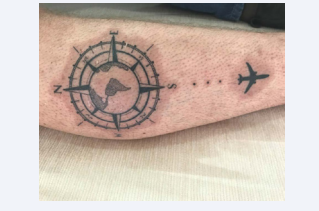
Figure 2 Fifteen days after, the patient progressed with improvement and complete lesion regression.
The patient was referred for patch test without using steroids.
DISCUSSION
Tattooing can cause side effects, which is not uncommon, as it often exposes the skin to foreign bodies that can potentially induce an inflammatory response, which can be classified as early (occurring within the first month after the tattoo) and late (occurring more than 1 month after the tattoo) [3,4]. Furthermore, the fact that the causative agent usually continues on the skin causes the associated allergic reactions to be difficult to treat; the identification of the causative allergen and pathological mechanisms involved remains a challenge currently [4].
The major manifestations of tattoo allergy are pruritus associated with localized infiltration of the tattooed skin [4]. Tattoo reactions can be cutaneous or systemic. Cutaneous injuries have different mechanisms proposed in the literature, which explains the diversity of presentations. For example, lichenoid, eczematous, psoriasiform, pseudolymphomatous, hyperkeratotic and ulcer-necrotic clinical presentations of injuries have been described. Just as reactions can be immediate, they can also occur after weeks, months, or years of tattooing. It is relevant to highlight that when systemic symptoms are associated withcutaneous reactions in tattoos, the investigation of sarcoidosis should be performed [4,5]. The fact that we often find at tattoo reaction sites increased T lymphocytes and Langerhans cells is understandable, since it is consonant with the allergic pathomechanism [5]. Data from the literature, red ink is the color that most frequently causes allergic contact dermatitis [4].
For diagnosis, it is important to make the complete history of the patient, focusing on their exposures, objective clinical examination, and punch biopsy. Microbiology testing, ultrasound scanning, and clinical photography may be necessary complements in certain cases [6]. The standard criterion for diagnosing ACD is patch testing, which serves to elucidate the allergen(s) responsible for the dermatitis. Current recommendations suggest that patients suspected of having ACD should perform this testing [2].
On the other hand, tattoo allergy can be considered an unpredictable event, and skin testing with tattoo inks prior to tattooing is not recommended due to lack of clinical benefit. In addition, regulations regarding the substances used as tattoo inks continue to be limited, and ink component information isdifficult to access. Thus, the patient with probable ACD caused by tattoo ink has a complex and difficult evaluation, because often the responsible agent is not identified [3,4]. In addition, the patch testing with the culprit ink, although recommended, is often of little benefit, because even in cases where the allergy is convincing according to clinical criteria, this test in tattoo allergies from tattoo inks and pigments is likely to produce falsely negative outcomes [6-9].
The topical treatment includes regular emollients (recommended to enhance the barrier function of the skin); topical corticosteroids (the efficacy is well documented for treating ACD) and topical calcineurin inhibitors (considered for sites prone to steroid induced atrophy with prolonged use, such as the face and neck). Although it is not known the optimum duration of topical corticosteroid therapy, the current literature recommends an initial treatment period of four to six weeks with a potent topical steroid, with subsequent review. Often, the patient will require systemic treatment, which can be done with systemic corticosteroids in the acute phase. In addition, treatment with psoralen combined with ultraviolet light (PUVA), narrow band ultraviolet B, or systemic immunomodulators (such as methotrexate, cyclosporine, or azathioprine) may be second line options for patients with chronic dermatitis unresponsive to conventional topical therapy. For symptomatic individuals with refractory dermatitis and for whom device removal is considered reasonable, may be removed [4]. Prognosis depends on the patient’s ability to avoid the allergen or irritant [1].
REFERENCES
- Rashid SR, Shim TN Shim. Contact dermatitis. BMJ. 2016.
- Mowad CM, Bryan A, Scheinman P, Pootongkam S, Nedorost S, Brod B. Allergic contact dermatitis Patient diagnosis and evaluation. J Am Acad Dermatol. 2016; 74: 1029-1040
- González IV, Silvestre JF. Diagnostic Tools to Use When We Suspect an Allergic Reaction to a Tattoo: A Proposal Based on Cases at Our Hospital. ACTAS. 2018; 109: 162-172.
- Cuyper C, Lodewick E, Schreiver I, Hesse B, Seim C, Michel HC, et al. Are metals involved in tattoo-related hypersensitivity reactions? A case report. John Wiley & Sons. 2017.
- Cobb HK, Shinohara MM, Huss JT, Welch MP, Gardner JM. Systemic contact dermatitis to a surgical implant presenting as red decorative tattoo reaction. J Am Acad Dermatol. 2017; 3: 348-350.
- Serup J, Bäumler W. Diagnosis and Therapy of Tattoo Complications. With Atlas of Illustrative Cases. Curr Probl Dermatol. 2017; 52: 42-57.
- González IV, Silvestre JF, Ocete PH. Allergic contact dermatitis caused by a black tattoo ink in a patient allergic to shellac. 2016; 75: 240-259.
- Scheman A, Jacob S, Zirwas M, Warshaw E, Nedorost S, Katta R, et al. Contact Allergy: Alternatives for the 2007 North American Contact Dermatitis Group (NACDG). Dis Mon. 2008; 54: 7-156.
- Serup J, Bäumler W. How to Diagnose and Classify Tattoo Complications in the Clinic: A System of Distinctive Patterns Diagnosis and Therapy of Tattoo Complications. With Atlas of Illustrative Cases. Curr Probl Dermatol. 2017; 52: 58-73.