Management and Attitudes towards Victims of Speech and Language Disorders – A Case of Study of Margaret Lawrence University
- 1. Department of English, Margaret Lawrence University, Nigeria
Abstract
People living with speech and language disorders are often subject to social maltreatment relative to their peers with normal speech. It features data from one-on-one interactions with students living with speech and language disorders. The data is analyzed by considering the nature of the disorder (NOD); the rate of its interference with communication (ROI); the respondent’s personal efforts at controlling the interference (PEC); perceived social attitude against the affected (PSA); response of the affected to the social attitude (RSA); the level of awareness of the cause of the disorder (AOC), and the level of awareness of clinical remedy to the disorder. Varied levels of experience are discovered after the analysis. This case study is significant for several reasons. This research shifts focus from the predominant paediatric and clinical populations and prevalence counts to examine the interrelated dimensions. The findings supply empirical grounding for advocacy aimed at reducing stigma and expanding access to speech-language services within the higher-education sector. More research in the area is recommended for wider coverage, and improved social reorientation should be pursued on a massive scale to end this negative social classification
Keywords
• Speech
• Language
• Disorders
• Communication
• Attitudes
• School
Citation
Kasimawo RS (2026) Management and Attitudes towards Victims of Speech and Language Disorders – A Case of Study of Margaret Lawrence University. JSM Health Educ Prim Health Care 7(1): 1051.
INTRODUCTION
Individuals with speech or language disorders face elevated risks of social, emotional, and academic challenges, discrimination, and relegation compared with peers who have typical speech [1,2]. Language is central to human interaction, learning, and social participation; disorders that impair its production or comprehension therefore affect well-being across multiple domains [2,4].
Speech disorders affect the production of sounds, while language disorders impair the ability to understand or express meaning (receptive, expressive, or mixed). Common manifestations relevant to educational settings include stammering/stuttering, lisping and other articulatory disorders, cluttering, and residual effects of developmental or structural issues [5-7].
In Nigeria, research has documented a shortage of speech-language pathologists and limited prevalence data, particularly outside clinical paediatric populations [8 10]. Most available studies focus on children or hospital referrals. Far less is known about the lived experiences, self management strategies, and social attitudes encountered by young adults with these disorders in higher-education environments.
This paper addresses that gap through a case study of students living with speech and language disorders at Margaret Lawrence University (MLU), Abuja campus. Drawing on one-on-one interactions, it examines the nature of the disorders, their interference with communication, personal coping efforts, perceived social attitudes, responses to those attitudes, and levels of awareness of causes and clinical remedies. The aim is to illuminate management practices and social attitudes within a university setting and to inform more supportive institutional and societal responses.
REVIEW OF RELATED LITERATURE
An Overview of Speech and Language Disorders
Speech and language disorders may be developmental, acquired, or symptomatic of structural, neurological, or sensory impairments. Articulatory disorders (e.g., lisp, difficulties with specific sounds or clusters), stammering,and cluttering are among the most frequently reported in educational contexts [5,6].
Globally, speech and language disorders affect a notable minority of children and persist into adulthood for some individuals; stuttering, for example, has a lifetime incidence around 5 % and a current prevalence near 1 % (NIDCD data cited in various reviews) [11]. In Nigeria, clinic-based studies in the North Central region (including Abuja) have shown a predominance of paediatric cases, with deaf-mutism and delayed speech development as the most common diagnoses and a male preponderance [12]. School-based surveys and reviews confirm that speech impairments are not rare among Nigerian children, yet access to specialist services remains limited [10-13].
Social attitudes toward people with these disorders are frequently negative. Research documents mockery, reduced social integration, and academic barriers in school settings [2-15]. Positive teacher support can improve acceptance, but awareness and specialist resources are often insufficient. In higher education specifically, Nigerian evidence is sparse; available accounts highlight the additional burdens faced by students who stutter or have other communication differences, including lack of institutional accommodations (recent media and small scale reports).
The present study therefore moves beyond prevalence and clinical profiles to examine self-reported experiences of university students. This includes how the disorders interfere with daily communication, how students attempt to manage them, how peers and the campus environment respond, and how aware the students themselves are of causes and possible remedies.
The Development of the Study of Speech and Language Disorders
According to Pointe et al. [16], early studies of speech and language disorders can be traced to ancient philosophers who explored language as a cognitive and social phenomenon. Some of the disorders were, however, poorly understood and often attributed to supernatural causes or moral failings. Pointe et al. [16], traces the development of these disorders to Ancient Greece by making reference to Hippocrates (460–370 BCE), who laid early groundwork for linking neurological damage to communication impairments by noting speech difficulties in patients with brain injuries. However, it was not until the Renaissance that speech and language disorders were studied systematically. Most of the treatments at this time focused on general medical or spiritual interventions [16]. Tesak & Code et al. [17], reveal that in the 19th century, there was a rise in neurology as Paul Broca et al. [18], and Carl Wernicke identified brain regions (Broca’s and Wernicke’s areas) associated with language production and comprehension while studying patients with aphasia caused by brain damage.
Their study strengthened the neurological basis for language disorders. Phrenology (now discredited) incited popular interest in brain localization; for instance, early linguists like Wilhelm von Humboldt began work on language structure, which indirectly influenced the study of language impairments [17]. Alexander Graham Bell, an educator (known for his work with the deaf), began developing methods for teaching speech to individuals with hearing impairments in Europe and the U.S. He laid the foundations for speech therapy [19,20]. The discovery of the FOXP2 gene in the 1990s, connected to language and speech impairments, provided a genetic basis for disorders like SLI [21]. This landmark spurred research interests toward molecular and genetic underpinnings.
According to Hickok & Poeppel et al. [22], technological developments like fMRI and PET scans gave room for researchers to map brain activity during language tasks, advancing the understanding of disorders like aphasia, autism spectrum disorder (ASD), and developmental apraxia of speech. Also, the rise in autism diagnoses led to increased focus on pragmatic language impairments. Helen Tager-Flusberg, for instance [23], explored communication deficits in ASD, emphasizing social language use.
There was interdisciplinary integration and further technological advancement in the 21st Century. The study of speech and language disorders assumed an interdisciplinary approach by integrating linguistics, neuroscience, psychology, and education. Collaborative research activities have led to more comprehensive models of disorders like developmental language disorder (DLD) [24]. There is also the development of sophisticated Augmentative and Alternative Communication (AAC) tools in this same era. These tools include speech-generating devices and apps that help improve communication for individuals with severe disorders [19].
Other activities that have further advanced the development of the study of speech and language disorders include: research works emphasizing early intervention (eg for children with language delays) and evidence-based therapies (programs like the Hanen Program which focus on parent-mediated interventions; increased attention to multilingualism and cultural factors that has shaped research on language disorders in diverse populations (addressing issues like bilingual language impairment); AI and machine in use to analyze speech patterns and predict disorders, enhancing early detection (e.g., automated screening for autism or aphasia); advances in genomics and neuroimaging (paving the way for tailored therapies based on individual genetic and neurological profiles) [25-27] etc.
Some Statistics on Global Prevalence of Speech and Language Disorders
Table 1 provides data on the key global prevalence statistics by disorder, type, and region. These are the data within the reach of this research.
Table 1: Global Prevalence Statistics of Speech and Language Disorders.
|
DISORDER TYPE |
PREVALENCE RANGE |
REGION/NOTES |
|
Speech and Language (General) |
7.7% (ages 3–17) |
U.S., boys (9.1%) > girls (5.2%) |
|
Speech Sound Disorders |
8–9% (young children) |
Global, 5% by first grade |
|
Language Disorders (DLD) |
7–8% (children) |
Global, 6.6–20.6% (ages 4–5), 3.4–18.9% (ages 7–11) |
|
Stuttering |
1% (current), 5% (lifetime) |
Global, boys 2–3 times > girls |
|
Voice Disorders |
3–9% (general population) |
U.S., 20–50% in teachers, 2% in children |
|
Aphasia |
2 million (current cases) |
U.S., 180,000 new cases annually |
|
Communication Disorders |
4.29% (school children) |
Ballari, South India, 1.04% speech/language |
|
Speech Delay |
27% (children under 3) |
India, higher than Western estimates |
|
Speech/Language Impairments |
16.2–21.8% (age 5) |
Ottawa-Carleton, Canada, kindergarten children |
Source: Kutest Kidset al, Tomblin et al, Beaming Health et al, NIDCD et al, Sidhu & Bhutani et al, Saraswathi et al, and Black et al [28-34].
Key Prevalence Statistics in Abuja and North Central Nigeria
According to Nwosu et al. [10], several works have investigated the prevalence of speech and language disorders in developed countries. He [10] avers that Nigeria needs prevalence studies that will compare the number of individuals with speech and language disorders with the total population within a given area. According to him, there is insufficient information on the prevalence of speech and language disorders among children within the school system in Nigeria. Ayo-Aderele et al. [8], and Nwanze et al. [9], say that there is a shortage of speech and language pathologists in Nigeria.
Aremu et al. [12], however, make available some statistics revealing that a five-year retrospective review (2005–2009) of referrals to the speech and language therapy unit at the ENT Department in North Central Nigeria reported 146 patients with speech and language disorders. Of these, 61% were under 5 years, 21.9% were aged 5–10 years, 13.7% were 11–20 years, and 1.4% were 21–34 years, with no cases observed in the elderly. The most common diagnosis was deaf-mutism (57.5%), followed by delayed speech development (21.2%). Aphasia was the least common, at 1.4%. Male preponderance was noted, with a male-to-female ratio of 1.9:1, consistent with global trends where boys are more affected by disorders like stuttering.
Research on deaf communities in Abuja highlights that over 75% of childhood deafness is caused by preventable illnesses (e.g., meningitis, measles) during critical developmental years (0–5 years), contributing to speech and language disorders like deaf-mutism [35]. These disorders are recognized as significant public health concerns, particularly among children, as they impact their education and social integration and have long term outcomes [10]. Abuja’s diverse population, including various ethnic and linguistic groups, compounded by limited access to specialized services and cultural factors influencing awareness and stigma, adds complexity to the diagnosis and intervention in speech and language disorder cases [10-35]. Specific data on speech and language disorders in Abuja are scarce. However, some key information from studies conducted in North Central Nigeria, including Abuja, helps provide critical insights. Based on available data, the following disorders are prominent in Abuja and North Central Nigeria:
1. Deaf-Mutism (57.5%) – resulting in severe communication challenges, as affected children lack access to spoken language and often face delays in sign language exposure due to low parental signing proficiency [12-35].
2. Delayed Speech Development (21.2%): This is common in children under 5. It is associated with environmental factors (eg limited linguistic input), socioeconomic challenges, and lack of early intervention programs. In Abuja, cultural practices and late school starts for deaf children exacerbate this issue [35].
3. Stuttering: Specific data on the prevalence of stuttering in Abuja is not readily available [31]. NIDCD et al. [31], provides a global estimate that suggests that 1% of the population stutters, with a higher prevalence in boys.
4. Aphasia (1.4%): According to Aremu et al. [12], aphasia has a low rate of prevalence in the North Central Nigeria study, reflecting the focus on pediatric cases. Conditions like childhood apraxia of speech (CAS) and voice disorders are also less documented in Abuja but are globally estimated at 1–2 per 1,000 for CAS and 3–9% for voice disorders [36].
A Review of Literature on Speech and Language Disorders in Nigeria
Most of the existing work on this subject in Nigeria is limited in scope and population. For instance, Aremu et al. [12], is predominantly paediatric and clinic-based. They analyzed 146 referrals to a speech-and-language unit in North Central Nigeria (including Abuja). The sample presents young children (61 % under 5 years); deaf-mutism (57.5 %) and delayed speech development (21.2 %) dominated; adults and university-age individuals were almost absent. A similar clinic or hospital review by Somefun et al. [13], reinforces the child-focused, medical epidemiological emphasis. Nwosu [10], studied the prevalence and service gap. He highlights the scarcity of population-level data and the severe shortage of speech language pathologists. School-based surveys (recent multi state work identifying stuttering, misarticulations, and related cases among children) exist but remain focused on identification rather than lived experience.
This research, however, differs from existing works within reach as it studies a different population and setting. It examines young adults enrolled in a private university rather than clinic-referred children. This shifts the lens from early identification/intervention to ongoing management and social navigation in higher education. It also differs in methodological and thematic focus.
Social Attitude Towards People with Speech and Language Disorders
Research has it that both children, youths, and adults with speech, language and hearing disorders are usually adjudged more negatively than peers without speech disorders [14,15]; they experience negative social consequences [1-40]. They are at a greater risk for social challenges [1]. They often face an increased risk of social, emotional, and/or academic challenges and discrimination relative to their peers with typical speech [2].
Regarding the school setting, Kiogora et al. [14], explains that one of the challenges experienced in the school environment by people living with speech and language disorders often includes a lack of worry-free social integration. He notes that there are also challenges for their parents and teachers in meeting these children’s developmental and educational needs. According to him, these challenges centre on the need for specific expertise in the school setting and access to professional services to support these students’ engagement in the learning and social environments of school in which they find themselves. According to findings, Hitchcock, Harel & Byun et al. [2], explain that a large number of parents of students with speech and language disorders express frustration that their children’s speech deficits were deemed ineligible for treatment in the school setting due to a lack of impact on academic performance. From a more subjective perspective [2], the parents believed that a child with speech and language challenges could exhibit strong academic performance despite having speech disorders. Hategekimana & Gratien et al. [6], are also of the opinion that they are not given proper support to help them learn and succeed in their educational journeys due to these communication deficiencies. Hitchcock, Harel & Byun et al. [2], conclude that there is a clear need for follow-up research based on their findings using a refined questionnaire and a larger sample size.
Attitudes towards this category of learners range from positive and supportive to negative and exclusionary. These attitudes are influenced by factors such as the severity of the disorder, the age and maturity of the individuals involved, and the level of education and awareness about communication differences [14-41]. Pistav, Kayhan & Akmese et al. [41], conclude that positive support from teachers increases social acceptance of students with speech and language disorders in their classrooms. The severity of the speech or language disorder can, however, influence social attitudes, and a rather severe disorder may lead to more negative social reactions. Promoting positive social attitudes towards individuals with speech and language disorders in the school environment requires a multi-faceted approach that includes education, support, and awareness-raising efforts for both teachers and students [14-42].
METHODOLOGY
This paper features data from field-based one-on one interactions with fifteen respondents (students) living with a speech and language disorder at Margaret Lawrence University, Abuja campus. Twelve of these students gave usable responses, while three did not. Each respondent voluntarily shared relevant experience. Personal information of the respondents is not presented in this work for confidentiality to uphold research ethics [43,44]. The data analysis is done in tabular form for easier presentation and accessibility.
Analytical Procedure and Coding
This study employed an original analytical framework, termed the SPEAR Framework (Speech-disorder Personal efforts, Experience of interference, Attitudes & Responses) – developed from insights from the affective–behavioural cognitive (ABC) models of stuttering and related communication disorders [45,46], and the objectives of this research. The framework comprises seven interrelated dimensions developed specifically for the systematic analysis of the qualitative data: (1) the nature of the disorder (NOD); (2) the rate of interference with communication or severity (ROI); (3) personal efforts at controlling the speech organ concerned for clearer communication (PEC); (4) perceived social attitude resulting from the disorder (PSA); (5) response to the perceived social attitude (RSA); (6) awareness of the cause of the disorder (AOC); and (7) awareness of clinical remedy (ACR). These dimensions were used to code and organize the one-on one interview data. While each dimension resonates with established constructs in the communication-disorders and disability literature (including elements of the WHO International Classification of Functioning, Disability and Health), their integrated application provides a structured lens for examining how university students experience, manage, and respond to speech and language disorders within a Nigerian higher-education context. The analysis is presented below.
Data Analysis: This is presented in Table 2 below.
Table 2: Presentation and Analysis of Data
|
Sn |
|
NOD |
ROI |
PEC |
PSA |
RSA |
AOC |
ACR |
|
1 |
Respondent 1 |
Stammering |
Not often, only when talking fast |
Keeps quiet most of the time or talks slowly. |
Negative: mockery. |
Gets angry and sad. |
Not aware. |
Not aware. |
|
2 |
Respondent 2 |
Articulatory disorders: lisp and stammering |
Stammers occasionally, especially when in a state of panic or when angry. This articulatory disorder is usually minimal in rapid speech. |
Talks slowly. Rushes over words with /s/ to avoid obvious wrong articulation. |
Negative. |
Gets extra careful. |
Not aware. |
Not aware. |
|
3 |
Respondent 3 |
Articulatory disorder: lisp |
Not glaring in rapid speech – not often |
Rushes over words with /s/ to avoid obvious wrong articulation. |
Negative. |
Cares less |
Not aware. |
Not aware. |
|
4 |
Respondent 4 |
Articulatory disorder: bilabial sounds and labial sounds |
Always. |
Avoids much talk. |
Not quite glaring. |
Cares less |
Aware. One side of the lips is flatter. |
Not aware. |
|
5 |
Respondent 5 |
Cluttering. |
Always. |
Taps, jerks, and struggles to let out words. |
Negative: laughter and mockery. |
FFeels ashamed and fights back. |
Aware – mimicking of a stammerer at a much younger age. |
Not aware. |
|
6 |
Respondent 6 |
Articulatory disorder: velar clusters |
Always. |
Retries, changes the word, or avoids talking, especially in public. |
Negative: laughter and mockery. |
Gets angry. |
Not aware. |
Not aware. |
|
7 |
Respondent 7 |
Articulatory disorder: Lisp |
Always. |
Struggles. |
Negative: laughter and mockery. |
Gets angry. |
Aware – clinical negligence at a younger age. |
Aware. |
|
8 |
Respondent 8 |
Articulatory disorder: lisp, /t/ /f/ |
Always. |
Struggles. |
Not noticed. |
Not applicable. |
Not aware. |
Not aware. |
|
9 |
Respondent 9 |
Articulatory disorder: lisp, /r/ /t?/ |
In spontaneous speech, but often well in isolation. |
Avoids talking, especially in public. |
Negative: laughter and mockery. |
Fights back. |
Aware. |
Use of braces, but scared to try it. |
|
10 |
Respondent 10 |
Articulatory disorder: all sounds |
Always. |
Struggles. Talks slowly. |
Not aware. |
None. |
Aware - overbite |
Yes. On braces already. |
|
11 |
Respondent 11 |
Articulatory disorder: /r/ |
Always. |
Gets it right when mind is put to it. |
Not aware. |
None. |
Not aware. |
Not aware. |
|
12 |
Respondent 12 |
Articulatory disorder: lisp, /r/ /t?/ /?/ /d/ /?/ |
Always. |
Struggles. Talks slowly. Avoids talking, especially in public. |
Negative: laughter and mockery. |
Feels bad. Avoids them. |
Aware: slight tongue twist. |
Not aware. |
Source: Personal interaction with respondents
RESULTS/FINDINGS
Nature of Disorder (NOD)
From the analysis, in the disorder column, NOD, the twelve respondents experience various articulatory disorders. One stammers (Respondents 1 and 2) and has a lisp; another one clutters (Respondent 5); and one has one side of the lips flatter than the other side, leading to challenges in articulating bilabial sounds accurately (Respondent 4). Six experience a lisp (Respondent 2, 3, 7, 8, 9, and 12). One experiences disorders in the articulation of velar clusters (Respondent 6). Other articulatory disorders found include difficulties in the articulation of /r/,/t?/ /?/,/?/, /d/, /t/, and /f/ experienced by four of the respondents, as varied in the analysis (Respondents 8, 9, 11, and 12). (Figure 1).

Figure 1: A Radial Cycle showing the Nature of Disorder.
Rate of Interference (with communication), ROI
In the rate of interference with communication, ROI column, Respondents 1, 2, 3, and 9 do not experience the effect of their disorder often. However, Respondents 4, 5, 6, 7, 8, 10, 11, and 12 experience this effect always. Respondents who experience the interference in their communication often constitute 67%, while those whose experience of the interference is not often constitute 33%. (Figure 2).
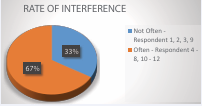
Figure 2: A 3-D Pie Chart showing the percentage of the rate of communication interference.
Personal Efforts at Controlling (the Concerned Organ), PEC
In the PEC column (personal efforts at controlling (PEC) the speech organ concerned for clearer communication), the predominant personal efforts are summarized under two options: to avoid talking or struggling ahead. Some respondents try both, while some try either. Respondents 1 – 4, 6, 9, 10, and 12 avoid talking. Respondents 2, 10, and 12 try both; 5, 7, 8, and 11 struggle ahead; 7- 8, 10, and 12 avoid talking. The choice of each is 66.7%, whereas those who chose both constitute 33.3%. (Figure 3).
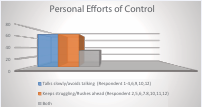
Figure 3: A 3-D clustered column showing the percentage of personal efforts of each respondent.
Perceived Social Attitude, PSA
In the PSA column (perceived social attitude resulting from the disorder, the predominant perceived social attitude resulting from the disorder towards the respondents is summarized under two options: negative or not aware. Respondents 1, 5, 6, 7, 9, and 12 said theirs was negative, while Respondents 2, 3, 4, 8, 11, and 10 said they were not aware. Those who experienced negative social responses because of their speech disorder constitute 67.7% of the total respondents, while those who responded ‘not aware’ constitute 33.3%. (Figure 4).
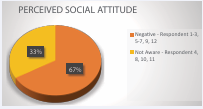
Figure 4: A 3-D Pie Chart showing the percentage of perceived social attitude.
Response to the Perceived Social Attitude (RSA)
In the RSA column (response to the perceived social attitude resulting from the disorder, the predominant responses from the respondents are summarized under three options: gets angry/sad, fights back, and does nothing. Respondents 1, 2, 6, 7, and 12 get angry and sad, while Respondents 3, 4, 5, and 9 fight back, and Respondents 8, 10, and 11 do nothing. Those that get angry and sad constitute 67.7% of the total respondents, while those that responded ‘not aware’ constitute 33.3%. (Figure 5 above).

Figure 5: A 3-D Pie Chart showing the percentage of responses to perceived social attitude.
Awareness of the Cause, AOC
In the AOC column (awareness of the cause of the disorder), the predominant responses from the respondents are summarized as aware and not aware, respectively. Respondents 4, 5, 7, 9, 10, and 12 are aware of the cause of their speech disorders, while Respondents 1, 2, 3, 6, 8, and 11 are not aware. Those who are aware of the cause constitute 50% of the total respondents, and those not aware of the cause also constitute 50% of the total respondents. (Figure 6).

Figure 6: A 3-D Pie Chart showing the percentage of awareness of the cause of the disorders.
Awareness of Clinical Remedy, ACR
In the AOC column (awareness of the cause of the disorder), the predominant responses from the respondents are summarized as aware and not aware, respectively. Respondents 7, 9, and 10 are aware of clinical remedies for their speech disorders, while Respondents 1 – 6, 8, 11, and 12 are not aware of any remedies. Those who are aware of clinical remedies constitute 25% of the total respondents, while those who are not aware constitute 75% of the total respondents. (Figure 7).
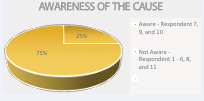
Figure 7: A 3-D Pie Chart showing the percentage of awareness of clinical remedies.
DISCUSSION OF THE RESULTS/FINDINGS
The findings from the twelve respondents reveal a consistent pattern of articulatory speech disorders (primarily lisps, difficulties with specific consonants and clusters (/r/, /t?/, /?/, bilabial and velar sounds), stammering, and cluttering) whose interference with communication is frequent for the majority of participants. Two-thirds of the students reported that the disorder interferes with communication “always,” while the remainder experience interference mainly under conditions of rapid speech, anxiety, or anger. This aligns with broader literature showing that residual articulatory errors and fluency disorders continue to affect intelligibility and communicative confidence well into adolescence and early adulthood [1,2].
Personal coping strategies centre on two poles:avoidance of speaking situations (especially public or classroom settings) and deliberate effort to slow speech, substitute words, or push through the difficulty. Avoidance was the dominant strategy. While such tactics may temporarily reduce embarrassment, they also limit academic participation, peer interaction, and the development of communicative resilience—outcomes repeatedly documented in studies of students with communication disorders [14-40].
Perceived social attitudes were predominantly negative. Half of the respondents explicitly reported mockery and laughter from peers; others indicated that the disorder was either not noticed or not commented upon. Emotional and behavioural responses ranged from anger and sadness to fighting back or withdrawal. These reactions corroborate earlier findings that negative peer attitudes contribute to social exclusion, lowered self-esteem, and reduced classroom engagement [15-37]. Importantly, the present data add a higher-education dimension rarely examined in the Nigerian literature: university students actively choose seclusion as a protective strategy, thereby compounding academic and social isolation.
Awareness levels further illuminate the management gap. Only half of the respondents could identify a plausible cause of their disorder, and a mere 25 % were aware of any clinical remedy (with only one student already using braces). This low awareness of available interventions mirrors the well-documented shortage of speech language pathologists in Nigeria and the limited public knowledge of the profession [8-10]. In a university setting, where academic performance and future professional communication are at stake, such limited knowledge represents a significant missed opportunity for timely support.
Significance of the Results/Findings
This case study is significant for several reasons. This research shifts focus from the predominant paediatric and clinical populations that characterize most Nigerian speech-and-language literature [12,13], to students – an almost invisible demographic in local scholarship. Also, it moves beyond prevalence counts to examine the interrelated dimensions of disorder nature, communicative interference, personal coping, social attitudes, emotional responses, and awareness of causes and remedies. Also, by situating the inquiry in a university, the study provides context-specific evidence that can inform institutional policy at university level and comparable institutions. The findings supply empirical grounding for advocacy aimed at reducing stigma and expanding access to speech-language services within the higher-education sector.
Implications of the Results/Findings
From the findings, it is obvious that social attitudes towards people living with speech and language disorders in school environments are rather negative. These attitudes are discouraging as they often make the recipients sad, ashamed, and annoyed. The recipients see themselves as unworthy of public attention and hearing. It fosters demoralization and a sense of social mockery and rejection. The findings of this research further validate existing research findings [1-59], and adds the decision of seclusion by the recipients of these negative attitudes. Most of the students living with speech disorders are not aware of the available clinical remedies. Our society especially needs more orientation on how to relate with people with speech disorders towards bringing out the best in them instead of making them feel like social rejects.
The results carry implications at individual, institutional, and societal levels. For the students themselves, persistent avoidance and negative emotional responses risk undermining academic participation, peer relationships, and long-term communicative confidence. For the university, the presence of unaddressed speech disorders and the reported mockery signal a need for disability-inclusive campus culture, staff training, and accessible support services. At the broader societal level, the low awareness of clinical remedies among affected young adults reinforces the national shortage of speech language pathologists and the limited public orientation on communication differences. If left unaddressed, these patterns perpetuate cycles of social exclusion and under realized human potential, contrary to inclusive education goals, and the university’s own mission of empowering students of varying abilities.
CONCLUSION AND RECOMMENDATIONS
This study has unraveled delicate situations that require possible urgent help, not just for the concerned students, but also for similar students at other related institutions. Awareness of both causes and clinical remedies are alarmingly limited. These findings confirm and extend earlier Nigerian research by illuminating the higher-education experience. Negative social attitudes and insufficient support structures risk converting manageable communication differences into enduring barriers to academic, social participation, national peace and security, and world peace at large. Concerted action by the university, relevant federal ministries, professional associations, and international partners is required to foster a more inclusive campu s environment, expand access to speech-language services, and promote widespread social reorientation. Only through such multi-level efforts can students with speech and language disorders realize their full potential within the university community and beyond.
This research therefore calls for possible supports for these students – both national and international supports. It recommends that universities should establish a confidential speech and communication support desk or partner with external speech-language therapists for periodic campus-based screening and therapy. Also, they are encouraged to integrate short awareness modules on communication differences into orientation programmes for both students and staff. They should also train academic staff in inclusive classroom practices (for instance, allowing extra time for oral contributions, alternative assessment formats, and zero-tolerance policies for mockery). More recommendations are as follow:
1. National policy and service expansion:
a. The Federal Ministry of Education and the National Universities Commission (NUC) should require all universities to include speech and language support within their disability inclusion frameworks.
b. The Federal Ministry of Health, in collaboration with the Speech Pathologists and Audiologists Association of Nigeria (SPAAN), should accelerate the training and deployment of speech-language pathologists, including the creation of university linked clinics.
c. Public orientation campaigns on speech and language disorders should be mounted through the National Orientation Agency and the Federal Ministry of Information and National Orientation.
2. Foreign assistance and funding support:
a. The Federal Ministry of Education and Federal Ministry of Health should actively seek technical and financial partnerships with the World Health Organization (WHO), UNESCO, and UNICEF under existing disability inclusion and inclusive education programmes.
b. Bilateral support can be pursued from the United States Agency for International Development (USAID), the UK Foreign, Commonwealth & Development Office (FCDO), and the Japan International Cooperation Agency (JICA), all of which have prior engagement in Nigerian health and education sectors.
c. Professional capacity-building partnerships should be explored with the American Speech-Language Hearing Association (ASHA) and the International Association of Logopedics and Phoniatrics (IALP) for curriculum development, telepractice models, and short-term training of Nigerian clinicians and university disability officers.
3. Further research:
a. Larger multi-university studies employing mixed methods are needed to establish the prevalence and psychosocial impact of speech and language disorders among Nigerian undergraduates.
b. Longitudinal research tracking the academic and employment outcomes of students with these disorders would strengthen the evidence base for policy.
c. Intervention studies testing campus-based awareness programmes and low-cost therapy models are particularly recommended.
REFERENCES
- Connaghan KP, Baylor C, Romanczyk M, Rickwood J, Bedell G. Communication and Social Interaction Experiences of Youths with Congenital Motor Speech Disorders. Am J Speech Lang Pathol. 2022; 31: 2609-2627.
- Hitchcock ER, Harel D, Byun TM. Social, Emotional, and Academic Impact of Residual Speech Errors in School-Aged Children: A Survey Study. Semin Speech Lang. 2015; 36: 283-294.
- Thakur SK, Kale A B, Swami TY. Classification of Speech Disorders. World J Pharmaceutical and Med Res. 2023; 9: 55-58.
- Crystal D, Alan C L Y. A Dictionary of Linguistics and Phonetics. (7th ed.) Wiley-Blackwell. 2023.
- Arnold G E. Speech disorder. Encyclopedia Britannica. 2025.
- Cummings L. Speech and language therapy: A primer. Cambridge University Press. 2018.
- Eske J. What are speech disorders? 2023.
- Ayo-Aderele S. Nigeria has only 300 speech pathologists, audiologists – Ademokoya.Punch. 2013.
- Nwanze, H. Spoken language in Nigerian children with features of Autism. British J Humanities Social Sci. 2013; 8: 1-6.
- Nwosu N. Systemic review of the prevalence of speech and language disorders in Nigeria. Int J Humanities Social Sci. 2015; 5: 130-133.
- National Institute on Deafness and Other Communication Disorders (NIDCD). Speech and Language Developmental Milestones. 2023.
- Aremu SK, Afolabi OA, Alabi BS, Elemunkan IO. Epidemilogical profile of speech and language disorder in north central Nigeria. Int J Biomed Sci. 2011; 7: 268-272.
- Somefun A, Nwawolo CC, Okeowo PA, Ogban LU, Akanmu AS, Okanny CC, et al. Otorhinolaryngological manifestations of HIV/AIDS in Lagos. Niger Postgrad Med J. 2001; 8: 170-174.
- Kiogora, N. Children with speech and language disorders. Int Acad J Arts and Humanities (IAJAH). 2021; 1: 360-376.
- Alighieri C, Haeghebaert Y, Bettens K, Kissel I, D’haeseleer E, Meerschman I, et al. Peer attitudes towards adolescents with speech disorders due to cleft lip and palate. Int J Pediatr Otorhinolaryngol. 2023; 165: 111447.
- Pointe LL. A history of aphasia: From ancient times to the 19th century. Perspectives on Neurophysiology and Neurogenic Speech and Language Disorders. 2013; 23: 48–55.
- Tesak J, Code C. Milestones in the history of aphasia: Theories and protagonists. Psychology Press. 2008.
- Paul R, Norbury C F. Language disorders from infancy through adolescence: listening, speaking, reading, writing, and communicating (4th ed.). Elsevier. 2012.
- Beukelman D R, Mirenda P. Augmentative and Alternative Communication: Supporting Children and Adults with Complex Communication Needs. Paul H. Brookes Publishing. 2013.
- Duchan J F. A History of Speech-Language Pathology in the United States. 2011.
- Fisher SE, Scharff C. FOXP2 as a molecular window into speech and language. Trends Genet. 2009; 25: 166-177.
- Hickok G, Poeppel D. The cortical organization of speech processing. Nat Rev Neurosci. 2007; 8: 393-402.
- Tager-Flusberg H, Paul R, Lord C. Language and communication in autism. Handbook of Autism and Pervasive Developmental Disorders.
- Bishop DVM. Why is it so hard to reach agreement on terminology? The case of developmental language disorder (DLD). Int J Lang Commun Disord. 2017; 52: 671-680.
- Girolametto L, Weitzman E. It takes two to talk: The Hanen program for parents. In Treatment of Language Disorders in Children. Paul H. Brookes Publishing.2006. 77-103.
- Hoff E. The specificity of environmental influence: socioeconomic status affects early vocabulary development via maternal speech. Child Dev. 2003; 74: 1368-1378.
- Morgan AT, Vogel AP. Intervention for childhood apraxia of speech. Cochrane Database of Systematic Reviews. 2008; 1.
- Kutest Kids. Statistics on speech and language disorders. 2024.
- Tomblin JB, Records NL, Buckwalter P, Zhang X, Smith E, O’Brien M. Prevalence of specific language impairment in kindergarten children. J Speech Lang Hear Res. 1997; 40: 1245-1260.
- Beaming Health. Speech therapy statistics 2025: How common are communication disorders and how well does speech therapy work? 2025.
- National Institute on Deafness and Other Communication Disorders (NIDCD). (2025). Quick statistics about voice, speech, language.
- Sidhu P, Bhutani G. Prevalence and risk factors of speech and language delay in children less than three years of age. J Comprehensive Pediatrics. 2016.
- Mashrur FR, Roy AD, Chhoan AP, Sarker S, Saha A, Hasan SMN, et al. Impact of demographic, environmental, socioeconomic, and government intervention on the spreading of COVID-19. Clin Epidemiol Glob Health. 2021; 12: 100811.
- Black LI, Vahratian A, Hoffman HJ. Communication disorders and use of intervention services among children aged 3–17 Years: United States, 2012. NCHS Data Brief, (205). 2015.
- Asonye E, Emma-Asonye E, Edward M. The right to language of an African deaf child: The Nigerian case. J Comprehensive Pediatrics. 2018.
- American Speech-Language-Hearing Association (ASHA). Aphasia. 2023.
- Batten G, Oakes PM, Alexander T. Factors associated with social interactions between deaf children and their hearing peers: A systematic literature review. J Deaf Studies and Deaf Education. 2014; 19: 285-302.
- Durkin K, Conti-Ramsden G. Young people with specific language impairment: A review of social and emotional functioning in adolescence. Child Language Teaching Therap. 2010; 26: 105-121.
- McCormack J, McLeod S, McAllister L, Harrison LJ. A systematic review of the association between speech impairment and participation across the lifespan. Int J Speech-Language Pathol. 2009; 11: 155-170.
- Rusiewicz HL, Maize K, Ptakowski T. Parental experiences and perceptions related to childhood apraxia of speech: Focus on functional implications. Int J Speech-Language Pathol. 2018; 20: 569-580.
- Pistav A, Kayhan N, Akmese A. Teachers’ perspectives on the difficulties they experience with students who stutter, and educational regulations. South Afr J Education. 2024; 44: 1-9
- Hategekimana A, Gratien T. Speech and language disorders in English language learners: Current situation and the future trend. Int J Res Innovation in Social Sci. 2024; 8: 2742-2753.
- Bhandari P. Ethical considerations in research | types & examples. Scribbr. 2024.
- Kang E, Hwang H. The importance of anonymity and confidentiality for conducting survey research. J Res Publication Ethics. 2023; 4: 1-7
- Tichenor SE, Yaruss JS. A phenomenological analysis of the experience of stuttering. Am J Speech-Language Pathol. 2018; 27: 1180-1194.
- Tichenor SE, Yaruss JS. Stuttering as defined by adults who stutter. J Speech Language Hearing Res. 2019; 62: 4356-4369.
- Banu LAM, Saad T, Hossain K, Hossain A. Speech Language Disorder in Children: An Overview. J Comilla Medical College Teachers’ Association. 2023; 27: 75-82.
- Bishop DV. Ten questions about terminology for children with unexplained language problems. Int J Lang Commun Disord. 2014; 49: 381-415.
- Calonge N, Petitti DB, DeWitt TG, Gordis L, Gregory KD, Harris R, et al. Screening for speech and language delay in preschool children: Recommendation statement US Preventive Services Task Force. Pediatrics, 2006; 117: 497-501.
- Cummings L. Communication Disorders. Palgrave Macmillan. 2014.
- Igiri OT. The relationship between language and national development. J Resource-fulness and Distinction. 2017; 14: 1-6.
- Kuhl PK. Brain mechanisms in early language acquisition. Neuron. 2010; 67: 713-727.
- McLeod S, Goldstein BA. (Eds.). Multilingual aspects of speech sound disorders in children. Multilingual Matters. 2012.
- Nicholas E, Stephen L. The myth of language universals: Language diversity and its importance for cognitive science. Behav Brain Sci. 2009; 32: 429-492.
- Nnamdi-Eruchalu GI. A critical discourse analysis of Muhammad Buhari’s inaugural speeches with a focus on pronouns. Int J Literature, Language and Linguistics. 2017; 4: 156-164.
- Nnamdi-Eruchalu GI. Lecture Notes on ENG 942: Language therapy and national development. Department of English and Literature. Nnamdi Azikiwe University. 2025.
- Jijo PM, Sreerajb K, Sandhyaa K, Preethib M, Rashmic P. Prevalence and causes of communication disorders- A retrospective study from northern Karnataka. Clinical Epidemiology and Global Health. 2019; 8: 138-141
- Werge O. Understanding language disorders: Causes, types, and treatment approaches. Short Communication. 2023; 13: 6-12
- Yorkston KM, Beukelman DR, Traynor CD. Management of motor speech disorders in children and adults (3rd ed.). PRO-ED. 2010.