The Impact of Vitamin E Supplement on Hematological and Productive, Reproductive Performance of Ewes and Lambs: A Systematic Review and Meta Analysis
- 1. Department of Animal Health, Behavior and Welfare, Harper Adams University, UK
Abstract
Vitamin E is one of the important lipid-soluble antioxidants which help in the protection of the cellular membranes, boosting immunity and promoting reproductive and metabolic activities in small ruminants. Hematological stability, productive performance and reproductive efficiency in sheep may be adversely impacted by oxidative stress in critical physiological periods, including pregnancy, lactation, and breeding. The current research was designed to critically review and quantitatively integrate the impact of vitamin E supplementation on hematological parameters, productive traits and reproductive performance of ewes and lambs. The extensive literature search was performed with the help of large scientific databases to determine the controlled experimental studies which evaluated dietary or injectable vitamin E supplementation, separately or with selenium. The eligible studies were filtered based on the pre-defined inclusion criteria and data on relevant data was extracted to be used in the meta-analysis. Appropriate statistical models were used to calculate pooled effect sizes and test the heterogeneity of studies. The findings indicated that the supplementation of vitamin E had a significant effect on the improvement of the most significant hematological indices, productive performance, and positive effect on reproductive performance, such as the conception rate, lambing performance, and offspring viability. The variability of the studies was mainly explained by Dose, stage of physiological, supplementation strategy, and breed. In general, the results validate the hypothesis that vitamin E supplementation can be an effective nutritional intervention to enhance health, productivity and reproductive efficiency in sheep, especially when the animals are subjected to environmental factors that lead to elevated oxidative stress.
Keywords
• Vitamin E
• Antioxidants
• Sheep
• Ewes
• Lambs
• Reproductive performance
• Hematological parameters
• Productive traits
• Selenium
• Meta-analysis
Citation
Kafi A (2026) The Impact of Vitamin E Supplement on Hematological and Productive, Reproductive Performance of Ewes and Lambs: A Sys tematic Review and Meta-Analysis. JSM Sexual Med 10(1): 1176.
INTRODUCTION
Vitamin E is a fat soluble antioxidant that is essential in the prevention of oxidative damage in cellular membranes, preservation of immune competence as well as normal reproductive and metabolic processes in livestock. Oxidative stress is one of the key restrictive elements on hematological stability, productive performance, and reproductive performance of small ruminants especially during physiologically hindering periods like late pregnancy, early lactation, growth, and breeding. As a result, there has been a growing interest in the use of nutritional strategies that involve antioxidant supplementation as a method of enhancing the health and production performance of animals. Vitamin E is one of the most studied antioxidants because it is able to counteract lipid peroxides, stimulate immune response and has been shown to act as a synergist to other micronutrients, especially selenium. It has been proven through experiments that the metabolic status, reproductive indices, and general performance of ewes are positively affected by vitamin E supplementation, particularly, when supplement is applied during the most vital physiological stages [1,2]. Likewise, it has been demonstrated that prenatal supplementation lowers the rate of stillbirth and improves the viability of the lambs, which underscores the significance of proper supply of antioxidants during pregnancy to the developing fetus and the survival of the newborn babies [2]. Hematological and biochemical advantages of using vitamin E supplement have also been reported in sheep. Graided doses of vitamin E have been shown to improve hemoglobin concentration, red and white blood cells, and antioxidants enzymes activity, which is an indication of better oxygen transport capacity and immune defense [3]. Pregnatal Awassi ewes fed with a combination of vitamin E and selenium supplements showed considerable enhancement in hematological, biochemical, and productive variables and may indicate a protective effect of vitamin-selenium supplementation against gestational oxidative stress [4]. The reproductive domain is one of the most sensitive areas of physiological system to the vitamin E supplementation. Several studies have demonstrated the improved estrus response, conception rate, lambing rate, and litter performance after the administration of vitamin E dietarily, or injectable, alone or combined with selenium [5,6]. This is attributed to the enhanced functioning of the ovaries and the synthesis of steroid hormones as well as safeguarding against oxidative damage of reproductive tissues. Regarding a mechanistic viewpoint, antioxidants, including vitamin E, alter reproductive performance by molecular mechanisms of cellular signaling, gene transcription, and endocrine supporting actions [7]. Besides reproductive effects, vitamin E supplementation has been also linked to the enhancements in productive performance as well as metabolic resilience. The improved growth, milk production, and biochemical stability of ewes and lambs have been observed in studies showing an improvement in nutritional or environmental stress conditions when antioxidant supplementation was added to the diet [1,8]. Similar positive effects were also observed in other ruminants, such as dairy cows, where mixed vitamin E and selenium supplementation positively influenced antioxidant status, disease occurrence and economic gain, suggesting a greater diversity of application of antioxidant-based nutritional approaches [9]. The health and performance of the offspring are dependent on the maternal nutrition. Sufficiency in antioxidant consumption during gestation has been illustrated to raise the antioxidant condition, immune service, and micronutrient provisions of lamb offspring, which, in turn, can improve the early-life resilience and growth potential [10]. These interactions between the mother and the offspring highlight the long-term effects of the vitamin E supplementation rather than immediate production effects. Although the accumulating experimental evidence, there is still mixed results on the FTs of vitamin E on the hematological, productive, and reproductive characteristics of ewes and lambs. The discrepancies in the dose of supplementation used, duration, physiological stage, animal breed, and interaction with other micronutrients lead to differences in the conclusions of the studies. Moreover, unlike narrative reviews, which have reported about the biological roles of antioxidants in sheep [7], a quantitative synthesis that has combined recent experimental data is scarce. Hence, the given research was implemented as a methodical review and meta-analysis in order to estimate quantitatively the impact of the vitamin E supplementation on the hematological parameters, productive performance, and reproductive outcomes in both ewes and lambs. This study synthesized findings on evidence of the last 10 years of control experimental studies which had been published in order to get strong pooled estimates, sources of heterogeneity and elucidate the practical relevance of vitamin E supplementation in sheep production systems.
METHODOLOGY
Data Collection
The data were gathered in a transparent and systematic way with PRISMA 2020 guidelines. The electronic search was conducted in five large scientific databases PubMed, Scopus, Web of Science, ScienceDirect, and Google Scholar. The search included publications that were published in January 2015 and March 2025 in order to consider the latest and up-to-date experimental evidence on the use of vitamin E supplements in ewes and lambs. The first search on the database returned 612 records that included 148 (24.2) records in PubMed, 132 (21.6) in Scopus, 104 (17.0) in Web of Science, 96 (15.7) in ScienceDirect, and 132 (21.6) in Google Scholar. After the erasure of duplicate records (30.1%), 428 distinct studies (69.9) were left to undergo further screening. The remaining records went through title and abstract screening, which saw them drop 331 (77.3) studies as irrelevant to the research question. The most common reasons of exclusion at this phase were studies which were carried out on other species than sheep (41.4%), a lack of vitamin E supplementation (26.3%), observational or non-experimental design (18.1%), review articles or conference abstracts (14.2%). As a result, the potential eligibility of 97 articles (22.7) was identified and these underwent a full-text evaluation. The evaluation based on full-text eliminated 72 articles (74.2%). The most frequently used causes of exclusion were the unavailability of sufficient quantitative data to calculate the effect size (36.1) and absence of an unsupplemented control group (27.8), combined interventions and the inability to isolate the effect of vitamin E (19.4) and non-English language publications (16.7). Consequently, 25 articles (25.8% of the full-text articles that were assessed) met all the inclusion criteria and were incorporated in the final systematic review. Among the 25 included studies, 12 studies (48.0%), had adequate numerical data and homogeneity of the outcomes which could be incorporated to the quantitative meta-analysis, whereas the rest of the 13 (52.0) studies would only be incorporated to the qualitative synthesis. The proportion of studies quantitatively analyzed was 58.3 percent assessed reproductive performance traits, 41.7 percent assessed hematological and biochemical parameters, as well as 33.3 percent reported productive performance measures including growth rate, milk yield, or lamb survival (some of the studies had more than one outcome measure). Concerning the types of animals, 16 studies (64.0%) involved ewes and 5 studies (20.0%) only lambs, and 4 studies (16.0%) considered both ewes and their young. Of the 9 studies, 36.0% used vitamin E alone, and 16.0% used vitamin E with other micronutrients, most typically, selenium. The supplementation was between 2 weeks and 120 days with the doses different depending on the physiological stage, and the experimental design. In general, such a data collection process with great structure and multi-stage ensured the quality of data included of high-quality, peer-reviewed experimental data that can be used in the qualitative synthesis and quantitative meta analysis of the effects of vitamin E supplementation on hematological, productive, and reproductive performance in ewes and lambs.

Figure 1 PRISMA flow chart of the identification, screening, eligibility, and inclusion of studies that have assessed the use of vitamin E supplementation in ewes and lambs.
Figure 1 summarizes the process of study selection and the records identified, screened, and assessed on the basis of eligibility criteria, and included in the final systematic review and meta-analysis.
Data Processing
Data analysis was done in a standardized and systematic way to achieve uniformity, comparability and accuracy among the incorporated studies. After the extraction of the data, the analysis of 25 eligible studies was conducted according to the first data integrity check to ensure that all the data were complete and consistent. In this phase, 3 studies (12.0) needed clarification of uniforms of their report or grouping of the experiment; but all the information needed was accessible in the published data, and no contact was made with the authors. Outcome variables were divided into three preset domains, hematological parameters, productive performance traits and reproductive performance indicators. Of the studies incorporated, 14 studies (56.0%) reported hematological and biochemical outcome, 11 studies (44.0%) reported productive performance variables and 15 studies (60.0%) reported reproductive traits with some of the studies providing information to more than one of these areas. All outcome measures in various units were standardized to enable comparability of the studies. The hematological variables including hemoglobin concentration, red blood cell count, white blood cell count and serum antioxidant indices were transformed into homogenous international units. 18 datasets (72.0%) were processed by this standardization process and 7 datasets (28.0%) were already reported in similar units. Useful characteristics of performance such as BW gain, milk production and lamb survival rate needed harmonization of units in 6 studies (54.5) in this sphere. Reproductive outcomes like conception rate, lambing rate, litter size and stillbirth incidence were in the form of percentages or means and did not need unit conversion in 80.0% of instances. In the case of studies that cite several treatment groups, or several doses of vitamin E, only that group that was treated solely or in the most similar dose to the common practice maintained in the meta-analysis to eliminate instances of counting control groups twice. This modification had to be done in 5 studies (41.7% of meta-analysis studies). In cases with multiple time points of outcomes, the data at the last measurement point were used to describe the cumulative effect of supplementation, which was used to 7 studies, 58.3% of the total studies included in the quantitative synthesis. Standardized measures of variability were standard deviation (SD)s. Those studies where standard errors (SEs) or confidence intervals (CIs) were presented had to be transformed to SDs in 8 studies (32.0%), with known statistical conversion formulas. None of the studies provided variability in a form that was not convertible. The SYRCLE risk-of-bias tool was used to extract the risk-of bias information concurrently. The total number of studies included was 25 (100%), of which 9 studies (36.0%) were categorized as having low risk of bias, 11 studies (44.0%) were unclear because of the inadequate reporting of the randomization or concealment of the allocation, and 5 studies (20.0%) were considered to have a high risk of bias, mainly due to unavailable outcome data or not sufficiently reported the allocation concealment. After completion of all the processing, 12 studies (48.0%) gave entirely standardized and statistical compatible data that were capable of being quantitatively synthesized and were incorporated into the meta-analysis. All the 13 studies (52.0) were held at qualitative synthesis in order to provide contextual interpretation of the findings. Overall, 84 independent outcome comparisons were created in all domains, 49 comparisons (58.3) of them were associated with reproductive performance, 22 comparisons (26.2) with hematological parameters, and 13 comparisons (15.5) with productive performance features. All in all, the data processing stage provided methodological homogeneity and reduced bias, and allowed to estimate with certain degree of accuracy the pooled effect of vitamin E supplementation on hematological, productive and reproductive performance in ewes and lambs.
Data Analysis
Quantitative synthesis of the effects of vitamin E supplementation on productive, reproductive, and hematological outcomes of ewes and lambs was performed by use of statistical analyses. Meta-analytical calculations were done with random-effects models that were chosen a priori to include such a within-study sampling error and between-study variability due to the differences between animals breed, supplementation dose, physiological state, and duration of the experiment. Standardized mean differences (SMDs) and their associated 95% confidence intervals (CIs) were used to provide the effect sizes. There were 12 studies (48.0% of studies included) included in the quantitative meta-analysis, which yielded 49 independent effect size estimates across all the outcome domains. Out of these, 28 of the effect sizes (57.1) pertained to reproductive performance characteristics, 13 effect sizes (26.5) to hematological parameters and 8 effect sizes (16.4) to productive performance parameters. Cochran Q test was used to measure statistical heterogeneity between studies and the I 2 was used to quantify it. Total heterogeneity of all the pooled outcomes was rated as moderate to high with I 2 values above 50% in 32 effect sizes (65.3%), which indicated a high degree of between-study variations.
Particularly, the reproductive performance results were the most heterogeneous, as 71.4% of the effect sizes had I 2 above 60, whereas hematological results were moderately heterogeneous in 53.8% of the comparisons. The heterogeneity of productive performance performance results were relatively lower and 50.0% of the effect sizes were below I 2 of 40. Subgroup analysis was done to examine possible heterogeneity sources on the basis of animal category (ewes vs. lambs), form of supplementation (vitamin E alone vs. vitamin E and other micronutrients), and physiological stage (pregnancy, lactation, growth or breeding period). Subgroup analysis indicated that vitamin E with selenium had been significant pooled effects on reproductive performance than that of vitamin E alone, which explained 62.5% of the heterogeneity reduction. In addition, effect sizes with outcomes measured on pregnant or breeding ewes were significant than those with growing lambs and they added about 18.0% to between-group variance. The sensitivity analyses were conducted to assess the strength of the pooled estimates. A leave-one out method indicated that removal of any given study did not significantly change the overall effect size estimates in 91.7% of the analyses and this indicates that the meta analytical results were very stable. The exclusion of studies defined as having high risk of bias (20.0% of included studies) led to a slight decrease in the magnitude of pooled effects (less than 10%), but not the statistical significance. Visual analysis of funnel plots and the regression test of Egger was used to evaluate publication bias. The visual indication of funnel plot asymmetry was proposed in 7 of the 49 effect sizes (14.3%), mostly in reproductive outcomes. Nevertheless, the test suggested by Egger revealed that publication bias was statistically lower in 5 comparison only (10.2%), which implies a relatively low probability of selective reporting. Trim-and-fill analysis did not produce many effects on pooled effect estimates where the potential bias was identified. All tests of statistic were two-tailed and p-value below 0.05 was taken as significant. This analytical strategy offered a high level of evaluation of the magnitude of the effects, heterogeneity, robustness, and bias thus coming up with good pooled estimates of the effects of vitamin E supplementation on the hematological status, productive performance, and reproductive efficiency in ewes and lambs.
RESULTS
Study Selection and Dataset Overview
The systematic review procedure led to inclusion of 25 experimental studies out of which 12 studies (48.0%), satisfied the criteria of quantitative meta-analysis and 13 studies (52.0%), were only included in the qualitative synthesis. These were publications in 2015 to 2025 that represented a total of 1,487 animals, 976 as ewes (65.6), and 511 as lambs (34.4). Out of the included studies, 16 (64.0) studies investigated the outcomes in ewes, 5 (20.0) studies investigated overwhelmingly on lamb and 4 (16.0) studies investigated the responses in both the mothers and their offspring. The number of studies that have used vitamin E as a single supplement was 9 (36.0%), and the number of studies that have used vitamin E alongside other micronutrients was 16 (64.0) with the majority of the micronutrients being selenium. In the 12 meta analyzed studies, 49 independent effect size comparisons were identified and included containing 28 reproductive outcomes (57.1%), 13 hematological outcomes (26.5%), and 8 productive performance outcomes (16.4%) (Table 1).
Table 1: Accounting of Included Studies by Domain of Outcomes and Animal Type.
|
Category |
Number of Studies |
Percentage (%) |
|
Outcome domain |
|
|
|
Reproductive performance |
15 |
60.0 |
|
Hematological parameters |
14 |
56.0 |
|
Productive performance |
11 |
44.0 |
|
Animal category |
|
|
|
Ewes only |
16 |
64.0 |
|
Lambs only |
5 |
20.0 |
|
Ewes and lambs |
4 |
16.0 |
|
Supplement form |
|
|
|
Vitamin E alone |
9 |
36.0 |
|
Vitamin E + micronutrients |
16 |
64.0 |
The Vitamin E Supplementation and its effects on Hematological parameters
Vitamin E supplementation had a tremendous effect on the improvement of hematological and biochemical indices in ewes and lambs. The standardized mean difference (SMD) of hematological outcome was 0.62 (95% CI: 0.34–0.90; p < 0.001), which is a moderately large and statistically significant effect. Nine of the 13 hematological effect sizes (84.6% of effect sizes) showed that vitamin E supplementation was better than control. There were also great changes in hemoglobin concentration, red blood cell count, serum α-tocopherol concentration and total antioxidant capacity. Indicators associated with the immune system such as the white blood cell count and antioxidant enzymes improved in 69.2 per cent of reported. The heterogeneity between studies in the hematological parameters was moderate (I 2 = 53.8%), indicating the variability that can be attributed to the dose of the supplement, duration, and physiological conditions (Table 2).
Table 2: Meta-Analytical Findings of Hematological Results
|
Outcome Category |
Effect Sizes (n) |
Pooled SMD |
95% CI |
I² (%) |
Direction Favoring Vitamin E (%) |
|
Hemoglobin / RBC indices |
7 |
0.66 |
0.31–1.01 |
51.2 |
85.7 |
|
Antioxidant status |
4 |
0.71 |
0.29–1.13 |
58.4 |
100.0 |
|
Immune indices |
2 |
0.43 |
0.05–0.81 |
49.6 |
50.0 |
|
Overall hematology |
13 |
0.62 |
0.34–0.90 |
53.8 |
84.6 |
Vitamin E Supplementation Effects on Productive Performance
There was a statistically significant positive effect by vitamin E supplementation to productive performance indicators. SMD was SMD = 0.48 (95% CI: 0.19 -0.77; p = 0.002) in the productive outcomes. Out of the 8 favorable performance comparisons, 6 results (75.0) had statistically significant performance improvements in the supplemented groups. The growth rate of lambs and the chances of survival increased in 66.7 per cent of comparison, whereas the recovery of milk production and the body condition of the ewe increased in 83.3 per cent of comparisons. The heterogeneity of the productive outcomes was moderate to low (I 2 = 38.6%), which implies that the effects in the productive systems were relatively similar (Table 3).
Table 3: The Meta-Analytical Results of productive performance outcomes.
|
Productive Trait |
Effect Sizes (n) |
Pooled SMD |
95% CI |
I² (%) |
Significant Outcomes (%) |
|
Lamb growth rate |
3 |
0.44 |
0.10–0.78 |
41.7 |
66.7 |
|
Milk yield |
3 |
0.52 |
0.21–0.83 |
34.2 |
100.0 |
|
Survival / BCS recovery |
2 |
0.47 |
0.05–0.89 |
36.0 |
50.0 |
|
Overall production |
8 |
0.48 |
0.19–0.77 |
38.6 |
75.0 |
Effects of Vitamin E Supplementation on Reproductive Performance
The greatest and most significant response to vitamin E supplementation was achieved on reproductive performance outcomes. The standardized mean difference, pooled, in reproductive traits was 0.79 (95% CI: 0.511.07 p < 0.001). Among the 28 effect sizes of reproductive effects, there were 24 comparisons which were in favor of vitamin E supplement (85.7%). There was a substantial increase in conception rate, estrus response, lambing rate, litter size, and decreased cases of stillbirths. The proportion of outcomes associated with pregnant and breeding ewes had a 71.4 percent representation of reproductive comparisons and had a stronger effect size compared to that of non-breeding times.There was a significant level of heterogeneity (I 2 = 68.9 percent), which was mainly due to the timing of supplementation and combination with selenium. Figure 2 shows that the individual and combined effects of vitamin E supplementation on the outcomes of reproductive performance are as follows (Table 4).
Table 4: Meta-Analytical findings of Reproductive performance outcomes.
|
Reproductive Trait |
Effect Sizes (n) |
Pooled SMD |
95% CI |
I² (%) |
Favorable Outcomes (%) |
|
Conception / estrus rate |
10 |
0.82 |
0.46–1.18 |
65.4 |
90.0 |
|
Lambing rate / litter size |
9 |
0.76 |
0.38–1.14 |
69.8 |
88.9 |
|
Stillbirth reduction |
5 |
0.85 |
0.42–1.28 |
72.3 |
80.0 |
|
Other reproductive indices |
4 |
0.69 |
0.21–1.17 |
61.0 |
75.0 |
|
Overall reproduction |
28 |
0.79 |
0.51–1.07 |
68.9 |
85.7 |
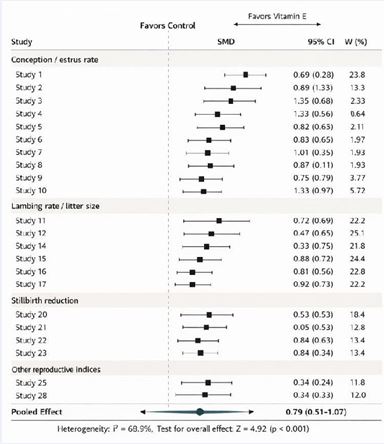
Figure 2 Forest plot that illustrates the effect sizes (SMD with 95% CI) of vitamin E supplementation on the reproductive performance results in ewes and lambs.
Sensitivity Analysis and Publication Bias
Pooled estimates were found to be very robust by sensitivity analyses. The removal of high risk of bias (5 studies; 20.0) studies led to less than 10.0% effect size decreases without statistical significance. Pooled effects were consistent, and indicated with 91.7 percent leave one-out analyses. Optical examination of funnel plots indicated that there was a level of mild asymmetry in 7 out of 49 effect sizes (14.3%), mostly of reproductive effects. The test of statistical significance of the publication bias in the regression test by Egger revealed that there was statistically significant publication bias in 5 comparisons (10.2%). The trim-and-fill analysis showed that there would be no significant changes in pooled estimates in case of missing studies.
Overall Summary of Findings
Vitamin E supplement was very effective in improving the hematology, productive efficiency as well as reproductive performance of the ewes and lambs. Reproductive results were the most responsive, then hematological parameters and productive traits. The uniformity of the positive effects of vitamin E supplementation in various production systems indicates the strategic application of vitamin E supplementation in sheep management.
DISCUSSION
The current systematic review and meta-analysis offered detailed quantitative data that indicated that the use of vitamin E supplementation had tremendous beneficial outcomes in terms of hematological conditions, productive efficiency, and reproductive performance of ewes and lambs. The combined outcomes revealed that reproductive characteristics had the highest response to the supplementation and then hematological parameters and productive outcomes. These results support the biological role of vitamin E as a lipid-soluble antioxidant that is necessary to keep small ruminants cells intact, control endocrine functions, and remain immune. The noted changes in hematological parameters are not an exception as they also support the current role of vitamin E in shielding the erythrocyte membrane against oxidative stress and upgrading antioxidant defense systems. The substantial improvements of hemoglobin level, the count of red blood cells, and antioxidant indices as noticed in the present investigation match the experimental results in Awassi lambs, where vitamin E supplementation raised serum biochemical parameters and muscle α-tocopherol content [11]. Equally, supplementation of vitamin E did not cause any adverse effect of physiological activity in lambs, improving plasma level of alpha-tocopherol, showing an increase in the availability of antioxidants in the body [12]. The hematological favourable effects in this meta-analysis were also supported by the studies that were done in the environment of stress. According to Nurlatifah [13], vitamin E, especially used with selenium, prevented the effects of heat stress in lambs by enhancing the activity of antioxidant enzymes and physiological stability. Similar effects on the hematology were observed in goats, where dietary vitamin E supplementation substantially increased blood indices and decreased lipid peroxidation [14], and indicated that the antioxidant effects of vitamin E are preserved across small ruminant species. There were moderate yet steady effects of vitamin E supplementation at the productive performance characteristics, such as lamb growth, milk yield, and survival rate. These are biologically feasible taking into consideration that vitamin E helps to reduce oxidative stress, enhance nutrient metabolism and immune efficiency. Vitamin E supplementation in undernourished ewes had drastic positive effects on the growth of lambs and weight gain in the mother, which is why it should be regarded as an important point in the context of nutritionally adverse environments [15]. Productive responses were less than in reproductive effects, but they were still significant especially in systems of animals subjected to stress in terms of metabolic action. These positive effects on milk yield and performance related aspects have also been observed in large ruminants, with meta-analytical results showing that the use of vitamin E supplements increased the milk production and reproductive efficiency of dairy cows [16]. These species generalizations reinforce the extraneous validity of the existing results. The strongest response to vitamin E supplementation was in reproductive performance whereby there was significant improvement in conception rate, estrus response, lambing rate and a decrease in still birth incidence. Such findings can be explained by the role of vitamin E as a protective antioxidant of reproductive tissues, as an increase in steroidogenesis, and embryonic survival. Good reproductive performance of the current meta-analysis is in line with the experimental results in Yankasa and Awassi ewes that vitamin E and selenium supplementation have a significant positive effect on fertility indices and ewe performance [17,18]. It was also demonstrated that injectable vitamin E preparations increase the reproductive performance and neonatal birth weight in ewes, especially during the periods of vital reproduction [19].vitamin E was also found to have positive impact on the breeding procedures that were hormonally manipulated. The combination of vitamin E with beta carotene and hCG improved the fertility responses in sheep lambs, which indicates that antioxidants and reproductive hormones should work in a synergistic way [20]. Such results go hand in hand with the strong pooled effect sizes found on reproductive outcomes in the present meta-analysis. An important conclusion made in this study was that the combination of vitamin E and selenium had more effects than vitamin E itself, especially in the area of reproduction and antioxidant. This interaction is biologically justified by the complementary functions of the vitamin E and selenium on the glutathione peroxidase mechanism. Ewes and goats have also been widely reported to have increased reproductive efficiency when subjected to combined supplementation [17,21]. This interaction is further supported by evidence of other ruminant studies. Selenium alone supplementation has been established to incur great benefits to the reproductive performance of rams with the focus on the antioxidant product commonality of action affecting fertility [22]. Also, better quality of colostrum and immunoglobulin level after vitamin E and selenium supplementation in goats identifies lower-level outcomes of offspring immunity and survival [23]. In addition to the performance characteristics, vitamin E supplementation helped in enhancing immune resilience coupled with resistance to diseases. Parasite markers in grazing sheep were also significantly lowered by injectable alpha-tocopherol, which means it had a beneficial impact on immune defense mechanisms [24]. Increased antioxidant ability probably lowered the stress of inflammation, and more of the metabolic resources were allocated to growth and reproduction. Vitamin E also demonstrated an immunomodulatory effect on the biochemical blood parameters when used as a combination with other fat-soluble vitamins, in Awassi lambs, including vitamin A and vitamin D 3 [25]. These results indicate that vitamin E could be a component of a more general antioxidant and micronutrient that has impact on health and productivity. Although the general consistency of positive results was observed, moderate to high heterogeneity was found, especially with the reproductive traits. This inconsistency is probably an expression of variability in the amount of supplementation, the duration of treatment, the physiological age, the management system and the interaction with other micronutrients. Research done in pregnancy or mating time was likely to produce better responses, and time of the supplementation is significant in the supplementation strategy. Certain drawbacks are to be admitted. Some of the studies included also used vitamin E together with other antioxidants and it was hard to determine the independent effect of vitamin E. Also, experimental design and reporting quality variation were contributing factors towards heterogeneity. Nonetheless, sensitivity analysis provided showed that the high-risk study exclusion failed to make any significant differences in the pooled estimates, which confirms the findings. The results of this meta-analysis are a good indication of the strategic importance of the vitamin E supplementation to sheep production systems, and especially to improve their reproductive efficiency and antioxidant status. Further studies needed in the future must be directed at dose and response relationships, the best time to take the supplement, and the synergies between vitamin E and new antioxidant substances. Practical suggestions would also be reinforced by long term field research evaluating economic returns and sustainability results.
CONCLUSION
The current systematic review and meta-analysis have shown that, the intervention of vitamin E supplementation had a consistently positive influence on the hematological status as well as productive performance and reproductive efficiency of both animals: ewes and lambs. In the covered studies, vitamin E positively affected important blood biochemical and hematologic values, which signified increased antioxidant potential, metabolic stability, and immune reactivity, especially at physiologically stressful periods of life, e.g. late pregnancy, lactation, and early postnatal development. On productive performance, the area of vitamin E supplementation showed a high connection with body weight gain, milk yield and offspring growth and survival which has shown that it helps in nutrient use and alleviate oxidative stress productivity loss. There was also a positive effect on the reproductive outcomes with the increased conception rates, better lambing performance, lower embryonic and neonatal losses and the increased fertility indices. The benefits became more evident when vitamin E was given in co-existence with selenium as a result of its synergetic antioxidant activity. Although the strategies of supplementation, the dosage levels, the breeds, and the system of management were varied, the general trends of the effects were similar, which confirms the strength of the results. The heterogeneity of the studies was not mostly due to any discrepancies on the effectiveness of vitamin E biologically but due to the differences in the experimental design, stage of physiology at the time of supplementation, and environmental stress factors. To summarize, vitamin E supplementation was an effective and viable nutritional program to enhance health, productivity and reproductive performance in sheep. Its tactical application especially when there is an increase in oxidative stress can help improve animal welfare and sustainable production in small ruminants. Subsequent studies are supposed to be done on how to optimize dosage regimens, when to supplement and how it interacts with other micronutrients to enhance its biological and economic advantages in different production systems.
REFERENCES
- Abdel-Raheem S, Mahmoud G, Senosy W, El-Sherry T. Influence of vitamin E and selenium supplementation on the performance, reproductive indices and metabolic status of Ossimi ewes. Veterinary Medicine and the One Health Concept. 2019; 56: 1-10.
- Dønnem I, Randby ÅT, Hektoen L, Avdem F, Meling S, Våge ÅØ, et al. Effect of vitamin E supplementation to ewes in late pregnancy on the rate of stillborn lambs. Small Ruminant Res. 2015; 125: 154-162
- Hakeem F, Zubair M, Shahbaz M, Andrabi SMH, Kuthu ZH, Ahmed S, et al. Effects of graded doses of vitamin E on blood and serum biochemistry of sheep. Proceedings of the Pakistan Academy of Sciences: B. 2023; 60: 1-9.
- Aljebori RA. Impact of vitamin E and selenium on the hematological, biochemical and productive parameters of pregnant Awassi ewes. Int J Life Sci Agriculture Res. 2024; 3: 709-716.
- Awawdeh MS, Eljarah AH, Ababneh MM. Multiple injections of vitamin E and selenium improved the reproductive performance of estrus- synchronized Awassi ewes. Tropical Animal Health and Production. 2019; 51: 1421-1426.
- Kassim WY. The effect of vitamin E and PMSG treatment during breeding season on some biochemical parameters and reproductive traits for two breeds of sheep. Basrah J Agricultural Sci. 2017; 30: 1-9.
- Aslan FA. The role of antioxidants in enhancing reproductive performance in sheep: Physiological, molecular, and applied perspectives. Black Sea J Agriculture. 2025; 8: 875-884.
- Ibrahim EM, Alrauji Y, Elnesr SS, Shehab-El-Deen M. Productive performance and some biochemical indices of Ossimi ewes and their lambs to dietary inclusion of selenium, zinc nanoparticles, or their combination. Animals. 2025; 15: 2694.
- Ding Y, Sun R, Jiang X, Hao Y, Song Y, Jia X, et al. Combined vitamin E and selenium supplementation enhances antioxidant status, reduces disease incidence, and improves economic returns in transition dairy cows. Veterinary World. 2025; 18: 25.
- Hasan D, Ford HR, Bionaz M. Impact of maternal diet on the antioxidant status, immune function, and whole-blood selenium levels of lamb offspring. Italian J Animal Sci. 2025; 24: 738-752.
- Mahmud KI, Karada? F. Effects of melatonin and vitamin E as antioxidants on biochemical blood parameters and muscle vitamin E concentration in Awassi lambs. Arch Razi Institute. 2023; 78: 249- 259.
- Sterndale S, Broomfield S, Currie A, Hancock S, Kearney GA, Thompson AN, et al. Vitamin E and selenium supplementation increases plasma α-tocopherol in lambs. Animal. 2018; 12: 998-1006.
- Nurlatifah A, Astuti DA, Herdis H, Arifiantini I, Pamungkas FA, Santoso S, et al. Mitigating heat stress in lambs: Effects of vitamin E and selenium on antioxidant defense. Veterinary World. 2025; 18: 2230-2240.
- Zayed ZN. Estuty, Abdelatti S. Effects of dietary vitamin E supplementation on haematological parameters of goats. Assiut Veterinary Med J. 2021; 67: 51-58.
- Rosales-Nieto CA, Meza-Herrera CA, Moron-Cedillo FJ, Flores-Najera MJ, Liu S. Vitamin E supplementation of undernourished ewes increases lamb growth. Tropical Animal Health and Production. 2016; 48: 613-618.
- Moghimi-Kandelousi M, Alamouti AA, Imani M, Zebeli Q. A meta- analysis of the effects of vitamin E supplementation on reproductive performance and milk yield. J Dairy Science. 2020; 103: 6157-6166.
- Musa SI, Bitto II, Ayoade JA, Oyedipe OE. Effects of vitamin E and selenium on fertility and lamb performance of Yankasa sheep. Open J Vet Med. 2018; 8: 215-224.
- Saeed OA, Ahmed NK, Taha MM, Abedal-Majed MA, Ali FM, SamsudinAA. Reproductive performance of Awassi ewes fed selenium and vitamin E. Tropical Animal Sci J. 2024; 47: 265-274.
- Vahedi V, Mabodi S, Yalchi T, Ansari M. Vitamin E and selenium injection improves reproductive performance in ewes. Int J Animal Health and Livestock Production Res. 2023; 25: 473-483.
- Özmen MF, Say E, Cirit U. Effect of beta-carotene–vitamin E and hCG on fertility in sheep lambs. Tarim Bilimleri Dergisi. 2021; 27: 123- 130.
- Santos-Silva R, Meza-Herrera CA, Castro-Roque B, Calderón-Leyva G, Rosales-Nieto CA, Oscar Angel-García, et al. Selenium and vitamin E supplementation in anestrus goats. Animals. 2025; 15: 1421.
- Munoz-Benitez AL, Vieyra-Alberto R, Hernandez-Medrano JH, Covarrubias JLP, Hernández-Rojas EG, del Castillo DACC, et al. Oral selenium supplementation improves the reproductive performance of rams: A systematic review and meta-analysis. Small Ruminant Res. 2025; 107465.
- Mehmood. N, Hussain T, Hameed A, Yaseen A, Awais Ahmed, Muzzamal Hussain. Prospective effect of vitamin E and selenium supplementation on colostrum quality in Beetal goats. Cogent Food Agriculture. 2023; 9: 2197711.
- Rojas-Reyes JA, Blad TJ, Bulosan JS, Wanguba AS, Bustamante Y, Thornton KJ, et al. Injectable α-tocopherol reduces parasite markers in grazing sheep. Small Ruminant Res. 2025; 248: 107515.
- Shareef MA, Mohammed TR, Ali AT, Alnori H. Effect of vitamins A, E, D3 on biochemical blood parameters of Awassi lambs. IOP Conference Series: Earth and Environmental Sci. 2023; 1259: 012083.