A Mixed-Methods Assessment of Producers’ Awareness of Social and Environmental Impacts of Charcoal Production in Ethiopia’s Upper Blue Nile Basin: Evidence from Gozamin District
- 1. Pathfinder International, United States
- 2. Debre Markos University, Ethiopia
- 3. Department of Natural Resource Management, Debre Markos University, Ethiopia
Abstract
Background: Ethiopia is one of the world’s largest charcoal-producing countries. Charcoal remains the primary source of fuel for urban areas across the nation. Despite its affordability and accessibility, charcoal production has far-reaching social and environmental consequences. These include health risks for producers, air pollution, greenhouse gas emissions, local forest depletion, and social issues related to migration, labor, and gender dynamics. Raising awareness among charcoal producers and users about the environmental impacts of charcoal production and consumption, particularly forest cover loss and health impacts, could help reduce production and consumption, thereby conserving forests and protecting the environment. This study aimed to characterize charcoal production and assess producers’ awareness of its social and environmental impacts in the Gozamin District. Methods: A mixed-methods research design was employed. Three kebeles were purposively selected, and households engaged in charcoal production were included in the study. A total of 98 samples were randomly selected from these kebeles of Gozamin District. Data was collected through structured questionnaire surveys and analyzed using Microsoft Excel and SPSS (Version 20). Descriptive statistics were generated from the analysis. Results: The study reveals that charcoal production in the Gozamin district has significant social impacts, with health and safety risks being the most critical concern. Deforestation and loss of natural vegetation were identified as the most significant environmental impacts of charcoal production, cited by 41.8% of respondents. The study found that 58.2% of local community members supported charcoal production, suggesting a majority perceive it positively, likely due to its economic or energy benefits only 10.2% of respondents reported a high level of cooperation among stakeholders. The study found that reforestation and tree planting programs were the most frequently implemented mitigation measures, cited by 54 respondents (55.1% of valid responses). The predictors (soil erosion, gender, deforestation, health, and air pollution) collectively demonstrated a moderate level of explanatory power regarding charcoal production. Conclusion: Deforestation was identified as a major concern, emphasizing the need for sustainable land management, reforestation, and stricter regulations to curb illegal logging. Additionally, the health risks faced by charcoal producers call for improved occupational safety measures, better access to healthcare, and training on safe production practices.
Keywords
• Charcoal Production • Social and Environmental Impacts • Awareness • Gozamin District
Citation
Ayalew AM, Seneshaw KA, Assabu G (2026) A Mixed-Methods Assessment of Producers’ Awareness of Social and Environmental Impacts of Charcoal Production in Ethiopia’s Upper Blue Nile Basin: Evidence from Gozamin District. J Materials Applied Sci 7(1): 1019.
ABBREVIATIONS
AGB: Above-Ground Biomass; FGDs: Focus Group Discussions; GHGs: Greenhouse Gases; IPCC: Intergovernmental Panel on Climate Change; LPG: Liquefied Petroleum Gas; SSA: Sub-Saharan Africa; SPSS: Statistical Package for Social Studies
INTRODUCTION
Charcoal production is rising across sub-Saharan Africa due to increasing urban demand and a lack of accessible alternative energy sources. Unsustainable wood harvesting leads to forest degradation, deforestation, and greenhouse gas emissions throughout the charcoal value chain [1]. Despite higher electrification rates and renewable energy potential, charcoal remains the dominant cooking and heating source for 80% of households in Sahara Africa countries [2]. However, some argue it is a low-net GHG emitter that increases energy access and provides income opportunities [3].
The social impacts include conflicts between residents and charcoal producers due to tree scarcity [4]. Conversely, charcoal sales provide income for daily activities [5]. Environmental consequences include soil erosion, fertility decline, desertification, flooding, air pollution, and wildlife migration [6].
Ethiopia has approximately 141.8 million metric tons of annual biomass availability, yet only 71.9 million tons are currently exploited [7,8]. About 90% of cooking energy is lost due to inefficient conversion systems [9]. Charcoal production for urban energy consumption is the main driver of forest degradation in SSA, a trend expected to intensify with urban growth [10]. Ethiopia is among the world’s largest charcoal producers, with cities burning over three million tons annually [11]. Most urban Ethiopians use charcoal for cooking, heating, coffee making, and ironing [12]. Fuelwood and charcoal constitute the most important household fuel sources nationally [13]. Charcoal remains cheaper and more accessible than electricity, LPG, or kerosene [14]. In Addis Ababa alone, over 42,000 sacks of charcoal enter daily [15].
Dependency on charcoal is increasing due to rapid urban population growth and rising prices of modern energy alternatives [16]. Charcoal production has far reaching social and environmental impacts, including health problems, air pollution, GHG emissions, forest depletion, and issues related to migration, labor, and gender [17-19]. Air pollution poses significant hazards to ecosystems and human health, with approximately 5% of acute upper respiratory tract infections in Ethiopia linked to such exposure [20]. The upper Blue Nile basin, including Gozamin District, has experienced a decline in forest cover due to charcoal production [21-23].
Community awareness of charcoal’s environmental and health effects can reduce production and promote cleaner energy sources like LPG and electricity [24]. While studies exist in other Ethiopian districts, community assessment of social and environmental impacts in Gozamin District remains unexplored. This study, therefore, aims to systematically assess these challenges and evaluate community awareness in Gozamin District, Ethiopia.
MATERIALS AND METHODS
Study Area
The study was carried out in Gozamin district (see Figure 1)

Figure 1 Map of the study area
located 270 km east of the regional capital Bahir Dar, and 300 km northwest of Addis Ababa. The district has a total area of 1218 km2 and contains a total of 25 rural kebeles (the lowest administrative level in Ethiopia).The district is characterized by a relatively flat landscape, floodplains, and wetlands [25]. Gozamin district has 134,000 inhabitants with almost gender balance. The population density is 109 people per km2. Sedentary, rainfed, small-scale agriculture and livestock rearing are the major sources of livelihood within the Gozamin district. People primarily perform mixed cereal agriculture, with farmers growing teff, finger millet, sorghum, maize, barley, wheat, pulses, and oil maize, barley, wheat, pulses [26].
Study Design
This study applied a mixed research design, which included both quantitative and qualitative designs. The qualitative approach was synthesized from interviews and focus group discussions, while the quantitative approach was considered from the survey of questionnaires.
Source population
The study was conducted in the Gozamin District. This district was purposively selected as the largest producer of charcoal in the zone, based on preliminary key informant interviews. It was accessible for field research while still representing a typical charcoal-producing area. From the Gozamin District, three kebeles (the smallest administrative units) were selected to form the study area properly with a two-stage purposive sampling approach. In consultation with the district agricultural office, first, all kebeles in the district were stratified into three categories based on charcoal production intensity (high, medium, low), and second, one kebele was randomly selected from each intensity stratum (Chemet, Mayeangetam, and Yebokla).
Inclusion Criteria: Households engaged in charcoal production were included in the study, while those not producing charcoal were excluded.
Sampling and sample size calculation
The sample size from each Kebele was calculated using a formula
• α = 0.05 level of significance,
• 10% as the acceptable sampling error:
n = N/[1 + N(e)2]
Where,
• n: the sample size to be selected;
• e: the acceptable sampling error (0.1);
• N: population size;
n = 4023/1+ (4023*(0.1)2 n = 4023/41.23; n = 98
For the qualitative part of the study, six key informants were selected purposefully, and FGD was administered two times to complement the quantitative data to understand the perception and attitude of the participants. The households were selected with random sampling techniques (Table 1).
Table 1: Total households of the sample kebeles
|
Kebele |
Total households |
Total pop. Sample size |
Sample size |
|
Chemet |
1030 |
4023 |
25 |
|
Mayeanegtam |
1653 |
4023 |
41 |
|
Yebokela |
1340 |
4023 |
32 |
|
Total |
4023 |
|
98 |
Data Collection Methods
To achieve the study’s objective, data were collected from the target group using various data collection tools. Questionnaires were used as the major data collection instruments. In addition, interviews and field observation were employed to gather relevant data.
Questionnaire: Both Open and closed-ended questions related to charcoal production practice and the awareness of the social and environmental impacts of charcoal production in selected kebeles were prepared.
Observation: The objective of observation is to collect data in a natural setting. It is helpful for the researcher to realize the existing situation of the events. Instead, it draws on the direct evidence of the eye to witness events.
Key Informant interview: The study interviewed six key informants who were selected purposefully. Issues raised during the interview were the reasons to engage in charcoal production, the production process, and their perception of the social and economic impact of charcoal production and use in the study area. During this process, the interviewer used a tape recorder to save information.
Focus group discussion: FGD is an important method of data collection during fieldwork. Two FGDs were conducted for this study to get detailed information about charcoal production and use, and its socio-environmental impact.
Greenhouse Gas Emission Analysis from Charcoal Production: In this study, only the three most powerful GHGs, namely, CO2, CH4, and N2O, were considered. The amount of CO2 equivalent (CO2e) was determined by using the global warming potential (GWP) of such GHGs. To quantify the amount of GHG emissions, the default emission factors were taken from IPCC (2006) as shown in Table 2.
Table 2: GHG emission factors from charcoal production, IPCC, 2006
|
Produced fuel type |
Type of GHGs |
EF(TonTJ-1) |
|
|
CO2 |
1.5130000 |
|
Charcoal |
CH4 |
0.0041400 |
|
|
N2O |
0.0000552 |
The amount of GHG emissions from charcoal production in CO2e was analyzed based on the IPCC [27] as follows:
EGHGi = (Fci x EF x GHGi)…………………………………(equ 3.1)
Where:
• EGHGi quantity of GHGi;
• Fci= quantity of fuel type combusted (net Calorific value (TJTon-1) x quantity); and
• EFGHGi= Emission factor for a certain GHGi.
Data quality control measures
To prevent interviewer bias during data collection, kebeles were coded, all field workers were trained before data collection, and regular supervision was done during the fieldwork. Each data collector was checking the questionnaires for completeness before leaving each study participant. All filled questionnaires were reviewed at the end of the day by the supervisor. The original questionnaire was prepared in English and then translated into Amharic. This helps easily manage the survey and better understand the responses.
Data analysis and management
Based on the responses obtained from the questionnaire, the respondents’ responses were converted into numerical measurements and quantitative data. This number was obtained using SPSS Software, and the items were analyzed and interpreted. The qualitative data that were obtained from the respondents in interviews and direct observations were interpreted in a meaningful manner by using qualitative tools of data analysis through description.
Ethical Approval
Final approval and acceptance of the thesis are contingent upon the submission of the final copy of the thesis to the Council of Graduate Studies through the Department of Graduate Committee of the candidate’s major in environmental science or the Department of Natural Resource Management.
Limitations of the study
Financial scarcity and the currently prevailing security issues made it difficult to conduct experiments on the charcoal production capacities of the different species used for charcoal production in the study area. However, secondary data were collected and used as described in the methodology.
RESULTS
As shown in Table 3 the majority of respondents (78.6%) are married, indicating that charcoal production is primarily undertaken by established households, with most individuals (43.9%) in the 30–39 age. Education levels are diverse: 31.6% are literate, 30.6% have primary education, 19.4% have no formal education, and 18.4% have secondary education. Farming is the primary occupation for 69.4% of respondents, suggesting charcoal production serves as a supplemental income source for rural farmers. Most participants (53.1%) have 6–10 years of experience, and nearly half (49%) have a family size of 4–6 members, reflecting household-level involvement in this long-term livelihood activity. Land holdings are typically 0.5–1 hectare (49%), and income sources include annual crops (38.8%), charcoal (27.6%), animal husbandry (17.3%), and firewood (16.3%), highlighting the economic importance of charcoal production alongside traditional farming.
Table 3: Demographic characteristics of study participants, 2023
|
Variables |
Classes |
Frequency |
Percentage |
|
Sex |
Male |
74 |
75.5 |
|
Female |
24 |
24.5 |
|
|
Marital status |
Married |
77 |
78.6 |
|
Single |
12 |
12.2 |
|
|
Divorced |
4 |
4.1 |
|
|
Widow |
5 |
5.1 |
|
|
Age |
20 – 29 |
11 |
11.2 |
|
30 – 39 |
43 |
43.9 |
|
|
40 – 49 |
32 |
32.7 |
|
|
>=50 |
12 |
12.2 |
|
|
Level of education |
Cannot read or write |
19 |
19.4 |
|
Can read and write |
31 |
31.6 |
|
|
Primary education |
30 |
30.6 |
|
|
Secondary education |
18 |
18.4 |
|
|
Occupation |
Farmer |
68 |
69.4 |
|
Trader |
19 |
19.4 |
|
|
Civil servant |
6 |
6.1 |
|
|
Others |
5 |
5.1 |
|
|
Charcoal experience (Years) |
<= 5 |
26 |
26.5 |
|
6 – 10 |
52 |
53.1 |
|
|
11 – 15 |
14 |
14.3 |
|
|
>15 |
6 |
6.1 |
|
|
Family size (no.) |
<= 3 |
24 |
24.5 |
|
4 to 6 |
48 |
49 |
|
|
>= 7 |
26 |
26.5 |
|
|
Land size (ha) |
<= 0.5 |
17 |
17.3 |
|
0.5 - 1 |
48 |
49 |
|
|
> 1 |
33 |
33.7 |
|
|
Source of income |
Annual crop |
38 |
38.8 |
|
Husbandry |
17 |
17.3 |
|
|
Firewood collection |
16 |
16.3 |
|
|
Charcoal production |
27 |
27.6 |
In the current study, the common plant family used for charcoal production was Fabaceae, which includes Acacia abyssinica, Acacia nilotica, Acacia Senegal, Millettia ferruginrea, Albizia gummifera, Cassia siamea, Acacia Mill, Erythrina brucei Schweinf, and Dalbergia melanoxylon. In addition, Eucalyptus camaldulensis and Eucalyptus globules belong to the family Myrtaceae, as well as Croton macrostachyus Del, and Euphorbia tirucalli belongs to the family Euphorbiaceae. This finding is in line with the findings in the Gurage zone [28], identified Acacia abyssinica, Acacia nilotica, Croton macrostachyus, Eucalyptus camaldulensis, Eucalyptus globulus plant species used for charcoal production in Gurage Zone, Abeshige District, and different from the findings in Mecha district [11] Juniperus procera is used for charcoal production in the Mecha district, Ethiopia (Table 4).
Table 4: List of tree species used for charcoal production in the study area
|
No |
Scientific name |
Common name |
Family |
|
1. |
Acacia abyssinica |
Girar |
Fabaceae |
|
2. |
Acacia nilotica |
Cheba |
Fabaceae |
|
3. |
Acacia Senegal |
Konter |
Fabaceae |
|
4. |
Eucalyptus camaldulensis |
Key bahirzaf |
Myrtaceae |
|
5. |
Eucalyptus glubules |
Nech Bahir Zaf |
Myrtaceae |
|
6. |
Croton macrostachyus Del |
Bissana |
Euphorbiaceae |
|
7. |
Junipeus procera |
Yehabesha Tid |
Cuperssaceae |
|
8. |
Cordia Africana lam |
Wanza |
Boraginaceae |
|
9. |
Millettia ferruginrea |
Birbirra |
Fabaceae |
|
10. |
Albiza gummifera |
Sessa |
Fabaceae |
|
11. |
Annona senegalnesis |
Geshta |
Annonaceae |
|
12. |
Apodytes dimidata |
Donfe |
Metteniusales |
|
13. |
Boswellia papyrifera |
Kereri etan |
Burseraceae |
|
14. |
Capparis tomentosa |
Gumero |
Capparidaceae |
|
15. |
Cassia siamea |
Degeta |
Fabaceae |
|
16. |
Dalbergia melanoxylon |
Zobi |
Fabaceae |
|
17. |
Dodonaea angustifolia |
Keteketa |
Sapindaceae |
|
18. |
Ekebergia capensis |
Lol |
Meliaceae |
|
19. |
Entada abyssini |
Kentefa |
Fabaceae |
|
20. |
Euphorbia tirucalli |
Kenchib |
Euphorbiaceae |
|
21. |
Erythrina brucei Schweinf |
Korch |
Fabaceae |
|
22. |
Boswellia pirottae Chiov. |
Kerero |
Burseraceae |
|
23. |
Ziziphus mucronata |
Mok |
Rhamnaceae |
|
24. |
Acacia Mill |
Dicrus |
Fabacea |

Figure 2 Stakeholders’ perception of the social and environmental impact of charcoal production
As shown in Figure 2, charcoal production in the Gozamin district has significant social impacts, with health and safety risks being the most critical concern (44.9% of respondents), as workers face respiratory issues and injuries that underscore the need for better occupational safety measures. Additionally, 22.4% of respondents reported social conflicts over resources or land use, while 19.4% highlighted disruptions to livelihoods and 13.3% noted community displacement, indicating that charcoal production fosters tensions, economic instability, and marginalization. These findings emphasize the need for diversified income opportunities and inclusive land-use planning to mitigate these adverse social effects on local communities.
According to Table 1, deforestation and loss of natural vegetation were identified as the most significant environmental impact of charcoal production, cited by 41.8% of respondents, leading to forest destruction, habitat loss, and biodiversity decline. Additionally, 19.4% of respondents noted soil erosion and degradation due to unsustainable harvesting and poor land management,
while 29.6% highlighted air pollution and greenhouse gas emissions from inefficient burning processes that release harmful pollutants and CO?. Smaller but notable impacts included water pollution and depletion (3.1%) from improper waste handling and excessive water use, as well as wildlife and ecosystem disruption (6.1%) from habitat loss, underscoring the need for sustainable practices to mitigate these broad environmental consequences.
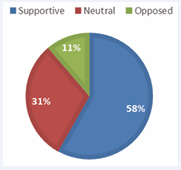
Figure 3 The overall perception of the local community towards charcoal production
As indicated in Figure 3, the study found that 58.2% of local community members supported charcoal production, suggesting a majority perceive it positively, likely due to its economic or energy benefits, while 30.6% remained neutral, indicating indifference or no strong opinion, and 11.2% opposed it, possibly due to concerns over environmental or social impacts.
The study found that while most charcoal producers are aware of certain social and environmental impacts—such as increased CO? emissions, income generation, and charcoal’s role as an energy source—their perception remains low regarding other critical effects. Specifically, producers showed limited awareness of impacts on food and water supply, biodiversity loss, job limitations, soil productivity decline, desertification, salinization, pest and disease spread, and severe environmental degradation. As shown in Table 5,
Table 5: Main environmental impacts of charcoal production in the Gozamin district
|
|
|
Frequency |
Percent |
|
|
Deforestation and loss of natural vegetation |
41 |
41.8 |
|
|
Soil erosion and degradation |
19 |
19.4 |
|
|
Water pollution and depletion |
3 |
3.1 |
|
Valid |
Air pollution and greenhouse gas emissions |
29 |
29.6 |
|
|
Impact on wildlife and ecosystem services |
6 |
6.1 |
|
|
Total |
98 |
100.0 |
these findings align with previous research, where 66% of respondents were unaware of charcoal production’s environmental effects, compared to only 44% who claimed awareness. Thus, although most producers recognized the link to rising CO? emissions, they lacked understanding of broader ecological consequences, including reduced quality and quantity of water supply [29].
According to the data in Figure 4
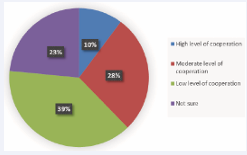
Figure 4 Efforts made by charcoal producers and stakeholders to overcome the adverse social and environmental impacts of charcoal production
only 10.2% of respondents reported a high level of cooperation among stakeholders, including charcoal producers, government agencies, NGOs, and local communities—in addressing charcoal production impacts in Gozamin District, while 27.6% perceived moderate cooperation. A significant 38.8% reported low cooperation, highlighting weak coordination and communication, and 23.5% were uncertain, possibly due to limited awareness of collaborative initiatives. These findings reveal that most respondents perceive inadequate collaboration, underscoring the need for enhanced coordination to mitigate the social and environmental impacts of charcoal production in the region.
According to Table 6, the key mitigation measures for addressing the social impacts of charcoal production in the Gozamin District are community engagement and participation (39.8%), awareness campaigns and education programs (35.7%), and fair labor practices and standards (24.5%). Community engagement emphasizes including local perspectives in decision-making to foster sustainable approaches, while awareness campaigns aim to inform residents about negative consequences and promote sustainable alternatives. Fair labor practices focus on ensuring ethical labor conditions, fair wages, and safe workplaces, collectively reflecting a multi-pronged strategy to improve worker well-being and address social impacts.
Table 6: Awareness of respondents on charcoal production
|
Effects of charcoal production |
Have Awareness |
Not Aware |
||
|
No. |
% |
No. |
% |
|
|
Increases Carbon dioxide emissions into the atmosphere |
93 |
94.9 |
5 |
5.1 |
|
Reduces the quality and quantity of food supply |
40 |
40.8 |
58 |
59.2 |
|
Reduces water supply (Rainfall, rivers, streams) |
34 |
34.7 |
64 |
65.3 |
|
Enhances biodiversity loss |
8 |
8.2 |
90 |
91.8 |
|
Limits the number of informal and formal jobs |
5 |
5.1 |
93 |
94.9 |
|
increases income |
75 |
76.5 |
23 |
23.5 |
|
Source of energy |
88 |
91.8 |
10 |
8.2 |
|
Reduction of soil productivity |
36 |
36.7 |
62 |
63.3 |
|
Desertification |
22 |
22.7 |
76 |
77.6 |
|
Salinization |
2 |
2 |
96 |
98 |
|
Pest and disease |
10 |
10.2 |
88 |
89.8 |
|
A series of environmental degradation |
7 |
7.1 |
91 |
92.9 |
As shown in Table 7 reforestation and tree planting programs were the most frequently cited mitigation measure (55.1% of respondents), helping to counteract deforestation and support habitat restoration. The second most common measure was sustainable harvesting practices (32.7%), which involves selective harvesting and proper land management to reduce environmental harm, followed by improved kiln technologies (12.2%) that enhance production efficiency, minimize waste and emissions, and reduce the overall environmental footprint. Collectively, these results highlight a strategic focus on reforestation, sustainable practices, and technological improvements to mitigate the environmental impacts of charcoal production.
Table 7: Mitigation measures implemented to address the social impacts of charcoal production
|
|
Frequency |
Percent |
|
Awareness campaigns and education programs |
35 |
35.7 |
|
Community engagement and participation |
39 |
39.8 |
|
Implementation of fair labor practices and standards |
24 |
24.5 |
|
Total |
98 |
100.0 |
As shown in Table 8 reforestation and tree planting programs were the most frequently cited mitigation measure (55.1% of respondents), helping to counteract deforestation and support habitat restoration. The second most common measure was sustainable harvesting practices (32.7%), which involves selective harvesting and proper land management to reduce environmental harm, followed by improved kiln technologies (12.2%) that enhance production efficiency, minimize waste and emissions, and reduce the overall environmental footprint. Collectively, these results highlight a strategic focus on reforestation, sustainable practices, and technological improvements to mitigate the environmental impacts of charcoal production (Figure 5).
Table 8: Mitigation measures implemented to address the environmental impacts of charcoal production.
|
|
Frequency |
Percent |
|
Reforestation and tree planting programs |
54 |
55.1 |
|
Adoption of sustainable harvesting practices |
32 |
32.7 |
|
Improved kitchen technologies for efficient charcoal production |
12 |
12.2 |
|
Total |
98 |
100.0 |

Figure 5 Factors affecting in implementing mitigation measures to avert the social and environmental impacts of charcoal production
Charcoal production from rural areas is the main source of greenhouse gas emissions. Because large amounts of wood were used for charcoal production. This incomplete combustion created the emission of greenhouse gases, such as carbon dioxide (CO2), methane (CH4), and N2O into the atmosphere. Accordingly, the emissions were obtained from the amount of charcoal produced in the area. From the result, the emissions of GHG ranged from 22.0 to 170.9 CO2e with an average of 136.3 CO2e per household per year (Table 9)
Table 9: Average annual greenhouse gas emissions due to charcoal production
|
Quantity charcoal(tons) |
Type of GHGs |
EF(TonTJ-1) |
Emissions per year (tons) |
CO2e emissions/ year (tons) |
|
83.5 |
CO2 |
1.513 |
126.3355 |
126.3 |
|
83.5 |
CH4 |
0.00414 |
0.34569 |
8.6 |
|
83.5 |
N2O |
0.0000552 |
0.004609 |
1.4 |
|
|
Total Emissions (CO2e) |
|
136.3 |
|
Table 10: Minimum and maximum GHG emissions from charcoal production
|
Quantity of charcoal in (tons) |
Type of GHGs |
EF(TonTJ-1) |
Emissions per year (tons) |
CO2e emissions/ year (tons) |
|
|
Minimum |
13.45 |
CO2 |
1.513 |
20.34985 |
20.34985 |
|
13.45 |
CH4 |
0.00414 |
0.055683 |
1.392075 |
|
|
13.45 |
N2O |
0.0000552 |
0.000742 |
0.230156 |
|
|
|
Total (minimum) 22.0 |
||||
|
Maximum |
104.625 |
CO2 |
1.513 |
158.2976 |
158.2976 |
|
104.625 |
CH4 |
0.00414 |
0.433148 |
10.82869 |
|
|
104.625 |
N2O |
0.0000552 |
0.005775 |
1.790343 |
|
|
|
Total (maximum) 170.9 |
||||
Considering the above Table 10 results, the most important GHGs, such as CO2, CH4, and N2O, were emitted from charcoal production.
According to the current study, the available amount of GHGs emitted to the atmosphere was 126.3 tons, 8.6 tons, and 1.4 tons of CO2, CH4, and N2O, respectively, per household per year (Figure 6).

Figure 6 Major GHG emissions from charcoal production measured with tones of C02e
Overall, upon the activity of the charcoal production system in the district, an average household emitted about 136.3 tons of CO2 to the atmosphere. It can be argued that the 98 sample households studied emitted approximately 13,357.4 tons of CO2e into the atmosphere annually, which has a great impact on national climate change.
The data in Table 11 reveal that charcoal production in the district has caused significant deforestation, with respondents rating its impact at an average of 3.0816 (SD = 1.28170), indicating strong consensus. Similarly, charcoal production has contributed to forest cover and biodiversity loss, with a mean rating of 3.0000 (SD = 1.51283), showing agreement but some variability in perceptions. Respondents also noted negative impacts on the local ecosystem and natural resources, with a mean rating of 2.9490 (SD = 1.40230), suggesting general recognition of harm. Additionally, deforestation was deemed a pressing environmental issue, with a high mean rating of 3.5204 (SD = 1.18608), reflecting urgency. Long-term ecological risks were acknowledged, though with lower consensus (mean = 2.2959, SD = 1.18591).
Table 11: Charcoal production and deforestation
|
|
N |
Mean |
Std. Deviation |
|
Charcoal production activities have led to significant deforestation |
98 |
3.0816 |
1.28170 |
|
The charcoal production industry has contributed to the loss of forest cover and biodiversity. |
98 |
3.0000 |
1.51283 |
|
Deforestation resulting from charcoal production has negatively impacted the local ecosystem and natural resources. |
98 |
2.9490 |
1.40230 |
|
The deforestation resulting from charcoal production is a significant environmental issue that needs immediate attention. |
98 |
3.5204 |
1.18608 |
|
The deforestation caused by charcoal production poses long-term ecological risks and challenges. |
98 |
2.2959 |
1.18591 |
|
Valid N (listwise) |
98 |
|
|
The data in Table 12 reveal that charcoal production in the district significantly pollutes the air, with a mean value of 2.9082 and a standard deviation of 1.37793, indicating notable variability in pollution levels.
Table 12: Charcoal production and air pollution
|
|
N |
Mean |
St. Deviation |
|
The charcoal production practices in the Gozamin District release pollutants into the air, negatively impacting air quality |
98 |
2.9082 |
1.37793 |
|
Air pollution resulting from charcoal production has adverse effects on the health of local communities in the Gozamin District |
98 |
3.0918 |
1.47198 |
|
The emissions from charcoal production activities in the Gozamin District contribute to environmental degradation and ecological imbalances |
98 |
2.9490 |
1.50170 |
|
The air pollution resulting from charcoal production in the Gozamin District is a significant environmental and public health issue that needs immediate attention |
98 |
2.4490 |
1.30915 |
|
Valid N (listwise) |
98 |
|
|
Additionally, this pollution adversely affects local community health, as shown by a mean of 3.0918 and a standard deviation of 1.47198, reflecting varying health impacts among individuals. Further analysis demonstrates that charcoal CO2e emissions/ year (tons) 126.3 8.6 1.4 136.3 CO2e emissions/ year (tons) 20.34985 0.055683 0.000742 158.2976 0.433148 0.005775 20.34985 1.392075 158.2976 10.82869 production contributes to environmental degradation, with a mean of 2.9490 and a standard deviation of 1.50170, suggesting differing degrees of ecological harm. The issue is recognized as a critical environmental and public health concern, supported by a mean of 2.4490 and a standard deviation of 1.30915, highlighting widespread urgency for intervention.
As shown in Table 13, respondents moderately agreed that charcoal production contributes to increased respiratory problems (mean = 2.85, SD = 1.28) and waterborne diseases (mean = 2.87, SD = 1.31), while concern over the lack of safety measures was slightly lower (mean = 2.57, SD = 1.19).
Table 13: Charcoal Production and Health
|
|
N |
Mean |
St. Deviation |
|
Charcoal production activities have led to an increase in respiratory problems among individuals in the community |
98 |
2.8469 |
1.27911 |
|
The lack of proper safety measures and protective equipment in charcoal production poses health risks to workers and nearby residents. |
98 |
2.5714 |
1.19276 |
|
Charcoal production activities have resulted in an increased incidence of waterborne diseases in the community. |
98 |
2.8673 |
1.30532 |
|
Please rate awareness of health programs or initiatives aimed at addressing the health challenges associated with charcoal production |
98 |
2.8265 |
1.41440 |
|
Please rate your level of involvement in initiatives or activities aimed at improving the health and well-being of individuals and communities affected by charcoal production. |
98 |
3.1837 |
1.37988 |
|
Valid N (listwise) |
98 |
|
|
Awareness of health programs addressing these issues was moderate (mean = 2.83, SD = 1.41), but reported involvement in health initiatives was relatively higher (mean = 3.18, SD = 1.38), suggesting uneven familiarity and engagement across the community. Collectively, these findings highlight recognized health impacts alongside significant variability in awareness and participation, pointing to gaps in program reach and community involvement.
The data in Table 14 indicate that charcoal production is associated with increased conflicts and social tensions, with a mean value of 3.1531, reflecting moderate agreement among respondents, and a standard deviation of 1.49468, showing response variability.
Table 14: Charcoal production and community impacts
|
|
N |
Mean |
Std. Deviation |
|
Charcoal production has contributed to increased conflicts and social tensions in the area. |
98 |
3.1531 |
1.49468 |
|
Charcoal production has resulted in labor exploitation and poor working conditions. |
98 |
3.1633 |
1.53780 |
|
Charcoal production has positively impacted the livelihoods of local communities. |
98 |
3.1122 |
1.41336 |
|
Charcoal production has led to significant deforestation and habitat loss. |
98 |
3.1735 |
1.48550 |
|
Valid N (listwise) |
98 |
|
|
Similarly, charcoal production is linked to labor exploitation and poor working conditions, with a mean of 3.1633 and a standard deviation of 1.53780, suggesting moderate agreement and varying perceptions. Charcoal production also shows a positive impact on local livelihoods, with a mean of 3.1122 and a standard deviation of 1.41336, indicating moderate agreement and variability. Additionally, it is tied to significant deforestation and habitat loss, with a mean of 3.1735 and a standard deviation of 1.48550, reflecting moderate consensus and differing responses.
As shown in Table 15 women face significant systemic barriers in accessing resources and opportunities within the charcoal production sector (mean = 3.32, SD = 1.41), including limited access to land, capital, training, and markets. Gender-based discrimination is also evident (mean = 3.14, SD = 1.49), reflected in unequal wages, job opportunities, and exclusion from decision-making, while challenges in attaining leadership roles (mean = 3.45, SD = 1.36) further limit women’s influence over policies and resource allocation. Together, these disparities perpetuate gender inequalities, hindering women’s full participation and contribution to more equitable and environmentally sound charcoal production.
Table 15: Charcoal production and gender
|
|
N |
Mean |
Std. Deviation |
|
Women face limited access to resources and opportunities in the charcoal production sector |
98 |
3.3163 |
1.41127 |
|
Gender-based discrimination and unequal treatment exist in the charcoal production industry |
98 |
3.1429 |
1.48532 |
|
Women experience barriers in leadership and decision-making roles within the charcoal production sector |
98 |
3.4490 |
1.35557 |
|
Valid N (listwise) |
98 |
|
|
As shown in Table 16 charcoal production in the Gozamin District has led to significant environmental degradation, including moderate soil erosion (mean = 2.76, SD = 1.32), reduced soil quality and fertility (mean = 3.32, SD = 1.29), and negative impacts on agricultural productivity and livelihoods (mean = 3.09, SD = 1.41). Respondents also reported sedimentation in water bodies affecting water quality (mean = 2.97, SD = 1.30) and recognized soil erosion as a pressing issue requiring immediate attention (mean = 3.15, SD = 1.56), although opinions on its severity varied. These findings highlight the adverse effects of charcoal production on soil health, agriculture, and water resources, underscoring the urgent need for intervention to mitigate both environmental and socioeconomic impacts.
Table 16: Charcoal production and soil erosion
|
|
N |
Mean |
Std. Deviation |
|
Charcoal production activities have resulted in significant soil erosion |
98 |
2.7551 |
1.31652 |
|
Charcoal production has contributed to the degradation of soil quality and fertility due to erosion |
98 |
3.3163 |
1.28911 |
|
Soil erosion resulting from charcoal production has negatively impacted agricultural productivity and livelihoods |
98 |
3.0918 |
1.40754 |
|
The erosion caused by charcoal production has led to sedimentation in water bodies and affected water quality |
98 |
2.9694 |
1.29594 |
|
The soil erosion resulting from charcoal production is a significant environmental issue that needs immediate attention |
98 |
3.1531 |
1.55552 |
|
Valid N (listwise) |
98 |
|
|
Regression analysis (Table 17) examined charcoal production as the dependent variable against five predictors: soil erosion, gender, deforestation, health, 98 98 98 3.3163 3.0918 2.9694 3.1531 1.31652 1.28911 1.40754 1.29594 1.55552 Table 17: Regression analysis to examine the social and environmental impacts of charcoal production. Model and air pollution. The model demonstrated strong explanatory power, with an R² value of 0.973, indicating that 97.3% of the variation in charcoal production was explained by these predictors; however, the adjusted R² value of 0.948 suggested a slight reduction in model fit when accounting for the number of predictors and sample size, mitigating overfitting concerns. These results confirm that the selected predictors significantly influence charcoal production, though the adjusted R² implies some unexplained variability remains, suggesting that additional factors not included in the model may also play a role.
Table 17: Regression analysis to examine the social and environmental impacts of charcoal production.
|
Model |
R |
R Square |
Adjusted R-Square |
Std. Error of the Estimate |
Durbin-Watson |
|
1 |
.973a |
.948 |
.945 |
1.36998 |
1.129 |
|
a. Predictors: (Constant), Soil erosion, Gender, Deforestation, Health, Air pollution |
|||||
|
Dependent Variable: Charcoal production |
|||||
The ANOVA results in Table 18 indicate that the regression model is statistically significant in explaining variations in charcoal production (*p* = 0.000). This extremely low P-value suggests that the combined effect of the predictors, soil erosion, gender, deforestation, health, and air pollution, has a significant influence on charcoal production. The likelihood of this observed relationship occurring by chance is negligible, providing strong evidence that these factors collectively contribute to the production of charcoal.
Table 18: Social and environmental impacts of charcoal production, ANOVAa
|
Model |
Sum of Squares |
df |
Mean Square |
F |
Sig. |
|
Regression |
3118.810 |
5 |
623.762 |
332.346 |
.000b |
|
Residual |
172.670 |
92 |
1.877 |
|
|
|
Total |
3291.480 |
97 |
|
|
|
a. Dependent Variable: Charcoal production
b. Predictors: (Constant), Soil erosion, Gender, Deforestation, Health, Air pollution
Regression analysis identified deforestation, air pollution, and health as significant predictors of charcoal production (p < 0.05), with unstandardized beta coefficients of 0.569, 0.138, and 0.098, respectively, and deforestation demonstrated the strongest standardized effect. Gender and soil erosion were not statistically significant (p = 0.242 and p = 0.138, respectively), and collinearity diagnostics (Tolerance and VIF) confirmed no multicollinearity among the independent variables. These results indicate that while environmental and health factors significantly influence charcoal production, gender and soil erosion do not contribute meaningfully to the model (Table 19).
Table 19: Charcoal Production Coefficients
|
Model |
Unstandardized Coefficients |
Standardized Coefficients |
t |
Sig. |
Collinearity Statistics |
||
|
|
B |
Std. Error |
Beta |
|
|
Tolerance e |
VIF |
|
(Constant) |
-6.499 |
.664 |
|
-9.789 |
.000 |
|
|
|
Deforestation |
.562 |
.076 |
.365 |
7.413 |
.000 |
.235 |
4.257 |
|
Air pollution |
.569 |
.074 |
.443 |
7.676 |
.000 |
.171 |
5.833 |
|
Health |
.138 |
.053 |
.118 |
2.629 |
.010 |
.281 |
3.553 |
|
Gender |
.080 |
.068 |
.046 |
1.177 |
.242 |
.374 |
2.675 |
|
Soil erosion |
.098 |
.066 |
.073 |
1.498 |
.138 |
.237 |
4.217 |
|
Dependent Variable: Charcoal production |
|
|
|
|
|||
Regression analysis revealed that deforestation (B = 0.562, Beta = 0.365, p < 0.001) and air pollution (B = 0.569, Beta = 0.443, p < 0.001) had strong positive impacts on charcoal production, while health showed a smaller but significant effect (B = 0.138, Beta = 0.118, p = 0.010). In contrast, gender (B = 0.080, p = 0.242) and soil erosion (B = 0.098, p = 0.138) were not statistically significant predictors, and the constant term indicated a baseline production of -6.499 (p < 0.001) when all predictors were zero. These findings underscore deforestation and air pollution as the most influential environmental challenges of charcoal production, with weaker associations observed for health and no meaningful contributions from gender or soil erosion.
DISCUSSION
This study reveals a complex fuel-use dynamic, with firewood serving as the primary household energy source. This finding contrasts with the study that identified charcoal as the dominant cooking fuel and only 28.9% relied on it exclusively for cooking, with a larger proportion using a combination of charcoal and modern cook stoves [30]. In Ethiopia, air pollution was the third leading risk factor for premature deaths in 2017, accounting for nearly 8% of total deaths, or approximately 41,000 deaths [31]. A similar study in Shebedino highlighted the significant health risks posed by biomass fuels, especially for women and children [32].
Charcoal production in the study area remains dominated by traditional methods, a practice prevalent across Ethiopia and other African nations [33]. This finding agrees with a study in Kenya, which found that almost all the charcoal was produced using traditional kilns, which are very inefficient [34] and most of them used other sources of energy beyond their charcoal, like residue of crops, firewood, and dry dung. This practice is also common in different parts of Ethiopia [35]. Moreover, studies also documented that charcoal producers experience both outdoor and indoor practices in different parts of Ethiopia [36]. Furthermore, households demonstrated energy diversification, supplementing charcoal with crop residue, firewood, and dry dung—a common strategy in Ethiopia. The FGD and Key informants of this study highlighted that harvesting from one’s own land provided producers with a sense of legal security.
The primary driver for charcoal production was household income generation, aligning with Mohamed Ismail’s 2013 research, citing unemployment and market demand as key factors [24]. However, while often framed as a mainstay, it suggests that it frequently serves as supplemental income [33]. In the Gozamin District, producers typically sell to traders rather than directly to consumers, as households primarily use alternative fuels like fuelwood, a pattern consistent with prior studies [33]. Community perception was divided, with 58.2% supporting production for its economic benefits and 11.2% opposing it due to environmental harm, reflecting a common tension observed across sub-Saharan Africa [17-37]. Charcoal production was a primary income source, like studies in Mozambique [38]. However, stakeholder cooperation in mitigating impacts was weak, with only 10.2% reporting high collaboration. This lack of coordination aligns with [39], who emphasized the need for stronger institutional engagement in Ethiopia’s charcoal sector.
The Environmental impacts are significant and multifaceted. Deforestation and vegetation loss were cited by 41.8% of respondents as the most severe impact, leading to habitat degradation—a well-documented consequence in Ethiopia [40]. Soil erosion and degradation (19.4%) and substantial air pollution from GHG emissions (29.6%) were also critical concerns, which is consistent with findings from the Wolaita Zone [41]. Additionally, 29.6% highlighted air pollution and GHG emissions from inefficient burning processes, releasing harmful pollutants such as CO?, CH?, and N?O. The study recorded an average of 136.3 tons of CO?e per household annually, with 98 sample households emitting approximately 13,357.4 tons of CO?e per year. This corroborates in Kenya, where found that traditional kilns emit significant GHGs due to incomplete combustion [34]. Smaller impacts included water pollution (3.1%) and wildlife disruption (6.1%), reinforcing concerns about ecological degradation and affecting water resources and ecosystems [1-33].
Producers’ awareness was selective—focusing on CO? emissions while lacking knowledge of broader ecological impacts such as biodiversity loss and soil salinization, a gap similarly observed in Kenya [34], and despite reported mitigation efforts in Ethiopia like reforestation and sustainable harvesting, limited funding, low awareness, and weak stakeholder cooperation [39], hindered progress. Consistent with prior studies in Nairobi [34], and other charcoal-dependent communities [17-42], our findings reveal significant social and health repercussions, including respiratory and waterborne diseases from minimal safety measures and pronounced gender disparities in resource access and leadership.
Most producers use traditional earth kilns, which are inefficient and contribute to high costs. While producers recognized CO? emissions, awareness of broader impacts— such as biodiversity loss and soil salinization—was low. In brief, the chopped wood is stacked in a pit, sealed with a layer of grass and soil, and carbonization is started by igniting the wood at one end. However, ventilation may be difficult to control, and frequently, carbonization is incomplete, producing only low-quality charcoal. This practice dominates across Africa due to limited alternatives [17].
The regression model confirmed deforestation and air pollution as key challenges of charcoal production, while gender and soil erosion were insignificant. This underscores the need for policies targeting environmental over social factors [33]. The study corroborates global evidence that charcoal production, while economically vital, exacerbates deforestation, climate change, and health risks [43].
To address the social and environmental challenges of charcoal production in the Gozamin District, the following measures are recommended:
• Strengthen collaboration between government agencies, local communities, and NGOs to develop policies addressing deforestation, air pollution, soil erosion, and gender inequality.
• Promote sustainable land management and reforestation programs to counteract environmental degradation.
• Invest in research to develop cleaner, more efficient charcoal production technologies.
• Conduct education campaigns to raise awareness among producers about sustainable practices and environmental impacts.
• Improve enforcement of environmental laws through better monitoring and penalties for non compliance
• Provide protective gear and healthcare access for charcoal producers to reduce occupational hazards.
• Conduct further research on the health effects of traditional charcoal production.
• Ensure gender-inclusive policies to empower women in the sector.
CONCLUSIONS
The study reveals severe environmental consequences, with deforestation as the predominant challenge, aligning with East African research. Significant GHG emissions and health risks from traditional kilns corroborate findings from Kenya and Mozambique. Unlike other regions where charcoal is the primary household fuel, firewood predominates in Gozamin, moderating demand pressures. However, low producer awareness of ecological impacts and weak institutional engagement present stark governance gaps. Socially, gender disparities in resource access mirror broader African patterns, while charcoal serves as a supplemental rather than primary income source. These findings underscore the need for tailored, locally adapted interventions.
Consent to participate
Informed oral consent of participants was requested before starting interviews and discussions by explaining the objective and how the results would be used. All interviews that were conducted with vulnerable populations were conducted with, and privacy, confidentiality, and anonymity will be maintained.
REFERENCES
- Chabu Sumba, Arnold Arthur Owiny, Kennedy Ouma, Nalukui Matakala, Concillia Monde, Stephen Syampungani. Ecofootprint of Charcoal Production and Its Economic Contribution towards Rural Livelihoods in Sub-Saharan Africa. Agroecol Footpr Manag Sustain Food Syst. 2020.
- Solomon Prince Nathaniel. Ecological footprint, energy use, trade, and urbanization linkage in Indonesia. 2021.
- Mulugeta Tefera, Alastair Strickland, Jeremy Lind, Dominic Woolf, Stefan Jirka, Dawit Solomon. Carbon finance opportunities for Ethiopia’s PSNP [Internet]. CSI. 2015.
- Kim LTT, Nichols JD, Brown K. Firewood extraction and use in rural Vietnam: a household model for three communes in Ha Tinh Province. Agrofor Syst. 2017; 91: 649-661.
- Pelletier J, Hamalambo B, Trainor A, Barrett CB. How land tenure and labor relations mediate charcoal’s environmental footprint in Zambia: Implications for sustainable energy transitions. World Dev. 2021; 146: 105600.
- Baste IA, Watson RT. Tackling the climate, biodiversity and pollution emergencies by making peace with nature 50 years after the Stockholm Conference. Glob Environ Change. 2022; 73: 102466.
- Benti NE, Gurmesa GS, Argaw T, Aneseyee AB, Gunta S, Kassahun GB, et al. The current status, challenges and prospects of using biomass energy in Ethiopia. 2021; 14.
- Nigussie Z, Tsunekawa A, Haregeweyn N, Tsubo M, Adgo E, Ayalew Z, et al. Small-Scale Woodlot Growers’ Interest in Participating in Bioenergy Market In Rural Ethiopia. Environ Manage. 2021; 68: 553-565.
- Shahsavari A, Akbari M. Potential of solar energy in developing countries for reducing energy-related emissions. Renew Sustain Energy Rev. 2018; 90: 275-291.
- Silva JA, Sedano F, Flanagan S, Ombe ZA, Machoco R, Meque CH, et al. Charcoal-related forest degradation dynamics in dry African woodlands: Evidence from Mozambique. Appl Geogr. 2019; 107: 72-81.
- Tassie K, Misganaw B, Addisu S, Tesfaye E. Socioeconomic and Environmental Impacts of Charcoal Production Activities of Rural Households in Mecha District, Ethiopia. Adv Agric. 2021.
- Bekele M, Girmay Z. Reading through the Charcoal Industry in
Ethiopia: Production, Marketing, Consumption and Impact. Forum for Social Studies. 2013.
- Mondal MAH, Bryan E, Ringler C, Mekonnen D, Rosegrant M. Ethiopian energy status and demand scenarios: Prospects to improve energy efficiency and mitigate GHG emissions. Energy. 2018; 149: 161-172.
- Zöldy M, Török Á. Road Transport Liquid Fuel Today and Tomorrow: Literature Overview. Period Polytech Transp Eng. 2015; 43: 172-176.
- Adugna H, Kaba G. Gross Value Added of Wood Fuel Production in Ethiopia. 2020.
- Alem Y, Demeke E. The persistence of energy poverty: A dynamic probit analysis. Energy Econ. 2020; 90: 104789.
- Zulu LC, Richardson RB. Charcoal, livelihoods, and poverty reduction: Evidence from sub-Saharan Africa. Energy Sustain Dev. 2013; 17: 127-137.
- Sedano F, Silva JA, Machoco R, Meque CH, Sitoe A, Ribeiro N, et al. The impact of charcoal production on forest degradation: a case study in Tete, Mozambique. Environ Res Lett. 2016; 11: 094020.
- Bales K, Sovacool BK. From forests to factories: How modern slavery deepens the crisis of climate change. Energy Res Soc Sci. 2021; 77: 102096.
- Memirie ST, Dagnaw WW, Habtemariam MK, Bekele A, Yadeta D, Bekele A, et al. Addressing the Impact of Noncommunicable Diseases and Injuries (NCDIs) in Ethiopia: Findings and Recommendations from the Ethiopia NCDI Commission. Ethiop J Health Sci. 2022; 32: 161-180.
- Abeje MT, Tsunekawa A, Adgo E, Haregeweyn N, Nigussie Z, Ayalew Z, et al. Exploring Drivers of Livelihood Diversification and Its Effect on Adoption of Sustainable Land Management Practices in the Upper Blue Nile Basin, Ethiopia. 2019; 11: 2991.
- Abebe G, Tsunekawa A, Haregeweyn N, Takeshi T, Wondie M, Adgo E, et al. Effects of Land Use and Topographic Position on Soil Organic Carbon and Total Nitrogen Stocks in Different Agro-Ecosystems of the Upper Blue Nile Basin. Sustainability. 2020; 12: 2425.
- Mekonnen M, Worku T, Yitaferu B, Cerdà A, Keesstra S. Economics of agroforestry land use system, Upper Blue Nile Basin, northwest Ethiopia. Agrofor Syst. 2023; 97: 305-317.
- Jamal M, Isaac T, Mercy M. FUELWOOD TO CHARCOAL PRODUCTION IN THE NEW JUABEN [Internet]. 2013.
- Gedefaw AA, Atzberger C, Seher W, Mansberger R. Farmers Willingness to Participate In Voluntary Land Consolidation in Gozamin District, Ethiopia. Land. 2019; 8: 148.
- Central Statistical Agency. Summary and Statistical Report of the 2007 Population and Housing Census Results. 2007.
- IPCC. Guidelines for National Greenhouse Gas Inventories — IPCC. 2006.
- Garedew B, Simon L. Survey of Charcoal Production and its Impact on Plant Diversity and Conservation Challenges in Abeshige District, Gurage Zone, Ethiopia. 2018; 6.
- Onekon WA, Kipchirchir KO. Assessment of Consumer Awareness on Environmental Effects of Charcoal Production and Use in Nairobi City, Kenya. 2013; 5.
- Mamuye F, Lemma B, Woldeamanuel T. Emissions and fuel use performance of two improved stoves and determinants of their adoption in Dodola, southeastern Ethiopia. Sustain Environ Res. 2018; 28: 32-38.
- Redi T. Systematic Review of Air Pollution in Ethiopia: Focusing on Indoor and Outdoor Sources, Health, Environment, Economy Impacts and Regulatory Frameworks. F1000Research. 2024; 13: 1385.
- Biruck D, Hammed Suleiman, Araya Asfaw. Household fuel use and acute respiratory infections among younger children: an exposure assessment in Shebedino Wereda, Southern Ethiopia. ResearchGate. 2011.
- Tassie K, Misganaw B, Addisu S, Tesfaye E. Socioeconomic and Environmental Impacts of Charcoal Production Activities of Rural Households in Mecha District, Ethiopia. Adv Agric. 2021; 1-16.
- Njenga M, Karanja N, Munster C, Iiyama M, Neufeldt H, Kithinji J, et al. Charcoal production and strategies to enhance its sustainability in Kenya. Dev Pract. 2013; 23: 359-371.
- Ajibola AF, Olalekan RM, Catherine SAO, Olusola A, Adekunle AP. Policy Responses to Addressing the Issues of Environmental Health Impacts of Charcoal Factory in Nigeria: Necessity Today. 2020; 3.
- Beshir M, Yimer F, Brüggemann N, Tadesse M. Soil properties-Acacia D-Soil system. ResearchGate. 2022.
- Mensah KE, Damnyag L, Kwabena NS. Analysis of charcoal production with recent developments in Sub-Sahara Africa: a review. Afr Geogr Rev. 2022; 41: 35-55.
- Vollmer F, Zorrilla-Miras P, Baumert S, Luz AC, Woollen E, Grundy I, et al. Charcoal income as a means to a valuable end: Scope and limitations of income from rural charcoal production to alleviate acute multidimensional poverty in Mabalane district, southern Mozambique. World Dev Perspect. 2017; 7-8: 43-60.
- Gebreegziabher Z, Mekonnen A, Gebremedhin B, Beyene AD. Determinants of success of community forestry: Empirical evidence from Ethiopia. World Dev. 2021; 138: 105206.
- Mesele W. The Social and Environmental Impact of Charcoal Production: The Case of Mancha, Sere-Esho, and Wachiga-Esho Kebeles in Offa Woreda, Wolaita Zone, Southern Ethiopia. 2020.
- Hido A, Teka A, Alemayehu A. Analysis of Charcoal Producers Perceptions of Its Production, Forest Degradation, and Governance in Wolaita, Southern Ethiopia’s Dry Afromontane Forests. Mishra RK, editor. Int J For Res. 2023; 2023: 1-13.
- Gebremeskel T, Kassà H, Mutatu K, Chekole E. Environmental Implications of Charcoal Production and Supply to Bonga Town: The Case of Kefa Zone, Southwest Ethiopia. 2023.
- AFREA. Wood-Based Biomass Energy Development for Sub-Saharan Africa. Africa Renewable Energy Access Program (AFREA). 2011.