From Fragmentation to Synergy: Assessing Water, Sanitation and Hygiene (WASH) Sectors Coordination in Ethiopia
- 1. Pathfinder International, Watertown, United States
Abstract
Background: Water, Sanitation, and Hygiene coordination interventions have been clearly outlined in the country’s policies, strategies, and guidelines developed and implemented over the last few decades. Currently, the program is coordinated by the Directorate under the Ministry of Health program wing. Despite progress, existing coordination structures continue to face challenges in implementing the programs. This study aims to assess existing coordination platforms, identify blockages within the sector coordination platforms, examine major interventions, analyze the persistent challenges affecting coordination, and provide actionable recommendations.
Methods: The study employed a qualitative cross-sectional design, utilizing both primary and secondary data sources. The primary target groups for the assessment were key stakeholders in the Water, Sanitation, and Hygiene sectors. The data was analyzed and interpreted in a narrative analysis method through description.
Results: To implement the country’s policies and strategies, nationally, more than 10 coordination platforms exist, whereas at the sub-national level, an average of 3 platforms were established in each region, including the Water Sector Working Group and the Hygiene and Environmental Health Steering/ Technical Committee. Another key mechanism is the National Steering and Technical Committees established in April 2016 under the leadership of the health sector, with a signed Memorandum of Understanding and Terms of Reference. The Water and Sanitation Forum was established and organized by the Consortium of Christian Relief and Development Associations to coordinate efforts, address common challenges, and periodically organize learning events to assess the contributions of civil society organizations to the sector.
Conclusion: The water, sanitation, and hygiene sector coordination in Ethiopia is best described as a “Government-Led, Multi-Stakeholder Hybrid Model with a very strong hierarchical core. While the structure is a hybrid, the dominant and most aligned theory is Hierarchy, with a secondary and aspirational alignment to the Collaborative Governance model. The priority must be to strategically manage the interfaces—the “handshakes”—between its hierarchical core, its network platforms, its emergency response system, and its informal “shadow” networks. Leveraging the strengths of each while mitigating their friction points is essential for building a resilient, adaptive, and effective sector capable of accelerating progress towards global commitments.
Keywords
• Coordination; Water; Sanitation; Hygiene; Health; Multi-Sectoral; Working Group; Committee
Citation
Ayalew AM (2026) From Fragmentation to Synergy: Assessing Water, Sanitation and Hygiene (WASH) Sectors Coordination in Ethiopia. J Materials Applied Sci 7(1): 1021.
ABBREVIATIONS
CCRDA: Consortium of Christian Relief and Development Associations; CLTS: Community-led Total Sanitation; CSO: Civil Society Organization CWA; HSDP: Health Sector Development Plan; MOA: Ministry of Agriculture; MoE: Ministry of Education; MoEFCC: Ministry of Environment, Forest and Climate Change; MoH: Ministry of Health; MOU: Memorandum of Understanding; MoWE: Ministry of Water and Energy; NGO: Non-governmental organization; NWCO: National WASH Coordinating Office; NWSC: National WASH Steering Committee; ODF: Open Defecation Free; OWNP: One WASH National Program; SNNPR: Southern Nations and Nationalities; SWAP: Sector-wide approach; WASH: Water, sanitation, and hygiene; WRM: Water Resource Management; WSF: Water and Sanitation Forum; WSWG: Water Sector Working Group
BACKGROUND
WASH concerns have been categorically outlined in the country’s constitution - Article 44: all Persons have the right to have a clean and healthy environment; Article 90: the right to access Public Health. In accordance with the constitution, Policies, Strategies, frameworks, proclamations, and guidelines related to WASH have been developed and implemented over the last few decades. Despite successful implementations, WASH indicators still have the lowest so far compared to required service standards due to various socio-economic factors and weak implementation practices and processes that are detached from policies [1].
Currently, the WASH program is implemented and coordinated by the MOH, from which the WASH directorate originates and is mandated by the Diseases Prevention and Control Program wing among four additional directorates (MCH, DPC, Health Extension and Health Education, and Health System Special Support directorates). Despite progress, existing coordination structures continue to face challenges in implementing WASH programs. Identifying the most relevant platforms, diagnosing blockages, and ensuring alignment with coordination structures.
For the achievements of the WASH program, alignment and harmonization among sectors working in WASH are crucial. The FMOH has established various sector coordination mechanisms to bring all actors on board. The achievements of GTPs and SDGs will not be realized without proper institutional arrangements and coordination mechanisms to mobilize resources, strengthen efforts, improve functionality, and promote horizontal and vertical coherence while avoiding duplication of limited resources. For instance, nearly two-thirds (65%) of the 169 SDG targets will not be met without the engagement and coordination of local, provincial, and regional governments [2]. This underscores the need to strengthen implementation and revitalize partnerships for sustainable development.
The WASH sector coordination in Ethiopia is best described as a “Government-Led, Multi-Stakeholder Hybrid Model with a very strong hierarchical core. While the structure is a hybrid, the dominant and most aligned theory is Hierarchy, with a secondary and aspirational alignment to the Collaborative Governance model. The government’s command structure provides the essential backbone, direction, and accountability for the sector. The actual work on the ground requires the resources, expertise, and community links of NGOs, UN agencies, and the private sector, coordinated through formal networks. The success of the sector often hinges on how effectively hierarchical leadership can enable and leverage the collaborative network.
Government-led coordination structures and joint health financing arrangements have improved donor coordination and aid effectiveness in the WASH sector. However, challenges persist, including sectoral autonomy that limits decision-making, difficulties in reaching multisectoral agreements, poor sectoral commitment to meetings and decisions, unilateral actions that bypass coordination systems, and weak leadership marked by a lack of transparency and dominance. Additional issues include unclear objectives, sectoral protectionism, varying capacity levels affecting decision-making, a lack of authority to address poor performance, reluctance to share information publicly, and constraints in information management [3]. Furthermore, the sector relies heavily on external financing, suffers from aid fragmentation, lacks private-sector and civil-society engagement, and sees declining capacity at the regional and local levels.
Effective coordination requires clear structures, governance mechanisms, and tools to foster confidence among WASH stakeholders. This ensures accountability and predictability in implementing WASH interventions nationwide. Coordination functions must be well-designed, structured, and applied across all government levels, from national to community levels. A WASH coordination platform analysis can provide recommendations for improving coordination through structured frameworks, joint work plans, strategic planning, resource mobilization, and performance monitoring.
Despite progress, existing coordination structures still face challenges in WASH program implementation. Identifying the most relevant platforms, diagnosing blockages, and ensuring alignment with coordination structures will help the FMOH WASH directorate, encompassing Basic Sanitation Services, Food and Water Safety, Institutional WASH, and Climate Change teams, to reform coordination mechanisms. This will enhance mutual accountability among government sectors, development partners, CSOs, and private sector alliances, while improving aid effectiveness, leadership, and primary healthcare capacity building.
Although some WASH coordination platforms established under the OWNP structure have been successful, many remain weak. Most have struggled to fulfill their intended purposes, while others, meant to support hygiene and sanitation coordination, have failed to serve as strategic platforms for meaningful engagement between civil society and government actors or as mechanisms for mutual accountability. This sector coordination gap analysis identifies the most relevant WASH platforms, examines coordination barriers, highlights best practices, and proposes mechanisms to strengthen accountability among stakeholders (government, development partners, CSOs, and the private sector) in hygiene and environmental sector planning, implementation, and monitoring.
Despite policy and strategy developments, weak institutional leadership has hindered sanitation service delivery, a key unmet MDG target. The National WASH Strategy and Integrated Urban Sanitation and Hygiene Strategy were developed with stakeholder input, yet challenges such as implementation complexity and fragmentation persist. The signing of the MOU aims to enhance ownership and accountability among the signatory sectors for the implementation of joint commitments [4,5]. The primary aim of the assessment was to assess existing platforms relevant to WASH coordination, identify blockages within the current coordination platforms, examine major interventions, analyze the persistent challenges affecting coordination task forces and platforms, and provide actionable recommendations.
METHODS
Study Design
The study employed a qualitative design, utilizing both primary and secondary data sources with a focus on qualitative data collection methods.
Study Units
The primary target groups for the assessment were key stakeholders in the Water, Sanitation, and Hygiene (WASH) sector, including NGOs actively engaged in WASH initiatives, government ministries signatory to the National WASH program, WASH-related coordination platforms, and representatives from nine regional state health bureaus and two city administration health bureaus (environmental health departments). Additionally, consultations were held with sector management in Addis Ababa, as well as with professional associations, consultants, and other relevant stakeholders.
Study Period
The study was conducted from 04/03/23 to 22/03/2023
Sampling Method
The study used purposive sampling, with participants selected based on their level of engagement and roles within WASH coordination platforms at the national and regional levels. We purposely selected 33 participants from national and regional coordination platforms, as no new information emerged after this point, indicating data saturation.
Data Collection Methods
Data collection was conducted using qualitative methods, including key informant interviews, small group discussions with stakeholders (government agencies, NGOs, and bilateral partners), and desk reviews of literature, policy documents, TORs, and task force meeting minutes. All data collection sessions were recorded with participants’ informed consent supplemented by field notes. The field notes and recordings were transcribed into Amharic and translated into English during analysis. Data saturation was defined at a point when no new themes emerged from subsequent data collection with similar quotes (indicated in the results part) from the participants. The data collection guide was developed, including open-ended questions organized around existing coordination mechanisms and challenges, stakeholder roles and accountability, and perceived needs for a future coordination platform. With oral consent, we recorded the interview, took notes manually, stored it on a hard disk, and analyzed content wise. The following data collection tools were utilized:
• Interviews and Consultative Meetings with Key Stakeholders: Consultative meetings with WASH sector leaders were held from the inception phase through data collection and analysis. These meetings helped clarify expectations, gather input, and address challenges encountered by the consultant team.
• In-Depth Interviews: A total of 33 development partners working in WASH, government WASH signatory ministries, 10 WASH coordination platforms, and representatives from nine regional health bureaus and two city administration health bureaus (environmental health departments) were interviewed. Structured and semi-structured open-ended questionnaires were used for these interviews.
• Benchmarking of Other Countries’ Experiences: A web-based review of other countries’ WASH practices was conducted as a benchmarking study and synthesized in this report.
• Desk Review: The assessment began with a preliminary review of existing information on WASH partners and task force practices from trusted sources. This included sector-specific reports, annual partner plans, strategic documents, policy guidelines, national and regional statistical reports, and research publications. Key documents reviewed for tool development and literature synthesis included:
o Government performance reports and partner project documents, proposals, and reports
o Policy documents, strategies, protocols, strategic plans, checklists, and guidelines
o TORs and MoUs of coordination platforms and meetings
o Published reports
Questionnaire
For this study, new open and closed-ended questions related to the research questions were prepared and utilized.
Assessment Criteria
In the study, participants were included by their level of engagement, i.e., those with 75% engagement in platform meetings were included in the study, whereas those below were excluded. The platforms included in the study were formally established and have documented evidence of meetings or membership rosters within the last two years to ensure they are or were recently active. Conversely, we excluded platforms that exist only on paper without any verifiable meeting records, ToR, or active participant engagement, as well as informal, project-specific task forces that lack a coordination mandate. Individuals from the platform were included based on their role in their respective offices and willingness to participate in the study.
Data Quality Control Measures
To prevent interviewer bias during data collection, respondents were coded by numbering as per the prepared list, all field workers were trained before data collection, and regular supervision was done during the data collection. Each data collector was checking the questionnaires for completeness before leaving each study participant. All filled questionnaires were reviewed at the end of the day by the supervisor and translated back randomly to ensure accuracy. The original questionnaire was prepared in English and then translated into Amharic and back to English for a consistency check.
Data Analysis and Management
The data were analyzed using an Excel sheet using a narrative analysis (content/thematic analysis) method through description, in which we interpreted national and sub-national coordination platforms. Following the result of content analysis, the findings were analyzed and discussed against the known coordination theory.
Operational Definition
• Task Force (TF): A Task Force is a temporary grouping under one leader established to accomplish a specific objective (Merriam-Webster Dictionary).
• Technical Working Group (TWG): A TWG is formed for a fixed, short-term period to address specific tasks.
• Coordination: Coordination is a process that harmonizes different elements into an efficient relationship (Oxford English Dictionary).
• Coordination Framework/Platform: A tool designed to bring different stakeholders into a structured and harmonious working relationship.
• Coordination Mechanism: A mechanism led by a core coordination team and involving all relevant stakeholders.
• Partnership: A relationship based on shared goals, joint responsibility for outcomes, distinct accountabilities, and reciprocal obligations.
• Steering Committee: A committee established to provide advice, support, and guidance, representing whole-of-government perspectives.
• Technical Team: A group of professionals selected from different organizations to contribute their expertise in addressing sector-specific challenges
RESULTS
The assessment conducted 33 key informant interviews, assessing 10 national and 27 sub-national coordination platforms across the country.
Wash Coordination Platform at the Federal/National Level
To implement national and global commitments, various coordination mechanisms exist in the Health and Water Sectors [6]. This analysis of Ethiopia’s WASH sector coordination architecture reveals a complex landscape characterized by a fundamental tension between formal, hierarchical structures and adaptive, issue-specific platforms. Applying coordination theory as an analytical lens, the research findings diagnose a system with considerable design sophistication—featuring programmable mechanisms like the One WASH National Programme (OWNP) cascade, boundary-spanning forums such as the Water Sector Working Group (WSWG), and networked initiatives like the Ethiopia WASH Movement— all tailored to manage distinct forms of interdependence. However, the findings critically expose that this structural richness is undermined by a series of profound coordination failures: jurisdictional conflicts that breach the legitimacy of established forums, critical disconnects that isolate civil society networks from state-led processes, and ambiguous hierarchies that serve to link developmental and emergency responses. Ultimately, the sector’s coordination challenge lies not in a lack of architectural blueprints but in the persistent inability to negotiate relational agreements, integrate parallel mechanisms, and secure the necessary linkages to transform a fragmented system into a cohesive whole.
The One Wash National Programme and Its Cascade Structure: The Government of Ethiopia introduced a sector-wide approach through the OWNP. The OWNP is implemented through a rigid governmental structure: Federal -> Regional -> Zonal -> Woreda (District) -> Kebele (Village). Each level has a WASH Team or Technical Committee. The OWNP coordination was chaired by the WASH steering committee. The federal government, through the National WASH Coordination Office, sets national targets, standards, and policies. Lower-level governments are responsible for implementation and reporting upwards. At each administrative level (Federal, Regional, Woreda), there are WASH Coalitions or Technical Committees. These platforms include government ministries (Water, Health, Education, Finance), UN agencies (mainly UNICEF), international and local NGOs, and sometimes private sector representatives. This is a classic example of hierarchy-based coordination, where authority, rules, and routines are the primary tools for managing dependencies.
The OWNP represents the government’s attempt to institutionalize coordination through a hierarchical, administrative cascade, moving beyond a simple description of its structure from the federal to the kebele level. As region F indicates, “we didn’t even call the OWNP coordination office for any budget or technical support if we missed the quarter discussions and did not send regular updates on time.” The OWNP exemplifies a programmable coordination approach, relying on formalized vertical integration and mandated participation to align activities. The different coordination theories [7] suggest that such rigid, top-down structures are highly effective for implementing standardized national policies and ensuring accountability upwards, as seen in the flow of targets from the federal to the woreda level. However, this same rigidity can stifle the feedback loops and adaptability required for context-specific problem-solving at lower levels. The mandatory nature of participation for government bodies creates a clear, predictable framework, but coordination theory predicts potential challenges in incorporating the diverse, often more flexible, operational modalities of non-governmental actors (UN agencies, NGOs) into this strict hierarchy. The OWNP’s structure is therefore strong on compliance and control but potentially weak on fostering the horizontal, emergent coordination needed for innovation and local adaptation.
The Water Sector Working Group (Wswg) and Its Wash Sub-Group: As shown in Figure 1, the Water Sector Working Group (WSWG) was established in July 2015 to serve as a forum for the Government and donors to jointly promote, support, and coordinate sustainable and integrated water resource development and management.
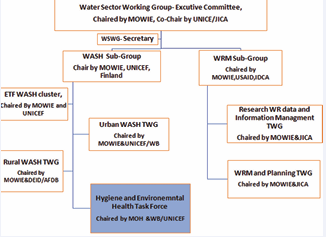
Figure 1: The Water Sector Working Group (WSWG) Structure, 2017
Under this institutional structure, the WSWG comprises two subgroups: (1) Water, Sanitation, and Hygiene (WASH) and (2) Water Resource Management (WRM) [8]. The WSWG Secretariat is hosted by the Ministry of Water and Energy (MoWE), and meetings are conducted regularly as scheduled. Within the WASH sub-group, desk reviews indicate that the Hygiene and Environmental Health SC/TC is one of the four WASH sub-group coordination platforms, alongside the WASH Cluster Coordination, the Urban WASH TWG, and the Rural WASH Technical Group. However, key informants from the Ministry of Health (MoH) strongly oppose this classification, arguing that the WASH Taskforce is not part of this subgroup and was incorporated without MoH’s consensus.
From a coordination theory perspective, its strength lies in creating a dedicated space for joint sensemaking and aligning strategic priorities between two powerful actor groups. The existence of sub-groups for WASH and Water Resource Management (WRM) is an attempt to manage task interdependence by separating but coordinating related domains. However, the analytical value of coordination theory is powerfully illustrated by the conflict over the classification of the Hygiene and Environmental Health SC/TC. The MoH’s strong opposition to this structure being placed under the WSWG reveals a fundamental breakdown in the coordination architecture’s legitimacy, as KII 3 indicated that “I don’t want to go to the meeting to avoid any unhealthy ideas and points raised by either of the sectors”. It highlights that coordination is not just about structural design but about the perceived relational coordination and respect for jurisdictional boundaries between key actors. This conflict signifies a failure to secure mutual agreement on the platform’s “rules of the game,” creating a fault line that undermines the very purpose of the forum by generating mistrust and contested understandings of roles [9].
The National Wash Steering and Technical Committees: Another key mechanism is the National WASH Steering and Technical Committees, previously known as the WASH Taskforce, established in April 2016 under the leadership of the MoH with a signed Memorandum of Understanding (MoU) and ToR between the MoH and several other ministries.
The Technical Committee, chaired by the MoH, includes partners, donor agencies, multilateral and bilateral organizations, and international NGOs, while the Steering Committee is chaired by the MoH State Minister. Other sub-groups under the WASH Technical Committee include the National Global Handwashing TWG, the National Menstrual Hygiene Management TWG, the Self-Supply TWG, and the Sanitation Marketing Multi-Stakeholder Platform (MSP) [10]. According to the meeting minutes, documented meetings were conducted with a total of 14 minutes. The meeting minutes included agendas, attendee lists, action points, invitations, official letters for meeting calls, established contact addresses, and continuity in discussing related issues. A critical review of these 14 meeting minutes revealed that attendance ranged from a minimum of 6 to a maximum of 22 participants, representing approximately 12 government sectors, 15 non-governmental organizations (NGOs), and 3 United Nations (UN) agencies. Key agenda items discussed and proposed for further action included:
• The preparation, endorsement, and launching of various strategies, guidelines, and manuals
• Progress updates and plans to cascade national efforts to regions and city administrations
• Celebration of international and national WASH events (such as Global Handwashing Day)
• Implementation and budget utilization of the One WASH National Program/CWA
This platform, anchored by a formal MoU among multiple ministries, represents an attempt to establish a negotiated, relational coordination mechanism at the highest levels of government. The MoU is a critical coordination artifact that formally specifies the interdependencies among sectors such as Health, Water, and Education, and codifies their commitment to joint action. Coordination theory helps us see this structure as an effort to move beyond informal networks toward a more durable and accountable form of cross-sectoral collaboration [11]. The Technical Committee’s inclusion of donors and NGOs broadens the network and integrates external resources and expertise into the governmental decision-making process. The proliferation of sub-groups (e.g., on MHM, Sanitation Marketing) under the Technical Committee’s umbrella is a rational response to the need for specialized coordination around specific, complex issues. It allows for focused, detailed work by experts while maintaining a formal reporting line and accountability back to the central, multi-ministerial Steering Committee, thereby nesting different coordination mechanisms within an overarching governance framework.
National Integrated Urban Sanitation and Hygiene Steering Committee and Technical Team: The National Integrated Urban Sanitation and Hygiene Steering Committee and technical committees were established to implement the integrated urban sanitation and hygiene strategy launched in 2017. The National IUSH Steering Committee (NIUSH SC) integrates steering activities into sector strategic plans from the outset, ensuring prioritization. It endorses the consolidated annual plan and budget, approves partner funds for sector ministries and regional states, oversees M&E, provides program guidance, and ensures IUSH coordination across levels. Quarterly meetings are held, with urgent sessions possible [12]. The NIUSH SC will advocate the Memorandum of Understanding (MoU) to partners, regional state sector bureaus, and municipalities to secure support and encourage regions to adapt the program to their context and plans. The committee will conduct quarterly meetings, with the option for any ministry to propose an urgent extraordinary meeting when necessary.
The National IUSH Technical Team (NIUSH TT), chaired by the Federal Ministry of Health’s Hygiene and Environmental Health Directorate and secretariat by MoUDH, reports to the National WASH Steering Committee. It monitors implementation, guides activities, designs experience-sharing programs, assigns task groups, manages review meetings, ensures timely submission of Plans of Action, reviews semi-annual and annual reports, and organizes Joint Technical Reviews with development partners.
The NIUSH structure separates strategic governance (Steering Committee: alignment, resource allocation,advocacy) from technical implementation (Technical Team: operational interdependencies, planning, monitoring). The TT liaises with donors to align resource flows with strategic intent and forms task groups adaptively without destabilizing the core platform.
Water and Sanitation Forum, the Ethiopia Wash Movement, and Wash Media Forum: The Water and Sanitation Forum (WSF), established by the Consortium of Christian Relief and Development Associations (CCRDA), coordinates civil society efforts, addresses WASH enabling environment challenges, exchanges innovations, and organizes learning events. It comprises ~61 member organizations but has no direct link to the WASH coordination office, functioning as an autonomous CSO affinity group for consensus-building, knowledge sharing, and collective advocacy.
Launched in 2004 as part of a global campaign, the Ethiopia WASH Movement promotes behavioral and social change, mobilizing political and societal commitment. By 2013, it had >90 members, including INGOs, UN agencies, faith-based groups, the private sector, and media. Key lessons: define member roles, appoint local communication staff, and ensure regular funding.
The WASH Media Forum, founded in 2008 by WaterAid and now chaired by the Ministry of Health (with SNV funding), enables policy dialogue between media professionals and WASH actors. Activities include training, field visits, media packs, WASH publications, and awards [13].
These platforms are voluntary, network-based coordination mechanisms emerging from civil society— unlike government-led mandatory structures. Coordination theory classifies them as lateral coordination among actors sharing identities and goals, reducing fragmentation and amplifying collective influence. The WASH Movement exemplifies coordination around a common cause rather than a project. However, the lack of direct linkage between WSF and the government WASH office reveals a critical coordination gap: no boundary-spanning mechanism between state and civil society. While internally effective, their policy impact remains severely limited, underscoring that sector-wide coordination requires integrating voluntary networks with formal state structures.
The Emergency Wash Cluster and the Sanitation Marketing MSP: Coordination of Emergency WASH Response led by Ethiopia’s Ministry of Water and Energy (MoWE) with UNICEF support, the WASH Cluster— established in 2006 as an Emergency Task Force—enables stakeholder information-sharing and coordination for preparedness, response, and rehabilitation. It operates in six drought- and flood-prone regions (Afar, Amhara, Oromia, SNNP, Somali, Tigray). However, coordination is hindered by multiple ministries (MoWE and MoH), numerous agencies/CSOs, and, notably, the inactive engagement of the MoH WASH Directorate, which has no link to cluster profiles. As highlighted by NGO A, “we received multiple requests for support for a single region X for different interests. The health sector requested us water treatment chemicals with ORS, the water sector requested us water tracking vehicles, and the women sector requested menstrual kits.”
Sanitation Marketing Multi-Stakeholder Platform (MSP) Established in February 2014 under the 2013 National Sanitation Marketing Guideline, the MSP— chaired by MoH with Transform WASH as secretariat— aims to enable sanitation marketing, improve access to affordable technologies via private sector engagement, and stimulate demand [14]. It holds quarterly discussions for progress reporting, challenge review, information exchange, and joint decisions. Four technical working groups (TWGs) operate with specific objectives (Figure 2). Government sector C highlights that “I enjoyed the hot discussions held between partners and how the government liaises and entertains the different ideas in the sessions.”
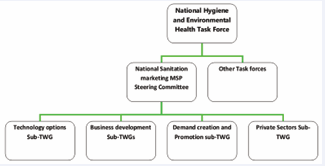
Figure 2: Coordination structure of the sanitation multi-stakeholder platform organogram, 2014
These platforms manage distinct interdependencies. The WASH Cluster exemplifies humanitarian coordination for urgent, time-critical emergency response, but its critical weakness—MoH non-engagement—undermines relational coordination, severing links between emergency response and long-term developmental WASH programming, risking duplication or conflict. In contrast, the Sanitation Marketing MSP addresses complex market-development challenges through specialization via four TWGs, acknowledging that no single actor holds all solutions and that structured cross-functional collaboration is essential [15].
Wash Coordination Structures at the Sub-National Level
The Ministry of Health’s attempt to cascade a uniform coordination structure to the regional level reveals a foundational tension between central prescription and local administrative reality. While most regions adopted WASH directorates, exceptions (Amhara, Tigray, SNNP) are not delays but coordination failures—specifically, lack of alignment with Regional Civil Service Bureaus. Without formal approval, coordination defaults to less sustainable case teams.
The Addis Ababa model exemplifies a mature, formalized coordination system that effectively manages interdependence through robust and legally binding mechanisms. The signed MOU transforms inter-sectoral collaboration into a contractual obligation, reducing ambiguity. Technical Working Groups (TWGs) manage daily operational interdependencies, while a deputy-head chaired steering committee handles strategic alignment—a clear hierarchy that enhances cohesive action.
The SNNPR situation presents a stark contrast to Addis Ababa, serving as a case study in coordination atrophy where formal mechanisms remain unimplemented. The WASH functions are relegated to a case team within a health directorate. No updated task force, no signed MOU. Project-specific TWGs (e.g., Sanitation Marketing) offer temporary, donor-driven coordination but undermine long-term sustainability, leaving the system vulnerable to projecting lifecycles.
As shown in Table 1, the regional coordination fora reveal a critical distinction between structural presence and functional coordination capacity.
Table 1: Regional WASH-related Coordination Forum
|
Region |
WASH structure |
Name of the platform |
Functionality |
Availability of Clear TOR/MoU |
Members actively participating |
|
Oromia |
WASH and NTDs Directorate |
One WASH National Program (OWNP) technical and steering committees |
Yes |
No |
Government (Hygiene, water quality, HE focal), OWNP, and partners |
|
Multi-Sectoral platform- Sanitation Marketing |
Yes |
Yes |
WSSCC-SNV, PSI, Plan International, UNICEF, Health office, Water and energy office, TVET, MFI |
||
|
WASH and NTDs Directorate |
WASH steering and technical committee |
Yes |
Yes |
Health, Water, Education, Finance, urban development, culture and tourism, agriculture, |
|
|
Amhara |
Case team |
OWNP technical and steering committees and technical committees |
Yes |
No |
Gov (Hygiene, water quality, WASH focal), OWNP, Carter Center, WASH emergency, UNICEF) |
|
Multi-Sectoral platform (MSP forum)-Sanitation Marketing |
Yes |
Yes |
BOFED
|
||
|
Case team |
WASH steering and technical committee |
Yes |
Yes |
Health, Water, Education, Finance, Urban Development |
|
|
Dire Dawa |
Directorate |
One WASH technical team |
|
Yes |
Education, health, Water, and mineral energy, BOFED |
|
Multi-Sectoral sanitary platform |
Yes |
Yes |
TVET, MFI, Job creation, Women and Child, Education, NGO-CRS, SNV |
||
|
Directorate |
WASH steering and technical committee |
Yes |
Yes |
Health, Water, Education, Finance, Urban Development |
|
|
Somali |
Case team |
Multi-Sectoral platform (MSP forum)-Sanitation Marketing |
Yes |
Yes |
WSSCC-SNV, PSI, Plan International, UNICEF, Health office, Water and energy office, TVET, MFI |
|
WASH Cluster |
Yes |
Yes |
Government: Health(co-chair), water and Energy-Chair, Education and disaster, and risk Partners: All WASH partners such as UNICEF, Save the Children, WHO, Islamic Relief, Transform WASH, etc. |
||
|
Sanitation and hygiene TWG |
Yes |
Yes |
Government: Health, water, Energy, and Education Partners: All WASH partners such as UNCIF, Save the Children, WHO, Islamic Relief, Transform WASH, etc. |
||
|
Case team |
WASH steering and technical committee |
Yes |
Yes |
Health, Water, Education, Finance, Urban Development |
|
|
Gambella |
Directorate |
Sanitation marketing |
Yes |
Yes |
Partner: AMRIF, Plan, PSI, SNV, Samaritan Purse, UNICEF Gov’t: (Health office, Water and Energy, Food security, MFI, TVET, office |
|
OWNP technical and steering committees |
Yes |
Yes |
Education, health, Water, mineral energy, and finance |
||
|
Directorate |
WASH steering and technical committee |
Yes |
Yes |
Health, Water, Education, Finance, Urban Development |
|
|
Afar |
Directorate |
Emergency WASH Task Force (Regional WASH cluster) |
Yes |
Yes |
Education, health, Water, and mineral energy-Chair, BOFED, Metrology, UNICEF, CARE, AMREF, Save the Children. |
|
OWNP technical and steering committees |
Yes |
Yes |
Education, health, Water, mineral energy, and finance |
||
|
Multi-Sectoral platform/Sanitary marketing |
Yes |
Yes |
Government: TVET, MFI, Job creation, Women and Child, Finance, Health, Education NGO: IRC, WSSCC-SNV, PSI |
||
|
Urban Sanitation Forum |
No |
No |
Health, urban and house construction and planning, Agriculture, Water, Women and Children, Environmental protection, trade and industry, Tourism |
||
|
Directorate |
WASH steering and technical committee |
Yes |
Yes |
Health, Water, Education, Finance, urban dev’t |
|
|
Tigray |
Case team |
OWNP technical and steering committees |
Yes |
Yes |
Gov’t: Education, health, Water, and mineral energy, BOFED Partner: REST, Plan, IRC, PSI, World Vision, UNCIF |
|
Multi-Sectoral platform (MSP forum)-Sanitary Marketing |
Yes |
Yes |
Gov’t: Health office, Science and technology, Women, Child and Youth, Water and Energy, SME MFI, TVET, BoFED Partner: REST, Plan, IRC, PSI, World Vision, UNCIF |
||
|
Directorate |
WASH steering and technical committee |
Yes |
Yes |
Health, Water, Education, Finance, Urban Development |
|
|
SNNPR |
Pinpoint |
OWNP technical and steering committees |
Yes |
No |
Gov’t (Hygiene, water quality, WASH focal), OWNP, and partners |
|
Multi-Sectoral platform (MSP forum)-Sanitation Marketing |
Yes |
Yes |
WSSCC-SNV, PSI, Plan International, UNICFE, Health office, Water and energy office, TVET, MFI |
||
|
Directorate |
WASH steering and technical committee |
Yes |
Yes |
Health, Water, Education, Finance, Urban Development |
Most regions have steering/technical committees (structural presence), but clear TORs/MOUs are the true indicator of functional capacity. Platforms without them (e.g., Oromia, Amhara, SNNP) rely on informal understandings, risking duplication and collapse. Conversely, Multi-Sectoral Platforms for Sanitation Marketing have clear TORs—external partners demand formalization, whereas intra-government coordination often falsely assumes implicit alignment [16].
Coordination Platforms Limitations
Nationally, key challenges included frequent turnover of committee members without knowledge transfer, lack of a legal framework for the MoU (creating accountability gaps), and inconsistent attendance. A “National Sector A” focal person noted, “everyone calls a meeting, dragging partners and leads their own strategy development.” Meetings often had low attendance due to reliance on individual commitment. Additional issues included: no responsible body for follow-up on action points; inconsistent naming; absence of a common budget or inclusive actions; last minute agenda setting; incomplete coverage of hygiene and environmental health; delayed assignments due to busy schedules and weak accountability; insufficient strategy implementation at all levels; limited evidence generation, research, documentation of lessons, and best practices; and no clear system for resource allocation, mobilization, or utilization (funding, supplies, dedicated WASH staff).
Regional WASH platforms lacked terms of reference (TOR), dedicated staff, and trained personnel. Agenda selection prioritized current or NGO-driven issues over comprehensive sector needs. Specific challenges included: budget constraints and reliance on partner support or internal bureau budgets; regional leaders deprioritizing WASH, leading to low commitment; no accountability mechanism for sector bureaus failing MoU obligations— as a Region B WASH coordinator stated, “Coordination meetings were invited and conducted informally. There is no structure to hold anyone accountable,” inadequate follow up and supportive supervision, absence of a structured learning, monitoring, and evaluation system, limited partner participation, and lack of a full-time, dedicated coordination lead.
DISCUSSION
WASH coordination in Ethiopia features strong multi-sectoral structures like the One WASH National Programme (OWNP) but faces common African challenges such as funding shortages and access issues compared to peers like DRC, South Sudan, and Nigeria. While Ethiopia emphasizes government-led integration across ministries, other countries struggle more with fragmented silos and limited localization [17].
Ethiopia’s ONWP unites Ministries of Water, Health, Education, and Finance under UNICEF support, promoting joint planning and community management for rural and urban WASH. In contrast, South Sudan and CAR lack dedicated coordinators and full-time staff, relying heavily on international NGOs amid protracted crises. Nigeria’s North-East WASH Sector involves 16 national NGOs alongside UN and INGOs, with government co-leadership via the Ministry of Water Resources [18]. Ethiopia demonstrates robust government participation in WASH coordination through formalized multi-ministerial frameworks, contrasting sharply with South Sudan’s limited involvement amid protracted instability. These differences stem from Ethiopia’s established development-oriented structures versus South Sudan’s reliance on external actors due to capacity constraints [19].
Ethiopia’s model advances rural equity through cost-sharing and local tech, outperforming silo-heavy systems in Nigeria or Zimbabwe, where progress stalls. Conflict zones like South Sudan show poorer coverage due to insecurity, while non-conflict peers (e.g., Malawi floods) highlight Ethiopia’s edge in preparedness via sub-national platforms. Overall, Ethiopia’s multi-ministerial approach fosters resilience, but shared SSA issues like a 0.08-2.54% GDP allocation limit all [20].
Key barriers to effective WASH cluster coordination in Sub-Saharan Africa (SSA) include structural weaknesses, chronic underfunding, access restrictions, and capacity gaps, as identified in a 2026 systematic review of 47 studies across the region. These interconnected issues hinder timely, equitable responses amid rising emergencies, with conflict amplifying challenges like insecurity, while non-conflict settings reveal preparedness deficits [17]. Weak coordination frameworks, siloed planning, and fragmented governance undermine integration of local actors and clear mandates. Multiple jurisdictions and low government participation, as in DRC, contrast with Ethiopia’s stronger OWNWP but persist region-wide. Power imbalances marginalize local NGOs in decision-making [17]. Staff shortages, high turnover, and lack of trained personnel cause coordination fatigue, particularly in remote or insecure areas. Insufficient tools and technical expertise limit scalability. Universal M&E gaps hinder accountability and data-driven decisions. Fragmented partner collaboration—among UN, INGOs, NNGOs, and locals—stems from bureaucratic barriers and resource limits.
Analysis of Ethiopia’s Wash Coordination Architecture: A Coordination Theory Perspective
The Dominant Logic: A Government-Led, Hierarchical Core: Coordination theory posits that actors choose coordination mechanisms—such as hierarchies, markets, and networks—based on the dependencies that need managing (e.g., shared resources, simultaneous constraints, task assignments). In Ethiopia’s WASH sector, the dependency is clear: achieving national sanitation and water coverage goals requires the concerted effort of multiple line ministries, donors, and implementers. The chosen mechanism to manage this dependency is overwhelmingly hierarchical, as embodied by the One WASH National Program (OWNP).
The OWNP is not a voluntary network; it is a consolidated national program with a rigid, top-down structure from the Federal level down to the village Kebele. This is a classic example of hierarchy-based coordination, where authority, rules, and routines are the primary tools for managing dependencies. The Ministry of Health (MoH), as the lead agency, sets national targets, policies, and standards (e.g., the National Sanitation Marketing Guideline). This vertical integration aims to resolve the dependency of task assignment—lower levels are mandated to implement policies designed at the center and report progress back up. The National IUSH Steering Committee (NIUSH SC) and its Technical Team (TT) exemplify this logic, with clear roles for approving budgets, ensuring alignment with partner modalities, and maintaining coordination structures “at all levels.” The hierarchy is designed to provide a predictable, controlled flow of resources and directives, ensuring that all governmental actors are aligned with the national strategy.
This hierarchical core is so strong that other coordination mechanisms are often subsumed or designed in its image. For instance, the National WASH Steering and Technical Committees (the former WASH Taskforce) operate with a formal MoU and ToR, binding multiple ministries into a formal structure chaired by the MoH. Even multi-stakeholder platforms like the Sanitation Marketing MSP, while including private sector actors, are firmly anchored to the hierarchy, chaired by the MoH and reporting upwards.
The Proliferation Challenge: Platform Density and the Network-Hierarchy Tension: While hierarchy provides a backbone, the sheer number of platforms— the WSWG, WASH Cluster, NIUSH SC, WSF, WASH Movement, WASH Media Forum, NTD TWG, and various TWGs under the MSP—indicates that the hierarchy alone is insufficient. This proliferation is a response to other types of dependencies and coordination needs that a rigid hierarchy struggles to accommodate.
From a coordination theory perspective, we can see the emergence of network-based coordination to handle specific tasks. The WASH-NTD TWG, for example, is a network of experts from different departments and sectors designed to foster knowledge sharing, identify synergies, and develop joint M&E systems—dependencies related to expertise and innovation that a strict chain of command is not designed to manage. Similarly, the Sanitation Marketing MSP uses a networked structure of TWGs to tackle specific problems (technology, business development) that require input from diverse actors, including the private sector, which sits outside the formal government hierarchy.
However, the analysis reveals significant friction where the hierarchical logic meets these networked initiatives. The analytical opportunity lies here, as these points of friction expose the true nature of the coordination architecture.
• Jurisdictional Conflict: The most explicit tension is the dispute over the Water Sector Working Group. The government-led WSWG, hosted by the MoWE, classifies the Hygiene and Environmental Health SC/TC as a sub-group. Key informants from the MoH “strongly oppose this classification,” stating it was done without their consent. This is not a minor bureaucratic dispute. From a coordination theory standpoint, it is a fundamental conflict over domain and authority. The MoH, as the lead for the OWNP hierarchy, perceives the MoWE-led WSWG network as a potential threat to its coordinating authority. Incorporating MoH-led platforms under the WSWG implies a higher-order dependency that MoH is unwilling to accept. The result is a duplication of effort and a failure to integrate water resource management with hygiene and sanitation, a critical dependency for sustainable WASH services.
• Orphaned Networks: The WSF, established by an NGO consortium, represents a purely civil society network. The analysis notes there is “no direct linkage with the WASH coordination office.” While the WSF supports government programs, its complete disconnection from the formal coordination structure means it operates in a parallel space. Its value in aggregating CSO perspectives and identifying enabling environment challenges is largely lost to the formal decision-making process. The hierarchy has not found a mechanism to absorb or formally liaise with this network, creating a gap in the overall coordination architecture.
• Network Instability: The decline of the WASH Movement and the WASH Media Forum illustrate the vulnerability of pure networks. They rely on committed individuals, “regular funding,” and clear roles. When these are absent, as the lessons from the Movement noted, the network dissipates. The partial recovery of the WASH Media Forum by bringing it under the MoH-chaired WASH Technical Committee is a telling move. It suggests that for sustained impact, a network may need to be tethered to the more stable resource base and authority of the hierarchy. This hybridizes the mechanism, granting it longevity but potentially co-opting its independent voice.
Applying coordination theory reveals that Ethiopia’s WASH coordination is not a single, coherent system but a government-led, multi-stakeholder hybrid model with an intensely strong hierarchical core. The hierarchy of the OWNP provides the central nervous system for policy dissemination and reporting. However, the body is covered with a dense network of specialized platforms, or “nerve clusters,” designed to handle specific tasks like emergency response (WASH Cluster), market development (Sanitation Marketing MSP), or cross-sectoral integration (WASH-NTD TWG). The critical analytical insight is that while this density reflects an attempt to address complex dependencies, the architecture is fragmented by unresolved tensions over authority. The hierarchical core, instead of providing a clear framework for these networks, often views them with suspicion or seeks to absorb them, as seen in the WSWG-MoH conflict. This leads to a system where coordination occurs within platforms but is weak between them, particularly between the water and health sectors at the national level. The lack of a formal linkage with the CSO-led WSF further compounds this fragmentation. Ultimately, the effectiveness of Ethiopia’s WASH sector depends not just on the number of platforms but on the ability to manage the dependencies between them, requiring a more deliberate and negotiated approach to reconciling the powerful logic of the hierarchy with the agility and specialization of its many networks.
Coordination Platforms Best Practices
In Egypt, the Ministry of Environment introduced a policy emphasizing risk reduction, law enforcement, source-level pollution treatment, mitigation, and intersectoral collaboration. It includes a national environmental health strategy aligned with global frameworks to address air pollution, inadequate sanitation, water contamination, and chemical exposure, leveraging shared resources and expertise to reduce costs and maximize impact [9].
In Malawi, the 2018 environmental health policy set specific targets for healthcare settings but faced implementation gaps due to insufficient funding, staffing, weak coordination, and inadequate training. Strengths include a well-structured department linking facilities to policymakers. Recommended solutions comprise refresher training, a directorate-level structure, and better coordination to secure additional funding [10].
In Uganda, multi-level institutional arrangements engage local councils, communities, NGOs, and CBOs in participatory planning for environmental health services. However, poor coordination, limited capacity, and resource constraints leave onsite sanitation largely to individuals and NGOs. Community participation, gender inclusion, stakeholder collaboration, and institutional commitment remain essential for effective WASH programs [11].
In Switzerland, decentralization allows 15 cantons to organize health services aligned with federal policies,improving responsiveness to local priorities. Federal coordination is necessary to address disparities in financing and resource distribution, highlighting the value of decentralized coordination for equitable WASH services [12].
Nigeria’s North-East WASH Sector demonstrates best practices in crisis settings through government-led coordination, localization of national NGOs (NNGOs), and capacity building [13]. The Ministry of Water Resources leads with UNICEF and NRC as co-leads, integrating 16 NNGOs into platforms such as the Strategic Advisory Group. National partners produce local-language IEC materials and manage LGA coordination. Transparent funding processes (e.g., NHF) include NNGOs in gap analysis and project scoring. Technical assessments by the Global WASH Cluster guide annual trainings on solar pumping, CLTS, GIS, cash programming, and boreholes, reaching 12 NNGOs, 30 women, and 45 men in 2022. NHF grants support NNGO-led peer capacity development, while common services prioritize underfunded needs [14 16].
Limitations of the Study
Challenges encountered during this research were that most of the respondents were busy, and there was frequent restructuring within the sector. Some respondents may not give the right responses or basic information on sensitive data. Some respondents did not easily understand what they were asked to answer. However, efforts were made to get the required information by cross-checking responses using different data collection methods. The study didn’t include district and zonal level platforms where the WASH program’s grassroots level activities were implemented, and possible selection and social desirability bias may occur.
CONCLUSION
Ethiopia’s WASH coordination architecture is a government-led, multi-stakeholder hybrid with a strong hierarchical core. The One WASH National Programme (OWNP) effectively manages sequential dependencies for policy and resource cascading, while parallel TWGs, MSPs, and task forces address reciprocal dependencies for innovation. However, effectiveness is constrained not by a lack of platforms but by poor strategic integration. The system comprises distinct mechanisms—hierarchical, network-based, informal (“shadow”), and emergency— operating with divergent logics and accountabilities, raising coordination costs and creating contradictions. The hierarchy excels at top-down implementation but resists two-way adaptation, bottlenecking innovations from flexible platforms. The core problem is failed “interface management”: no deliberate handling of handoffs, information flows, or mutual accountabilities among existing bodies. Key disconnects include
• Hierarchy bottleneck: Network output slows under rigid OWNP approval, stifling innovation.
• Unmanaged shadow system: The Water and Sanitation Forum lacks structured links to formal policy and scaling.
• Emergency-development divide: The WASH Cluster operates in parallel, impeding sequential relief-to recovery transitions.
• Contested ownership: Disputes over hygiene coordination reflect unresolved tension between network inclusivity and hierarchical authority.
Establish formal liaison roles between informal networks and the OWNP hierarchy, create mandated handoff protocols between the Emergency Cluster and development platforms, and resolve governance disputes by explicitly aligning coordination mechanisms with their intended dependency types.
Sampling bias from excluding district-level WASH coordination platforms likely skews the study toward a “hierarchy dominant” conclusion by overrepresenting national and regional perspectives, formal procedures, and top down decision patterns while underrepresenting local negotiation, informal networks, and implementation realities that often moderate hierarchical authority. District actors may reveal distributed leadership, contextual adaptations, or resistance that dilute apparent dominance of higher tiers; their absence, therefore, weakens the robustness and generalizability of the hierarchy claim. To address this, future mixed methods designs should purposively sample across national, regional, and district platforms, combine comparative case studies with stratified random sampling of districts, and integrate quantitative network analysis (mapping ties, centrality) with qualitative methods (participant observation, in depth interviews, and focus groups) to capture both structural power relations and localized practices. Embedding longitudinal fieldwork and stakeholder validation workshops will further test whether hierarchy persists across administrative levels and over time, improving external validity and explanatory depth.
Proposed Wash Coordination Structure Options
Based on an analysis of best practices and challenges in existing platforms, I propose a coordination platform for the WASH sector. As shown in Figure 3, the proposed structure begins with a National Health Security Council (chaired by the Deputy Prime Minister), followed by a Strategic Advisory Committee (composed of signatory ministries) and a WASH Coordination Office with dedicated resources and authority.
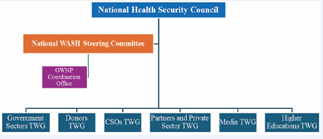
Figure 3: The proposed WASH Coordination Office organogram
The platform operates as an independent office with clearly defined job descriptions to prevent duplication of efforts, as highlighted by study participants. This structure facilitates the design and implementation of accountability and monitoring systems while ensuring proper resource allocation. Successful implementation requires budget and human resources at national, regional, zonal, and woreda levels, along with legal approval for establishment. It also necessitates drafting new TOR and MOU, as well as additional setup efforts. The council will have a direct relationship with one WASH coordination office through the steering committee.
• National Health Council: The National Health Council is the higher decision-making body in close collaboration with the National WASH steering committee. The council will be chaired by the deputy prime minister, and the WASH steering committee will serve as secretariat.
• National WASH Steering Committee: This committee provides strategic oversight and policy guidance for the national WASH sector, ensuring alignment with health security objectives and multi-stakeholder collaboration. This central node ensures policy coherence, resource allocation, and regulatory enforcement across all TWGs and platforms, integrating inputs into national health security strategies. The steering committee will also serve as the chair of the OWNP coordination office.
• Government sectors TWG: This TWG aligns cross-sectoral policies and interventions across health, water, infrastructure, and education ministries to ensure coordinated implementation of national strategies.
• Donors TWGs: This TWG harmonizes funding priorities, reporting requirements, and resource tracking among international and domestic donors to avoid duplication and close financing gaps.
• CSOs TWG: This TWG facilitates civil society organizations’ engagement in service delivery, community mobilization, and accountability mechanisms within the national health security framework.
• Partners and Private Sector TWG: This platform coordinates contributions from non-governmental partners and private enterprises, including logistics, innovation, and corporate social responsibility initiatives, to strengthen health and WASH systems.
• Media TWG: This TWG leverages public communication channels to promote evidence-based health and WASH messaging, counter misinformation, and support behavior change campaigns.
• Higher Education TWG: This TWG integrates water, sanitation, and hygiene (WASH) and health security priorities into university curricula, research agendas, and professional training programs.
DECLARATIONS
Ethics Approval and Consent to Participate
The study was approved by the ethics committee of the Ministry of Health WASH department, verbally led by the Director. In compliance with the Helsinki Declaration, this study does not contain any person’s data in any form (including individual details, images, or videos. Informed oral consent was requested before starting interviews and discussions by explaining the objective and how the results would be used. All interviews that were conducted with vulnerable populations were conducted with, and privacy, confidentiality, and anonymity were maintained.
Availability of Data and Materials
The datasets used and/or analyzed during the current study are available from the corresponding author upon reasonable request.
Author’s Contributions
AM: developed the research proposal, collected data, coordinated the research field work, conducted the data analysis, developed the results and reports, and developed the manuscript and reports.
Acknowledgments
First and foremost, I would like to express my sincere gratitude to the Ministry of Health for its unwavering support and commitment throughout the assessment process. I also extend our appreciation to key WASH and health development partners, including the federal and regional ministries of Health and Water, Irrigation, and Energy. Additionally, we thank professional associations, task force focal persons, and all individuals who contributed directly or indirectly to this study. Their willingness to participate and provide honest responses was invaluable to the success of this assessment. I am profoundly thankful to my beloved family, whose unwavering support, encouragement, and prayers have been my greatest source of strength. Your love and patience have sustained me through the challenges and long hours of this research.
REFERENCES
- Kumie A, Ali A. An overview of environmental health status in Ethiopia with particular emphasis on its organisation, drinking water and sanitation: a literature survey. Ethiop J Health Dev. 2005; 19: 9-15.
- United Nations. Transforming our world: the 2030 Agenda for Sustainable Development. 2015.
- UNICEF, WHO. Progress on household drinking water, sanitation and hygiene 2000-2020: Five years into the SDGs [JMP]. Geneva. 2021.
- Ministry of Health, Ministry of Water, Irrigation and Energy. Integrated Urban Sanitation & Hygiene Strategy and Strategic Action Plan for Ethiopia. 2017.
- Ministry of Health. National WASH and Environmental Health Strategy (2021-2025). 2021.
- Ministry of Water, Irrigation and Energy. Terms of Reference for the Establishment of The Water Sector Working Group (WSWG) And its Secretariat. 2015.
- Bouckaert G, Peters BG, Verhoest K. The Coordination of Public Sector Organizations. London: Palgrave Macmillan UK. 2010.
- CCRDA. WASH SECTOR REPORT ON CSOs’ CONTRIBUTIONS IN ETHIOPIA. 2018.
- Anwar WA. Environmental health in Egypt. Int J Hyg Environ Health. 2003; 206: 339-350.
- McCord R, Cronk R, Tomaro J, Reuland F, Behnke N, Mmodzi Tseka J, et al. The implementation of environmental health policies in health care facilities: The case of Malawi. Int J Hyg Environ Health. 2019; 222: 705-716.
- Kulabako RN, Nalubega M, Wozei E, Thunvik R. Environmental health practices, constraints and possible interventions in peri-urban settlements in developing countries--a review of Kampala, Uganda. Int J Environ Health Res. 2010; 20: 231-257.
- Wyss K, Lorenz N. Decentralization and central and regional coordination of health services: the case of Switzerland. Int J Health Plann Manage. 2000; 15: 103-114.
- icvanetwork. Nigeria WASH Good-Practices.
- Nigeria—Water, Sanitation, and Hygiene Coordination Project (WCP)· DAI: International Development.
- SWA. Nigeria Country Overview. 2022.
- World Bank. Nigeria: Ensuring Water, Sanitation and Hygiene for All.
- Yimenu AA, Melaku Teshale G, Emnet Tesfaye Shimber, Patricia Ndugga. Barriers to water, sanitation, and hygiene (WASH) cluster coordination during emergencies in sub-Saharan Africa: A scoping review. 2025.
- Mustapha A, Laniyan T, Reigns A, Birke W, Zawide F. Pathway to Equity in Water, Sanitation, and Hygiene (WASH) in Africa: Challenges and opportunities. Environ Epidemiol. 2024; 8: e315.
- Travis Y, Hur Zannat, Nabila Khandaker, Dominique Porteaud, Franck Bouvet, Daniele Lantagne. WASH Coordination in Humanitarian Response: Evidence Summary. 2019.
- World Bank. Strengthening Sustainable WASH Access and Resilience in Ethiopia. 2025.