A Comparative Study of Nafamostat Mesylate and Regional Citrate Anticoagulation in Continuous Renal Replacement Therapy in Patients with High Risk of Bleeding
- *. These two authors contributed equally to this work
- 1. Department of Nephrology, the Second Afiliated Hospital of Nanchang University, China
Abstract
Regional citrate anticoagulation (RCA) is internationally recommended as the standard anticoagulation strategy for high-bleeding-risk patients undergoing continuous renal replacement therapy (CRRT). This study aimed to compare the efficacy and safety of nafamostat mesylate (NM) with RCA in patients at risk of severe hemorrhagic complications.
We conducted a prospective, randomized controlled trial involving 80 high-bleeding-risk patients who received CRRT in the Department of Nephrology at the Second Affiliated Hospital of Nanchang University between April 2023 and August 2024. Participants were randomly assigned to receive either NM or RCA for anticoagulation. The primary endpoint was the initial filter lifespan and the incidence of filter coagulation, while other endpoints focused on safety outcomes.
The study cohort comprised 80 patients (40 in the NM group and RCA group, respectively). Since all patients underwent daytime CRRT, the median initial filter lifespan both in the NM and the RCA group was 10 hours. There was no significant difference between the two groups (P=0.720); At the termination of CRRT, in the NM group 16 filters (40%) developed grade I coagulation, while 28 filter (70%) developed grade I coagulation in the RCA group (P=0.007). There were 10 cases (25%) of all adverse events in the NM group and 16 cases (40%) in the RCA group, with no difference between the two groups (P=0.152). Therefore, we consider that in high-bleeding-risk patients undergoing CRRT, NM appears to confer more effective anticoagulation than RCA without increasing hemorrhagic risk.
Keywords
• Interactive continuous renal replacement therapy
• High-risk Bleeding
• Citrate Anticoagulation
• Nafamostat Mesylate
• Filter Longevity
Citation
Li W, Huiting S, Gaosi X, Chengyun X (2026) A Comparative Study of Nafamostat Mesylate and Regional Citrate Anticoagulation in Continuous Renal Replacement Therapy in Patients with High Risk of Bleeding. J Urol Res 13(1): 1168.
INTRODUCTION
Continuous renal replacement therapy (CRRT), also known as continuous blood purification (CBP), is a blood purification technique that employs extracorporeal circulation to continuously and gradually remove excess fluid and solutes from the body, thereby replacing the function of impaired kidneys. During CRRT, platelet activation and the initiation of intrinsic/extrinsic coagulation pathways may occur, necessitating appropriate anticoagulation management. In clinical practice, the primary anticoagulants include unfractionated heparin (UFH), low-molecular-weight heparin (LMWH), citrate (sodium citrate), and argatroban. When selecting an optimal anticoagulation strategy, clinicians must carefullybalance patient-specific factors, therapeutic goals, and potential risks to ensure the best clinical outcomes.
Both the 2012 KDIGO (Kidney Disease: Improving Global Outcomes) guidelines for acute kidney injury [1], and the latest CRRT anticoagulation guidelines issued by the Chinese Society of Nephrology [2], recommend regional citrate anticoagulation (RCA) as the preferred anticoagulation strategy due to its safety and efficacy. For high-bleeding-risk patients requiring CRRT, RCA prolongs filter lifespan compared to no-anticoagulation strategies. Thus, sodium citrate anticoagulation should be prioritized unless contraindications exist. In recent years, even for patients with very low bleeding risk, citrate has been recommended as the first-line anticoagulant in Europe and the United States owing to its superior filter longevity and safety profile over UFH. However, RCA has limitations, including potential metabolic alkalosis, citrate accumulation risks, and the need for close monitoring in patients with hepatic dysfunction or lactic acidosis to avoid complications [3]. Additionally, RCA imposes stricter requirements for metabolic management and monitoring, necessitating frequent measurements of ionized and total calcium levels, as well as specialized equipment and replacement fluids. These factors increase operational complexity, limiting its widespread clinical adoption to some extent [4]. Nafamostat Mesylate (NM), a synthetic serine protease inhibitor, has an extremely short half-life, making it a suitable alternative anticoagulant for high-bleeding-risk patients. It is widely used in extracorporeal circuits in South Korea and Japan [5,6]. However, its anticoagulant effects remain less familiar in Western countries. Conversely, while NM has been used in Japan for nearly three decades, clinical experience with citrate remains scarce. Due to minimal regional overlap in usage, high-quality evidence comparing the efficacy and safety of NM and RCA is limited. In recent years, China has gradually adopted both agents. Therefore, this study aims to evaluate the efficacy and safety of NM versus RCA for anticoagulation in high bleeding-risk patients undergoing CRRT, providing a reference for the future clinical application of NM.
METHODS
Clinical data
This prospective cohort study was conducted at the Department of Nephrology, the Second Affiliated Hospital of Nanchang University, between April 2023 and June 2024, enrolling patients requiring CRRT. The inclusion criteria comprised: (1) age ≥18 years regardless of gender; (2) clinical indication for CRRT as assessed by a nephrologist, specifically including: refractory fluid overload (unresponsive to diuretic therapy, accompanied by dyspnea, pulmonary edema, or cardiac insufficiency), severe electrolyte disorders (mainly refractory hyperkalemia with serum potassium ≥6.5 mmol/L or accompanied by electrocardiographic abnormalities), severe metabolic acidosis (arterial blood pH ≤7.20 or serum bicarbonate ≤12 mmol/L), Acute Kidney Injury (AKI) , requiring the removal of uremic toxins (e.g., severe azotemia with blood urea nitrogen ≥36 mmol/L or a daily increase of ≥9 mmol/L), and severe infections require the clearance of inflammatory mediators; (3) provision of written informed consent; and (4) requirement for either NM or RCA due to elevated bleeding risk. High bleeding risk was operationally defined as: spontaneous hemorrhage (e.g., epistaxis, gastrointestinal bleeding), intracranial hemorrhage, recent surgical intervention within 14 days preceding CRRT initiation, or coagulopathy (prothrombin time [PT] >20 s, international normalized ratio [INR] >2, activated partial thromboplastin time [APTT] >60 s, or platelet count <80×10^9/L) [7,8].
Exclusion criteria included: (1) pre-existing hepatic cirrhosis, significant hepatic dysfunction (serum alanine aminotransferase (ALT), aspartate aminotransferase (AST), or total bilirubin (TBIL) levels > 1.5 times the upper limit of the normal reference), severe hematologic disorders, malignancies, or prior organ transplantation; (2) psychiatric conditions or inability to comply with treatment protocols; (3) concurrent anticoagulation requirements unrelated to CRRT; (4) known hypersensitivity to study medications (NM/RCA) or their excipients; (5) current pregnancy, lactation, or planned conception; and (6) any other contraindications as determined by the principal investigator. The study protocol received ethical approval from the Biomedical Ethics Committee of the Second Affiliated Hospital of Nanchang University, with written informed consent obtained from all participants or their legally authorized representatives.
Treatment protocol
This study was a single-center, head-to-head, open label, randomized controlled trial. Machine operation and monitoring adjustments were performed by nephrology specialized nurses throughout the treatment. All patients received CRRT using the Aquarius CRRT machine (Baxter Medical Supplies Trading Co., Ltd.), equipped with an HF1200 filter (membrane area 1.25 m²) and extracorporeal circulation tubing. Treatment protocols were as follows: (1) Vascular access: Double-lumen catheters were placed in the internal jugular or femoral vein. (2) Treatment mode: CVVHDF (continuous venovenous hemodiafiltration) was applied to all patients, with post-dilution replacement fluid infusion. (3) Replacement fluid component A (Qingshan Likang Co., Ltd.): Na? 113 mmol/L, Cl? 118 mmol/L, Ca²? 1.60 mmol/L, Mg²? 0.797 mmol/L, glucose 10.6 mmol/L. (4) Potassium chloride (10%) was added to the replacement fluid as per arterial blood gas analysis results, followed by thorough mixing. Sodium bicarbonate (5%, replacement fluid component B) was infused via the venous drip chamber, when using 4000ml of component A per bag combined with 250ml of component B, the concentrations of each component are as follows: Na? 141 mmol/L, Cl? 110 mmol/L, Ca²? 1.50 mmol/L, Mg²? 0.75 mmol/L, glucose 10 mmol/L. Treatment parameters: (5) Blood flow rate 160 ml/min, replacement fluid rate 1.0 L/h, dialysate rate 2.0 L/h. Duration: 10-12 hours per session.
RCA Group: Patients in the RCA group received RCA anticoagulation. A 500 mL solution of 100 mg/L heparin in normal saline was used to prime the extracorporeal circuit and filter. After initiating CRRT, 4% sodium citrate anticoagulant was infused at an initial rate of 3.3 mmol/L, while 10% calcium gluconate was administered intravenously at an initial rate of 1.7 mmol/L. Venous blood was collected before the treatment, and at 1th/4th/8th/10th hour of treatment to detect ionized calcium (normal reference range: pre-filter as 1.00 1.20 mmol/L, calcium supplements were administered promptly if below 1.00 mmol/L; Post-filter as 0.20-0.40 mmol/L) and metabolic indicators (electrolytes, blood glucose) for dynamic assessment of metabolic status (Figure 1).
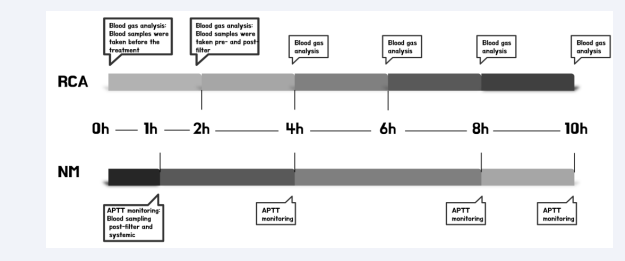
Figure 1 Patients in the RCA group received RCA anticoagulation
NM Group: Patients in the NM group received anticoagulation with NM. Prior to the initiation of extracorporeal circulation, 20mg of NM was dissolved in 500ml of normal saline and used to rinse, clean, and precharge the hemodialysis circuit. After the start of extracorporeal circulation, NM was dissolved in 5% glucose injection and infused into the circuit at a rate of 35mg per hour. Baseline APTT was measured before the treatment and re-examinations post-filter and systemic at 1th/4th/8th/10th hour of treatment. Post-filter APTT for 100 seconds or more, systemic APTT within 60 seconds (or within 1.5 times the baseline value), and the medication dosage was adjusted if beyond the target range (Figure 1).
Outcomes
Effectiveness outcomes:
Primary efficacy endpoints: 1) Operational lifespan of the primary filter; (Filter lifespan was defined as the duration of the first single filter from treatment initiation to termination of use. Termination criteria included filter functional failure due to clotting or the end of treatment)
2) Clotting events occurring in filters (Grades 0-III) and venous reservoirs (no clotting/mild clotting/minimal clotting) during dialysis, with filter clotting severity categorized based on the proportion of clotted fibers [9]: (1) Grade I: 50% fiber clotting.
Secondary efficacy endpoints:
1) Extracorporeal circuit pressures during CRRT: Arterial Line Pressure (AOP), Pre-Filter Pressure (PEP), Venous Return Pressure (RIP), and Transmembrane Pressure (TMP);
2) Changes in coagulation parameters before and after treatment: PT, APTT, INR, and TT;
3) Changes in hepatic and renal function before and after treatment: Urea Nitrogen (BUN), Serum Creatinine (SCr), Uric Acid (UA), Albumin, Alanine Transaminase (ALT), and Aspartate Transaminase (AST);
4) Changes in hemogram parameters before and after treatment: Platelet Count (PLT), Hemoglobin (Hb), and White Blood Cell Count (WBC);
5) Changes in blood gas parameters before and after treatment: pH, Calcium (Ca), Bicarbonate (HCO3?), and Potassium (K).
Safety outcomes:
Clinically significant abnormal laboratory parameters following treatment, particularly acid-base disorders and electrolyte abnormalities, require careful assessment;
The definitions metabolic alkalosis and metabolic acidosis as follows [10]:
1) Metabolic acidosis: Arterial blood pH < 7.35, accompanied by a bicarbonate (HCO3?) concentration < 22 mmol/L, with exclusion of acid-base imbalance caused by respiratory factors;
2) Metabolic alkalosis: Arterial blood pH > 7.45, a HCO3? concentration > 27 mmol/L, with exclusion of acid base imbalance caused by respiratory factors.
Adverse event monitoring protocol: (1) Continuous hemodynamic surveillance for hypotension and tachycardia, along with dermatological evaluation for pruritus throughout the therapeutic intervention. (2) Comprehensive monitoring for hemorrhagic complications in critical anatomical sites (including but not limited to nasal mucosa, conjunctiva, gingival tissue, vascular access points, gastrointestinal tract, and cerebrovascular system) during CRRT, within the 24-hour post-CRRT period, and at one-week follow-up.
Statistical analysis
All statistical analyses were conducted using SPSS software (version 26.0; IBM Corp.). Categorical variables, including gender distribution in baseline characteristics and intergroup comparisons of coagulation grades, were expressed as frequencies and percentages (%) and analyzed using the chi-square test, with results reported as P values. Normally distributed continuous data were presented as mean ± standard deviation (mean ± SD), and between-group differences were evaluated using independent samples *t*-tests, P values provided. For non normally distributed variables, data were summarized as median with interquartile range [Md (P25, P75)], and nonparametric analyses were performed using the Wilcoxon rank-sum test for pairwise comparisons. The comparison of changes in various indicators before and after CRRT treatment between the two anticoagulant groups were conducted using an ANCOVA model. A two sided P value <0.05 was considered statistically significant.
RESULTS
Study Participants
Patient screening for this study commenced in April 2023, with enrollment concluding in June 2024. A total of 99 patients underwent initial assessment. After applying the predefined exclusion criteria, 19 patients were excluded for the following reasons: significant hepatic impairment (n=5), documented cirrhosis (n=3), concurrent hematologic disorders or malignancies (n=2), requirement for systemic anticoagulation unrelated to CRRT (n=5), age <18 years (n=2), and either patient refusal or inability to complete the prescribed treatment course (n=2). Consequently, 80 eligible patients were enrolled in the study and subsequently randomized into two equal treatment groups: the Sodium Citrate group (n=40) and the Nafamostat Mesylate group (n=40).
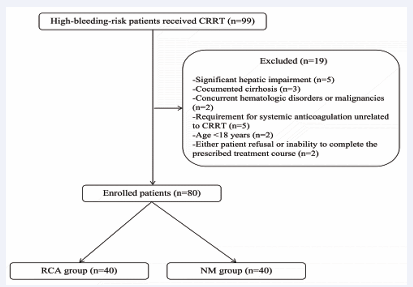
Figure 2 provides a detailed flowchart of the patient selection process.
Baseline characteristics of patients
This study enrolled 80 patients whose baseline clinical characteristics at anticoagulation initiation are summarized in Table 1.
Table 1: Baseline characteristics of study participants. Note: values for continuous variables, as mean ± standard deviation (between-group differences were evaluated using independent samples *t*-tests) or median values (interquartile range) (using the Wilcoxon rank-sum test for pairwise comparisons); Categorical variables were expressed as frequencies and percentages (%) and analyzed using the chi-square test. A P value <0.05 was considered statistically significant; Abbreviations: RCA, Regional citrate anticoagulation; NM, Nafamostat mesylate; AKI, Acute kidney injury; PLT, Platelet; AOP, Arterial line pressure; PEP, Pre-filter pressure; RIP, Venous return pressure; TMP, transmembrane pressure.
|
Characteristic |
All patients (N = 80) |
RCA (N = 40 ) |
NM (N = 40 ) |
P-Value |
|
Age, years |
66.11±13.61 |
68.60±9.66 |
63.33±17.85 |
0.428 |
|
Male, N (%) |
43(53.75) |
20(50) |
23(57.5) |
0.501 |
|
APACHE II, scores |
21.7±5.8 |
22.8±5.3 |
20.9±6.1 |
0.342 |
|
Vasopressors, N |
8 |
5 |
3 |
0.709 |
|
Mechanical ventilation, N |
0 |
0 |
0 |
- |
|
Baseline comorbidities, N |
|
|
|
|
|
Diabetes mellitus |
50 |
25 |
22 |
0.496 |
|
Hypertension |
44 |
23 |
21 |
0.653 |
|
Chronic kidney disease |
68 |
35 |
33 |
0.531 |
|
Old cerebral infarction |
11 |
7 |
4 |
0.330 |
|
Cardiovascular disease |
15 |
6 |
9 |
0.390 |
|
Causes of CRRT, N |
|
|
|
|
|
AKI |
12 |
5 |
7 |
0.056 |
|
Ischemic ATN |
4 |
2 |
2 |
1.000 |
|
Nephrotoxic injury, |
8 |
3 |
5 |
0.709 |
|
Difficult-to-correct hypotension during dialysis |
11 |
7 |
4 |
0.366 |
|
Cardiac failure |
34 |
19 |
15 |
0.366 |
|
Severe pneumonia |
5 |
3 |
2 |
1.000 |
|
Sepsis |
7 |
2 |
5 |
0.429 |
|
Others |
1 |
0 |
1 |
1.000 |
|
The timing of initiating CRRT, N |
|
|
|
|
|
Refractory fluid overload |
46 |
25 |
21 |
0.360 |
|
Oliguria/anuria |
1 |
0 |
1 |
1.000 |
|
Metabolic acidosis |
5 |
2 |
3 |
1.000 |
|
Hyperkalemia |
6 |
2 |
4 |
0.671 |
|
Require the clearance of inflammatory mediators |
12 |
5 |
7 |
0.709 |
|
Cardiac failure (non-volume related) |
10 |
6 |
4 |
0.499 |
|
Days admission to CRRT, days |
3 (1.5, 3) |
2.5 (1, 3.75) |
3 (2.25, 3) |
0.661 |
|
Risk of bleeding, N |
|
|
|
|
|
PLT <80×10^9/L |
18 |
16 |
2 |
<0.001 |
|
Coagulopathy |
0 |
0 |
0 |
- |
|
Presence of spontaneous bleeding |
62 |
24 |
38 |
<0.001 |
|
Access site, N |
|
|
|
|
|
Femoral vein |
57 |
36 |
21 |
<0.001 |
|
Internal jugular vein |
13 |
2 |
11 |
0.006 |
|
Permanent catheter |
3 |
1 |
2 |
1.000 |
|
Arteriovenous fistula |
7 |
1 |
6 |
0.108 |
|
Extracorporeal circulation pressure (mmHg) |
|
|
|
|
|
AOP |
- |
60.90±19.24 |
75.89±13.05 |
0.543 |
|
RIP |
- |
65.00±17.79 |
70.89±15.02 |
0.679 |
|
PEP |
- |
80.10±40.06 |
83.00±16.67 |
0.564 |
|
TMP |
- |
40.90±12.19 |
50.89±19.26 |
0.190 |
Baseline characteristics of patients
This study enrolled 80 patients whose baseline clinical characteristics at anticoagulation initiation are summarized in Table 1. The cohort comprised 43 male patients (53.75%), with a mean age of 66.11 ± 13.61 years. The primary indication for CRRT was cardiac failure (42.5%), followed by acute kidney injury (15.0%) and the timing of initiating CRRT including refractory fluid overload, oliguria/anuria, metabolic acidosis, hyperkalemia, require the clearance of inflammatory mediators and cardiac failure (non-volume related). Among the participants, 62 patients (77.5%) had recent active bleeding events, including cerebral hemorrhage (n=2), gastrointestinal bleeding (n=51), epistaxis (n=6), and gingival bleeding (n=3). Thrombocytopenia was observed in 18 patients The cohort comprised 43 male patients (53.75%), with a mean age of 66.11 ± 13.61 years. The primary indication for CRRT was cardiac failure (42.5%), followed by acute kidney injury (15.0%) and the timing of initiating CRRT including refractory fluid overload, oliguria/anuria, metabolic acidosis, hyperkalemia, require the clearance of inflammatory mediators and cardiac failure (non-volume related). Among the participants, 62 patients (77.5%) had recent active bleeding events, including cerebral hemorrhage (n=2), gastrointestinal bleeding (n=51), epistaxis (n=6), and gingival bleeding (n=3). Thrombocytopenia was observed in 18 patients
Table 1: Baseline characteristics of study participants.
Note: values for continuous variables, as mean ± standard deviation (between-group differences were evaluated using independent samples *t*-tests) or median values (interquartile range) (using the Wilcoxon rank-sum test for pairwise comparisons); Categorical variables were expressed as frequencies and percentages (%) and analyzed using the chi-square test. A P value <0.05 was considered statistically significant; Abbreviations: RCA, Regional citrate anticoagulation; NM, Nafamostat mesylate; AKI, Acute kidney injury; PLT, Platelet; AOP, Arterial line pressure; PEP, Pre-filter pressure; RIP, Venous return pressure; TMP, transmembrane pressure.
(22.5%), while no cases of coagulation disorders were identified.
Table 2: Baseline data. Note: values for continuous variables, as mean ± standard deviation (between-group differences were evaluated using independent samples *t*-tests) or median values (interquartile range) (using the Wilcoxon rank-sum test for pairwise comparisons). A P value <0.05 was considered statistically significant; Abbreviations: RCA, Regional citrate anticoagulation; NM, Nafamostat mesylate; Hb, hemoglobin; Hct, Hematocrit; WBC, White blood cell; PLT, Platelet; N, Neutrophil; BUN, Urea nitrogen; SCr, Serum creatinine; UA, Uric acid; ALT, Alanine transaminase; AST, Aspartate transaminase; TB, Albumin; TP, Total protein; PT, Prothrombin time; APTT, Activated partial thromboplastin time; INR, International normalized ratio; FIB, Fibrinogen.
|
|
All patients (N = 80) |
RCA (N = 40 ) |
NM (N = 40 ) |
P-Value |
|
Blood routine |
|
|
|
|
|
Hb (g/L) |
81.47±16.66 |
79.30±13.60 |
83.89±20.10 |
0.364 |
|
Hct (%) |
25.45±5.37 |
24.64±3.98 |
26.34±6.74 |
0.506 |
|
WBC (10^9/L) |
7.91±5.41 |
6.74±2.04 |
6.11±1.89 |
0.494 |
|
PLT (10^9/L) |
126.89±65.11 |
134.56±67.29 |
175.20±77.17 |
0.240 |
|
N (%) |
78.16±8.09 |
80.67±7.67 |
75.37±8.02 |
0.159 |
|
Biochemical |
|
|
|
|
|
BUN (mmol/L) |
22.81.13±7.20 |
22.13±5.63 |
23.58±8.93 |
0.673 |
|
SCr at the time of RRT initiation (umol/L) |
675.38 (475. 51, 730.19) |
606.13 (414.02, 624.67) |
752.41 (560.99, 864.14) |
0.182 |
|
Maximum SCr prior to RRT initiation (umol/L) |
733.78 (482.76, 707.42) |
675.47 (479.88, 619.90) |
773.16 (514.73, 869.68) |
0.195 |
|
Baseline SCr levels of AKI patients (umol/L) |
154.61 (67.23, 187.49) |
146.32 (63.54, 181.73) |
165.82 (71.51, 199.31) |
0.237 |
|
UA (umol/L) |
434.06±179.08 |
445.17±193.56 |
418.39±171.72 |
0.728 |
|
ALT (U/L) |
15.95 (10.09, 22.74) |
19.29 (16.43, 28.10)) |
9.58 (8.28, 14.92) |
0.035 |
|
AST (U/L) |
23.56 (14.94, 32.53) |
20.87 (15.89, 33.38) |
23.56 (14.31, 30.44) |
1.000 |
|
ALP (U/L) |
74.96 (58.52, 151.54) |
74.65 (56.37, 133.38) |
87.10 (63.56, 154.92) |
0.780 |
|
TB (g/L) |
33.12±6.42 |
35.02±4.99 |
31.00±7.43 |
0.181 |
|
TP (g/L) |
60.53±8.18 |
61.64±6.47 |
59.30±10.01 |
0.549 |
|
Na (mmol/L) |
138.63±3.74 |
138.52±2.63 |
138.75±4.87 |
0.898 |
|
K (mmol/L) |
4.39±0.75 |
4.56±0.78 |
4.20±0.71 |
0.304 |
|
Cl mmol/L() |
107.75±5.60 |
107.71±4.83 |
107.79±7.40 |
0.978 |
|
Ca (mmol/L) |
1.96±0.30 |
1.95±0.27 |
1.98±0.36 |
0.845 |
|
Blood Gas Analysis |
|
|
|
|
|
pH |
7.32±0.07 |
7.31±0.06 |
7.33±0.09 |
0.577 |
|
HCO3 - (mmol/L) |
18.18±4.02 |
18.06±4.75 |
18.31±3.30 |
0.896 |
|
K+ (mmol/L) |
4.27±0.78 |
4.36±0.76 |
4.17±0.82 |
0.602 |
|
Ca2+ (mmol/L) |
1.18±0.17 |
1.17±0.17 |
1.20±0.18 |
0.645 |
|
Coagulation function |
|
|
|
|
|
PT (s) |
12.50 (11.90, 12.90) |
12.15 (11.70, 12.50) |
12.80 (12.60, 14.80) |
0.028 |
|
APTT (s) |
25.00 (23.45, 26.10) |
24.10 (22.93, 24.83) |
25.10 (23.87, 26.80) |
0.055 |
|
INR |
1.09 (1.04, 1.13) |
1.06 (1.02, 1.09) |
1.12 (1.10, 1.30) |
0.053 |
|
FIB (g/L) |
4.22±1.65 |
4.70±1.78 |
3.69±1.40 |
0.190 |
Table 2 presents the baseline laboratory data for patients under the two anticoagulation strategies. Pretreatment comparisons included complete blood count, coagulation profile, plasma urea nitrogen, SCr, UA, liver function tests, electrolytes, serum pH, and arterial blood gas analysis. Statistical analysis revealed no significant differences between groups for any parameters except PT, which showed a marginal intergroup difference (P=0.028).
Anticoagulant endpoints
Primary efficacy endpoint:
All enrolled patients successfully completed 10 hours of ambulatory treatment without requiring filter replacement during the therapeutic period. No statistically significant intergroup difference was observed in filter utilization (P=0.720). Post-treatment analysis demonstrated that Grade I filter clotting occurred in 28 patients (RCA group) versus 16 patients (NM group), with no cases of Grade II or higher severity (P=0.007). Similarly, venous reservoir analysis revealed 28 Grade I
Table 2:
Baseline data. Note:
values for continuous variables, as mean ± standard deviation (between-group differences were evaluated using independent samples *t*-tests) or median values (interquartile range) (using the Wilcoxon rank-sum test for pairwise comparisons). A P value <0.05 was considered statistically significant; Abbreviations: RCA, Regional citrate anticoagulation; NM, Nafamostat mesylate; Hb, hemoglobin; Hct, Hematocrit; WBC, White blood cell; PLT, Platelet; N, Neutrophil; BUN, Urea nitrogen; SCr, Serum creatinine; UA, Uric acid; ALT, Alanine transaminase; AST, Aspartate transaminase; TB, Albumin; TP, Total protein; PT, Prothrombin time; APTT, Activated partial thromboplastin time; INR, International normalized ratio; FIB, Fibrinogen.
clotting events in the RCA group compared to 13 in the NM group, with no advanced clotting observed (P=0.001). Of particular clinical significance, the RCA group exhibited a substantially higher incidence of circulation circuit clotting events compared to the NM group, as detailed in Table 3.
Table 3: Anticoagulant effect. Note: values for continuous variables, as mean ± standard deviation (between-group differences were evaluated using independent samples
*t*-tests) or median values (interquartile range) (using the Wilcoxon rank-sum test for pairwise comparisons); Categorical variables were expressed as frequencies and percentages (%) and analyzed using the chi-square test. A P value <0.05 was considered statistically significant; Abbreviations: RCA, Regional citrate anticoagulation; NM, Nafamostat mesylate; AOP, Arterial line pressure; PEP, Pre-filter pressure; RIP, Venous return pressure; TMP, transmembrane pressure; h, hour; aAssess by evaluating the pressure differences at each point at 4-hour and 10-hour intervals compared to the initial pressure at startup.
|
|
RCA (N = 40 ) |
NM (N = 40 ) |
P-Value |
|
Primary efficacy outcomes |
|
|
|
|
Operational lifespan of the primary filter (h) |
10 (10, 10) |
10 (10, 10) |
0.720 |
|
Grade 0 Dialyzer coagulation |
12(30) |
24(60) |
0.007 |
|
Grade I Dialyzer coagulation |
28(70) |
16(40) |
0.007 |
|
Grade 0 Dialyzer venous reservoirs |
12(30) |
27(67.5) |
0.001 |
|
Grade I Dialyzer venous reservoirs |
28(70) |
13(32.5) |
0.001 |
|
Secondary efficacy outcomesa (mmHg) |
|
|
|
|
The changes in AOP at 4 h |
5.00±14.24 |
9.00±18.12 |
0.598 |
|
The changes in AOP at 10 h |
11.80±18.74 |
8.44±13.07 |
0.660 |
|
The changes in RIP at 4 h |
-2.70±16.59 |
-5.78±10.99 |
0.644 |
|
The changes in RIP at 10 h |
-1.90±17.27 |
9.89±16.95 |
0.152 |
|
The changes in PEP at 4 h |
-2 (-16.25, 16.50) |
3 (-9, 5) |
0.842 |
|
The changes in PEP at 10 h |
8.5 (-23.25, 19.75) |
13 (6, 15) |
0.447 |
|
The changes in TMP at 4 h |
8.70±10.50 |
7.78±19.02 |
0.896 |
|
The changes in TMP at 10 h |
12.40±12.29 |
5.44±23.93 |
0.429 |
Comprehensive evaluation
Changes in relevant indicators: In the two anticoagulation protocols, there were no significant differences between the groups in the changes of Hb (P=0.109), PLT (P=0.180), BUN (P=0.541), SCr (P=0.178),
pH (P=0.247), HCO3- (P=0.364), K+ (P=0.116) before and
after therapy (Table 4). When comparing coagulation function parameters before and after treatment, the changes in PT (P=0.024) and APTT (P=0.022) in the NM group were significantly different from those in the RCA group (P =0.008), which may be attributed to the inherent property of NM to prolong APTT.
Table 4: Pre- and post-treatment changes in related indexest. Note: Values for continuous variables, as mean ± standard deviation or median values (interquartile range). The comparison of changes in the following indicators before and after CRRT treatment between the two anticoagulant groups were conducted using an ANCOVA model. A P value <0.05 was considered statistically significant; Abbreviations: RCA, Regional citrate anticoagulation; NM, Nafamostat mesylate; Hb, hemoglobin; PLT, Platelet; BUN, Urea nitrogen; SCr, Serum creatinine; APTT, Activated partial thromboplastin time. P-value < 0.05 indicates that the anticoagulant mode has an impact on on a certain indicator before and after CRRT treatment.
|
|
RCA (N = 40 ) |
NM (N = 40 ) |
P-Value |
||
|
|
Pre-CRRT |
Post-CRRT |
Pre-CRRT |
Post-CRRT |
|
|
Hb (g/L) |
79.30±13.60 |
72.30±14.16 |
83.89±20.10 |
82.44±20.44 |
0.109 |
|
PLT (10^9/L) |
134.56±67.29 |
122.56±58.15 |
175.20±77.17 |
130.80±73.74 |
0.180 |
|
BUN (mmol/L) |
22.13±5.63 |
9.42±3.03 |
23.58±8.93 |
11.21±5.38 |
0.541 |
|
SCr (umol/L) |
666.13 (414.02, 724.67) |
222.806 (189.11, 327.99) |
752.41 (560.99, 864.14) |
303.74 (286.86, 381.36) |
0.178 |
|
pH |
7.31±0.06 |
7.38±0.03 |
7.33±0.09 |
7.41±0.04 |
0.247 |
|
HCO3 - (mmol/L) |
18.06±4.75 |
22.59±2.45 |
18.31±3.30 |
22.48±2.48 |
0.364 |
|
K+ (mmol/L) |
4.36±0.76 |
3.57±0.0.37 |
4.17±0.82 |
3.81±0.38 |
0.116 |
|
PT (s) |
12.15 (11.70, 12.50) |
12.24 (10.87, 12.63) |
12.80 (12.60, 14.80) |
14.76 (12.93, 15.04) |
0.024 |
|
APTT (s) |
24.10 (22.93, 24.83) |
23.54 (22.67, 24.49) |
25.10 (23.87, 26.80) |
37.53 (28.25, 45.90) |
0.008 |
Adverse events: The study found no statistically significant difference (P=1.000) in the incidence of new-onset or worsening bleeding events across various tissues and organs—including the nasal mucosa, bulbar conjunctiva, gingival region, puncture sites, gastrointestinal tract, and cerebral vessels—between the RCA and NM anticoagulation modes during and 24 hours post-CRRT. Additionally, neither group exhibited new bleeding events one week after treatment.
During the treatment period, both groups experienced adverse reactions, primarily metabolic alkalosis and vomiting. In the RCA group, adverse events included metabolic alkalosis (n=4), metabolic acidosis (n=2, P=0.474), hyponatremia (n=2, P=0.474), arrhythmia (n=1, P=1.000), emesis (n=2), bleeding (n=1), and thrombocytopenia (n=4), resulting in an overall adverse reaction rate of 40% (16/40). Conversely, the NM group reported metabolic alkalosis (n=2, P=0.671), emesis (n=3, P=1.000), bleeding (n=2, P=1.000), and thrombocytopenia (n=3, P=1.000), with a total adverse reaction rate of 25% (10/40). Statistical analysis indicated no significant differences in adverse reaction profiles between the two groups (P=0.152), as summarized in Table 5.
Table 5: Adverse events. aAnticoagulation-related hypotension; bNew bleeding or worsening bleeding; cPost-treatment platelet count decreased by greater than 20% from baseline. Note: Categorical variables were expressed as frequencies and percentages (%) and analyzed using the chi-square test. A P value <0.05 was considered statistically significant; Abbreviations: RCA, Regional citrate anticoagulation; NM, Nafamostat mesylate.
|
|
RCA (N = 40 ) |
NM (N = 40 ) |
P-Value |
|
Metabolic alkalosis |
4 |
2 |
0.671 |
|
Metabolic acidosis |
2 |
0 |
0.474 |
|
Hyperkalemia |
0 |
0 |
- |
|
Hypokalemia |
0 |
0 |
- |
|
Hypernatremia |
0 |
0 |
- |
|
Hyponatremia |
2 |
0 |
0.474 |
|
Allergic reaction |
0 |
0 |
- |
|
Hypotension a |
0 |
0 |
- |
|
Cardiac arrhythmia |
1 |
0 |
1.000 |
|
Emesis |
2 |
3 |
1.000 |
|
Bleeding b |
1 |
2 |
1.000 |
|
Thrombocytopenia c |
4 |
3 |
1.000 |
|
New-onset bleeding occurred one week post-treatment |
0 |
0 |
- |
|
Overall incidence rate of adverse events |
16 |
10 |
0.152 |
DISCUSSION
RCA has emerged as the preferred anticoagulation strategy for CRRT in Western intensive care units (ICUs) [11]. Nevertheless, RCA implementation presents several clinical challenges. This modality necessitates rigorous monitoring of electrolyte balance, ionized calcium levels
and acid-base status, thereby increasing both clinical workload and healthcare costs. Potential complications include hypernatremia, metabolic alkalosis, and refractory hypocalcemia. Moreover, RCA is contraindicated in patients with lactic acidosis due to impaired citrate metabolism, which may precipitate RCA toxicity—a condition characterized by persistent reductions in ionized and total calcium concentrations accompanied by worsening metabolic acidosis [12,13]. Although recent studies [14,15], have indicated that RCA can be applied to patients with liver failure under close metabolic monitoring, this approach also increases medical costs.
In contrast, Japanese ICUs predominantly employ NM as the anticoagulant of choice for CRRT, with an adoption rate exceeding 85%. With over three decades of clinical utilization, NM has demonstrated remarkable reliability within the Japanese CRRT paradigm. However, international guidelines typically recommend RCA for patients at elevated risk of severe bleeding complications, reflecting divergent clinical practices across regions.
Based on the aforementioned considerations, we conducted a randomized controlled trial to compare the efficacy and safety of NM and RCA in CRRT for patients with high bleeding risk. This study demonstrates that NM appears to offer superior anticoagulant effects compared to RCA in this high-risk population, without increasing adverse reactions or bleeding risks. As an extracorporeal anticoagulant, RCA provides robust anticoagulation and safety but is subject to usage restrictions due to its calcium chelating properties. Real-time monitoring of multiple parameters is required to maintain safe and prolonged anticoagulation effects. Conversely, NM, an endogenous anticoagulant drug with an 8-minute half-life, rapidly metabolizes in blood and the liver, enabling its application in high-bleeding-risk patients. NM exerts potent anticoagulation by inhibiting various factors, including plasmin, thrombin, coagulation factors (?a, ?a), kallikrein, complement factors (C1r, C1s), and non-antithrombin III-dependent trypsin [16]. Currently, the price of NM has significantly decreased, and its use eliminates the need for frequent blood gas analysis monitoring compared to RCA, thereby reducing costs.
Our findings contribute significantly to the ongoing debate regarding the optimal anticoagulant for CRRT in high-risk patients. The comparable anticoagulant effect between NM and RCA challenges the notion of RCA’s universal superiority, a conclusion that finds resonance, with nuances, across other recent studies.
A retrospective case-control study [17], focused on
patients with hyperlactatemia and high bleeding risk, a subgroup with potential impairment in citrate metabolism. It found comparable filter lifespan between NM and RCA, but a significantly better metabolic safety profile for NM (less citrate accumulation, hypocalcemia). Both the aforementioned study and this research support that, in their respective patient populations, NM is non-inferior to RCA in terms of anticoagulant efficacy, and both point towards potential safety benefits of NM. However, as an RCT study, this research allows for stronger conclusions about the effect of the anticoagulant itself, unlike the retrospective case-control design which is more prone to bias.
There are two retrospective studies [18,19], focusing on pediatric CRRT. Although they differ from the research subjectsofthis study, both suggest that thereisno significant difference in filter lifespan between RCA and NM. One of them also indicates that NM has superior metabolic safety. This study provides high-quality evidence for common clinical scenarios in adult management through an RCT design, and also found superior local anticoagulation with NM based on coagulation grading.
A single-center retrospective cohort study [20], concluded that RCA significantly prolonged filter lifespan compared to NM (29.6h vs. 23.4h). This discrepancy may be attributed to fundamental differences in study design. Zeng et al. [20], used sophisticated statistical models (Cox shared frailty model) to control for confounders, it remains susceptible to selection bias. Our prospective RCT minimizes selection bias, offering a more robust comparison. While Zeng et al. established RCA’s efficacy in a broad ICU setting, our controlled trial suggests that in a specific, well-managed context, NM’s performance is non-inferior in lifespan and superior in preventing circuit coagulation.
Although RCA is recommended as the first choice in most guidelines, in specific populations (such as those with high metabolic risk) and specific scenarios (such as daytime CRRT), NM demonstrates anticoagulant effects that are comparable to or even superior to RCA, as well as better safety. This study, as the first prospective RCT, fills the gap in high-level evidence in comparative studies between NM and RCA, providing strong evidence support for the application of NM in patients with high bleeding risk.
An important limitation of this study is that the filter usage duration was based on protocol-driven scheduled change (10-12 hours) rather than passive replacement due to clotting or complications, which differs from standard CRRT practice where filters are typically used for up to 72 hours. Thus, the conclusions regarding anticoagulant efficacy in this study cannot fully reflect the filter’s anticoagulant performance without time constraints, and the results have limited generalizability to the general CRRT population. Instead, they are more applicable to specific patients at high risk of bleeding who perform daytime CRRT treatment.
CONCLUSION
In summary, this RCT provides high-level evidence that NM is a valid and effective alternative to RCA for CRRT in high-bleeding-risk adults. Its ability to maintain circuit patency with less coagulation and a favorable safety profile makes it a particularly attractive option. The collective evidence from recent literature confirms that the choice between NM and RCA is not a matter of simple superiority but should be guided by patient-specific factors, such as underlying liver function or metabolic status, and the local clinical context and monitoring capabilities. In the future, multicenter, large-sample RCTs are still needed to further validate the conclusions and explore personalized anticoagulation strategies in different clinical scenarios.
ETHICS APPROVAL AND CONSENT TO PARTICIPATE
This study was approved by the Regional Ethics Committee of the Second Affiliated Hospital of Nanchang University. All included patients or authorized family members signed an informed consent form. The design of the study fully took the safety and fairness principle into account. The research did not harm the subjects and protected their privacy rights.
CONSENT FOR PUBLICATION
All the authors read and approved the final version of the manuscript.
AUTHOR CONTRIBUTIONS
Li Wang performed the data collection, reviewed articles, and wrote the manuscript. Huiting Shi completed the data analysis and provided the second views during the manuscript preparation. Gaosi Xu and Chengyun Xu revised the manuscript.
FUNDING
This work was supported by the Second Affiliated Hospital of Nanchang University Intramural Clinical Research Funding Program (No. 2021efyB02).
AVAILABILITY OF DATA AND MATERIAL
The datasets used or analysed during the current study are available from the corresponding author on reasonable request
REFERENCES
- Kidney Disease: Improving Global Outcomes (KDIGO) AcuteKidney Injury Work Group. KDIGO clinical practice guideline foracute kidney injury. Kidney Int Suppl. 2012; 2: 1-138.
- Chen Jianghua. Guidelines for the anticoagulant management of continuous renal replacement therapy. Chinese Society of Nephrology. 2022; 38: 1016-1024.
- Zhang W, Bai M, Yu Y, Li L, Zhao L, Sun S, et al. Safety and efficacy of regional citrate anticoagulation for continuous renal replacement therapy in liver failure patients: a systematic review and meta-analysis. Crit Care. 2019; 23: 22.
- Poh CB, Tan PC, Kam JW, Siau C, Lim NL, Yeon W, et al. Regional Citrate Anticoagulation for Continuous Renal Replacement Therapy - A Safe and Effective Low-Dose Protocol. Nephrology (Carlton). 2020; 25: 305-313
- Arimura T, Abe M, Shiga H, Katayama H, Kaizu K, Oda S. Clinical study of blood purification therapy in critical care in Japan: results from the survey research of the Japan Society for Blood Purification in Critical Care in 2013. J Artif Organs. 2017; 20: 244-251.
- Lee YK, Lee HW, Choi KH, Kim BS. Ability of nafamostat mesilate to prolong filter patency during continuous renal replacement therapy in patients at high risk of bleeding: a randomized controlled study. PLoS One. 2014; 10: 108737.
- Lee YK, Lee HW, Choi KH, Kim BS. Ability of nafamostat mesilate to prolong filter patency during continuous renal replacement therapy in patients at high risk of bleeding: a randomized controlled study. PLoS One. 2014; 10: 108737.
- Liu D, Zhao J, Xia H, Dong S, Yan S, Zhuang Y, et al. Nafamostat mesylate versus regional citrate anticoagulation for continuous renal replacement therapy in patients at high risk of bleeding: a retrospective single-center study. Eur J Med Res. 2024; 29: 72.
- Mei CL, Ye CY, Zhao XZ. Practical Dialysis Handbook [M]. 2nd edition. Beijing: People’s Medical Publishing House, 2003:56-115.
- Kasper DL, Fauci AS, Hauser SL, Longo DL, Loscalzo J. et al. Harrison’s Principles of Internal Medicine. 20th ed. New York, NY: McGraw-Hill Education. 2018.
- Hwang SD, Hyun YK, Moon SJ, Lee SC, Yoon SY. Nafamostat mesilate for anticoagulation in continuous renal replacement therapy. Int J Artif Organs. 2013; 36: 208-216.
- Kramer L, Bauer E, Joukhadar C, Strobl W, Gendo A, Madl C, Gangl A. Citrate pharmacokinetics and metabolism in cirrhotic and noncirrhotic critically ill patients. Crit Care Med. 2003; 31: 2450-2455.
- Bakker AJ, Boerma EC, Keidel H, Kingma P, van der Voort PH. Detection of citrate overdose in critically ill patients on citrate-anticoagulated venovenous haemofiltration: use of ionised and total/ ionised calcium. Clin Chem Lab Med. 2006; 44: 962-966.
- Bai SW, Xu LL, Zhang HM. Regional citrate anticoagulation in critically ill patients with liver failure: a prospective observational study. Blood Purification. 2021; 50: 667-675.
- Bai Y, Wang L, Li R. Regional citrate anticoagulation for continuous renal replacement therapy in critically ill patients: a meta-analysis of randomized controlled trials. Critical Care Medicine, 2019; 47: e236-e244.
- Aoyama T, Ino Y, Ozeki M, Oda M, Sato T, Koshiyama Y, et al. Pharmacological studies of FUT-175, nafamstat mesilate. I. Inhibition of protease activity in in vitro and in vivo experiments. Jpn J Pharmacol. 1984; 35: 203-227.
- Song C, Li R, Tang S, Tang S, Zhang P, Bai M. Different anticoagulation methods for continuous renal replacement therapy in patients with hyperlactataemia and a high risk of bleeding. Int J Artif Organs. 2025; 48: 639-652.
- He J, Zhang X. Comparison of different anticoagulation methods in continuous renal replacement therapy for pediatric acute liver
failure patients: a retrospective observational study. Front Pediatr. 2025; 13: 1667760.
- Miyaji MJ, Ide K, Takashima K, Maeno M, Krallman KA, Lazear D, Goldstein SL. Comparison of nafamostat mesilate to citrate anticoagulation in pediatric continuous kidney replacement therapy. Pediatr Nephrol. 2022; 37: 2733-2742.
- Zeng X, Cai X, Liao Z, Xiao Y, Wu J, Guan X, Liu Y, Luo L. Effect of nafamostat mesylate anticoagulation and regional citrate anticoagulation during continuous renal replacement therapy in critically ill patients: a retrospective study of efficacy and safety. Ren Fail. 2025; 47: 2580058.