Constipation and Chronic Prostatistis: Aggravating Factors, Urinary Retention and Bacterial Migration, Role of The Lymphatic System: Direct – Indirect Translocation Hypothesis -Imaging Can Help?
- 1. IMA academy, Applied Pharmacologist, Italy
- 2. IMA academy, Applied Pharmacologist, Italy
- 3. Department of Medical & Health Sciences for Women, Peoples University of Medical and Health Sciences for Women, Pakistan
- 4. Department of Hematology oncology, University of Aden, Yemen
- 5. Medical laboratory Turin, Citta Della salute, Italy
- 6. Medical laboratory Turin, Citta Della salute, Italy
Abstract
Aim of this work is to verify the relationship (anatomical, physiological, pathological) between the constipation and the prostatitis, to evaluate literature related the way of bacterial diffusion or migration (Direct or indirect mechanism).
A case report is submitted and then a global conclusion is provided: in one of the first steps in the therapy of prostatitis must to be evaluated to resolve constipation to reduce also the pressure near the Prostate.
The interconnection between the rectum with the prostate and the interrelated lymphatic flux can explain why this simply procedure can alleviate the congestion.
Keywords
• Physiology
• Anatomy
• Pathology
• Urology
• Prostatitis
• Constipation
• Relationship
• Diffusion
• Migration Of Bacteria
Citation
Luisetto M, Almukthar N, Mashori GR, Hamid GA, Cabianca L, et al. (2026) Constipation and Chronic Prostatistis: Aggravating Factors, Uri nary Retention and Bacterial Migration, Role of The Lymphatic System: Direct – Indirect Translocation Hypothesis -Imaging Can Help?. J Urol Res 13(1): 1170.
INTRODUCTION
PubMed literature documents a strong bidirectional relationship between constipation and urinary retention/ obstruction.
A distended rectum or large fecal impaction can mechanically compress the bladder neck and urethra
Enlarged Prostate and Constipation: Causes Explained from https://int.livhospital.com/enlarged-prostate-and constipation-causes-explained/
The Anatomical Relationship between Prostate and Bowel
It is important to know how the prostate and bowel are connected. This helps us see how an enlarged prostate can mess with bowel movements. The prostate is below the bladder and in front of the rectum, which is part of the large intestine.
Proximity of Prostate to Rectum
The prostate gland is very close to the rectum. They are separated by just a thin layer of tissue. This closeness means they can affect each other’s functions.
The Prostate Gland, Produces seminal fluid, Enlargement can press on the rectum. Rectum, Stores feces before elimination, Can be compressed by an enlarged prostate Pelvic Floor Muscles, Supports prostate and rectum, Dysfunction can lead to bowel issues
The link between an enlarged prostate and constipation is clear. Studies show that these two conditions are closely related.
The prostate rests just in front of the rectum. Chronic constipation causes rectal distention (a build up of stool and gas), which can physically compress the prostate and adjacent nerves
“What are the treatments for BPH?
Not everyone needs treatment for BPH. Treatment options depend on how much your symptoms bother you, your health, age, and the size of your prostate:
Lifestyle changes may improve the mild symptoms. They include:
Drinking less before the bedtime or going out, Avoiding or cutting back on beverages with caffeine and alcohol
Bladder training and exercising the muscles that control the urine flow, Preventing or treating constipation.
Medicines can help mild to moderate symptoms by:
Stopping the prostate from growing, shrinking the prostate, Relaxing muscles to improve the urine flow”
“Can constipation harm the prostate?
Constipation does not directly harm the prostate but may worsen BPH symptoms. If the rectum is full, it may press on the bladder, causing urinary urgency, frequency, or incontinence. Constipation treatment
Treatment for constipation involves changing what a person eats and drinks to make stool softer and easier to pass. The NIDDK Trusted Source advises that people can: eat more high fiber foods, such as beans and legumes, vegetables, and fruits, drink plenty of water, particularly if taking a fiber supplement be active, as regular exercise helps get the bowels moving
If diet and exercise changes are ineffective, a healthcare professional may recommend using an over-the-counter (OTC) laxative to encourage bowel movements. Types of OTC laxatives include:
Fiber supplements
Osmotic
Stool softeners
Lubricants, such as mineral oil
Stimulants
If OTC constipation treatments are ineffective, a doctor may recommend the following treatments:
Prescription medications, biofeedback therapy to retrain the muscles that control bowel movements
Surgery to correct a blockage in the colon” in article: l World J Mens Health. 2024 doi: 10.5534/wjmh.240024
The Relationship between Gut Microbiota and Prostate Health
Shang Weon Pak et al,
“An overgrowth of certain harmful bacteria in the gut could increase the risk of these bacteria translocating to the prostate. Once in the prostate, these bacteria can trigger an inflammatory response, leading to the symptoms associated with prostatitis. The gut microbiota can influence the immune system’s response, potentially exacerbating or mitigating the inflammation in the prostate” Bharucha A et al Anorectal and Pelvic Pain Mayo Clinic Proceedings
“Anorectal and pelvic pain is a manifestation of several structural and functional disorders affecting the anus and rectum, urinary bladder, reproductive system, and pelvic floor musculature and its innervation. In contrast to structural diseases such as endometriosis, the pelvic pain in functional disorders cannot be explained by a structural or other specified pathologic process. Functional disorders are classified into anorectal (proctalgia fugax, levator ani syndrome, and unspecified anorectal pain), bladder (interstitial cystitis [IC]/bladder pain syndrome [BPS]), and prostate syndromes (chronic prostatitis /chronic pelvic pain syndrome [CPPS]). Interstitial cystitis/bladder pain syndrome is primarily diagnosed in women, whereas CP/CPPS is a diagnosis exclusive to men”
According Zarina Vitebsky “Prostate and Pelvic Floor Relationship:
The prostate is located just below the bladder and surrounds the urethra. It sits near the rectum, which is why issues like constipation can directly affect prostate function and symptoms. Chronic straining during bowel movements can increase pelvic floor tension and place undue pressure on the prostate.
Pelvic Floor and Bowel Movements
The pelvic floor muscles play a critical role in supporting the rectum and coordinating the relaxation needed for defecation. Constipation can disrupt this coordination, causing pelvic floor dysfunction and contributing to prostatitis symptoms like pelvic pain and urinary difficulties. How Constipation Affects Prostatitis
Increased Intra-Abdominal Pressure: Straining during bowel movements creates excessive pressure on the pelvic floor and prostate, exacerbating inflammation and discomfort.
Pelvic Floor Tightness: Chronic constipation can lead to overactive pelvic floor muscles, resulting in tension that may worsen prostatitis symptoms.
Irritation of The Prostate: Stool build up in the rectum can compress the prostate and cause discomfort or urinary symptoms.
Chronic Inflammation: Constipation can lead to prolonged pelvic congestion, which may aggravate inflammation in the prostate. What You Can Do to Fix It at Home
Dietary Changes
Increase Fiber Intake: Eat more fruits, vegetables, whole grains, and legumes. Aim for 25–30 grams of fiber daily to soften stool and make bowel movements easier. Examples: Oats, flaxseeds, berries, broccoli, and beans.
Stay Hydrated: Drink plenty of water throughout the day to prevent hard stools. Aim for at least 8–10 cups of water daily.
Limit Trigger Foods: Reduce intake of caffeine, alcohol, and processed foods, which can contribute to dehydration and constipation.
Lifestyle Changes
Regular Exercise: Engage in low-impact activities like walking, swimming, or yoga to promote healthy bowel movements and reduce pelvic tension.
Stress Management: High stress levels can exacerbate constipation. Incorporate relaxation techniques such as deep breathing, meditation, or mindfulness exercises.”
Clinical Investigations
Effect of constipation on serum total prostate-specific antigen levels in men
Zeki Bayraktar et al
International Journal of Urology Jan 2012.
“Constipation increases serum PSA levels in men. The presence of constipation must be considered in patients whose PSA is examined, especially in those with PSA levels that are borderline high or in the range of 2–10 ng/mL. Constipated patients must be first treated and then re evaluated.”
Clinical laboratory and instrumental studies in patients with chronic prostatitis and haemorrhoids January 2016 Andrology and Genital Surgery. “The association of the development of prostatitis with chronic haemorrhoids CE is attributed to the close arrangement and anatomically common lymphatic and venous formation of these organs. Analysis of the data of 140 patients with chronic prostatitis CP and haemorrhoids with frequent exacerbations showed that more than two signs of chronic prostatitis were recorded in 86.9 % of the patients with chronic haemorrhoids
Gut microbiome in men with chronic prostatitis/ chronic pelvic pain syndrome: profiling and its predictive significance
Shuai Wang, Maolin Zang, Xiaohui Yang, Linchen Lv, Lipeng Chen, Jianfeng Cui, Yaxiao Liu, Yangyang Xia, Nan Zhou, Zizhuo Yang, Yan Li, Benkang Shi
“Alpha-diversity measures revealed no statistically significant difference in bacterial community structure between CP/CPPS patients and controls. However, significant differences were observed in the relative abundances of several bacterial genera”
MATERIAL AND METHODS
With an observational point of view, various relevant literature is reported, all from biomedical data base like PubMed and other.
(Figures 1-9) helps in the general meaning
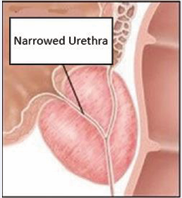
Figure 1: Prostate With Inflammation
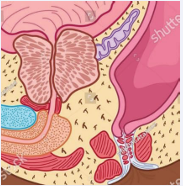
Figure 2: Prostate Anatomical Relationship
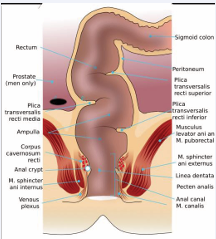
Figure 3: Rectum – Prostate Anatomic Relationship
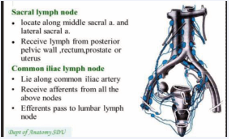
Figure 4: The Lymphatic Drainage Of The Pelvis
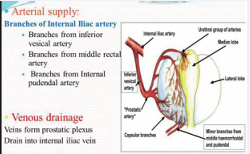
Figure 5: Blood Supply Of The Prostate
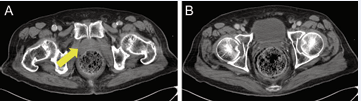
Figure 6: Contrast-enhanced CT performed on day 1 showing (A) a slightly lower-density area visible on the right side of the prostate (arrow) with no contrast effects seen in the surrounding region and (B) a significant quantity of fecal matter noted in the patient’s rectum from K.Susuki et al
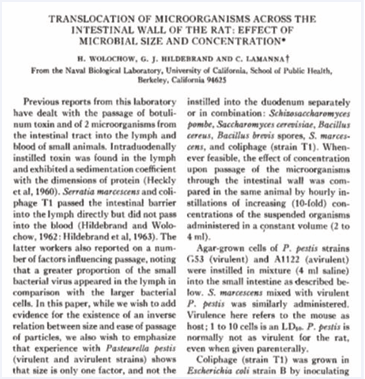
Figure 7: The Journal of Infectious Diseases, October 1966
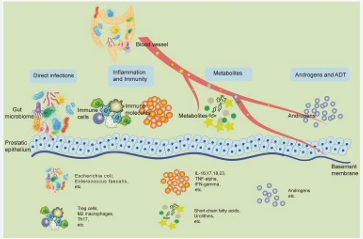
Figure 8: The potential mechanisms involved with the GM and its impact on prostatic disease pathogenesis. The GM can shadow prostate health in both direct and indirect ways. Bacteria from the gut can retroactively infect the prostate through the urethra and directly cause pathological states of the prostate. Changes in the local immune inflammatory state of the intestine can spread inflammatory factors and other immune molecules to the prostate through the bloodstream, causing changes in the local immune inflammatory environment of the prostate, leading to prostate disease. Metabolites from the gut microbiota like SCFAs, urolithins can also travel through the blood stream to the prostate, play a variety of bioactive functions, and directly lead to the activation of a variety of pathologic mechanisms of prostate cells. Some gut microbiotas can change the synthesis and breakdown of androgens in the body, which directly affects the development of prostatic hyperplastic diseases, especially PCa. Accordingly, ADT treatment is also regulated by the GM. GM, Gut microbiome; SCFA, Short-chain fatty acids; PCa, Prostate cancer; ADT, Androgen deprivation therapy. From H . CAO et al doi: 10.3389/fcimb.2024.1431088
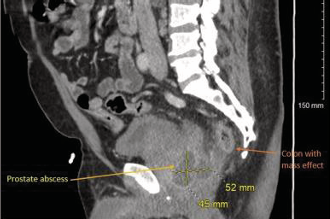
Figure 9: Sagittal CT scan with contrast showing 5.2cm × 4.5cm loculated prostate abscess with an enlarged prostate and mass effect on the adjacent sigmoid colon ( arrows). From D. Mercader et al https://doi.org/10.1016/j. jemrpt.2024.100084 Prostate abscess causing obstruction in an emergency department patient with constipation
A specific case report is submitted (patient self evaluation)
After analysing all this a global conclusions produced for the aim of this work.
RESULTS
From literature
According Riccardo Bartoletti et al
“Of 5,540 male urological outpatients 764 with chronic prostatitis/chronic pelvic pain syndrome were enrolled, including 225 (29.4%) at the first presentation and 539 (70.6%) who underwent previous treatment. The prevalence of the syndrome was 13.8%, the estimated incidence was 4.5%. Smoking, a high caloric diet with a low fruit - vegetable consumption, constipation, meteorism, slow digestion, a sexual relationship with more than 1 partner and coitus interrupts were more likely in patients with chronic prostatitis/chronic pelvic pain syndrome than in controls (each p <0.001).”[1]
And by Toshimi Chiba et al
“Although constipation and urinary retention are sometimes observed simultaneously, the pathophysiology of their relationship is not well clarified at today. A 70-year-old man visited our hospital complaining of lower abdominal pain, urinary retention, and constipation. He had mild prostatic hyperplasia, and computed tomography CT revealed rectal dilation with a distended urinary bladder. His pain improved after urethral catheterization and removal of impacted stool. He was prescribed lubiprostone and polyethylene- glycol for his constipation, after which his urinary retention did not recur.
The associated with urinary retention might be considered slow-transit constipation and defecator or rectal evacuation disorders, which can lead to dilation of the distal colon. The causes of acute urinary retention AUR in adults include obstruction of the lower urinary tract by benign prostatic hyperplasia, neurologic disease caused by diabetes mellitus DM, spinal cord injury, and the adverse effects of medications such as anticholinergics.
Acute urinary retention AUR with constipation has been reported in children. The association of chronic constipation CC and acute urinary retention might be explained by the effects of a chronically dilated rectum, irritation of the vesical trigone, invagination of the posterior wall of the bladder, and urethral obstruction
The association of chronic constipation CC and acute urinary retention might be explained by the effects of a chronically dilated rectum, irritation of the vesical trigone, invagination of the posterior wall of the bladder, and urethral obstruction. The pathophysiology of this association can also be explained by the anatomical proximity of the bladder to the rectum and their shared innervation: nerve roots S2–S4 control motor function of the external anal and urinary sphincters. Chronic rectal retention CRC of feces could also lead to involuntary contraction of the pelvic floor muscles and the external anal sphincter, making bladder emptying difficult” [2].
Yuri Iwata et al
“We herein report a case regarding a 90-year-old woman with a history of recurrent episodes of urinary tract infections UTI presenting with fever. Urinalysis revealed bacteria and white blood cells. Computed tomography CT showed dilated and focally loaded rectum and colon with signs of obstructive uropathy.
The patient was treated for urinary tract infection and constipation. Her bowel habits were controlled with lubiprostone, and she was discharged in good medical condition. This case highlights the importance of considering fecal impaction FI as a cause of urinary tract obstruction or infection. She was diagnosed with a urinary tract infection. It was suspected that the patient’s severe constipation had caused hydroureteronephrosis, which led to the recurrent UTIS. Disimpassion and improving the bowel habits was considered necessary.
We treated the patient with intravenous fluids and IV ceftriaxone (1 g/day) initially and then IV ceftazidime (2 g/day) after her urine culture tested positive for Pseudomonas aeruginosa PA. We administered sodium Pico sulphate and attempted intensive recto sigmoidal lavage through a rectal tube and manual fecal extraction for the first 6 days.
Although we managed to remove the faecaloma, natural defecation did not commence until the laxative was changed to lubiprostone starting on Day 7. Following lubiprostone administration, the patient had diarrhoea up to 5 times a day.
This stopped when, at the time of discharge, the treatment was changed to the magnesium oxide.
Subsequent CT of the abdomen showed improvement of right hydronephrosis. The patient was discharged in good medical condition, and was thereafter able to defecate one a day with the use of daily magnesium oxide and occasional sednoids. Constipation as a cause of urinary tract obstruction and renal failure has been reported previously, but it is rare Of the 19 cases of adults (age 50-88 years) 15 cases were older than 65 years, 80% of whom had a pre-existing risk of constipation like as cerebrovascular disease, diabetes mellitus, dementia, opioid use, depression or hypothyroidism. Our case, the oldest one to be reported, also had multiple risk factors of constipation. Authors have suggested that women may be less prone to this complication because of the protective position of the uterus.
The most common level of obstruction is the urethra or urethral-vesical junction UVJ. The mechanism of urinary retention caused by fecal impaction is believed to be significant elevation of the floor of the bladder and posterior urethra with resultant obstruction of the bladder outlet.
There have been 29 cases of ureteral dilation possibly caused by bladder floor elevation, and thus leading to the obstruction of one or both intravesical ureters. In the literature research, we found several cases of asymptomatic uropathy due to constipation. Lists of laxatives, like as bulk-forming agents, stool softeners, osmotic or saline and stimulants. A review article on constipation in the elderly suggests the use of lubiprostone if laxatives such as lactulose, sorbitol and Senna compounds, followed by the use of PEG is ineffective. Constipation should be considered as a cause of urinary tract obstruction UTO and of recurrent urinary tract infections, particularly in the elderly. Because some patients are asymptomatic, physicians must be aware of the risk.”[3]
Keisuke Suzuki et al
“Severe fecal obstruction can cause blood flow disorders in the rectal mucosa. Fecal stones and hard stools in the colon may lead to pressure necrosis of the intestinal wall, resulting in fecal peritonitis FP. If the condition progresses, it has been reported to cause rectal perforation RP .Ischemia-reperfusion injury may also play a role, as inflammation and bacterial migration BM can occur following the manual induction of defecation.
This type of injury is strongly associated with inflammation.
The effect on the prostate should also be considered, as bacteria may migrate from the rectum to the prostate, leading to abscess formation. The rectum and prostate are particularly susceptible to such bacterial migration due to their close anatomical proximity.
In the case presentation reported: Contrast-enhanced computed tomography revealed fecal impaction within the rectum and a fuzzy low-density area in the prostate” [4].
V. Magri et al
“Low-grade inflammation, increased intestinal permeability IP, presence of pathobionts bacteria and trans-parietal migration may also be involved in the pathogenesis of acute and chronic prostatitis CP. The microbiota can generate, amplify and maintain a systemic or a local inflammatory condition, causing, as a consequence, a possible painful state that could have a role in the etiology of the CP/CPPS.
Dysbiosis with persistence of pathogenic noxae can activate mast cells causing chronic inflammation CI. Bacteria belonging to the phylum Proteobacteria have an outer membrane composed mainly of lipopolysaccharides that stimulate monocyte activity through various steps.
LPS are anchored to the external membrane of the bacteria and are released once bacteria die provoking a reaction from the organism with possible increase of the vascular permeability VP and consequent inflammatory state.
They increase intestinal permeability IP through an intracellular mechanism that involves the up-regulation of TLR-4, which depends on the membrane expression of CD-14. TLRs are receptors expressed on the membrane of sentinel cells such as macrophages, dendritic cells and antigen-presenting cells. TLR-4 is crucial in the recognition of LPS. The activation of TLRs in the intestinal microbiota by the presence of pathogenic microorganisms induces the triggering of the mechanisms of innate immunity (II) and the onset of inflammatory phenomena.
The condition of dysbiosis leads to an indirect dysfunction, therefore not primary but secondary, of the intestinal epithelia barrier which creates a way of entry into the organism, through the blood, of bacteria, giving rise to phenomena of bacterial translocation BT (bacteria in places other than those of origin). The alteration of intestinal permeability, due to lactobacilli and bifid bacteria deficiency, leads to loss of integrity of the mucosal barrier MB, passage of antigens in the submucosa and immune activation. The activation of the mast cells maintain an up-regulation with acute and chronic pro inflammatory consequences. In 22-31% of patients with chronic bacterial prostatitis and chronic pelvic pain syndrome a condition of IBS can increase the severity of the pain symptom in the following regions: perineum, supra-pubic region, testes, penis, pelvis, inguinal region, rectum, pain in urination, pain during ejaculation and neuropathic pain The application of hydro colon therapy (HT) in chronic prostatitis is based on the ability of a gentle and targeted flow of water entering the intestine during the treatment sessions to regenerate the intestinal environment, through the elimination of inflammatory components that reside in the microbiota” [5].
Adil E Bharucha et al
“Although pelvic pain is a symptom of several structural anorectal and pelvic disorders PD ( anal fissure, endometriosis, and pelvic inflammatory disease), this comprehensive review will focus on the 3 most common non-structural, or functional, disorders associated with pelvic pain PP : functional anorectal pain (levator ani syndrome, unspecified anorectal pain, and proctalgia fugax), interstitial cystitis/bladder pain syndrome, and chronic prostatitis/chronic pelvic pain syndrome” [6].
Ayhan Verit et al
“Eliminating the constipation problem in patients with CP chronic prostatitis is the initial goal of management strategies that aim to discharge internal rectal pressure.
This standing-up position specific to the human species among land mammals, may increase the severity of lower abdomen venous pathologies LAVP s that are all thought to have a common origin . The most common one is rectal haemorrhoids and others include pelvic venous diseases, namely “pelvic congestion syndrome” associated with CPPS in women and a varicocele in men. Flavonoids, with their healing efficacy for vessels, are the current systemic medication for rectal haemorrhoids and are also reported to be effective in CP treatment which confirms varicose impairment extends to the prostate in theory.
Thus, increased hydraulic venous pressure HVP seems to lead to intra-prostatic strain, or vice versa. The physical pressure on the prostate leads to intra and/or per prostatic varicose disorders, which appear clinically as CP. As a sub hypothesis, we argue that the prostate is also the target of varicose disturbances, as is its anatomical neighbourhood, as indicated by the literature on the treatment options for CP” [7].
T J Barloon et al
“Acute and chronic constipation ACC are common conditions. In most instances, a thorough history and digital rectal examination provide sufficient information to begin treatment. Occasionally, imaging studies can be useful to confirm the presence of a suspected abnormality. Evacuation proctography can be used to diagnose a variety of functional disorders of the rectum and anus” [8].
Keisuke Suzuki et al
“Severe constipation can cause ischemic bowel disease IBD and other complications in older adults. However, its association with the formation of prostate abscesses has rarely been reported. An 80-year-old male recently presented to our centre with syncope, dehydration, and constipation.
Contrast-enhanced computed tomography revealed fecal impaction and a hypo dense lesion in the prostate. Despite no initial elevation in inflammatory markers, the patient later developed recurrent hypotension. Follow-up CT confirmed a prostate abscess PA and rectal reperfusion RR. The absence of urinary white blood cells suggested a non-ascending urinary tract infection. Antibiotic therapy with ceftriaxone resulted in recovery. Severe constipation may contribute to prostate abscess formation via rectal ischemia and bacterial translocation BT. Early recognition and management of constipation are crucial to prevent severe complications in older patients. Further studies are warranted to clarify the specific pathway of this atypical infection” [9].
FROM Medline Plus: Prostatitis - Bacterial
To Care for Prostatitis At Home: “Urinate often and completely. Take warm baths to relieve pain, Take stool softeners to make bowel movements more comfortable, Avoid substances that irritate your bladder, like as alcohol, caffeinated foods and drinks, citrus juices, and hot or spicy food, Drink more fluid ( 2 to 4 litres per day) to urinate often and help flush bacteria out of your bladder” [10].
Janesh Lakhoo et al
“MRI and MR Defecography can be used to evaluate anorectal disorders related to the pelvic floor. MRI techniques for imaging the male pelvis; and urinary, GI, and sexual conditions related to abnormalities of pelvic floor structures in men” [11].
Ali Akbar Karami et al
“It has been reported that many pathogenic microorganisms can induce symptomatic asymptomatic inflammatory reactions IR in the prostate, Enterobacteriaceae, especially Escherichia coli, Klebsiella spp. Proteus mirabilis, Serrati spp. Enterobacter spp. and Gram + organisms such as Staphylococcus aureus and Enterococcus spp. Microbial entry occurs through ascending transmission from the urethra, rejection of infected urine into the prostate, and direct diffusion from the rectum through the blood-lymph” [12].
Bangwei Che et al
“The process by which bacteria and their products migrate from the GI tract to the blood and other organs is called “bacterial translocation”, which was first described in the 1960s. The risk factors for bacterial translocation BT primarily comprise three aspects: intestinal microflora imbalance, damage or increased permeability of the intestinal epithelial barrier, and host health status. No direct studies have shown that bacteria can reach the prostate from the intestinal tract IT through Bacterial translocation, this guess is possible.
Some E. coli in the intestinal tract have the ability to adhere to, invade intestinal epithelial cells, and survive in macrophages. These E. coli can reach the lamina propriety of the intestinal tract through Para cellular or cross-cellular pathways. Macrophages may then transfer bacteria from the intestines to lymph nodes, systemic circulation, or even distant organs to produce inflammation” [13].
Translocation of Microorganisms across the Intestinal Wall of the Rat: Effect of Microbial Size and Concentration Get access Arrow
H. Wolochow et al
The Journal of Infectious Diseases, October 1966, https://doi.org/10.1093/infdis/116.4.523 [14]
Nina M Poole et al
“The process by which bacteria and their products migrate from the GIT to the bloodstream and other organs is called “bacterial translocation, BT” which was first described as a clinical phenomenon by Wolochow and colleagues in the 1960s and was investigated experimentally by Berg and co-workers in the 1980s. The latter set of studies defined several risk factors that contribute to translocation, including disruption of gut microflora GM by antibiotics, damage or increased permeability of the intestinal epithelial barrier IEB, and the health status of the host. Several studies have established an association between the intestinal microflora and systemic infections in immunocompromised individuals. Extra intestinal pathogenic E. coli (ExPEC), the general name prescribed to E. coli strains that cause infections distal to the intestine, is the most frequently isolated Gram-negative organism in such cases. ExPECs include E. coli associated with UTIs (uropathogenic E. coli [UPEC]), neonatal meningitis (neonatal meningitis-associated E. coli [NMEC]), and septicaemia (sepsis-causing E. coli [SEPEC]). ExPEC strains are steadily acquiring resistance to commonly used antibiotics, and pandemic strains (sequence type 131) have been described previously.
ExPEC organisms are often indistinguishable from commensal organisms CO, colonize a sizable fraction of the healthy population, exhibit large genomic diversity, and carry multiple virulence factors in various combinations. Although several ExPEC virulence factors have been identified, they have not been directly linked to translocation from the intestine” [15].
Prostatic Diseases and Male Voiding Dysfunction
Transabdominal Ultrasound Measurement of Pelvic Floor Muscle Mobility in Men with and Without Chronic Prostatitis/Chronic Pelvic Pain Syndrome
Bijan Khorasani et al
https://doi.org/10.1016/j.urology.2012.05.026
Transabdominal ultrasound evaluates pelvic floor muscle function by measuring bladder base movement
(displacement) and changes in the levator plate angle (LPA). In conditions like constipation and prostatitis, these measurements help identify muscle hypertonicity (tightness/spasm) or a paradoxical tightening during defecation [16].
Daniel Mercader et al
“Laboratory workup revealed leucocytosis with 12.8K white blood cells (WBC), no electrolyte derangements, normal renal function (creatinine 0.9mg/dl), and normal liver function tests, lipase, and thyroid stimulating hormone. Urinalysis revealed 12 WBCs, three red blood cells RBC, but was negative (-) for both leukocyte esterase and nitrites. Computed tomography of the abdomen/ pelvis demonstrated a multi-lobulated rim-enhancing hypo density in the prostate measuring 5.2cm, which was concerning for abscess, causing inflammatory changes with mass effect of the recto sigmoid colon. Blood cultures BC and post-digital rectal exam urine culture were sent and the patient received IV fluids, IV piperacillin-tazobactam and vancomycin for empiric abscess treatment, and magnesium citrate for the constipation” [17].
Editorial World J Mens Health. 2024 Apr doi: 10.5534/ wjmh.240024
The Relationship between Gut Microbiota and Prostate Health
Shang Weon Pak, Yu Seob Shin, Hyun Jun Park
“The gut and the prostate are connected through various pathways, including the lymphatic system, the circulatory system, and the shared urinary and gastrointestinal tracts. This anatomical and functional connection suggests that bacteria from the gut can potentially migrate to the prostate, leading to inflammation.
Dysbiosis, or an imbalance in the gut microbiota, might play a role in this process. For instance, an overgrowth of certain harmful bacteria in the gut could increase the risk of these bacteria translocating to the prostate. Once in the prostate, these bacteria can trigger an inflammatory response, leading to the symptoms associated with prostatitis. The gut microbiota can influence the immune system’s response, potentially exacerbating or mitigating the inflammation in the prostate. Dysbiosis, or an imbalance in the gut microbiota, can lead to an overproduction of harmful metabolites and a reduction in beneficial ones. This imbalance might create a pro-inflammatory environment in the body, which is a known risk factor for cancer. Inflammation can lead to DNA damage, promote cell proliferation, and inhibit apoptosis, all of which can contribute to cancer development” [18].
Front Microbiol.2024 Apr doi: 10.3389/fmicb.2024.1389715
Genetic insights into gut microbiota and risk of prostatitis: a Mendelian randomization study
Pengfei Qin, Yanmei He, Huan Shao, Dawei Jiang
“It is noteworthy that microbial migration (MM) may also be a potential mechanism. Some researchers speculate, based on the similarity between the fecal and seminal microbiota of patients with CP, that live bacteria may migrate from the intestine to the genitourinary tract, becoming part of the local microbiota (Wang et al., 2023).” [19]
Vocca, C. et al
“Our data suggest that in patients with chronic prostatitis CP, the use of Lactobacillus casein DG® after an antimicrobial treatment is safe and effective in the improvement of the days free of symptoms and is also able to improve the quality of life through an early restoration of the gut microbiota” [19].
Experimental Part: Case Report
Case Report: a case of chronic prostatitis with multiple relapses after antimicrobial therapy in diabetic type II controlled, 60 year, with associated restricted prostatic urethra.
Many episode started after an episode of constipation, sedentariety, little amount of blood in feces
Not due to evident haemorrhoids, not evident ragades.
Efficacy In Resolution Of An Episode: ciprofloxacin for 5 days or clarithromycin for 7 days
(reduction in prostatic inflammation with improved urination flux.), beclometason suppository 5 days
Efficacy after Use of Glycerol Micro - Clisma 3 Grams: good effect in reducing the Prostate sensation of inflammation- congestion (patient self-evaluation) from 1 to 7 = 6, it was not needed antimicrobial therapy if Used: the same effect was obtained after 5 days antimicrobial therapy and topical steroids suppository.
DISCUSSION
From literature is clear the anatomic relationship between rectum and prostate, the lymphatic flux and the possibility of direct bacteria diffusion from the rectum through the blood-lymph” [12].
The rectum and prostate are particularly susceptible to such bacterial migration due to their close anatomical proximity [4].
Low-grade inflammation, increased intestinal permeability, presence of pathobionts bacteria and trans-parietal migration may also be involved in the pathogenesis of acute and chronic prostatitis [5].
Various fecal bacteria are the same of the ones found in the prostatitis BP (acute or chronic).
The constipation can aggravate this effect or increase sensation of prostate congestion.
Constipation can directly affect prostate function and symptoms. Chronic straining during bowel movements can increase pelvic floor tension and place undue pressure on the prostate.
Severe bowel issues like chronic constipation can mechanically irritate the prostate, contribute to bacterial translocation (leading to infection), or cause since urinary retention.
Eliminating the constipation problem in patients with CP chronic prostatitis is the initial goal of management strategies that aim to discharge internal rectal pressure. Thus, increased hydraulic venous pressure seems to lead to intra-prostatic strain, or vice versa [7].
The resolution of constipation must to be considered in the procedure to resolve prostate congestion under a physician- urologist control.
The procedure is simple and can be performed directly by the patient and the microclism of glycerine or other clisma are OTC (not needed a medical prescription, and free of sell in pharmacy or Para pharmacy).
(The use is to be considered occasionally and not continuative to avoid side effects like assuefation Or other).
Because all this are involved in the patient quality of life this procedure must to be taken in consideration
Imaging is fundamental to detect prostatic access.
CONCLUSION
After the analysis of the literature reported and the specific case report it is possible to consider the diffusion of bacteria from the rectum to the prostate also thought lymphatic way even if also direct way can not to be excluded at all ( hypothesis).
These pathogenetic mavens make possible to explain
the pro inflammatory effect and the reason by witch many time the same intestinal bacteria are responsible for the prostate colonization and infection.
The resolution of constipation in this situation make possible to reduce the prostate pressure and congestion since reduce the source of the infection (hypothesis).
More deeply, research will clarify these concepts.
REFERENCES
- Bartoletti R, Cai T, Mondaini N, Dinelli N, Pinzi N, Pavone C, et al. Italian Prostatitis Study Group. Prevalence, incidence estimation, risk factors and characterization of chronic prostatitis/chronic pelvic pain syndrome in urological hospital outpatients in Italy: results of a multicenter case-control observational study. J Urol. 2007; 178: 2411-2415.
- Chiba T, Kikuchi S, Omori S, Seino K. Chronic constipation and acute urinary retention. Eur J Gastroenterol Hepatol. 2022; 34: e1-e2.
- Iwata Y, Kunishi Y, Yoshie K. Obstructive uropathy caused by chronic constipation. Intern Med. 2015; 54: 1043-1047.
- Suzuki K, Nishihara S, Sakakibara M, Yoshida H, Dohi K. Prostate Abscess Associated With Severe Constipation: A Rare Case. Cureus. 2025; 17: e80395.
- Vittorio Magri , Matteo Boltri , Tommaso Cai , Roberto Colombo , Salvatore Cuzzocrea , Pieter De Visschere , et al. Multidisciplinary approach to prostatitis. Report of the meeting Prostatitis: A Multidisciplinary Approach (Issues and Controversies). 2018; 4: 227
- Bharucha AE, Lee TH. Anorectal and Pelvic Pain. Mayo Clin Proc. 2016; 91: 1471-1486.
- Verit A, Verit FF. Anogenital distance in the etiology of chronic prostatitis: does it lead to novel surgical treatments? Front Urol. 2025; 4: 1418007.
- Barloon TJ, Lu CC. Diagnostic imaging in the evaluation of constipation in adults. Am Fam Physician. 1997; 56: 513-520.
- Suzuki K, Nishihara S, Sakakibara M, Yoshida H, Dohi K. Prostate Abscess Associated With Severe Constipation: A Rare Case. Cureus. 2025; 17: e80395.
- Lakhoo J, Khatri G, Elsayed RF, Chernyak V, Olpin J, Steiner A, et al. MRI of the Male Pelvic Floor. Radiographics. 2019; 39: 2003-2022.
- Karami AA, Javadi A, Salehi S, Nasirian N, Maali A, Bakhshalizadeh Shadkam M, et al. Detection of bacterial agents causing prostate infection by culture and molecular methods from biopsy specimens. Iran J Microbiol. 2022; 14: 161-167.
- Che B, Zhang W, Xu S, Yin J, He J, Huang T, et al. Prostate Microbiota and Prostate Cancer: A New Trend in Treatment. Front Oncol. 2021; 11: 805459.
- Wolochow H, Hildebrand GJ, Lamanna C. Translocation of microorganisms across the intestinal wall of the rat: effect of microbial size and concentration. J Infect Dis. 1966; 116: 523-528.
- Poole NM, Green SI, Rajan A, Vela LE, Zeng XL, Estes MK, et al. Role for FimH in Extraintestinal Pathogenic Escherichia coli Invasion and Translocation through the Intestinal Epithelium. Infect Immun. 2017; 85: e00581-17.
- Khorasani B, Arab AM, Sedighi Gilani MA, Samadi V, Assadi H. Transabdominal ultrasound measurement of pelvic floor muscle mobility in men with and without chronic prostatitis/chronic pelvic pain syndrome. Urology. 2012; 80: 673-677.
- Daniel Mercader,Rebecca G. Theophanous. Prostate abscess causing obstruction in an emergency department patient with constipation. 2024; 3: 100084.
- Pak SW, Shin YS, Park HJ. The Relationship between Gut Microbiota and Prostate Health. World J Mens Health. 2024; 42: 663-666.
- Qin P, He Y, Shao H, Jiang D. Genetic insights into gut microbiota and risk of prostatitis: a Mendelian randomization study. Front Microbiol. 2024; 15: 1389715.
- Vocca C, Abrego-Guandique DM, Cione E, Rania V, Marcianò G, Palleria C, et al. Probiotics in the Management of Chronic Bacterial Prostatitis Patients: A Randomized, Double-Blind Trial to Evaluate a Possible Link Between Gut Microbiota Restoring and Symptom Relief. Microorganisms. 2025; 13: 130.