Prevalence of Poultry Coccidiosis and Its Determinants in Small Scale Poultry Farming System Around Arba Minch Town, Southern Ethiopia
- 1. Arba-Minch University, Ethiopia
Abstract
Despite the presence of a large number of chickens in Ethiopia, contribution to the national economy and benefit from this sector is very limited due to disease problems. Cross sectional study was conducted on two exotic breeds, Sasso T44 and bovans brown, from September 2023 to April 2023 in and around Arba Minch town, southern Ethiopia. The objectives of this study were to estimate the prevalence of coccidiosis, to identify species of Eimeria and to assess potential risk factors. The study involved fecal floatation techniques, postmortem examination of chickens’ intestines for gross lesions and mucosal scraping to determine predilection site and identification of Eimeria species. Two stage cluster sampling technique was used to sample the study chickens and the data was analysed by using univariable and mutivariale logistic regression. An overall of 1004 examined chickens, 219(21.81%) were harbored different Eimeria species. In the current study, statistically significant differences (p<0.05) were observed in clinical status of the chickens, prophylaxis provision, litter moisture and water sources. The five Eimeria species identified were E. tenella, E. necatrix, E. maxima, E. burnetti and E. acervulina with the proportion of 37.44%, 18.72%, 16.44%, 15.53% and 11.87%, respectively. Postmortem examination was carried out on 24 chicken, out of which 19 (79.17%) were positive to coccidiosis by mucosal scraping examination and pathological lesions were observed on the different parts of small intestine and caecum. In conclusion, the present study showed that coccidiosis is an important disease of poultry in the study area and strict sanitary and preventive measures needed to be implemented to reduce the loss due to poultry coccidiosis.
Keywords
• Eimeria Species
• Poultry
• Prevalence
• Southern Ethiopia
Citation
Deda YB (2026) Prevalence of Poultry Coccidiosis and Its Determinants in Small Scale Poultry Farming System Around Arba Minch Town, Southern Ethiopia. J Vet Med Res 13(2): 1299
ABBREVIATIONS
AMU: Arba Minch University; CSA: Central Statistical Authority; FAO: Food and Agricultural Organization; KPMRC: Kombolcha poultry multiplication and research center; PCR: Polymerase chain reaction
INTRODUCTION
Background
According to the Food and Agriculture Organization [1], the global chicken population has reached an astounding 26 billion, 75% of which are in developing countries [2]. Poultry farming is a significant source of revenue generation and food for small farmers in developing countries. Female farmers mostly take responsibility for poultry production in rural communities. In many parts of the modern world, poultry is regarded as the primary source of not only low-cost animal protein but also high quality human food [3].
An estimate shows that the country is home to about 57.01 million poultry. By these numbers, poultry is ranked second next to cattle. The Ethiopian poultry population is almost entirely composed of indigenous chickens. Recent estimates showed that 78.85%, 12.02%, and 9.11% are indigenous, hybrids, and exotic poultry, respectively [4].
So far, three types of poultry production systems have been identified for managing these poultry populations. Backyard poultry production systems, small-scale intensive poultry production systems, and large-scale intensive poultry production systems are examples of poultry production systems in Ethiopia. In all production systems, chickens are raised to produce eggs and meat for income and domestic consumption [5]. Furthermore, 99% of the chicken population is raised using the traditional back yard management system, while 1% is raised using the intensive management system. Traditional production system is characterized by minimum inputs; chickens gather food, receive simple housing like sharing house with their owners at night, and breed naturally which leads to low output from the production [6].
Diseases, predation, starvation, inadequate housing, and poor management system all hinder Ethiopia’s chicken production systems. Newcastle disease, coccidiosis, salmonellosis, chronic respiratory disease, and nutritional deficiencies are the most prevalent illnesses affecting chickens in Ethiopia. The mortality rate from these diseases in chickens is thought to be between 20 and 50 percent, but during epidemics, it can reach 80 percent [7]. Among those diseases, coccidiosis is economically important and prevalent in chicken farms in Ethiopia [6].
Coccidiosis is the commonly encountered and economically important disease adversely affecting poultry production and its prevalence and economic significance have been reviewed by different scholars in different production systems in Ethiopia [8]. Poultry production are becoming more intensified which give greater chance to direct contact with their feces in a moist environment from deep litter system in flooring that ensures survival of the oocysts and their transmission from flock to flock [9].
Poultry coccidiosis is caused by single-celled protozoan parasites of the genus Eimeria and has nine species. Most common and pathogenic species that affect the poultry is Emeria tenella, resulting in 100% morbidity and a high mortality [10]. In Ethiopia, E. acervulina, E. necatrix, E. maxima, and E. tenella are endemic in all parts of the country and affect mainly young growing chickens [11].
Life cycle of all Eimeria species involves asexual (shizogony) and sexual phase (gametogony) which form oocyst [12,13]. Infection occurs by ingestion of sporulated oocyst, followed by the release of sporozoites in the duodenal lumen by mechanical and chemical action. Sporozoites invade the mucosa to start intracellular growth and asexual multiplication with periodic release of merozoites (develop to macro/male and micro/ female gametes). Sexual phase occurs, fertilization of macrogamete by microgamete results in the formation of a zygote which is called as an oocyst [12,13]. The life cycle is rapid and may result in hundreds of thousands or even millions of oocysts produced from a single oocyst within 4 to 5 days [6].
Poultry coccidiosis distresses chickens in both clinical and sub-clinical forms. The clinical form of the disease is manifested by noticeable signs of mortality, morbidity, diarrhea or bloody feces, dehydration, lowered feed intake, weight loss, paleness, huddling, ruffled feathers, and depression [7]. The chicken affected with coccidia become tired and weak, young chickens often have blood in the faces after 4-5 days, later their eyes are closed and their wings hang down and many chickens die [14]. The occurrence of clinical coccidiosis is directly related to the number of sporulated oocysts ingested by a chicken at one time, the pathogenicity of the Eimeria species, the age of the infected chicken and the management system. Chickens suffering from coccidiosis quickly become less productive and poor performers. Laying hens will experience a reduction in rate of egg production [15]. The sub-clinical coccidiosis manifests mainly by poor weight gain and reduced efficiency of feed conversion and gives rise to the highest proportion of the total economic loss [16].
Poultry coccidian is strictly site specific and the different species parasitize specific parts of the intestine. Occurrence of coccidiosis is associated with different variables like host, agent, and environmental interaction. It is a ubiquitous disease of almost universal importance in poultry production. Identification of an oocyst in faces and postmortem assessment of intestinal lesions are the main strategies for the determination of coccidiosis in chicken [17]. Regardless of its significance of the diseases in Ethiopia, particularly in the study area, no substantial research was done.
Statement of the Problem
Poultry coccidiosis is endemic in Ethiopia and can cause great economic losses in the sector in all production systems mainly in intensive production systems [18]. Poultry coccidiosis is a problem which needs a deep and thorough investigation and subsequent monitoring so as to boost production and productivity. More knowledge of the etiology and population dynamics of coccidial infections in commercial poultry production is consequently needed [19]. In Ethiopia, with the increasing interest in poultry production evidenced by the proliferation of poultry farms, it is pertinent to continually evaluate the prevalence, frequencies of the different Eimeria species and management issues associated with common poultry diseases such as coccidiosis.
Poultry is the most important animal species in and around Arba Minch town both for nutritional value they contribute and cash income generation than other animals. Since they are the main resources especially for poor families. Due to national livestock development initiative and different entrepreneurial engagement in small scale poultry production in and around the town, Poultry raising system is now become more intensified than the past, this rapid growth of poultry production and low professional follow up which may leads to poor management system and rapid spread of poultry coccidiosis was the area of focus. Regardless of several researches have been done in different regions of Ethiopia (Safariet al. 2004), [20-22], and the disease is still a major problem in Southern Ethiopia particularly in Gamo Zone and demanding much research and investigation.
Objectives
General Objective: To assess the epidemiology of poultry coccidiosis in and around arba minch town.
Specific objectives: To estimate the prevalence of poultry coccodiosis in and around Arba Minch town.
To identify the Eimeria species distribution in the study area.
To assess the associated risk factors related to poultry coccidiosis in the study area.
MATERIALS AND METHODS
Description of Study Area
The present study was conducted in and around Arba Minch town, Southern Ethiopia. Arba Minch town is the administrative center of Gamo zone, is bordered with Wolayta zone at the north, Lake Abaya and Chamo at the east, Segene and part of south Omo on the south. Arba Minch town is located about 505 km south of Addis Ababa. It lies near the center of the region around 5°57″–6°71″N latitude and 36°37’’– 37°98″E longitude [23].
Arba Minch Zuria district is situated in the well-known area of East Africa rift valley and surrounded by Chamo and Abaya lakes as well as NechiSar national park. According to the report of Arba Minch Zuria district and Gamo zone livestock and fishery resource office (2024), the district has a total cattle population estimated to 106,709, sheep 28,706, goats 44,795, equine 3,364 and poultry 147,053. In Arba Minch town there are 48 poultry farms and in Arba Minch zuriya district there are about 17 poultry farms which are kept under intensive farming.
Study Population
The study animals included in the present study were Bovans Brown and Sasso T44 breeds of chickens from poultry farms owned by local farmers in and around the town. The study chickens were grouped into breeds (Brown Bovans and Sasso T44), and ages classified as young (chicks 16 weeks) based on Oljira et al., [24]. The study Chickens were kept under small scale intensive farming system.
Inclusion criteria: The kebeles and farms that have exotic breeds managed in small scale intensive production system with all age were included in the study.
Exclusion criteria: The kebeles having local breed and extensive management system are excluded from the study.
Study Design
A cross-sectional study design was conducted from September 2024 to April 2024, to estimate the prevalence and assess associated risk factors of poultry coccidiosis. A cross-sectional questionnaire survey was used to capture the practices of owners engaged in intensive poultry production systems.
Sampling Techniques and Sample size Determination
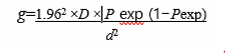
Study districts, Arba Minch town and Arba Minch Zuria, were selected purposefully based on the number of chickens on the farms. A two-stage cluster sampling method was used to select poultry farms from the study area. First, poultry farms/ clusters were sampled using simple random sampling. Next, individual chickens from the selected cluster were sampled using a simple random sampling. Ink or dye was applied to each sampled chicken in order to avoid double sampling. A 95% confidence interval was used to determine the sample size for this study based on the two-stage cluster sampling method using a 37% expected prevalence, 5% desired absolute precision and Design effect (an adjustment factor for clustering). Then, the formula of second-stage cluster sampling method is
Where:
g= number of clusters to be sampled; n = predicted average number of animals per cluster (n=65); Pexp = expected prevalence (Pexp = 37%); d = desired absolute precision (d = 5%); D= (0.0157) Design effect (an adjustment factor used to allow for clustering [25].
Therefore, the number of poultry farms/clusters in the study area (g = 65) and the number of chickens 1004 chickens were sampled for prevalence study. The intended number of poultry farms/clusters is 16 and chickens to be sampled were proportionally clustered by the size. This was based on the estimated number of poultry farms and chickens present in the district and each kebele.
The sample size for determining household for questionnaire survey was obtained using probability proportionate sampling technique [26]:

Where, n is desired sample size according to cochran [26] when population household is ? 10,000; z is the standard normal deviation (1.96 for 95% confidence interval); p is 0.1 (proportion of population to be included in sample i.e. 10%); q is 1 - p that is 0.9 (90%); d is the degree of accuracy desired (0.05) or 5% error term.
Methodology
Questionnaire: Semi-structured questionnaire was used to collect demographic and basic information about the production system and the management practice in the study area. A total of 138 households are used for semi structured questionnaire surveys and this proportionally was allocated for each study site.
Parasitological examination: Fecal samples from each chicken were collected with a spatula from freshly voided feces. Fecal samples were collected in sampling universal bottles, identified appropriately, and transported to Arba Minch University College of Agriculture, Veterinary laboratory for analysis. Before microscopic observation, floatation techniques were performed to concentrate the oocysts in order to increase the sensitivity of the examination. Sodium chloride solution was used as a floating medium. The diagnosis of the oocysts in the feces was made using a 10x optical lens of the microscope.
Post-mortem examination: Post mortem examination was conducted on Eimeria Oocyst positive poultry to observe gross lesions associated with coccidiosis. The gastro-intestinal tract was thoroughly examined for gross pathological changes [22-26]. The intestinal portions were divided into 4 sections: the upper part (duodenum and jejunum), the middle part (ileum), lower part (distal ileum and rectum) and cecal pouches. The intestinal wall of different sites was examined for thickening, petechiae, coagulative necrosis, reddening, whitish spots, cecal cores, or bleeding. Then, the mucosal scrapings were taken to examine the protozoan developmental stage along with lesions by microscopic examination according to Lobago et al. [27]. The observed gross pathological lesions were recorded.
Identification of species of Eimeria: Species of Eimeria were identified by combination of microscopic features of oocyst morphology (shape, size, sporulation time and color of the oocysts), the predilection site of Eimeria in the gut and the nature of gross lesions by post mortem examination.
Data management and analysis
All the surveyed data was analyzed using STATA 14. Descriptive statistics was employed to present the results. Analyzed data was presented using tables, percentage, and odds ratios. The association between the dependent variable, coccidiosis status (0 = negative and 1 = positive) and categorical independent variables was assessed using logistic regression analyses with significant differences at p < 0.05. The degree of association between risk factors and the prevalence of coccidioisis was analyzed using odds ratio. All variables with p-value <0.05 in the initial univariable analysis were checked for multicollinearity using correlation matrix and those variables whose gamma value ranged between −0.6 and +0.6 were considered in a multivariable logistic regression analysis. Finally, the model was assessed for goodness-of-fit using the Hosmer Lemeshow method. In this analysis, statistical significance was set at p < 0.05.
RESULTS AND DISCUSSION
Prevalence of coccidiosis
The result of present study illustrated that poultry coccidiosis is prevalent in and around Arba Minch town; Southern Ethiopia with an overall prevalence of 21.81% (219/1004). This result was in agreement with the finding in Ambo by Olijira et al. [27], and in Arsi Tiyo district by Gari et al. [22] who reported a prevalence of 20.57% and 22.58%, respectively. In the current study the prevalence of poultry coccidiosis is lower than the findings of Dinka and Yacob [28] 71.1% in Debre Zeit, Gari (70.95%) in Tiya district of Arsi zone and also much lower, as compared to findings in Nigeria by Muazu et al.,[29] and in Pakistan by Bachaya et al, [30] reported 52.9% and 36.6%; 60.16% and 37% in young and adult, respectively. The possible reason to varying prevalence of coccidiosis in the current study might be ascribed mainly to the application of preventive measures which are basically biosecurity and use of anticoccidial drugs given at early stages of age.
Out of 314 chickens examined from Arba Minch town and 690 from Arba Minch Zuria District, 68 (21.66%) and 151 (21.88%) were found infected by different Eimeria species, respectively (Table 1). In the current study results of poultry coccidiosis estimate in two districts are almost similar. This indicates agro-ecological similarity between the kebeles, endemicity of the diseases in the study area, having almost similar preventive and control approaches.
Table 1: Prevalence of coccidiosis in the two districts of study areas.
|
Administrative area |
Kebeles |
No. Examined |
No positive |
Prevalence (%) |
|
Arba Minch town |
Doysa |
46 |
10 |
21.74% |
|
Bere |
62 |
12 |
19.35% |
|
|
Wuha Minch |
74 |
15 |
20.27% |
|
|
Gurba |
40 |
9 |
22.50% |
|
|
Edget Berr |
34 |
8 |
23.53% |
|
|
Limat Woze |
58 |
14 |
24.14% |
|
|
|
Total |
314 |
68 |
21.66% |
|
Arba Minch Zuria |
Genta Bonke |
126 |
28 |
22.22% |
|
Genta Meche |
162 |
37 |
22.84% |
|
|
Zeyse Wozeka |
202 |
45 |
22.28% |
|
|
Shelle mela |
66 |
15 |
22.73% |
|
|
Chano mile |
50 |
11 |
22% |
|
|
Lante |
84 |
15 |
17.86% |
|
|
|
Total |
690 |
151 |
21.88% |
|
Total in districts |
|
1004 |
219 |
21.81% |
In this study, the prevalence of coccidiosis was 20.57% in chickens (< 6wks), 23.53% in growers (7-15wks) and 20.98% in adults (> 16 wks). It was observed that there was no statistically significant difference in the prevalence of coccidiosis among the three different age groups examined (p>0.05, Table 3). The prevalence of coccidiosis in chickens less than 6 weeks of age and adults are almost similar. This similar occurrence observed might be due to the management system, exposure to infectious dose and acquired or maternal immunity. The amount of oocyst discharged from infected chicken depends on the dose of oocysts ingested and the immunological status acquired from previous exposure [31]. Therefore, the opportunity of the chickens to pick-up large numbers of sporulated oocyst might be equal in the age categories.
This study also indicated that the prevalence of coccidiosis was relatively similar both in females (22.24%) and male (21.11%) chicken (Table 2). This result agrees with the previous studies of Gari et al., [22] and Alemayehu et al, [32]. In the present study, occurrence of coccidiosis was statistically not significant between the sex groups (p>0.05). Absence of statistically significant difference between male and female may be due to equal chance of exposure for the parasite infection. This indicates there is no significant natural resistance variation in relation to the sex [33].
The current study revealed 20.47% and 22.99% of prevalence of coccidiosis in the brown bovans and sasso T44 breed, respectively with no statistically significant difference(Table 2) (p>0.05). The occurrence of coccidiosis is slightly higher in sasso breed than bovans brown breed (Table 2). The prevalence of coccidial infection in the study breeds of chickens in the present study was lower than in previous findings by Wondimu et al. [6] 46.1% in Bovan brown and 26.3% sasso T44 breed. However, the finding in this study is in line with the finding of Ahmed et al. [34] in Egypt and Tehetena [35] who recorded 21.24% and 23.1%, respectively. This may be related to the exposure of chickens genetically derived from similar parent breeds [36]. However, it has long been known that different breeds of chicken may have different degrees of “susceptibility” or “resistance” to Coccidia species, including tolerance to infection and speed of recovery from the pathological consequences of infection [37].
In this study the prevalence of coccidiosis was higher in apparently sick chickens than in apparently healthy chickens with prevalence of 29.48% and 18.07% respectively (Table 2). Similarly, higher prevalence reported in apparently sick chickens than in apparently healthy chickens by [38,39]. The prevalence of the disease was statistically significant with the frequency of observable clinical signs of sickness (p=0.026) (Table 3). This is because apparently healthy chickens have high immunity against the coccidial infection and clinically diseased chickens have suppressed immune to the infection and also have impaired feed conversion.
The effect of disease on body condition showed that higher prevalence reported in poor body condition chickens (24.59%) than medium (20.94%) and good body condition (21.71%) (Table 2). This result agrees with reports of different researchers in Ethiopia who showed higher in poor body condition with 19.3% prevalence of poultry coccidiosis in Yabello by Addis and Endale [40], 20.3% in Mekele by Birhane and Nibret [41] and 20.57% in Ambo [24]. This may be associated with highly exposed chickens, caused to have poor body condition as a result of low nutrient absorption and increased infection due to the decreased immunity that predispose for coccidiosis.
Table 2: Overall Prevalence of poultry coccidiosis
|
Variables |
Category |
No. examined |
No. positive |
Prevalence (%) |
|
Age |
Chick (< 6wks) |
282 |
58 |
20.57% |
|
Grower (7-15wks) |
374 |
88 |
23.53% |
|
|
Adult (> 16 wks) |
348 |
73 |
20.98% |
|
|
Sex |
Male |
379 |
80 |
21.11% |
|
Female |
625 |
139 |
22.24% |
|
|
Breed |
Brown Bovans |
469 |
96 |
20.47% |
|
Sasso |
535 |
123 |
22.99% |
|
|
Clinical status |
Clinical |
329 |
97 |
29.48% |
|
Subclinical |
675 |
122 |
18.07% |
|
|
Body conditions |
Poor |
122 |
30 |
24.59% |
|
Moderate |
320 |
67 |
20.94% |
|
|
Good |
562 |
122 |
21.71% |
|
|
House type |
Floor |
706 |
160 |
22.66% |
|
Cage |
298 |
59 |
19.80% |
|
|
Litter moisture |
Wet |
366 |
95 |
25.96% |
|
Dry |
638 |
124 |
19.44% |
|
|
Feed and water sanitation |
Poor |
731 |
163 |
22.30% |
|
Good |
273 |
56 |
20.51% |
|
|
Water source |
Tap water |
241 |
175 |
18.26% |
|
River water |
763 |
44 |
22.94% |
|
|
Feed source |
Industrial |
647 |
127 |
19.63% |
|
Home grains |
357 |
92 |
25.77% |
|
|
Anticoccidial provision |
Provided |
923 |
180 |
19.50% |
|
Notprovided |
81 |
39 |
48.15% |
Higher proportion of poultry coccidiosis was seen in the floor system (22.66%) than the cage system (19.80%) with no statistically significant difference (Table 3). Similarly, Hadas et al., [42] reported higher prevalence in the floor system. This may be due to higher exposure of chickens to the sporulated Eimeria oocyst in the floor system. It has been reported that management practices such as overcrowding, leaking water troughs and accumulation of faces are factors that could contribute to the high prevalence of coccidiosis [43]. These management practices warm and moisture environments that favors greater transmission and contamination of oocysts.
Table 3: Univariable logistic regression analysis result
|
Variables |
Category |
No.examined |
No.positive |
Odd ratio |
95% CL |
p-value |
|
Age |
Adult (>16wks) |
348 |
73 |
Ref |
|
|
|
Chick (< 6wks) |
282 |
58 |
1.00 |
0.66 – 1.53 |
0.9800 |
|
|
Grower(715wks) |
374 |
88 |
1.20 |
0.81- 1.79 |
0.360 |
|
|
Sex |
Male |
379 |
80 |
Ref |
|
|
|
Female |
625 |
139 |
1.05 |
0.75 - 1.47 |
0.760 |
|
|
Breed |
Brown Bovans |
469 |
96 |
Ref |
|
|
|
Sasso |
535 |
123 |
1.11 |
0.81 - 1.53 |
0.510 |
|
|
Clinical status |
Subclinical |
675 |
122 |
Ref |
|
|
|
Clinical |
329 |
97 |
1.47 |
1.05 – 2.07 |
0.026 |
|
|
Body conditions |
Good |
562 |
122 |
Ref |
|
|
|
Poor |
122 |
30 |
1.09 |
0.67 – 1.75 |
0.730 |
|
|
Moderate |
320 |
67 |
.86 |
0.52 -1.44 |
0.572 |
|
|
House type |
Cage |
298 |
59 |
Ref |
|
|
|
Floor |
706 |
160 |
1.23 |
0.87 – 1.75 |
0.240 |
|
|
Litter moisture |
Dry |
366 |
95 |
Ref |
|
|
|
Wet |
638 |
124 |
.46 |
0.11 - 1.95 |
0.294 |
|
|
Feed and water sanitation |
Good |
273 |
56 |
Ref |
|
|
|
Poor |
731 |
163 |
1.09 |
0.77 – 1.56 |
0.620 |
|
|
Water source |
Tap water |
241 |
175 |
Ref |
|
|
|
River water |
763 |
44 |
1.49 |
1.02- 2.20 |
0.040 |
|
|
Feed source |
Industrial |
647 |
127 |
Ref |
|
|
|
Home grains |
357 |
92 |
.65 |
0.16- 2.77 |
0.566 |
|
|
Anticoccidial |
Provided |
923 |
180 |
Ref |
|
|
|
Not-provided |
81 |
39 |
3.12 |
1.87 - 5.20 |
0.000 |
The proportion of coccidiosis was higher in chickens that were drinking river water (72.61%) than the chickens that were drinking tap water (5.77%), having statistically significant difference between the categories (p=0.040). This is because the river water is easily exposed to contamination with waste material harboring Eimeria oocyst which can cause poultry coccidiosis. This report agrees with the reports of Tadesse and Feyessa [44] (OR = 1.57, p = 0.032) and Amaral [45]. Accumulation of feces and contamination of water as in the case of river water by fecal materials increases the number of Eimeria species oocysts [46].
Risk factors associated with prevalence of poultry coccidiosis
Risk factors were assessed for the presence of statistically significant association between putative factors and the prevalence of poultry coccidiosis using univariable logistic regression analysis. Among the potential risk factors, three variables were found to be statistically (P<0.05) associated with prevalence of poultry coccidiosis in analysis of univariate logistic regression (Table 3).
The final logistic regression model revealed that clinical status, water source, litter moisture, anticoccidial provision remained significant predictors of poultry coccidiosis in farms (P < 0.05) (Table 4). The fitness of the model for the data was also checked. The Hosmer-Lemeshow goodness of- fit test suggested that the model fit the data (χ2 = 7.79; P = 0.45).
Table 4: Multivariable logistic regression analysis on different risk factors.
|
Risk factors |
Category |
OR |
95% CI |
P-value |
|
|
Clinical status |
Subclinical |
Ref |
|
|
|
|
Clinical |
1.49 |
1.06-2.09 |
0.022 |
||
|
Litter moisture |
Wet |
Ref |
|
|
|
|
Dry |
1.42 |
1.04-1.94 |
0.027 |
||
|
Water source |
River water |
Ref |
|
|
|
|
Tap water |
0.68 |
0.46-0.99 |
0.046 |
||
|
Anticoccidial |
Provided |
Ref |
|
|
|
|
Not provided |
3.11 |
1.87-5.16 |
0.000 |
|
|
The odds of having coccidia in clinically sick chickens was 49% more likely to harbor coccidia than the subclinical cases (OR = 1.49; p = 0.022). In line with Tadesse and Feyessa [47] reported that clinical chickens are 57% more likely to harbor coccidia compared with subclinical cases (OR =1.57, p = 0.032). Apparently sick chickens show depression, blood mixed diarrhea and excessive poor body condition (emaciated) than in apparently healthy chickens. This is because apparently healthy chickens have high immunity against the coccidial infection. Additionally, it implies that coccidiosis is an important disease that affects the apparent health status of chickens as well as it is a disease of might flare up during the chickens exposed to the other disease(s). This result is in agreement with the previous report of McDougald [48].
The odds of being infected with coccidian in chicken reared on dry litter was 42% higher than in those reared on wet litter system with statistically significant difference (OR = 1.42; p<0.027) (Table 4). This may be due to higher exposure of chickens to the sporulated Eimeria oocyst in the floor system. It has been reported that environments such as overcrowding, leaking water troughs and accumulation of faces are factors that contributed to the high prevalence of coccidiosis [43].
The odds of getting coccidiosis for the chickens that were drinking tap water is 32% less likely than the chickens that were drinking river water (OR=0.68, P=0.046). Similarly, Chalchisa (2016) reported that the odds of getting coccidiosis in the chickens that were drinking tap water is 41% less likely than the chickens that were drinking river water. According to Amaral [45],drinking water plays an important role in the transmission of protozoan diseases that are among the most common poultry diseases. Accumulation of feces and contamination of feed and water as in the case of river water by fecal materials increases the number of Eimeria species oocysts [46].
Post-mortem examination
During postmortem examinations, specific Eimeria species were identified by their sites of occurrence and characteristics of their lesions (Table 5). Out of 24 chickens, 19 (79.17%) were positive to coccidiosis by mucosal scrap examination, and pathological lesions of intestine and caecum. E. tenella is one of the most widespread species that induced hemorrhage, clotted blood and cecal cores in the cecum. E. necatrix and E. maxima usually shared similar intestinal lesions. Lesions in E. necatrix were more severe with bleeding and whitish plaques seen in the middle intestine on both sides from yolk sac diverticulums (Table 5-8). Lesions induced by E. acervulina was seen in the duodenal loop and characterized by mucoid exudates in intestinal content and white spots usually evident from the serosal side [28]. E. burnette was parasitized and seen in the lower intestine. E. burneti was induced petechial haemorrhage was recognized on the serosal than the mucosal surface that appeared in small areas [49].
Table 5: Postmortem lesion examinations for poultry coccidiosis
|
Site affected |
Nature of gross lesion |
Species identified |
Noof cases with lesion |
|
Duodenum |
White lesions and the mucosa sometimes showHemorrhagic appearance. |
E.acerveillena |
4 |
|
Jejunum |
Petechiae, the jejunum thickened and ballooned with red pinpoint. |
E. maxima and E.necatrix |
6 |
|
Ileum |
Thin intestinal wall and hemorrhages |
E. burnette |
5 |
|
Caecum |
Thickened and ballooned, its content mixed with blood |
E.tenella |
9 |
Table 6: Prevalence of coccidiosis in different areas of Ethiopia
|
Site of study |
Prevalence |
Reference |
|
Hawassa |
65.1% |
Muluken and Liuel (2017) |
|
Bahir dar |
40.6% |
7 |
|
Mekele |
20.3% |
41 |
|
Gonder |
53.6% |
8 |
|
Yabello |
19.3% |
40 |
|
Kombolcha |
48.5% |
63 |
|
Adama |
56.3% |
Ermias and Mekonnin (2015) |
|
Dire dewa |
42.7% |
Migbaru and Abdi (2015) |
|
Central Ethiopia |
25.8% |
[20] |
|
Gonder |
43% |
[42] |
|
Addis Abeba |
23.1% |
[32] |
|
Debre zeit |
71.7% |
[28] |
|
Arsi tiya district |
64.4% |
[22] |
|
Kombolcha |
38.34% |
[27] |
|
Ambo |
20.57% |
Olijira et al., (2015) |
|
Site of study |
Prevalence |
Reference |
|
Hawassa |
65.1% |
Muluken and Liuel (2017) |
|
Bahir dar |
40.6% |
[7] |
|
Mekele |
20.3% |
[41] |
|
Gonder |
53.6% |
[8] |
|
Yabello |
19.3% |
[40] |
|
Kombolcha |
48.5% |
[63] |
|
Adama |
56.3% |
Ermias and Mekonnin (2015) |
|
Dire dewa |
42.7% |
Migbaru and Abdi (2015) |
|
Central Ethiopia |
25.8% |
[20] |
|
Gonder |
43% |
[42] |
|
Addis Abeba |
23.1% |
Alemayehu et al., (2012) |
|
Debre zeit |
71.7% |
[63] |
|
Arsi tiya district |
64.4% |
[22] |
|
Kombolcha |
38.34% |
[27] |
|
Ambo |
20.57% |
Olijira et al., (2015) |
Table 7: Respondent’s bibliography
|
Variable |
Category |
Respondents |
Distributions |
|
Sex |
Male |
61 |
(44.2%) |
|
Female |
77 |
(55.8%) |
|
|
Age |
Young |
55 |
(39.9%) |
|
Adult |
83 |
(60.1%) |
|
|
poultry keeping experience |
<1year |
2 |
1.45% |
|
1-5years |
54 |
(39.13%) |
|
|
>5years |
82 |
(59.4%) |
|
|
Awareness about coccidiosis |
No |
98 |
71.02 |
|
Yes |
40 |
28.98 |
Table 8: Questionnaire survey in the study area.
|
Variables |
categories |
No. of respondents |
Distributions |
|
Breed of chicks reared |
Bovans brown |
78 |
56.52% |
|
Saso |
46 |
33.33% |
|
|
Others |
14 |
10.14% |
|
|
major problems farms face |
Disease |
103 |
74.64% |
|
environmental stress |
12 |
8.69% |
|
|
management related |
53 |
38.40% |
|
|
Major disease problems |
Lice |
24 |
17.39% |
|
Fowl pox |
56 |
40.58% |
|
|
Newcastle |
89 |
64.49% |
|
|
coccidiosis |
61 |
44.20% |
|
|
worms |
23 |
16.66% |
|
|
Vaccination |
No |
27 |
19.56% |
|
Yes |
111 |
80.43% |
|
|
Type of treatment used |
Oxytetracycline |
87 |
63.04% |
|
sulfonamides |
76 |
55.07% |
|
|
Amprolium |
23 |
16.66% |
|
|
Vitamins |
34 |
24.64% |
|
|
Awareness about control of coccidiosis |
No |
98 |
71.02% |
|
Yes |
40 |
28.98% |
|
|
predisposing point |
water source |
56 |
40.58% |
|
feed source |
66 |
47.83% |
|
|
market place |
22 |
15.94% |
|
|
working equipment |
52 |
37.68% |
The gross pathological observations for each species were quite similar to what was previously described in other studies [19-50]. The observed lesions caused by E. maxima and E. necatrix infections might be occasionally misdiagnosed as coccidiosis, particularly when concomitant with coccidiosis [51] and necrotic enteritis [52].
Identification of Species of Eimeria
In this study, five Emerian species, namely E. tenella, E. necatricx, E. maxima,E. burnetti, and E. acervulina were identified. E. tenella occurred most frequently with prevalence of 37.44%, whereas the remaining four Eimeria species identified E.necatrax, E. maxima, E. burnetti, and E. acervulina were low and accounts for 18.72%, 16.44%, 15.53%, and 11.87%, respectively (Figure 1). These results are in agreement with the previous reports from Ethiopia [20-28] reports four species of Eimeria except E. maxima. However, reports in Nigeria by Muazu et al, [29]; in Iran by Mohamed et al. (2011) and in Pakistan by Bachaya et al. [30] were also reported four Eimeria species except E. burnetti, suggesting that those species of Eimeria are widespread in many countries. The prevalence of infection in studied chickens in the current study shows the maintenance of oocysts in the farm and external environment, improper cleaning and disinfection methods in the chicken house.

Figure 1: Location of Study Area on Map
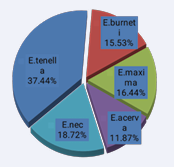
Figure 2: Eimeria species wise prevalence
Conversely, as reported in Ethiopia by Ashenafi et al. [20], and in Iran by Nematollahi et al. [15], disclosed that E. acervulina was a predominant species of Eimeria On the other hand, Lobago et al. [27], reported that E. burnetti was the most prevalent species in Ethiopia. The probable reasons for this discrepancy could be differences in farm sanitation and /or due to exposure to the prophylaxis used as anticoccidial drugs in feed and water or may be due to breed differences.
The occurrence and incidence of coccidiosis is also, to a great extent, affected by the type of chick reared and breed sensitivities to infection [53]. Many coccidiostatics drugs have been directed against E. tenella, with the result that other species are increasingly incriminated as a cause of poultry coccidiosis [54].
Status of poultry coccidiosis in Ethiopia
Poultry coccidiosis is endemic in Ethiopia, causing abundant economic losses mainly in young chickens, in all production systems. For instance, proportion rate of 50.8% and 11% in deep litter intensive systems and backyard extensive production systems, respectively, were reported from Debrezeit and its surroundings. Moreover study on the occurrence of coccidiosis and distribution of Eimeria species in dead chickens of 1-60 days of age, at Kombolcha Poultry Multiplication and Research Centre (KPMRC), Ethiopia indicated that out of 965 dead chickens, 370 (38.34%) were found to have clinical coccidiosis. The Eimeria species identified in those studies were E. brunetti, E. tenella, E. acervulina and E. necatrix with prevalence of 45.3%, 40.8%, 9.7% and 4.1%, respectively [27].
Poultry occidiosis, caused by for example Eimeria acervulina, Eimeria necatrix, Eimeria maxima and Eimeria tenella, is endemic in all parts of the country and affects mainly young growing chickens [18].The species of coccidia identified in Ethiopia are E. tenella, E. necatrix, E. maxima and E. acervulina, E. mivati and E. brunetti [27].
Studies conducted in Arsi zone (Tiyo district) revealed prevalence rates of 22.58% and 12.25% for clinical coccidiosis in Rhode Island red (RIR) and local strain chickens respectively [22]. Additional investigation done in central Ethiopia revealed that Eimeria acervulina was the most prevalent coccidial species [27-55], whereas study conducted in Kombolcha disclosed that Eimeria burneti was the most prevalent coccidian species .This variation may be because of the possibility of drug resistance or/and differences in virulence of Eimeria species under different management systems.The possible risk factors associated with the outbreak of coccidiosis in Ethiopia were reported as absence of proper disposal of litters, wetting of litters from leaking pipes, absence of all- in all- out system, the presence of stressors (such as change in diets and concurrent infections) and extensive use of coccidiostats [43]. Moreover, [22].have reported that the potential risk factors for the occurrence of coccidiosis in free-ranging local chickens were non-selective picking behavior during feeding, age group, high moisture conditions whereas in Rhode Island Red (RIR) breeds that were kept under intensive deep litter system, the potential risk factors observed from farm assessment through questionnaire were age groups, production systems, flock size, moisture level in the poultry house and level of biosecurity.
Questionnaire survey result
Demographic characteristics of Respondents: Of 138 poultry owners, 69 from Arba Minch town administration and 69 from Arba Minch Zuria district were involved in the survey to investigate the awareness about the poultry rearing practice. 61(44.2%) respondents were male and 77(55.8%) were female respondents. The higher proportion of female respondents than males reflected the fact that poultry rearing is mainly managed by females, as it was also reported by Desalew [56], and Khandait et al [57]. Most of the respondents (59.4%) were reared poultry for more than five years, 54(39.1%) of respondents reared for 1-5 years and 1.4% were reared for the first course with experience less than a year.
Production, Disease Problems and Awareness about Coccidiosis: The majority (56.52%) of the respondents keeps bovans brown breed, 33.33% sasso T144 and 10.14% of farmer rears other breed. And the source of chicks for the poultry farmers was private hatcheries.
About 74.64% of respondents complained of disease as a major constraint. Other constraints of production were management related problems 38.40% and environmental stress (8.69%). The most predominant chicken disease observed by farmers in descending order of importance were newcastle (64.49%), coccidiosis (44.20%), fowl Pox (40.58%), lice (17.39%) and worms (16.67%) in the study area. In the present study areas coccidiosis was reported as the second major disease problem, followed by management related problems and environmental stress. Similarly, Desalewu, (2012), reported disease as a major constraint of poultry production in East Shewa, Ethiopia. According to respondents’ view, most of respondents (71.02%) lack awareness about the effect and control methods of coccidiosis.
The survey also revealed that the farms and chicken keeping households use different antimicrobial and antiprotozoal drugs to treat their poultry. The commonly used anticoccidial drugs were oxytetracycline, amprolium and vitamin supplements [58,59]. Among this Oxytetracycline was used by the majority of the respondents 63.04%. This is in line with reports by [60,61]. However, the use of the antibiotics is mostly not based on any prescription from the veterinarian but by the farmers themselves which indicates irrational use of the drugs in the study area as reported by Sharma et al., [62,63].
CONCLUSION AND RECOMMENDATIONS
The result of the current study showed poultry coccidiosis is the most common encountered and important disease affecting chicken production in in the study area with an overall prevalence of 21.81%. Clinical status, water source, litters moisture, anticoccidial provisions are found to be potential risk factors for the occurrence of poultry coccidiosis in the study area with Statistically Significant difference (p<0.05).
Even though the reduced prevalence of coccidiosis reported in the present study, coccidiosis is a major burden to small scale poultry owners. The coccidia species identified were E. tenella, E. necatrix, E. maxima, E. burnette and E. Acervulina. E. tenella were the predominant species. The finding also implied that coccidiosis is one of the most economically important diseases under poorly managed systems, Wet and moist litters in poultry houses are suitable to develop oocysts into sporulation and could increase the risk of coccidiosis.
Therefore, the following recommendations are forwarded:
• Commitments toward educating the local chicken farmers especially in villages to control coccidiosis through good hygienic practices, and the proper use of anticiccidial drugs should be considered.
• Good biosecurity practices and Anticoccidial should be given regularly for the prevention and control of coccidiosis so as to decrease the prevalence of coccidiosis observed in this study area.
• To control this economically poultry coccidiosis, further studies need to be undertaken to formulate sustainable and cost-effective prevention and control methods.
Ethical Consideration
For this study, the data was obtained through written informed consent acquired from all study participants, and it was approved by the concerned research ethical committee of the AMU. The respondent’s confidentiality was maintained; his/her answers were not being released to anyone and it remains anonymous and the name of respondent will not be written on questionnaire or be kept secure. On the other hand, his/her participation is based on his/ her voluntary and he/she may choose to stop the interview at any time.
ACKNOWLEDGEMENTS
First of all, I would like to thank almighty God for all giving me strength and well health throughout the journey of my activity. Next I would like to express my deepest thanks to my principal advisor Dr. Ephrem Tora for his valuable advice and suggestions from the beginning of my work. I would like to thank my co- advisor Dr. Minale Getachew for constructive comments and suggestions to value my work.
My special thanks also go to Arba Minch University for providing sponsorship for my study. Department of Animal Sciences and staffs of the department are highly appreciated for their brotherly support and encouragement through the entire academic and research paths during my study.
The Arba Minch Zuria district livestock and fishery resource development office and Arba Minch town agriculture office heads, experts and animal health assistants working in the study sites are highly acknowledged for field technical support.
Declaration
I hereby declare that this research is my original work and has not been presented for a degree in any other university, and all sources of material used for this thesis have been duly acknowledged.
REFERENCES
- FAO (Food and Agriculture Organization of the United Nations) . Chicken meat production Statistics, 2021.
- Conan A, Goutard FL, Sorn S, Vong S. Biosecurity measures for backyard poultry in developing countries: a systematic review. BMC Vet Res. 2012; 8: 1-10.
- Magothe TM, Okeno TO, Muhuyi WB, Kahi AK. Indigenous chicken production in Kenya: I. Current status. World’s Poultry Science J. 2012; 68: 119-132.
- Central Statistical Agency (CSA). TheFederal Democratic Republic of Ethiopia, Central Statistical Agency, Agricultural Sample Survey (2014 E.C.), Volume II Report on Livestock and LivestockCharacteristics (Private Peasant Holdings). Tatistical Bulletin 589 Addis Ababa, Ethiopia.2021.
- Dana N, van der Waaij LH, Dessie T, van Arendonk JA. Production objectives and trait preferences of village poultry producers of Ethiopia: implications for designing breeding schemes utilizing indigenous chicken genetic resources. Trop Anim Health Prod. 2010; 42: 1519-1529.
- Wondimu A, Mesfin E, Bayu Y. Prevalence of Poultry Coccidiosis and Associated Risk Factors in Intensive Farming System of Gondar Town, Ethiopia. Vet Med Int. 2019; 2019: 5748690.
- Abebe E, Gugsa G. A review on poultry coccidiosis. Abyssinia J Science Technol. 2018; 3: 1-12.
- Belaynew AT, Wudu A. Mengestie. Study on the prevalence, species identification and risk factors associated with poultry coccidiosis in Gondar Town, North Ethiopia,” Natural Science. 2016; 14: 35-40.
- Habte T, Amare A, Bettridge JM, Collins M, Christley RM, Wigley P. Guide to chicken health and management in Ethiopia: For farmers and development agents. ILRI Manual. 2017.
- Awais M., Akhtar M, Z Iqbal, F Muhammad, MI Anwar. “Seasonal prevalence of coccidiosis in industrial broiler chickens in Faisalabad, Punjab, Pakistan,” Tropical Animal Health and Production. 2011; 44: 323-328.
- Adamu, M. Evaluation of risk factors associated with coccidiosis in broiler farms of selected towns of Ethiopia. African J Basic and Applied Sci. 2015; 7: 34-40.
- Walker RA, Ferguson DJ, Miller CM, Smith NC. Sex and Eimeria: a molecular perspective. Parasitology. 2013; 140: 1701-1717.
- Burrell A, Tomley FM, Vaughan S, Marugan-Hernandez V. Life cycle stages, specific organelles and invasion mechanisms of Eimeria species. Parasitology. 2020; 147: 263-278.
- Silva P, Liyanage RP, Senadheera S, Dematawewa C.M.B. Monograph on indigenous chicken in Sri Lanka. UNEP-GEF-ILRIFAnGR Asia Project, University of Peradeniya, Sri Lanka. 2016.
- Nematollahi A, Moghadda, G H, Pourabad ,RF. Prevalence of Eimeria species amongbroiler chicks in Tubriz (North West of Iran).Munis Entomology and Zoology. 2009; 4: 53-58.
- Bera AK, Bhattacharya D, Pan D, Dhara A, Kumar S, Das SK. Evaluation of economic losses due to coccidiosis in poultry industry in India. Agricultural Economics Research Review. 23(347-2016-17019), 2010; 91-96.
- McDougald LR, Cervantes HM, Jenkins MC, Hess M, Beckstead, R.Protozoal infections. Diseases of poultry. 2020; 1192-1254.
- Safari M, Kinung H, Getachew T, Hafez W, Moges K. Assessment of economic impact caused by poultry in small and large scale farm in DebreZeit, Ethiopia. Int J Sci. 2004; 3: 715-718.
- Haug A, Gjevre AG, Thebo P, Mattsson JG, Kaldhusdal M. Coccidial infections in commercial broilers: epidemiological aspects and comparison of Eimeria species identification by morphometric and polymerase chain reaction techniques. Avian Pathol. 2008; 37: 161-170.
- Ashenafi H, Tadesse S, Medhin G, Tibbo M. Study on coccidiosis of scavenging indigenous chickens in Central Ethiopia. Trop Anim Health Prod. 2004; 36: 693-701.
- Lobago J, Nigussie D, Wossene A, Ashenafi H. The study on major diseases of chickens in Debre Zeit, Centrale Ethiopia. Bulletine Animal Health Production.2003; 51: 11-21.
- Gari, G, Tilahun, G, Dorchies P. Study on poultry coccidiosis in Tiyo district, Arsi zone, Ethiopia. Int J Poultry Sci. 2008; 7: 251-256.
- Central Statistical Authority (CSA). Agricultural Sample Enumeration Report on Livestock and Farm Implement IV, CSA, Addis Ababa, Ethiopia. 2007.
- Oljira D, Melaku A, Bogale B. “Prevalence and risk factors of coccidiosis in poultry farms in and around Ambo Town, Western Ethiopia,” Americal Europian J Sci Res. 2012; 7: 146-149.
- Wodajo W, Mohammed N, Tora E, Seyoum W. Sero-prevalence of Newcastle disease and associated risk factors in chickens at backyard chicken production Kindo Koisha, Wolaita zone, Southern Ethiopia. Front Vet Sci. 2023; 9: 1089931.
- Cochran WG. Sampling Techniques. 3rd Edition, John Wiley and Sons, New York.1997.
- Lobago F, Worku N, Wossene A. Study on coccidiosis in Kombolcha Poultry Farm, Ethiopia. Trop Anim Health Prod. 2005; 37: 245-51.
- Dinka A, Yaco, HT. Coccidiosis inFayoumi chickens at Debre Zeit AgriculturalResearch Center Poultry Farm, Ethiopia. Eur J Appl Sci. 2012; 4: 191-195.
- Amaral, LA. Drinking water as a risk factor to poultry health. Brazilian J Poultry Sci. 2004; 6: 191-199.
- Muazu, A, Masdooq A, ANgbede, J, Salihu AE, Haruna, G, Habu, et al. Prevalence and Identification of Species of Eimeria Causing Coccidiosis in Poultry with in Vom, Plateau State, Nigeria. Int J Poul Sci. 2008; 7: 917-918.
- Bachaya HA., Raza MA., Khan, MN, Iqbal, Z, Abbas, RZ, Murtaza, S. et al. Predominance and detection of different Eimeria species causing coccidiosis in layer chickens. J Anim Plant Sci, 2023; 22: 597-600.
- Williams RB. Intercurrent coccidiosis and necrotic enteritis of chickens: rational, integrated disease management by maintenance of gut integrity. Avian Pathol. 2005; 34: 159-180.
- Alemayehu, T, Tekeselassie A, Kassa SA. Prevalence study of poultry coccidiosis in small and large-scale farms in Addis Ababa, Ethiopia Sci J Crop Sci. 2012; 1: 26-31.
- Pinard-Van Der Laan MH, Monvoisin JL, Pery P, Hamet N, Thomas M. Comparison of outbred lines of chickens for resistance to experimental infection with coccidiosis (Eimeria tenella). Poult Sci. 1998; 77: 185-191.
- Ahmed A. Al-Gawad, Olfat A. Mahdy, Aida A. N. El-Massry, Mohamed S. A.Al-Aziz. Studies on Coccidia of Egyptian Balady Breed Chickens. Life Science J. 2012; 9.
- Tehetena, A. Study on prevalence of poultry coccidiosis in small and large scale productions in Addis Ababa. Unpublished DVM thesis, Faculty of Veterinary Medicine, University of Gondar, Ethiopia. 2010.
- Belal, S.M.S.H. “Prevalence of Coccidiosis in Sonali chickens in Sirajgonj District of Bangladesh”, Bangladesh J Vet Med. 2018; 15: 107-111.
- Attree E, Sanchez-Arsuaga G, Jones M, Xia D, Marugan-Hernandez V, Blake D, et al. Controlling the causative agents of coccidiosis in domestic chickens; an eye on the past and considerations for the future. CABI Agric Biosci. 2021; 2: 37.
- Hailegebreal G, Molla Tanga B, Woldegiorgis W, Sulayeman M, Sori T. Epidemiological investigation of morbidity and mortality of improved breeds of chickens in small holder poultry farms in selected districts of Sidama Region, Ethiopia. Heliyon. 2022; 8: e10074.
- Keffale M, Mume, AJ. Prevalence of Poultry Coccidiosis in Large and Small Scale Poultry Farms in and Around Dire Dawa, Ethiopia. 2015.
- Addis KG, Endale T. Prevalence of poultry coccidiosis in and around Yabello, Southern Ethiopia. World J Agricultural Sci. 2016; 12: 342-345.
- Birhane GW, Nibret M. Study on the Prevalence and Risk Factors of Poultry Coccidiosis in Mekelle Town, North Ethiopia. British J Poultry Sci. 2016; 5: 26-31
- Hadas G, Mebrhatu G, Abebe T. Prevalence of Poultry Coccidiosis in Gondar Town, North West Ethiopia. Am-Euras J Scientific Res. 2014; 9: 129-135.
- Chanie M, Negash T, Tilahun SB. Occurrence of concurrent infectious diseases in broiler chickens is a threat to commercial poultry farms in Central Ethiopia. Trop Anim Health Prod. 2009; 41: 1309-1317.
- Tadesse, C. and Feyissa, BD. Poultry coccidiosis: Prevalence and associated risk factors in extensive and intensive farming systems in Jimma Town, Jimma, Ethiopia. J Vet Med Animal Health. 2016; 8: 223-227.
- Amaral, L. “Drinking water as a risk factor to poultry health”, Brazilian J Poultry Science, Fundação de Apoio à Ciência e Tecnologia Avicolas. 2004; 6: 191-199.
- Györke A, Pop L, Cozma V. Prevalence and distribution of Eimeria species in broiler chicken farms of different capacities. Parasite. 2013; 20:50.
- Tadesse C, Feyissa BD. Poultry coccidiosis: Prevalence and associated risk factors in extensive and intensive farming systems in Jimma Town, Jimma, Ethiopia. J Vet Med Animal Health. 2016; 8: 223-227.
- McDougald, LR. Coccidiosis Diseases of Poultry (11th ed.) Iowa: Iowa State Press. 2003; 1001-1010.
- Conway DP, McKenzie ME. Poultry coccidiosis: diagnostic and testing procedures. John Wiley and Sons. 2007.
- Amer MM, Awaad M.HH., El-Khateeb M, Abu-Elezz N, Sherein-Said A, Ghetas, MM. et al. Isolation and identification of Eimeria from field coccidiosis in chickens. J American Sci. 2010; 6: 1107-1114.
- Catchpole, J. The diagnosis and misdiagnosis of coccidiosis in chickens.In proceedings of coccidiosis conference 7th international poultry health conference, Hannover, Germany.Driffield, UK: Positive Action Publications. 2010.
- Wages DP, Opengart K. Necrotic enteritis. In: YM. Saif, HJ, Barnes JR. 2014.
- Taylor MA, Coop R L, Wall R. Veterinary Parasitology. (3rd ed) Oxford, UK: Blackwell Publishing.2007; 475-483.
- Urquhart MG, Armour J, Duncan LJ, Dunn MA, Jennings WF. Veterinary Parasitology. 2nd ed. Scotland: University Of Glasgow. 1996; 228-231.
- Hagos A. Survey on Identification of major diseases of local chicken in three selected agro climatic zones in central Ethiopia. Faculty of Veterinary Medicine, Addis Ababa University. Debre Zeit. DVM Thesis. 2010.
- Desalew TT. Management Practices, Productive Performances and Egg Quality Traits of Exotic Chickens under Village Production System in East Shewa, Ethiopia. A thesis submitted to the school of Graduate Studies of Addis Ababa University in partial fulfillment of the requirements for the Degree of Master in Tropical Ani mal Production and Health. Addis Ababa University College of Veterinary Medicine and Agriculture.2012.
- Khandait V, Gawande, S, Lohakare A, Dhenge, S. Adoption Level and Constraints in Backyard Poultry Rearing Practices at Bhandara District of Maharashtra (India). Res J Agri Sci. 2011; 2: 110-113.
- Peek HW, Landman WJ. Coccidiosis in poultry: anticoccidial products, vaccines and other prevention strategies. Vet Q. 2011; 31: 143-161.
- Miazi OF, Da, A, Shaha M, Khan MMH, Hassan MM, Shahadat M.A, et al. Disease Conditions and Different Abnormalities of Indian Peafowl and its Treatment in Captivity. Int J Adv Res Biol Sci. 2024; 11: 1-14.
- Ndukui JG, Gikunju JK, Aboge GO, Mbaria JM. Antimicrobial use in commercial poultry production systems in Kiambu County, Kenya: A cross-sectional survey on knowledge, attitudes and practices. Open J Animal Sci. 2021; 11: 658-681.
- Arowolo, ROA, Soetan KO, Arowolo OO, Sodimu OO. The level of awareness and use of anticoccidials in poultry farms in South Western Nigeria. Afr J Pharm Pharmacol. 2012; 6: 3158-3164.
- Sharma G, Dey TK, Hazarika RA, Shome BR, Shome R, Singh VP, et al. Knowledge and practices related to antibiotics among poultry producers and veterinarians in two Indian states. One Health. 2024; 18: 100700.