Dementia Care: A Comprehensive Review of Persistent Challenges and Emerging Innovations
- 1. Department of Biochemistry, University of Karachi, Pakistan
Abstract
Dementia is a rapidly growing global health crisis, affecting over 55 million individuals and placing unprecedented strain on healthcare systems, families, and economies. Despite advances in symptomatic management, persistent challenges in early diagnosis, caregiver support, workforce training, and health system integration continue to undermine care quality. This comprehensive review synthesizes current evidence on twelve key domains of dementia care, ranging from barriers to early diagnosis and person-centered models to technology-driven solutions, behavioral symptom management, palliative care, and innovative funding models. The review highlights the persistent gap between evidence-based recommendations and real-world implementation, particularly in low-resource settings. Emerging innovations including telehealth, ambient sensors, artificial intelligence, and value-based payment models offer promising pathways to address these gaps. However, significant barriers remain, including poor bioavailability of some interventions, lack of standardized training, and ethical concerns surrounding surveillance and autonomy. The review concludes that transforming dementia care requires a multi-pronged approach that integrates technological innovation, workforce development, policy reform, and sustained research investment.

Keywords
• Dementia care; early diagnosis; person-centered care; caregiver burnout; telehealth; behavioral and psychological symptoms; palliative care; health system integration
Citation
Ikram H (2026) Dementia Care: A Comprehensive Review of Persistent Challenges and Emerging Innovations. Ann Gerontol Geriatric Res 11(1): 1062.
INTRODUCTION
Dementia represents one of the most pressing public health challenges of the twenty-first century, affecting more than 55 million people worldwide with numbers projected to nearly triple by 2050. The condition encompasses a range of progressive neurodegenerative disorders, including Alzheimer’s disease, vascular dementia, Lewy body dementia, and frontotemporal dementia, each with distinct pathophysiology but shared consequences for cognitive and functional decline. Beyond the individual suffering, dementia imposes profound emotional, social, and economic burdens on families, who provide the vast majority of care without adequate training or compensation [1]. Healthcare systems, already stretched by aging populations, face escalating demands for diagnostic services, long-term care, and specialized interventions. Despite decades of research, disease-modifying therapies remain limited, and symptomatic treatments offer only modest benefits with significant side effects. Consequently, the quality of dementia care depends heavily on how well health and social systems address persistent challenges and adopt emerging innovations [2].
The gap between evidence-based recommendations and routine practice is particularly wide in dementia care, where fragmented services, workforce shortages, and misaligned reimbursement models create formidable barriers. Early diagnosis, which enables advance care planning and access to support services, is frequently delayed due to stigma, lack of provider training, and limited access to specialty care. Family caregivers, the invisible backbone of dementia care, experience high rates of burnout, depression, and physical illness, yet support services remain underfunded and underutilized. In institutional settings, person-centered care principles are widely endorsed but poorly implemented, with high staff turnover and task-oriented routines prevailing [3,4]. These persistent challenges demand innovative solutions that are scalable, equitable, and responsive to the diverse needs of people living with dementia and their families.
This review provides a comprehensive synthesis of current evidence on twelve critical domains of dementia care, from barriers to early diagnosis and person-centered models to technology-driven solutions, pharmacological and non-pharmacological interventions, behavioral symptom management, palliative care, health system integration, workforce training, ethical and legal issues, and innovative funding models. Each section examines the nature of the challenge, evaluates the evidence base for existing and emerging innovations, and identifies priorities for future research and implementation. The review draws on recent literature, including systematic reviews, randomized controlled trials, and real world demonstration projects, to offer a balanced assessment of what works, what does not, and what remains uncertain. Particular attention is paid to innovations such as telehealth, ambient sensors, artificial intelligence, collaborative care models, and value-based payment reforms that hold promise for transforming care delivery. However, the review also acknowledges persistent barriers including digital divides, ethical concerns, and the challenge of scaling pilot successes to national and global levels. By integrating evidence across these domains, the review aims to inform clinicians, policymakers, researchers, and advocates about the current state of dementia care and the most promising pathways forward.
BARRIERS TO EARLY DIAGNOSIS AND ACCESS TO CARE
Early diagnosis of dementia is frequently delayed due to a combination of patient, family, and healthcare system factors. Many individuals and their relatives mistakenly attribute early memory lapses to normal aging, leading to prolonged avoidance of medical evaluation. Stigma surrounding cognitive decline further discourages help-seeking, as patients fear losing independence or facing discrimination. Primary care providers often lack the time, training, or tools to perform comprehensive cognitive assessments during routine visits. Specialist referral pathways are frequently lengthy, with waiting times for neurology or geriatric clinics extending to months in many regions [5]. Consequently, a large proportion of dementia cases are diagnosed at moderate or severe stages, when interventions are less effective. Access to care is further limited by geographic, financial, and cultural disparities that disproportionately affect rural and low-income populations. Rural communities often have few or no memory clinics, geriatricians, or diagnostic imaging facilities, forcing patients to travel long distances. The cost of neuropsychological testing, brain imaging, and specialist consultations can be prohibitive in health systems with high out-of-pocket expenses [6] (Figure 1).
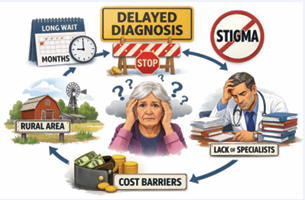
Figure 1: Barriers to early diagnosis of dementia
Even in countries with universal healthcare, non-medical costs such as transportation and lost work time create significant barriers. Cultural beliefs about mental illness and aging may lead some ethnic groups to seek care from traditional healers rather than medical professionals. Language barriers and lack of culturally adapted screening tools further exclude minority populations from timely diagnosis and subsequent care. Innovative strategies to overcome these barriers include community-based screening programs, task-shifting to trained nurses or community health workers, and the use of brief digital cognitive assessments [7]. Mobile health units equipped with telemedicine capabilities can bring diagnostic services to underserved areas. Public awareness campaigns that normalize cognitive testing and reduce stigma have shown promise in increasing early presentation. Financial innovations such as travel vouchers or sliding-scale fees can reduce economic barriers for low-income families. Training primary care providers in dementia detection using validated tools has been effective in multiple settings. Policy interventions that mandate cognitive screening during annual wellness visits for older adults could dramatically improve early diagnosis rates.
PERSON-CENTERED CARE MODELS: PRINCIPLES AND IMPLEMENTATION
Person-centered care shifts the focus from managing disease to supporting the whole person, respecting their unique history, preferences, and values. This model recognizes that each individual with dementia has a distinct life story, personality, and set of abilities that should guide all aspects of care. Core principles include treating the person with dignity, offering choices, understanding behavior as communication, and creating a supportive physical and social environment. Implementation requires a fundamental change in organizational culture, moving away from rigid routines and task-oriented approaches. Staff must be trained to see beyond the diagnosis and to engage with the person behind the dementia [8]. Family members are viewed as essential partners in care, not as visitors or obstacles. Practical implementation of person-centered care involves specific strategies such as life story work, where caregivers learn about the individual’s past occupations, hobbies, and relationships. Environmental modifications include personalized room decorations, familiar objects, and clear signage that supports wayfinding. Care plans are co-created with the person and their family, incorporating their preferred daily routines, meal choices, and activities [9].
Decision-making processes involve the person with dementia to the greatest extent possible, using supported decision-making techniques. Staff scheduling is designed to ensure continuity of relationships, so that the same caregivers work with the same individuals consistently. Outcome measurement shifts from clinical metrics alone to include quality of life, satisfaction, and sense of purpose. Despite its widespread endorsement,person-centered care faces substantial barriers in real-world settings, particularly in institutional long-term care. High staff turnover, understaffing, and limited training time make it difficult to implement individualized approaches consistently. Regulatory and reimbursement frameworks often prioritize documentation of tasks over relationship-building, creating perverse incentives. Some healthcare professionals mistakenly believe that person-centered care is only feasible for people with mild dementia, ignoring its benefits across all stages [10,11]. Innovative implementation strategies include the use of dementia care mapping, a structured observation tool that helps staff see care from the resident’s perspective. Leadership commitment and ongoing coaching, rather than one-time training, are critical for sustaining person-centered practices over time.
CHALLENGES IN CAREGIVER SUPPORT AND BURNOUT PREVENTION
Family caregivers of people with dementia provide an estimated 80% of home-based care, often without adequate training or compensation. The demands of caregiving include managing behavioral symptoms, assisting with activities of daily living, navigating healthcare systems, and providing emotional support. Caregivers frequently experience chronic stress, which is associated with elevated rates of depression, anxiety, and physical health problems such as hypertension and weakened immune function. The concept of caregiver burnout encompasses emotional exhaustion, depersonalization, and a reduced sense of personal accomplishment. Financial strain is common, as caregivers may reduce work hours or leave employment entirely, losing income and benefits [12]. Social isolation compounds the burden, as friends and extended family often withdraw due to discomfort with the disease. Existing support services remain underutilized due to barriers including lack of awareness, limited availability, and caregiver reluctance to accept help. Respite care, which provides temporary relief for caregivers, is often unavailable in rural areas or unaffordable for low-income families. Support groups can be beneficial but may not suit caregivers who are too exhausted to attend or who prefer online formats [13].
Educational programs that teach behavior management skills and stress reduction techniques have shown efficacy, yet they reach only a fraction of those in need. Many caregivers wait until they are in crisis before seeking help, at which point institutionalization of the care recipient becomes more likely. Cultural norms that view caregiving as a family obligation can prevent individuals from accessing external support services. Innovative approaches to caregiver support are expanding beyond traditional respite and support groups. Technology-based interventions include smartphone apps that provide on-demand coaching, stress tracking, and access to virtual support communities. Structured multicomponent programs such as REACH (Resources for Enhancing Alzheimer’s Caregiver Health) have demonstrated reductions in caregiver depression and burden. Employer-based initiatives, including flexible work arrangements and paid family leave, are increasingly recognized as essential supports [14]. Financial interventions such as caregiver tax credits or direct stipends can offset lost income and out-of-pocket expenses. Proactive, population-based screening for caregiver distress in primary care settings could identify at-risk individuals before burnout occurs, enabling earlier intervention.
INNOVATIONS IN HOME-BASED AND COMMUNITY CARE
Home-based care models are gaining traction as preferred alternatives to institutional long-term care, aligning with the desires of most people with dementia to age in place. The Hospital at Home model, adapted for dementia, provides acute care in the patient’s home through visiting nurses, telehealth monitoring, and portable diagnostic equipment. Community paramedicine programs train emergency medical services personnel to conduct home assessments and connect families with community resources, reducing unnecessary hospital transfers. Adult day centers have evolved from simple supervision to providing structured therapeutic activities, health monitoring, and caregiver respite. Home modification services address safety hazards such as fall risks, poor lighting, and wandering dangers through professional assessments and installations [15]. Meal delivery programs tailored to the nutritional needs of people with dementia help maintain weight and hydration while reducing caregiver burden. Coordinated community care networks integrate health, social, and support services through a single point of entry, often called a dementia navigator or care hub. These navigators help families access medical care, legal services, financial assistance, home modifications, and support groups without navigating fragmented systems alone. Dementia-friendly community initiatives train local businesses, faith organizations, and first responders to recognize and support people with cognitive impairment. Social prescribing connects individuals with non-medical community resources such as art classes, gardening groups, or exercise programs that promote well-being [16] (Figure 2).

Figure 2: Innovations in dementia care services
Volunteer visitor programs pair trained community members with isolated people with dementia for companionship and supervised outings. Transportation services specifically designed for people with cognitive impairment, including door-through-door assistance, enable continued participation in community life. Financial sustainability of home and community-based services remains a major challenge, as reimbursement models historically favored institutional care. Value-based payment models that reward keeping people safely at home rather than per-day institutional payments are being piloted in several countries. Technology platforms that match volunteers with nearby caregiving tasks, such as grocery delivery or medication pickup, harness community social capital. Social impact bonds have funded innovative home-care programs where investors are repaid based on measurable reductions in nursing home admissions [17]. Co-operative care models, where families share caregiving responsibilities and pool resources, are emerging in some communities. Policy advocacy for rebalancing long-term care funding toward home and community services continues to be a priority for dementia advocates worldwide.
TECHNOLOGY-DRIVEN SOLUTIONS: TELEHEALTH, SENSORS, AND AI
Telehealth has transformed dementia care by enabling remote consultations, medication management, and caregiver education, particularly during the COVID-19 pandemic. Video visits allow specialists to conduct cognitive assessments, review medication side effects, and provide behavioral guidance without requiring travel. Remote monitoring of vital signs and medication adherence using connected devices helps prevent unnecessary emergency department visits. Telehealth platforms also support virtual support groups and caregiver training programs, reaching individuals in remote areas. Challenges include digital literacy among older adults, access to broadband internet, and the difficulty of conducting certain cognitive tests remotely. Hybrid models that combine periodic in-person visits with regular telehealth check-ins appear to offer the best balance of convenience and thoroughness [18]. Ambient sensor systems placed in the home can detect changes in activity patterns that may signal emerging health problems. Motion sensors on doors and in hallways can identify wandering, falls, or unusual nighttime activity, alerting caregivers via smartphone notifications. Bed sensors monitor sleep quality and restlessness, while stove sensors can automatically shut off cooking appliances if left unattended.
Wearable devices such as GPS trackers in shoes or watches provide location monitoring, reducing the risk of serious harm from getting lost. Smart home voice assistants can deliver reminders to take medications, attend appointments, or complete daily tasks. Ethical concerns about surveillance and autonomy must be balanced with safety benefits, often through user-controlled settings and transparent data use policies. Artificial intelligence is being applied to dementia care in increasingly sophisticated ways, from early detection to personalized intervention planning. Machine learning algorithms can analyze speech patterns, typing behaviors, or driving data to identify subtle cognitive changes years before clinical diagnosis. AI-powered chatbots and virtual assistants provide 24/7 answers to caregiver questions about behavior management or medication side effects. Predictive analytics can identify individuals at high risk of hospital readmission or nursing home placement, enabling targeted preventive interventions [19]. Computer vision systems can detect agitation or aggression from video feeds and alert staff before escalation occurs. Natural language processing of clinical notes can identify gaps in care coordination or missed diagnoses. While AI holds great promise, validation in diverse populations and protection against algorithmic bias remain critical priorities.
PHARMACOLOGICAL AND NON-PHARMACOLOGICAL INTERVENTIONS
Current pharmacological treatments for dementia offer modest symptomatic benefits but do not alter the underlying disease course. Cholinesterase inhibitors such as donepezil, rivastigmine, and galantamine are approved for mild to moderate Alzheimer’s disease, providing small improvements in cognition and function. Memantine, an NMDA receptor antagonist, is used for moderate to severe stages and may be combined with cholinesterase inhibitors. These medications have significant side effects including gastrointestinal distress, bradycardia, and confusion, leading to high discontinuation rates. No disease-modifying therapies have been approved for most forms of dementia, though anti-amyloid antibodies such as lecanemab and donanemab have shown modest effects in early Alzheimer’s. Access to these new biologics is limited by high costs, infusion requirements, and risk of amyloid-related imaging abnormalities. Non-pharmacological interventions are increasingly recognized as first-line treatments for many dementia symptoms, particularly behavioral and psychological symptoms [20]. Cognitive stimulation therapy involves structured group activities and discussions that improve cognition and quality of life in mild to moderate dementia. Reminiscence therapy uses photographs, music, or familiar objects from the past to trigger memories and promote social engagement.
Physical exercise programs, including aerobic, strength, and balance training, have been shown to slow cognitive decline and reduce falls. Occupational therapy interventions focus on adapting tasks and environments to maintain independence in daily activities. Music therapy, art therapy, and animal-assisted interventions can reduce agitation and improve mood without medication side effects. The optimal approach combines pharmacological and non-pharmacological strategies tailored to the individual’s symptoms, stage, and preferences. Multimodal lifestyle interventions addressing diet, exercise, cognitive training, and vascular risk factors have shown promise in preventing or delaying cognitive decline. Caregiver-mediated interventions, where family members are trained to deliver behavioral and environmental strategies, reduce both patient symptoms and caregiver distress. Structured protocols such as the DICE (Describe, Investigate, Create, Evaluate) approach guide clinicians through non-pharmacological management of behavioral symptoms [21]. Research priorities include head-to-head comparisons of different non-pharmacological approaches and studies of their mechanisms of action. Implementation science is needed to understand how to integrate effective interventions into routine practice across diverse care settings.
MANAGING BEHAVIORAL AND PSYCHOLOGICAL SYMPTOMS OF DEMENTIA
Behavioral and psychological symptoms of dementia (BPSD) include agitation, aggression, psychosis, depression, anxiety, apathy, disinhibition, and sleep disturbances. These symptoms are nearly universal across dementia stages and are often more distressing to families and caregivers than cognitive decline itself. BPSD frequently precipitate nursing home placement, as families feel unable to manage severe agitation or aggression at home. The underlying causes are multifactorial, including neurobiological changes, untreated pain, constipation, sensory impairments, and environmental triggers. A systematic approach to assessment, often called the “ABC” (Antecedent, Behavior, Consequence) method, helps identify patterns and potential causes. Medical evaluation for delirium, infection, or medication side effects should always precede behavioral interventions. Non-pharmacological interventions are recommended as first-line treatment for BPSD, with medications reserved for severe or refractory cases. Environmental modifications such as reducing noise, improving lighting, and creating predictable routines can significantly reduce agitation. Person-centered approaches that address unmet needs, such as hunger, loneliness, or boredom, are more effective than generic behavioral protocols [22].
Specific techniques include validation therapy (acknowledging emotions without correcting facts), distraction, and redirection. Staff training in dementia care mapping and the PIECES (Physical, Intellectual, Emotional, Capabilities, Environment, Social) framework has reduced BPSD in institutional settings. Family caregivers can be taught similar strategies through structured programs like STAR (Staff Training in Assisted Living Residences) adapted for home use. When non-pharmacological approaches are insufficient, pharmacotherapy may be considered, but with great caution due to significant risks. Antipsychotics such as risperidone and quetiapine are modestly effective for agitation and psychosis but carry black box warnings for increased mortality in older adults with dementia. Antidepressants, particularly SSRIs like citalopram, may help with depression and anxiety but have side effects including falls and hyponatremia. Mood stabilizers and benzodiazepines are generally avoided due to poor efficacy and high risk of adverse effects [23]. Deprescribing protocols that systematically reduce or eliminate unnecessary psychotropic medications have been successful in nursing homes. Emerging treatments include pimavanserin for dementia-related psychosis and cannabinoids, though evidence remains limited. Ongoing research focuses on identifying biomarkers to predict which individuals will respond to specific interventions.
PALLIATIVE AND END-OF-LIFE CARE IN DEMENTIA
Palliative care for dementia focuses on maximizing quality of life, managing symptoms, and supporting families throughout the disease trajectory, not only at the very end. Unlike cancer, where palliative care is often introduced after curative treatments fail, dementia follows a prolonged, unpredictable decline lasting years to decades. Common symptoms in advanced dementia include pain, dysphagia, recurrent infections, pressure ulcers, and respiratory distress. Communication difficulties make symptom assessment challenging, requiring the use of observational tools such as the Pain Assessment in Advanced Dementia (PAINAD) scale. Advance care planning discussions should begin early after diagnosis, addressing goals of care, preferred place of death, and treatment limitations. However, these conversations are often avoided due to clinician discomfort, prognostic uncertainty, and family reluctance [24]. End-of-life care for people with dementia frequently involves hospitalizations that may be inconsistent with their stated preferences. Transitions between home, hospital, and nursing home are associated with delirium, functional decline, and family distress. Tube feeding in advanced dementia does not improve survival or prevent aspiration pneumonia and may cause discomfort.
Antibiotics for recurrent infections are often prescribed despite limited evidence of benefit and potential adverse effects. The focus should shift toward comfort measures, including oral care, skin integrity, positioning, and management of pain and dyspnea. Hospice services, which provide interdisciplinary home-based palliative care, are underutilized for dementia compared to cancer. Innovative models of palliative care in dementia are emerging to address these gaps. The model of integrated palliative care for dementia embeds palliative specialists within memory clinics or geriatric practices. Community-based palliative care teams provide regular home visits, 24/7 telephone support, and coordination with primary care. Decision aids and video decision tools help families understand the prognosis and trade-offs of interventions like tube feeding or hospitalization. Staff training programs in nursing homes, such as the “Palliative Care for People with Dementia” curriculum, improve comfort and reduce burdensome interventions. Bereavement support for families, often overlooked, is a critical component of comprehensive palliative care. Policy initiatives that incentivize advance care planning and reimburse palliative care telephone consultations could extend access to this essential service [25] (Figure 3).

Figure 3: Palliative care in dementia
HEALTH SYSTEM INTEGRATION AND CARE COORDINATION
Fragmented care is a hallmark of dementia services, with patients and families navigating separate silos of primary care, neurology, geriatrics, psychiatry, social services, and long-term care. Lack of communication between providers leads to duplicate testing, conflicting recommendations, and missed opportunities for intervention. Care coordination models assign a designated individual, often a nurse or social worker, to serve as a single point of contact for the patient and family. The coordinated care plan includes medical management, behavioral support, caregiver training, advance care planning, and linkage to community resources. Successful models such as the UCLA Alzheimer’s and Dementia Care Program have demonstrated reduced emergency department visits and improved quality of life. However, widespread implementation is limited by reimbursement constraints and workforce shortages. Integrated care systems that embed dementia specialists within primary care practices show particular promise for improving access and continuity. The collaborative care model, adapted from psychiatry, involves a care manager who works with the primary care provider, a consulting dementia specialist, and the patient family. Regular case reviews, patient registries, and measurement-based care are core components of this approach [26].
integrated dementia care requires policy changes, workforce innovation, and robust evaluation. The bipartisan Building Our Largest Dementia (BOLD) Infrastructure for Alzheimer’s Act in the United States funds public health departments to implement coordinated dementia care and support. Dementia care management programs in Germany and the Netherlands have been evaluated in large randomized trials, showing mixed but generally positive results. Task-shifting to community health workers or peer navigators can extend the reach of coordination services in low-resource settings.
Technology platforms that automate care alerts, track outcomes, and facilitate team communication reduce the administrative burden on care coordinators [27]. Ongoing research examines optimal staffing ratios, caseloads, and intensity of coordination for different patient populations. The ultimate goal is a seamless system where people with dementia and their families experience care as coherent, continuous, and compassionate.
WORKFORCE TRAINING AND EDUCATION CHALLENGES
The global healthcare workforce is inadequately prepared to meet the needs of the growing dementia population. Surveys consistently show that medical, nursing, and allied health students receive minimal didactic and clinical exposure to dementia care. Many practicing physicians report low confidence in diagnosing dementia, managing behavioral symptoms, or conducting advance care planning. Direct care workers, such as nursing assistants in long-term care, receive the least training despite providing the majority of hands-on care. High turnover rates in the caregiving workforce, often exceeding 50% annually in nursing homes, disrupt continuity and deplete organizational knowledge. The financial reality of low wages and limited career advancement further discourages recruitment and retention. Innovative educational approaches are addressing these gaps through competency-based curricula and interprofessional training. The Alzheimer’s Association’s Essential Skills for Dementia Care program provides online modules and in-person workshops for direct care workers. Medical schools have integrated dementia-specific communication skills training using simulated patients and role-play [28] (Figure 4).

Figure 4: Dementia care workforce training
Nursing programs are incorporating the “Dementia Care Practice Recommendations” into clinical rotations and simulation labs. Interprofessional education brings together medical, nursing, pharmacy, and social work students to practice team-based dementia care planning. Virtual reality simulations allow trainees to experience the sensory and perceptual changes of dementia, fostering empathy and understanding. Ongoing workforce development requires systemic changes in regulation, reimbursement, and organizational culture. Mandatory dementia training standards for healthcare professionals have been implemented in several countries and states. Career ladder programs that offer advancement opportunities for direct care workers improve retention and job satisfaction. Reimbursement policies that fund staff training time, rather than expecting it to occur on workers’ own time, are critical [29]. Organizational cultures that value and respect direct care workers, including involving them in care planning and decision-making, reduce turnover. Peer mentoring programs, where experienced dementia care workers train and support newer staff, build sustainable capacity. Leadership development for frontline supervisors ensures that person-centered values are translated into daily practice.
ETHICAL AND LEGAL ISSUES IN DEMENTIA CARE
Dementia raises profound ethical questions about autonomy, decision-making capacity, and the boundaries of surrogate authority. As cognitive decline progresses, individuals may lose the ability to make informed decisions about medical treatment, finances, living arrangements, and end-of-life care. The principle of respecting autonomy requires that prior wishes expressed through advance directives be honored, but the specificity and applicability of these documents are often debated. Some ethicists argue for “supported decision-making,” where individuals with moderate dementia participate in decisions to the extent possible with accommodations. Others emphasize the importance of relational autonomy, recognizing that decisions are made within a network of family and professional relationships. Legal frameworks vary widely, with some jurisdictions allowing for guardianship or conservatorship while others promote less restrictive alternatives. Specific ethical dilemmas arise frequently in dementia care, including the use of restraints, off-label psychotropic medications, and tube feeding. Physical and chemical restraints may reduce immediate risk of falls or agitation but violate dignity and can cause harm. The concept of “least restrictive alternative” guides ethical decision-making, but implementation is challenging in understaffed settings [30].
Discontinuation of life-sustaining treatments in advanced dementia, including antibiotics and artificial nutrition, raises concerns about withholding care versus avoiding burdensome interventions. Research participation by people with dementia requires careful attention to informed consent, with protocols for proxy consent and ongoing assent monitoring. Financial exploitation and abuse are significant risks, necessitating legal protections such as adult protective services and forensic accounting. Legal frameworks for dementia care address capacity assessment, advance care planning, and protection from abuse. The determination of legal capacity is decision-specific; a person may lack capacity for financial management but retain capacity for healthcare choices. Advance directives, including living wills and durable powers of attorney for healthcare, allow individuals to designate surrogates and specify treatment preferences. Some jurisdictions have enacted supported decision-making agreements as an alternative to guardianship, preserving more autonomy. Mandatory reporting laws for elder abuse require healthcare professionals to report suspected mistreatment, but definitions of abuse vary [31]. Guardianship proceedings should be used only as a last resort, with regular review and the appointment of a guardian ad litem to represent the person’s interests. Legal aid and advocacy services are essential for protecting the rights of people with dementia, particularly those without family support.
ECONOMIC IMPACT AND INNOVATIVE FUNDING MODELS
The global economic burden of dementia is staggering, estimated at over $1.3 trillion annually and rising rapidly with population aging. Direct costs include medical care, long-term institutional care, medications, and home health services. Indirect costs, primarily the value of unpaid family caregiving, account for a substantial portion of the total economic impact. Lost productivity of caregivers who reduce work hours or leave employment represents a hidden cost to employers and the broader economy. The distribution of costs is highly inequitable, with low-and middle-income countries bearing a growing share of the burden. Without effective interventions, the cumulative cost of dementia care will overwhelm many healthcare systems. Current funding models for dementia care are fragmented and often misaligned with patient and family needs. Fee-for-service reimbursement incentivizes face-to-face visits over care coordination, telephone check-ins, or team-based care. Long-term care financing remains heavily weighted toward institutional nursing home care rather than home and community services [32].
Public insurance programs such as Medicare cover acute medical services but provide limited support for the long-term custodial care that most people with dementia require. Private long-term care insurance has a small and shrinking market due to high premiums and uncertain benefits. Out-of-pocket spending on dementia care can rapidly deplete the life savings of middle-class families, leading to impoverishment. Innovative funding models are emerging to address these gaps and promote sustainable, high-quality dementia care. Value-based payment models, including bundled payments for dementia episodes and capitated monthly payments for comprehensive care, reward outcomes rather than volume. Social insurance programs for long-term care, such as those in Japan, Germany, and the Netherlands, provide universal coverage for home and institutional services. Dementia-specific accountable care organizations integrate financing and delivery across medical and social services. Social impact bonds have funded preventive interventions, with returns tied to reduced nursing home admissions. Employer-based dementia benefits, including paid family leave and caregiver stipends, are gaining traction as workforce retention strategies. International cooperation on dementia research funding, modeled on the HIV/ AIDS response, could accelerate the development of disease-modifying therapies and care innovations [33].
CONCLUSION AND FUTURE DIRECTIONS
In conclusion, dementia care is at a critical juncture where persistent challenges in early diagnosis, caregiver support, workforce training, and system fragmentation are increasingly being met by technological, organizational, and financial innovations. Telehealth, ambient sensors, artificial intelligence, collaborative care models, and value-based payment reforms have demonstrated feasibility and early efficacy, yet their widespread implementation remains limited by infrastructure gaps, workforce readiness, and ethical concerns. Future research must prioritize head-to-head comparisons of different care models, rigorous evaluation of technology-based interventions in diverse populations, and implementation science to understand how to scale successful pilots. Policy makers should incentivize integrated care through payment reform, mandate dementia training for healthcare workers, and rebalance long-term care funding toward home and community services. Additionally, investment in caregiver support programs, including financial stipends and employer-based leave policies, is essential to sustain the informal care workforce. Finally, international collaboration on dementia research funding, data sharing, and best practice dissemination can accelerate progress toward equitable, high-quality care for all people living with dementia. Only through such coordinated, multi-level efforts can we transform the vision of compassionate, effective dementia care into a reality.
REFERENCES
- Shin JH. Dementia Epidemiology Fact Sheet 2022. Ann Rehab Med. 2022; 46: 53-59.
- Shreya D, Fish PN, Du D. Navigating the Future of Elderly Healthcare: A Comprehensive Analysis of Aging Populations and Mortality Trends Using National Inpatient Sample (NIS) Data (2010-2024). Cureus. 2025; 17: e80442.
- Khan HTA, Addo KM, Findlay H. Public Health Challenges and Responses to the Growing Ageing Populations. Public Health Challenges. 2024; 3: e213.
- Balqis-Ali NZ, Jawahir S, Chan YM, Lim AW, Azlan UW, Shaffie SSM, et al. The impact of long-term care interventions on healthcare utilisation among older persons: a scoping review of reviews. BMC Geriatr. 2024; 24: 484.
- Kusoro O, Roche M, Del-Pino-Casado R, Leung P, Orgeta V. Time to Diagnosis in Dementia: A Systematic Review With Meta-Analysis. Int J Geriatr Psychiatry. 2025; 40: e70129.
- Giebel C, Readman MR, Godfrey A, Gray A, Carton J, Polden M. Geographical inequalities in dementia diagnosis and care: A systematic review. Int Psychogeriatr. 2025; 37: 100051.
- Berhe KT, Gesesew HA, Ward PR. Traditional healing practices, factors influencing to access the practices and its complementary effect on mental health in sub-Saharan Africa: a systematic review. BMJ Open. 2024; 14: e083004.
- Xu EL, Watman D, Franzosa E, Perez S, Reckrey JM. Home Care Workers Providing Person-Centered Care to People with Dementia. J Appl Gerontol. 2024; 43: 1684–1693.
- Carparelli C, Oyebode JR, Riley GA. Family carers and the provision of person-centred dementia care for activities of daily living. Dementia (London). 2026; 25: 3-24.
- Guan X, Duan A, Xin G, Oyebode J, Liu Y. Barriers and facilitators to implementing person-centred dementia care in long-term care facilities in Western and Asian countries: A scoping review. Front Psychiatry. 2025; 15: 1523501
- Griffiths AW, Kelley R, Garrod L, Perfect D, Robinson O, Shoesmith E, et al. Barriers and facilitators to implementing dementia care mapping in care homes: Results from the DCM™ EPIC trial process evaluation. BMC Geriatr. 2019; 19: 37.
- Nguyen H, Nguyen HT, Nguyen NB, Tran D, Harvey DJ, Nguyen B, et al. Testing the Efficacy of a Culturally Adapted Family Dementia Caregiver Intervention (REACH VN): Results From a Cluster Randomized Controlled Trial in Northern Vietnam. Am J Geriatr Psychiatry. 2025; 33: 535-545.
- Ferrero-Sereno P, Pablos-Serrano A, García-Moreno MT, Pérez-Moreno M. A systematic review of the effectiveness of technological interventions for caregivers of people with dementia. Front Public Health. 2025; 13: 1579239.
- Cheng JY, Nurul SBMS, Cheng LJ, He HG. Effectiveness of Technology-Delivered Psychosocial Interventions for Family Caregivers of Patients with Dementia: A Systematic Review, Meta-Analysis and Meta-Regression. Int J Ment Health Nurs. 2024; 33: 1796-1816.
- Parsons C, Escobar C, Jasani A, Zhao D, Gliatto P, Blutinger E, et al. Community paramedicine in dementia care. J Am Geriatr Soc. 2024; 72: 2167-2173.
- Rivasi G, Ceccofiglio A, Mossello E, Bulgaresi M, Tonon E, Martellini R, et al. A new hospital-at-home model for integrated geriatric care: Data from a preliminary Italian experience. J Am Med Dir Assoc. 2024; 25: 105295.
- Levak N, Lehtisalo J, Thunborg C, Westman E, Andersen P, Andrieu S, et al. Nutrition guidance within a multimodal intervention improves diet quality in prodromal Alzheimer’s disease: Multimodal Preventive Trial for Alzheimer’s Disease (MIND-ADmini). Alzheimers Res Ther. 2024; 16: 147.
- Eikelboom WS, van den Berg E, Coesmans M, Goudzwaard JA, Koopmanschap M, Lazaar N et al. Effects of the DICE Method to Improve Timely Recognition and Treatment of Neuropsychiatric Symptoms in Early Alzheimer’s Disease at the Memory Clinic: The BEAT-IT Study. J Alzheimers Dis. 2023; 93: 1407-1423.
- Al Mokdad Z, Msheik A, Tarabey L, Abou-Mrad F, Fadel P. Ethical dilemmas in the care of patients with Alzheimer’s disease and related dementias unable to give informed consent: positioning Lebanon within the Global North-South context. BMC Med Ethics. 2025; 26: 152.
- Hatch S, Seitz DP, Bruneau MA, Ewa V, Feldman S, Goldberg Y,et al. The Canadian Coalition for Seniors’ Mental Health Canadian Clinical Practice Guidelines for Assessing and Managing Behavioural and Psychological Symptoms of Dementia (BPSD). Can Geriatr J. 2025; 28: 91-102.
- van der Steen JT, Radbruch L, Hertogh CM, de Boer ME, Hughes JC, Larkin P, et al. White paper defining optimal palliative care in older people with dementia: a Delphi study and recommendations from the European Association for Palliative Care. Palliat Med. 2014; 28: 197-209.
- Sauerteig-Rolston MR, Fowler NR, Sachs GA, Boustani M, Slaven J, Monahan PO, et al. Pragmatic trial of a virtual dementia collaborative care management program: protocol for the Aging Brain Care Virtual (ABCV) program. BMJ Open. 2025; 15: e108800.
- Jasper AM, Josephsen J. Evaluation of an innovative dementia care competency model among physical and occupational therapy students. Gerontol Geriatr Educ. 2025; 46: 286-294.
- Bai D, Chiu HL, Lin SC, Tan Cheng Kian K, Hsu YL, Lin GH. Enhancing empathy and attitudes toward dementia among formal caregivers through virtual reality: a randomized controlled trial. Innov Aging. 2025; 10: igaf145.
- Nakanishi M, Martins Pereira S, Van den Block L, Parker D, Harrison-Dening K, Di Giulio P, et al. Future policy and research for advance care planning in dementia: consensus recommendations from an international Delphi panel of the European Association for Palliative Care. Lancet Healthy Longev. 2024; 5: e370-e378.
- Frias CE, Garcia-Pascual M, Montoro M, Ribas N, Risco E, Zabalegui A. Effectiveness of a psychoeducational intervention for caregivers of People With Dementia with regard to burden, anxiety and depression: A systematic review. J Adv Nurs. 2020; 76: 787-802.
- Saragih ID, Suarilah I, Saragih IS, Pu L, Porta CM, Saragih H, et al. A meta-analysis of person-centered care interventions for improving health outcomes in persons living with dementia. Worldviews Evid Based Nurs. 2025; 22: e12746.
- Chen S, Cao Z, Nandi A, Counts N, Jiao L, Prettner K, et al. The global macroeconomic burden of Alzheimer’s disease and other dementias: estimates and projections for 152 countries or territories. Lancet Glob Health. 2024; 12: e1534-e1543.
- Gitlin LN, Marx K, Stanley IH, Hodgson N. Translating Evidence-Based Dementia Caregiving Interventions into Practice: State-of-the-Science and Next Steps. Gerontologist. 2015; 55: 210-226.
- Ito K, Hong N, Wang H. Understanding Autonomy in End-Of-Life Dementia Care: Cultural and Ethical Perspectives From Japan. Asia Pac Psychiatry. 2026; 18: e70015.
- Smaling HJA, Joling KJ, Rijnhart JJM, et al. Namaste Care Family for people with dementia and family-A randomized controlled trial. Alzheimers Dement. 2025; 21: e70495.
- Werner P, Kim S. A Cross-National Study of Dementia Stigma among the General Public in Israel and Australia. J Alzheimers Dis. 2021; 83: 103-110.
- Meng X, Fang S, Zhang S, Li H, Ma D, Ye Y et al. Multidomain lifestyle interventions for cognition and the risk of dementia: A systematic review and meta-analysis. Int J Nurs Stud. 2022; 130: 104236.