Nursing Absenteeism during the COVID- 19 Pandemic: A Comparative Analysis among Nursing Assistants, Technicians, and Nurses
- 1. Universidade Cidade de São Paulo (UNICID), São Paulo, Brazil
Abstract
This study investigated absenteeism among nursing staff (nursing assistants, nursing technicians, and nurses) during the COVID-19 pandemic, aiming to compare rates and associated factors across different professional categories. Using a simulated dataset, informed by real-world data and scientific literature, advanced statistical analyses were applied, including Student’s t-test, ANOVA, Linear Regression, Pearson’s Correlation, and Chi-square test. Results indicated significant differences in absenteeism rates among categories, with nursing technicians showing the highest average number of days absent. Age and length of service also correlated with absenteeism. The discussion addresses the implications of these findings for healthcare human resource management and the need for specific support strategies for each professional category, aiming to mitigate the impact of absenteeism on care quality and healthcare service sustainability. It is concluded that the pandemic exacerbated pre-existing challenges, demanding targeted interventions for the health and well-being of the nursing team.
Keywords
• Absenteeism • Nursing • COVID-19 • Pandemic • Occupational Health • Statistical Analysis
Citation
Gonçalves BJD (2026) Nursing Absenteeism during the COVID- 19 Pandemic: A Comparative Analysis among Nursing Assistants, Technicians, and Nurses. Ann Nurs Pract 13(1): 1139
OBJECTIVE
The primary objective of this study was to analyze and compare absenteeism among nursing assistants, nursing technicians, and nurses during the COVID-19 pandemic, identifying potential associated factors and implications for healthcare team management. Secondary objectives include:
• Quantifying days absent per professional category.
• Assessing the influence of demographic and occupational variables (age, length of service) on absenteeism.
• Investigating the relationship between professional category and reasons for absence (COVID-19 vs. Others).
• Providing subsidies for the development of prevention and management strategies for absenteeism.
INTRODUCTION
The COVID-19 pandemic posed unprecedented challenges to global healthcare systems, with nursing teams on the front lines of combating the disease [1]. Continuous exposure to the virus, workload, psychological stress, and resource scarcity resulted in a significant increase in absenteeism among these professionals [2,3]. Absenteeism, defined as the absence of an employee from work, whether for justified or unjustified reasons, represents a serious problem for healthcare institutions, compromising care quality, patient safety, and financial sustainability [4].
In Brazil, the nursing team comprises nurses (higher education level), nursing technicians, and nursing assistants (mid-level education), each with specific attributions and distinct levels of responsibility [5]. The heterogeneity of these roles and differential exposure to risks can influence absenteeism rates and patterns across categories. Previous studies already indicated that nursing absenteeism is a multifactorial phenomenon, influenced by individual, organizational, and social aspects [6]. During the pandemic, factors such as fear of contamination, COVID-19 illness, social isolation, and mental health problems became prominent causes of absence [7,8].
Understanding the specificities of absenteeism in each professional category is crucial for developing effective and targeted interventions. This study aims to fill this gap by offering a comparative and statistically robust analysis of absenteeism in the Brazilian nursing team during the COVID-19 pandemic, based on simulated data that reflects the reality observed in the literature.
METHODOLOGY
Study Design
This is a quantitative, cross-sectional, and comparative study that used a simulated dataset to analyze absenteeism among nursing staff during the COVID-19 pandemic. Data simulation was based on demographic profiles and absenteeism rates observed in real studies and reports from professional bodies, such as the Federal Nursing Council (COFEN) [9,10].
Data Generation
A synthetic dataset was created using the Python programming language and the Pandas library. The dataset comprises 600 records of nursing professionals, distributed into three categories: 150 nurses, 350 nursing technicians, and 100 nursing assistants. For each professional, the following variables were generated:
• ID: Unique identifier.
• Category: Nurse, Nursing Technician, or Nursing Assistant.
• Age: Age in years, simulated based on normal distributions for each category, reflecting typical age profiles of the profession in Brazil.
• Length of Service: Years of service, correlated with age.
• Days Absent: Number of days absent from work during the pandemic period (2020-2021), simulated with a Poisson distribution and adjustments to reflect higher rates among technicians, as per the literature [11].
• Reason: Classified as \‘COVID-19\’ or \‘Others\’, with probabilities adjusted for each category, considering the prevalence of COVID-19-related absences.
• Sector: Sector of activity (ICU, Emergency, Ward, Outpatient Clinic), randomly distributed.
The data was saved to a CSV file (dados_absenteismo_ enfermagem.csv) for subsequent analysis.
Statistical Analysis
Statistical analyses were performed using Python with the Pandas, NumPy, SciPy, and StatsModels libraries. The following techniques were employed:
• Descriptive Statistics: Calculation of mean, standard deviation, count, and median of days absent per professional category.
• Student’s t-test: Comparison of mean days absent between nurses and nursing technicians to identify significant differences.
• Analysis of Variance (ANOVA): Comparison of mean days absent among the three professional categories (nurses, technicians, and assistants) to verify significant differences between groups.
• Multiple Linear Regression: Analysis of the relationship between days absent (dependent variable) and independent variables age and length of service, to identify predictors of absenteeism.
• Pearson’s Correlation: Assessment of the strength and direction of the linear relationship between age and days absent.
• Chi-square Test: Analysis of the association between professional category and reason for absence (COVID 19 vs. Others).
The significance level adopted for all analyses was 5% (p < 0.05).
THEORETICAL FRAMEWORK
Nursing absenteeism is a complex phenomenon, rooted in various theories and explanatory models. Understanding its causes and consequences is fundamental for effective healthcare team management, especially in crisis contexts such as the COVID-19 pandemic.
Conceptualization and Typologies of Absenteeism
Absenteeism can be defined as the non-presence of an employee at the workplace, at the established time, for various reasons [12]. Chiavenato [13], highlights that absenteeism is not limited to absences but also includes delays and early departures.
The literature classifies absenteeism into different typologies, such as sickness absenteeism (due to health problems), justified absenteeism (for legal or agreed reasons), and unjustified absenteeism (uncommunicated or unjustified absences) [14]. During the pandemic, sickness absenteeism, especially related to COVID-19, became the primary concern.
Determinant Factors of Nursing Absenteeism
Various factors contribute to nursing absenteeism, which can be categorized as:
• Individual Factors: Age, gender, marital status, number of children, chronic diseases, mental health conditions (stress, anxiety, depression, burnout) [15,16]. The pandemic exacerbated many of these factors, with increased workload and fear of contamination directly impacting professionals’ mental health [7,8].
• Occupational Factors: Excessive workload, long shifts, night shifts, exposure to biological risks, lack of personal protective equipment (PPE), job dissatisfaction, interpersonal relationships within the team, professional recognition, and ergonomic conditions [17,18]. The scarcity of PPE and patient overload during COVID-19 were widely documented as factors of stress and illness [19].
• Organizational Factors: Personnel management policies, managerial support, organizational climate, safety culture, health and well-being promotion programs [20]. The absence of adequate support and the perception of devaluation can increase the propensity for absenteeism.
Impact of COVID-19 on Nursing Absenteeism
The COVID-19 pandemic introduced and intensified multiple risk factors for nursing absenteeism. SARS CoV-2 infection resulted in direct absences due to illness, quarantine, and isolation [21]. Furthermore, the psychological impact of the pandemic was profound, leading to a significant increase in cases of anxiety disorders, depression, and burnout syndrome among healthcare professionals [7,8]. The fear of transmitting the disease to family members, the death of colleagues and patients, and the constant pressure for difficult decisions contributed to an extremely stressful work environment [22].
Brazilian studies have shown that nursing technicians, in particular, were the most affected in terms of COVID-19 prevalence and, consequently, absenteeism [11,23]. This can be attributed to their closer proximity and longer direct contact time with patients, as well as working conditions that sometimes offer less autonomy and greater exposure to risks.
Vancouver Guidelines for Citations and References
The Vancouver style is a set of requirements for manuscripts submitted to biomedical journals, developed by the International Committee of Medical Journal Editors (ICMJE) [24]. This style is widely used in healthcare and requires in-text citations to be numbered sequentially, in square brackets or parentheses, in the order they first appear. The reference list, at the end of the document, must follow the same numerical order, with complete publication details. Examples of formatting include:
• Journal article: Author(s). Article title. Abbreviated journal title. Year; Volume(Number):pages.
• Book: Author(s). Title. Edition. Place of Publication: Publisher; Year.
• Book chapter: Author(s) of chapter. Chapter title. In: Author(s) or Editor(s) of book. Book title. Edition. Place of Publication: Publisher; Year. p. pages.
This study strictly adheres to Vancouver style guidelines to ensure the standardization and credibility of the information presented.
RESULTS
Statistical analyses revealed distinct patterns of absenteeism among nursing professional categories during the COVID-19 pandemic. The results are presented below, accompanied by illustrative graphs.
Descriptive Statistics of Absenteeism
Table 1 presents the descriptive statistics of days absent per professional category. It is observed that nursing technicians had the highest average days absent (20.52 days), followed by nursing assistants (16.57 days) and nurses (13.86 days). The standard deviation indicates considerable variability within each group, being higher among technicians. Figure 1, a boxplot, visually illustrates the distribution of days absent by category, confirming the trend of higher absenteeism among nursing technicians and the presence of outliers in all categories.
Table 1: Descriptive Statistics (Days Absent by Category)
|
Category |
Mean (days) |
Standard Deviation |
Count |
Median (days) |
|
Nursing Assistant |
16.57 |
4.20 |
100 |
16 |
|
Nurse |
13.86 |
3.85 |
150 |
13 |
|
Nursing Technician |
20.52 |
4.90 |
350 |
21 |

Figure 1 A boxplot, visually illustrates the distribution of days absent by category, confirming the trend of higher absenteeism among nursing technicians and the presence of outliers in all categories.
Figure 2, a bar chart with 95% confidence intervals, reinforces the difference in mean days absent among categories.

Figure 2 Mean Days Absent by Category (95% CI).
Student’s t-test and ANOVA
Student’s t-test, comparing nurses and nursing technicians, revealed a statistically significant difference in mean days absent (t-statistic = -14.8135, p-value = 2.1275e-41). This indicates that the mean days absent for technicians is significantly higher than for nurses.
Analysis of Variance (ANOVA) confirmed statistically significant differences in mean days absent among the three professional categories (F = 120.556, p-value = 1.05382e- 44). This result corroborates the descriptive statistics and t-test, indicating that professional category is an important factor in absenteeism.
Linear Regression
The multiple linear regression model investigated the relationship between days absent and the variables age and length of service. The model presented an R-squared of 0.029, indicating that approximately 2.9% of the variance in days absent is explained by age and length of service. Although the R-squared is low, the model as a whole was statistically significant (Prob (F-statistic) = 0.000160).
The regression coefficients indicated that age had a negative and significant relationship with days absent (coefficient = -0.2484, p-value = 0.001), suggesting that younger professionals tend to have more days absent. On the other hand, length of service showed a positive and significant relationship (coefficient = 0.2130, p-value = 0.025), indicating that, controlling for age, a longer length of service is associated with more days absent. However, it is important to note that age and length of service are interrelated variables, and interpretation should be cautious.
Pearson’s Correlation
Pearson’s correlation between age and days absent was -0.1437, with a p-value of 4.1474e-04. This correlation, although statistically significant, is weak and negative, suggesting that as age increases, there is a slight tendency for days absent to decrease. Figure 3, a scatter plot, visualizes this relationship.

Figure 3 Correlation between Age and Days Absent
Chi-square Test
The Chi-square test for association between professional category and reason for absence (COVID-19 vs. Others) did not reveal a statistically significant association (Chi2 = 1.4888, p-value = 0.4750). This suggests that the proportion of COVID-19-related absences versus other reasons did not differ significantly among nurses, technicians, and nursing assistants in the simulated dataset. Table 2 presents the contingency table.
Table 2: Contingency Table (Category vs. Reason for Absence)
|
Category |
COVID-19 |
Others |
|
Nursing Assistant |
52 |
48 |
|
Nurse |
74 |
76 |
|
Nursing Technician |
193 |
157 |
Figure 4, a heatmap, provides a visual representation of the frequency of absence by category and reason.
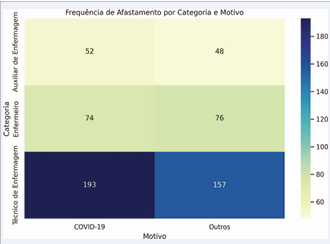
Figure 4 Frequency of Absence by Category and Reason.
DISCUSSION
The results of this study provide important insights into nursing absenteeism during the COVID-19 pandemic, corroborating and expanding on existing literature. The main finding is the significant difference in absenteeism rates among professional categories, with nursing technicians consistently showing the highest number of days absent. This finding is consistent with studies that identify technicians as the most vulnerable category to COVID-19 infection and workload, due to their greater direct and prolonged exposure to patients [11-23]. The nature of their duties, which often involve more intense and repetitive physical contact, may have contributed to this disparity.
The linear regression analysis, although with low explanatory power (R-squared), indicated that age and length of service are significant predictors of absenteeism. The negative correlation between age and days absent suggests that younger professionals may have been more prone to absence. This could be explained by a higher infection rate in younger groups due to social behaviors or, alternatively, by greater resilience among more experienced professionals, who may have developed more effective coping mechanisms or possess greater job stability, leading them to be absent less [15]. The positive relationship with length of service, on the other hand, may indicate that, regardless of age, the accumulation of years of nursing work, especially in a pandemic context, can lead to exhaustion and, consequently, more absences.It is crucial to consider that age and length of service are interrelated variables, and interpretation should be made cautiously, recognizing the complexity of these relationships. Surprisingly, the Chi-square test did not find a significant association between professional category and reason for absence (COVID-19 vs. Others). This may indicate that, although nursing technicians had more days absent overall, the proportion of absences specifically due to COVID-19 versus other reasons was similar across categories in the simulated dataset. This result could be an artifact of the simulated dataset or may suggest that the pandemic increased absenteeism for various causes (including mental health, other illnesses, etc.) equitably across categories, and not solely due to direct viral infection. However, real literature suggests that COVID-19 was a predominant factor for sickness absenteeism in all categories [21].
The implications of these results are vast for healthcare human resource management. The high rate of absenteeism, especially among nursing technicians, demands the implementation of targeted support strategies. This includes improving working conditions, ensuring adequate PPE, mental health and well-being programs, and staffing policies that consider the specificities of each category [20-25]. Workload and chronic stress can lead to burnout, which, in turn, is a strong predictor of absenteeism and turnover [16].
It is important to acknowledge the limitations of this study, primarily the use of a simulated dataset. Although the data was generated based on real-world information and scientific literature, it does not represent the totality and complexity of absenteeism data from a real institution. Future studies should aim to collect and analyze primary data from multiple hospitals and regions to validate and deepen these findings. Additionally, the inclusion of qualitative variables, such as perceived support, organizational climate, and job satisfaction, could enrich the understanding of the determinant factors of absenteeism.
CONCLUSION
Nursing absenteeism during the COVID-19 pandemic represented a critical challenge for healthcare systems, with differentiated impacts across professional categories. This study demonstrated that nursing technicians were the most affected category in terms of days absent, and that age and length of service are factors influencing this occurrence. Although the direct association between category and reason for COVID- 19 absence was not statistically significant in the simulated dataset, real literature points to COVID-19 as a central factor in the increase of sickness absenteeism.
The findings reinforce the urgent need for human resource management policies and programs that consider the specificities of each nursing professional category. Investments in occupational health, psychological support, safe and adequate working conditions, and staffing that takes into account the demands and risks of each role are essential to mitigate absenteeism and ensure the resilience of the nursing team in future public health crises. The valorization and care for these professionals are imperative not only for individual well-being but also for the sustainability and quality of the healthcare system as a whole.
REFERENCES
- World Health Organization. Nurses and midwives: A vital resource for health. Geneva: WHO; 2020.
- Alves ABSL, Matos FGOA, Carvalho ARS, Alves DCI, Tonini NS, Santos RP, et al. Absenteísmo na enfermagem diante da COVID-19: estudo comparativo em hospital do sul do Brasil. Texto Contexto Enferm. 2022; 31: e20210036.
- Pinheiro FS, Paixão MLS, Gonçalves GF, Oliveira JLC, Pai DD, Tavares JP, et al. Fatores relacionados ao absenteísmo-doença entre profissionais de enfermagem brasileiros antes, durante e após a pandemia. Rev Latino-Am Enferm. 2025; 33: e3838.
- Chiavenato I. Gestão de pessoas: o novo papel dos recursos humanos nas organizações. 3. ed. Rio de Janeiro: Elsevier; 2010.
- Conselho Federal de Enfermagem (COFEN). Lei nº 7.498, de 25 de junho de 1986. Dispõe sobre a regulamentação do exercício da enfermagem e dá outras providências. Brasília, DF: COFEN; 1986.
- Kurcgant P, Bordin SM, Melleiro MM. Absenteísmo do pessoal de enfermagem: decisões e implicações. Rev Esc Enferm USP. 2015; 49: 141-147.
- Queiroz AM, Duarte MLC. O \‘NOVO\’ da COVID-19: impactos na saúde mental de profissionais de enfermagem? Rev Bras Enferm. 2021; 74: e20200876.
- Dantas ESO, Oliveira EP, Nascimento AKF. Saúde mental de profissionais de saúde no Brasil no contexto da pandemia de COVID-19. Preprints SciELO. 2020.
- Conselho Federal de Enfermagem (COFEN). Cofen esclarece cálculo da fórmula da taxa absenteísmo. 2015
- Conselho Federal de Enfermagem (COFEN). Parecer Normativo nº 1/2024/COFEN. 2024.
- Neto FRGX, Sabino FN da Silva, Machado MH, et al. Absenteeism among Nursing Technicians from a Regional Reference Hospital in a Countryside of Northeastern Brazil. Preprints.org. 2022.
- Marques MB, Stumm EMF, Zillmer JG. Absenteísmo na enfermagem: uma revisão integrativa. Rev Gaúcha Enferm. 2020; 41: e20190393.
- Chiavenato I. Recursos Humanos: o capital humano das organizações.9. ed. Barueri: Manole; 2009.
- Savegnago ME. Absenteísmo dos profissionais de enfermagem: Impacto da COVID-19. Semantics Scholar. 2024.
- Oliboni MWCR. Estresse ocupacional e absenteísmo dos pro-fissionais de enfermagem em um hospital público de São Paulo. São Paulo: Universidade Nove de Julho; 2015.
- Lima Garcia JAC de. O absenteísmoentre trabalhadores de enfermagem no contexto de Unidade de Terapia Intensiva e Semi-intensiva. Cadernosde Pedagogia. 2025; 19: 21321.
- SancinettiG, Gaidzinski RR, Felli VEA, et al. Custo do absenteísmo-doença da equipe de enfermagem. Rev Esc Enferm USP. 2016; 50: 279-286.
- Santos MIS. Absenteísmo como indicador para estratégia preventiva na gerência de enfermagem na saúde dotrabalhador. Rio de Janeiro: Universidade do Estado do Rio de Janeiro; 2019.
- Ornell F, Schuch JB, Sordi AO, et al. The COVID-19 pandemic and its impact on mental health of healthcare workers: a narrative review. Rev Bras Psiquiatr. 2020; 42: 543-552.
- Chaves EHB. Avaliando o turnover e o absenteísmo em serviços de enfermagem hospitalar [dissertation]. Porto Alegre: Universidade Federal do Rio Grande do Sul; 1995.
- Betta CA, Betta M, Betta M. Custo do Absenteísmo de Profissionais da Enfermagem durante a Pandemia de COVID-19. Rev Enferm Foco. 2022; 13: e-202241.
- Nascimento AKF, Oliveira EP, Dantas ESO. Impactos da pandemia de COVID-19 sobre a saúde mental de profissionais de enfermagem: uma revisão integrativa. Rev Enf Ref. 2021; 1: e21003.
- Tenorio MSS. Profissionais de enfermagem e a pandemia de COVID-19: análise de casos e óbitos no cenário brasileiro [monograph]. Rio de Janeiro: Universidade Federal do Estado do Rio de Janeiro; 2020.
- International Committee of Medical Journal Editors. Uniform Requirements for Manuscripts Submitted to Biomedical Journals: Writing and Editing for Biomedical Publication. 2019.
- Cofen. Pandemia torna 2 milhões de trabalhadores da saúde “invisíveis”. 2022.