Red Blood Cell Exchange Transfusion in Sickle Cell Disease Patients in Kenya: Patient Characteristics, Experiences and Outcomes
- 1. Consultant Pediatrician and Child Health Specialist, Kenya
- 2. Department of Pediatrics and Child Health, University of Nairobi, Kenya
- 3. Head Clinical Pathologist, MP Shah Hospital, Kenya
Abstract
Background: Sickle cell disease (SCD) is a major cause of illness and death in sub-Saharan Africa. Red blood cell exchange transfusion (RBCX) is a locally novel but important intervention for the management of SCD.
Methods: This combined descriptive cross-sectional and qualitative study aimed to examine the patient characteristics, experiences, and outcomes of RBCX from two private hospitals in Nairobi, the capital of Kenya. In both facilities, the clinician prescribed automated RBCX, which was conducted by a team consisting of a pathologist, laboratory technician, and nurse in the high-dependence unit. The Spectra Optia was utilized in both facilities. The medical records of 43 patients were examined, noting each procedure's indication as well as pre- and post-RBCX measurements for hemoglobin, hematocrit, hemoglobin S, and ferritin levels. Of these, 16 participated in semi-structured interviews that explored QOL before, during and after RBCX. Descriptive statistics and thematic analysis were applied.
Results: Most participants were young adults aged 19–30 years, and 90.7% were on hydroxyurea. Vaso-occlusive crisis was the main indication for RBCX at 37.2%, followed by stroke and surgery. The hematological parameter changes were as follows in adherence to the guidelines: 70.7% for hemoglobin, 92.5% for hematocrit and 93.9% for HbS. The baseline quality of life (QOL) was low, with patients reporting financial strain, limited social interactions, school and work interruptions, and emotional distress, frustration and sadness. Families experienced heightened anxiety and a lack of understanding. The procedure was largely safe, with 37.5% of participants reporting no complications. Among those receiving regular RBCX, 63.7% noted improved financial functioning, and 81.8% reported enhanced family coping and social, emotional and physical functioning. Although the number of hospitalization days decreased, the difference was not statistically significant.
Conclusion: RBCX is safe, and the indications and hematological outcomes align with previous research and recommendations. There was an overall improvement in QOL after regular RBCX. Recommendations include ongoing QOL assessment, larger long-term studies, and expansion of RBCX services under public health insurance.
Keywords
• Sickle Cell Disease
• Red Blood Cell Exchange Transfusion
• Patient Outcomes
• Quality Of Life
• Kenya
Citation
Karinge H, Kariuki N, Wamalwa D, Kiraka G (2026) Red Blood Cell Exchange Transfusion in Sickle Cell Disease Patients in Kenya: Patient Characteristics, Experiences and Outcomes. J Hematol Transfus 13(1): 1129.
ABBREVIATIONS
SCD: Sickle Cell Disease; RBCX: Red Blood Cell Exchange Fusion; HRQOL: Health-Related Quality of Life; PedsQL: Pediatric Quality of Life; ACS: Acute Chest Syndrome; HBB: β Subunit of Haemoglobin; RBC: Red Blood Cell; Hb: Haemoglobin; PedsQL: Pediatric Quality of Life; SF-36: Item Short Form Health Survey -36; AFSA: American Society of Apheresis; HbS: Sickle Haemoglobin; LOS: Length of Stay; HIC: High-Income Country; LMIC: Low- and Middle-Income Country
INTRODUCTION
Sickle cell disease (SCD) refers to a group of hereditary disorders characterized by a mutation in the gene encoding the β subunit of hemoglobin (Hb) in red blood cells [1]. It has an autosomal recessive inheritance, and for it to manifest, there must be homozygosity for hemoglobin S (HbS) or heterozygosity for HbS and another beta globin variant (HBB) that interacts with HbS [2].
With a high prevalence in Western, Central, and Sub-Saharan Africa, the Middle East, South Asia, and the Mediterranean, SCD is the most prevalent monogenic disorder worldwide [3]. Globally, 75% of those affected are from Sub-Saharan Africa, and 50 million people worldwide live with it. The number of people living with SCD has increased [4,5]. In children, it is the 12th leading cause of mortality in children under 5 years of age [6]. Locally, the prevalence varies between regions, with an estimated 18% of children born in Western Kenya carrying the sickle trait and 4.5% developing SCD. In the lake region, 17% are born with sickle cell traits, 0.6% develop SCD, whereas on the coast, 1% develop SCD [7].
Hb polymerization, vaso-occlusion, and hemolysis are the hallmarks of SCD. Deoxygenated HbS amasses into densely packed polymers, resulting in poorly deformable erythrocytes that cause various complications, both acute and chronic [2].
Examples of acute and chronic presentations of SCD are shown in Figure 1 [7,8].

Figure 1: Acute and chronic complications of sickle cell disease
Health-related quality of life (HRQOL) refers to how health influences the ability of a person to lead a satisfactory life and emphasizes the social, psychological, and physical facets of well-being [9]. Various tools have been used to ascertain quality of life (QOL) and have been adapted for use as proxies, for example, by caregivers of children who are unable to complete evaluation forms [10,11]. These validated tools are not only used to assess the functional status of a patient but can also be used to establish health objectives and assess the prognosis of clinical patients [9-12]. The Pediatric Quality of Life Inventory-Sickle Cell Module (PedsQL™ SCD), PedsQL™ Generic Core Scales, PedsQL Family Impact Module and Child Health Questionnaire have been used in Pediatrics through self-completion to provide patient-reported outcomes or by proxy/caregivers to provide observer reported outcomes [13,14]. The 36-item Short Form Health Survey (SF-36) is the most widely used instrument in the adult population [14]. Individuals with SCD exhibit a diminished HRQOL relative to those without SCD [15-17]. In Uganda, discomfort, a history of stroke, and over three blood transfusions adversely affect psychosocial functioning [15], whereas in a study in Tanzania, severe anaemia, older age, and the frequency of hospitalizations negatively impacted HRQOL in patients with SCD [18].
In red blood cell exchange transfusion (RBCX), a patient’s RBCs are replaced with donor RBCs either manually or via automated means. Automated exchange involves the use of devices to perform apheresis, which involves separation and removal of patients’ RBCs with subsequent replacement by donor RBCs with or without colloids or crystalloids (erythrocytapheresis) [19,20]. Simple transfusions are among the cornerstones of therapy for SCD patients; however, studies now show that RBCX has several advantages over simple transfusions, mainly the reduction in pathological RBCs, fluid and iron overload-related complications, especially in patients receiving chronic transfusions [19-21]. The targets for RBCX include reducing HbS% and haematocrit to 30%, as well as reducing iron overload. Acute indications include acute stroke, acute chest syndrome, and presurgical prophylaxis, whereas chronic indications include recurrent acute chest syndrome, primary stroke prophylaxis, and secondary stroke prophylaxis [22,23].
SCD has already been established as a cause of significant morbidity and mortality in both Pediatric and adult populations. The perceivable benefits of advancements in treatment, including RBCX, are experienced more in high income countries (HICs) than in low- and middle-income countries (LMICs). Up to 90% of children in HICs with SCD survive into adulthood, whereas in LMICs, barely half of the population survives into adulthood [24]. As a result, the body of knowledge that is currently available on the role of RBCX in the management of SCD is mainly from the West [19-23]. RBCX is not readily available in Africa; however, for areas where it is, there is a need to generate data to establish the experiences of the patients who receive this intervention as well as their perceived outcomes. It was therefore necessary to embark on this study to shed light on information that is currently lacking in the local domain. We aimed to describe the characteristics, experiences and outcomes of individuals living with SCD who have received RBCX.
METHODS AND MATERIALS
We carried out a multiple-method study with a cross-sectional survey and a qualitative component. The focus was on patients who received RBCX for SCD from two private hospitals in Nairobi Hospital and MP Shah Hospital, which were the only health facilities offering RBCX at the time of the study. Nairobi, the capital of Kenya, is a densely populated cosmopolitan area owing to immigration; hence, the rate of SCD diagnosis has increased. Furthermore, it is the health hub of the country, hosting most Level V and VI hospitals, both government and private. The procedure was prescribed by a clinician (Pediatrician, Physician or Hematologist) and then carried out by a team consisting of the Pathologist, Lab Technician and Nurse in the intensive care unit or high dependency unit for continuous monitoring during the procedure and for complications. The blood banks obtain blood from blood drives, volunteer donors, and replacement donors, processing 250--500 units of blood in a month. Routine blood screening was performed [HIV, HEP B, C, VDRL, malaria], as were blood grouping and crossmatching in each unit. Vascular access for RBCX was achieved through a central venous catheter, and size was determined by age and height. The procedure was automated, and the apheresis machine used was Spectra Optia, which calculates the number of packed RBCs required as well as the duration the procedure will take on the basis of the sex, weight, height, and haematocrit of the patient. The patients were given oral calcium supplements prophylactically because the use of sodium citrate as an anticoagulant could cause hypocalcaemia. After the procedure, the patient was transferred back to the ward for further care or discharged following a period of observation.
The study included SCD patients who had received RBCX in either facility with available hospital records and excluded those who declined consent and who had received their 1st red blood cell exchange transfusion less than 6 months prior to data collection.
The research team consisted of the primary researcher, a graduate student in paediatrics and child health, an experienced statistician and diverse coinvestigators with an in-depth background on the research and the study topic. Following ethical approval (Kenyatta National Hospital - University of Nairobi Ethics Review Committee) and Institutional Review Board approval, quantitative data were obtained from health records. The primary physicians assessed their medical records and retrieved information from all patients who had undergone RBCX. A total of 43 patients were eligible. The primary researcher recorded all the information in the physical health record protocols.
Qualitative data were collected by the primary researcher. Following recruitment by the primary physicians, who contacted the potential participant and shared a study invitation brochure, interested participants’ contacts were shared with the primary researcher. Purposive sampling was applied, and data saturation was obtained for 16 participants [25], at which point no more participants were actively sought. Informed consent or assent for minors was obtained from each participant. Two interviews were carried out physically, while the other 14 were via telephone. Both physical and telephone interviews were audio-recorded, and the investigator noted that the semi-structured interview protocol that served as an interview guide was written in real time.
All the data were given unique identifiers and safely stored both physically and online in cloud storage.The audio recordings were transcribed verbatim, and the additional short notes that were taken during the interviews were integrated per participant response. The transcripts were reread and rechecked several times. Colaizzi’s method [26], of qualitative data analysis was incorporated by both the primary investigator and the statistician, and significant statements were identified, coded manually and organized into themes. Themes were rechecked for refinement, and subthemes were drawn. All the manuscripts were safeguarded by the primary investigator. Information from the health records forms was securely shared with the statistician, and descriptive statistical methods of analysis were applied.
RESULTS
Characteristics of patients with SCD who received red blood cell exchange transfusion
Sociodemographic characteristics of the study participants: This study included a total of 43 participants. The overall average age of the participants was 23.1 years. Table 1 shows a summary of the sociodemographic characteristics of the participants.
Table 1: Sociodemographic characteristics of the study participants
|
Characteristic n=43 |
n (%)/mean±sd |
|
Age in years |
23.8 ± 11 |
|
Age categories |
|
|
≤19 years |
12 (27.9%) |
|
20-30 years |
16 (37.2%) |
|
>30 years |
15 (34.9%) |
|
Gender |
|
|
Female |
25 (58.1%) |
|
Male |
18 (41.9%) |
|
Characteristics of the respondents from the interviews |
n = 16 |
|
Mean age of the interviewed patients |
26.4 ± 10.4 |
|
Type of respondent |
|
|
Self |
8 (50%) |
|
Caregiver |
8 (50%) |
|
School attendance |
|
|
Yes |
6 (37.5%) |
|
No |
10 (62.5%) |
|
Employment status of the patients |
|
|
Employed |
4 (25%) |
|
Not employed |
9 (56.3%) |
|
Self-employed |
3 (18.7%) |
The interview respondent’s ratio of self (person living with SCD) to caregiver was 1:1. The study allowed for both patient and caregiver responses, as previous studies have shown that this could result in a more conclusive evaluation of HRQOL [16]. However, in this study, only one response consisted of both the patient and the care giver interviewed together, and in the other cases, the patient and caregiver were interviewed separately.
The majority of the patients were on the drug hydroxyurea as per the National Guidelines on the Management and Control of SCD, as shown in Figure 2. There were no available medical records for patients in the unknown category who had been referred to the facility only for RBCX.
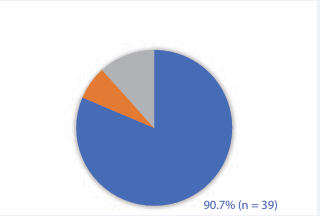
Figure 2: Patients on hydroxyurea
Indications for red blood cell exchange transfusion: The indications are shown in Table 2.
Table 2: Indications for RBCX
|
Indications for RBCX |
Total = 43 n (%) |
|
Vaso-occlusive crises |
16 (37.2%) |
|
Stroke-related |
10 (23.1%) |
|
Surgery-related |
5 (11.6%) |
|
Hematologic complications |
4 (9.3%) |
|
Bone-related |
3 (7%) |
|
Leg ulcers |
2 (4.7%) |
|
Not recorded |
3 (7.0%) |
|
Classification of the indication for RBCX |
|
|
Acute |
32 (76.7%) |
|
Chronic |
8 (18.6%) |
|
Not recorded |
3 (4.7%) |
The most common indication for RBCX was vaso-occlusive crisis (30.3%), including painful crisis and acute chest syndrome. This was followed by stroke-related indications (23.3%), including acute stroke and stroke prophylaxis. Other indications, in order of frequency, included surgery related complications, hematological complications, bone related complications (avascular necrosis) and leg ulcers. The findings of this study are comparable to those of one previous study that revealed that recurrent painful crisis was the most common indication for RBCX [27]. Iron overload under hematological complications and leg ulcers were the only indications that differed from the guidelines for indications of RBCX [23].
Experiences of Persons Living with Sickle Cell Disease
Quality of life (QOL) before red blood cell exchange transfusion: A semi-structured interview incorporating a Likert scale was carried out to obtain the experiences of participants living with SCD, that is, to what extent would the participants agree that SCD negatively affects QOL in various areas? The results are shown in Figures 3 and 4.

Figure 3: Preintervention experiences and quality of life: Financial functioning and family coping mechanisms
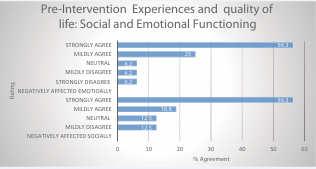
Figure 4: Preintervention experiences and quality of life: Social and emotional functioning
In terms of finances, 75% strongly agreed that they had been negatively affected financially, whereas 56.3% strongly agreed that their family coping and social and emotional functioning had been negatively affected. This finding is in keeping with previous studies evaluating the QOL of SCD patients and their caregivers [16-28].
The quantitative results above were supported by the findings from the qualitative interviews. Four themes emerged from the interviews: financial, family coping mechanisms, and emotional and social effects of SCD.
In terms of finances, most responses revealed the high cost of treatment; for some, their government (and even private) insurance cover (NHIF) would be depleted, and they would have to pay out of pocket. Additionally, lost opportunities arise from missed workdays and loss of employment.
‘Yeah. In fact, it was significant in the sense that even employers do not keep you… You know, when you're on and off, on and off hospitals, and you're not productive. Employers, they do not see the sense of having you. I even went as far as losing my job in 2019. Yeah. Therefore, it has truly put a strain on household income, even losing a job’ [R11, female caregiver]
This finding was similar to those of previous studies that demonstrated the high cost of managing SCD [29,30]. The participants reported that their health insurance coverage would run out owing to hospitalizations, outpatient visits and medication, leading to out-of-pocket spending, similar to the findings of a study in Nigeria [29]. Similarly, a local study by Kuerten B et al. highlighted that the financial burden of SCD included loss of financial income that is comparable to this study’s financial subtheme, i.e., lost opportunities [31].
Family coping mechanisms and emotional functioning were strongly negatively affected. Within the family, a lack of understanding of the extent of their suffering results in conflicts, and the illness also takes a toll on family members, including caregivers and siblings. This finding was similar to that of a local study in which caregivers reported high levels of worry concerning the health of their children, similar to the anxiety experienced by caregivers in this study [31].
“... Actually, me, immediately she complains, I have a headache. We are all affected. You are eating, you stop eating, you are showering, you stop. You just want to rush her to check up; you want her to be comfortable. Therefore,for real, it affects. Yeah. No one wanted to see her cry. No one wanted to see her in pain. We just want to see her jovial throughout.” [R11, female caregiver]
The participants experienced frustration, for example, in the employment space due to unfavourable work environments and stigmatization.
“Yeah. She experienced a lot of frustration, as I say that during employment, nobody wanted to employ her.” [R2, female caregiver]
Furthermore, many patients experienced sadness, depression and hopelessness at various stages of illness. Additionally, they experienced overwhelming emotions due to the various health challenges they or SCD warriors faced. Poor emotional functioning was similar to that reported in a study in Uganda on the HRQOL of adolescents with SCD(15), and the subtheme of sadness was comparable to that of depression and loneliness reported in previous studies from Nigeria and Saudi Arabia [32–34].
Nevertheless, some participants stated various coping mechanisms that helped their emotional state, including messages of hope and encouragement from family, as well as religion. Furthermore, dealing with SCD as a family created a support system and strengthened family bonds. These subthemes were similar to those of previous studies, whereby there was satisfaction with the psychosocial support offered for children living with SCD within intact families. This was attributed to the influence of cultural and religious values, which could also be the case in our local setting [32,33].
There was impaired social functioning due to limited social interactions, school interruptions and challenges with employment.
“For me, majorly, I missed a lot of school. Growing up, even currently to my adult school life, university, I missed a lot. We had to delay back on some classes, even missed some graduation dates and extend my years. Hugely negatively impacted my school life…” [R16, 26 y, female]
“…I lost 3 jobs owing to being unwell.” [R1, 37 y, male]
This was in keeping with the Sickle Cell World Assessment Survey (SWAY), among other studies, whereby SCD affected schooling, causing frequent absences, adversely affected their performance, and for some, they had to retake a class [15-28]. The limited social interaction in this study was due to previous negative experiences with extended family, friends and social spaces such as churches, where they experienced discrimination and isolation. This finding was similar to those of previous studies in both high-income and low-income settings [15 31]. For some, there was semblance of normalcy due to non-severe
illness and the presence of social support, similar to the findings of a study in Saudi Arabia, in which the participants reported satisfactory social support from family and friends [33].
In summary, most participants reported that before the intervention, they had a low quality of life owing to SCD and its complications.
Red Blood Cell Exchange Transfusion Procedure: The recurrently reported pre-procedure concern was the difficulty in obtaining the necessary multiple donors for blood. This could be attributed to the chronic shortage of blood in LMICs, as collection rates are reported to be tenfold lower than those in high-income countries [35].
Most of the participants’ (temporary) vascular access was the femoral vein at 75%, followed by the arteriovenous fistula (12.5%) and then the internal jugular vein (6.25%). There was associated pain and discomfort during insertion and removal of the central venous catheters, which is in line with previous studies that revealed that insertion was uncomfortable and that RBCX vascular access was not easy [36,37].
The majority of the patients in this study did not experience complications (as depicted in Figure 5),
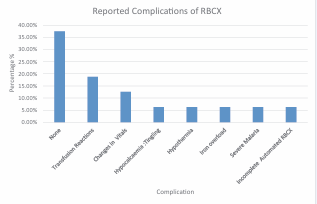
Figure 5: Reported Complications of RBCX
similar to previous studies [36,38]. The common complications in this study included transfusion reactions and changes in vital signs, including hypotension. One patient reported contracting severe malaria after RBCX, which required hospitalization. This highlights the risk of transfusion transmissible infections (TTIs) despite blood screening [35-39]. Given that the majority of patients have uneventful RBCX procedures and few complications, this procedure is considered safe, which is in line with the findings of previous studies [36-40].
Patients living with sickle cell disease who have received regular red blood cell exchange transfusion
Quality of life following regular red blood cell exchange transfusions: There were 11 participants who had undergone regular RBCX, i.e., 2--3 procedures in a year. All but one of these patients was on hydroxyurea, which was out of choice. The use of regular RBCX in this setting differed from the recommended guidelines and previous studies, whereby the interval was every 4 to 8 weeks [36]. A semi-structured interview that incorporated a Likert scale was administered to evaluate the improvement in the frequency of hospitalization and QOL following RBCX in similar areas of functioning as the previous objective.
As demonstrated in Figure 6, most of the respondents (36.3%) had a marked improvement in financial functioning, whereas 54.6% of the participants reported marked improvement in family coping mechanisms and social, emotional and physical functioning.
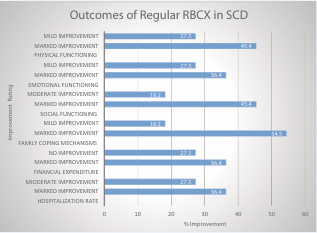
Figure 6: Outcomes of regular RBCX in the two most common SCD responses according to various themes
For the majority of these participants, there was a marked improvement in all the above areas. Similarly, a previous multi-center study that compared the HRQOL of patients who had previously undergone simple transfusions to that of patients who received automated RBCX (aRBCX) revealed that their HRQOL was 25% greater following RBCX. The main drivers of this difference were pain reduction, improved social life, increased autonomy, independence and feelings of energy [41].
In support of the data above, the interviews generated several themes on the outcomes of regular RBCX: frequency of hospitalization; family coping; and financial, social, emotional and physical functioning.frequency of hospitalization and financial functioning. The participants experienced less hospitalization and less financial spending due to a reduction in SCD-related crises.
“Fewer complications, including neuropathic pain and leg ulcers, hence less spending…” [RR1, 37, male]
In contrast, others reported similar hospitalizations and similar spending even after RBCX because the procedure was expensive, as some would have to pay out of pocket due to a lack of health insurance or depletion of the same.
“…still being admitted as many times. Yes…” [R12, female caregiver]
Most participants experienced fewer hospitalizations, a shorter length of stay and less financial spending following regular RBCX. This was comparable to several previous studies and was attributed to fewer complications [36 42]. In contrast, financial expenditures and hospitalization days were similar before and after regular RBCX for some patients because of similar rates of hospital visits and hospitalizations for both RBCX and SCD complications. Out-of-pocket payments were due to a lack of or depletion of health insurance. This was similar to previous studies including a 5-year cost analysis of RBCX in the management of SCD, which demonstrated that cost savings were observed in the medium to long term as opposed to the short-term duration of regular RBCX [37-43].
There was improved coping as a family. One caregiver noted that the family was encouraged to see the patient doing well and would pool together to obtain blood donors for RBCX.
“Remarkable, yes, because after all, we see her growing, she's strong, and we are encouraged, and she's also encouraged that she's living a positive life like any other person. In addition, when she needs help, like when it is time for blood exchange, we, as a family, come together, make sure that it is done by some of us to make the blood and the family members know that we need it.” [RR09, female caregiver]
In addition, other family members were doing better because the patients themselves were doing well.
Fewer crises after the exchange transfusion enabled patients to interact more socially and even engage in meaningful employment. Furthermore, there was a semblance of normal life.
“Yes, I can now interact more with people. I can go to work, and there’s less absenteeism.” [RR01, 37, male].
“After the exchange…You can do things normally because you can plan to do it in December or January just before going to school. You know, so that he does not miss any classes.” [RR8, female caregiver].
There was emotional improvement, elevated mood, and increased energy levels and physical activity.
‘And so, I would say the mind is a bit settled. She does not think more about the pain. So emotionally, I would say she at least settled the brain. She does not have to think about pain coming, pain coming. She believes that the more blood exchange is performed, the more she feels better. So emotionally, she has improved.” [RR5, female caregiver]
“…because she's flexible, she can do anything just like any other child or any other student. So physically, I would say she has improved. Because she feels she's okay.” [RR5, female caregiver]
Family members improved when their patients experienced fewer complications following regular RBCX. Furthermore, there was an increase in social interactions and a semblance of normal life. Few studies have investigated the psychosocial outcome of RBCX; however, a study by Curtis SA et al. revealed that patients who had been on chronic RBCX had better social functions and anxiety than those who had not, although the emotional status, sleep quality and stiffness impact were similar between the two groups [44].
Comparison of laboratory parameters before and after exchange transfusion: The results in Table 3 show statistically significant increases in both haemoglobin and haematocrit levels (p<0.001). Similarly, the reduction in Hb S was also statistically significant.
Table 3: Hematological parameters before and after the first RBCX
|
|
Total respondents = 43 |
|||
|
Laboratory parameter |
Mean before RBCX |
Mean after RBCX |
Paired t test mean diff. |
P value |
|
Haemoglobin g/dl |
8.75 |
10.72 |
1.96 |
<0.001* |
|
Haematocrit Pct |
26.03 |
31.46 |
5.36 |
<0.001* |
|
Haemoglobin S % |
76.56 |
22.56 |
-53.48 |
<0.001* |
|
Serum ferritin |
1756.5 |
1852 |
95.5 |
0.279 |
Notably, there was a challenge associated with missing parameters, including haemoglobin S and, more so, serum ferritin, before and after the intervention. Following the first RBCX, the mean haemoglobin and haematocrit levels increased, and the mean haemoglobin S levels decreased. These changes were statistically significant, in accordance with previous studies. The mean Hb S after RBCX was 22.56%, which was less than 30%, as recommended in the apheresis guidelines. On the other hand, the mean serum ferritin levels increased, which was not in line with previous studies that revealed that RBCX has a potential benefit of reducing iron overload, but this result was not statistically significant [19-21]. There was missing information on Hb S and serum ferritin levels from both facilities, which could be attributed to the lack of standardized recording of the procedure data across the facilities.
Comparison of Hospitalization Days Prior to and After Regular Red Blood Cell Exchange Transfusion: A comparison was made between pre-RBCX hospitalization days (1 year prior to the 1st RBCX) and post-RBCX hospitalization days (1 year after the most recent RBCX). The box plot in Figure 7 illustrates the duration of admission before and after RBCX among patients with SCD.

Figure 7: Comparison of hospitalization days before and after RBCX
The results revealed that the difference in admission days before and after RBCX was not statistically significant (p = 0.33). However, the median duration of admission was 10 days greater than the median duration of admission after exchange transfusion (less than 5 days).
Previous studies have shown that the frequency of emergency department visits, hospitalizations and lengths of stay are reduced following chronic RBCX for SCD patients [33-45]. For example, there was a gradual reduction in the utilization of hospital services, i.e., by 79% at 5 years (in comparison to 20%, 48%, 58% and 71% at 1, 2, 3 and 4 years, respectively), for patients on a chronic RBCX program [33].
In summary, the participants in this study were mainly adults, and their changes in haematological parameters after RBCX were similar to those reported in previous studies. In general, the procedure was uneventful; however, catheter-related challenges were highlighted, and few complications were reported. The overall QOL was low, as explored in multiple facets of functioning, and following regular RBCX, there was an overall improvement. These findings are in accordance with those of previous studies. There was a median reduction in the number of hospitalization days for this group, but it was not statistically significant due to the small sample size, which was unavoidable, as RBCX is a novel intervention in the country with limited availability.
CONCLUSION
This study has provided a wide range of previously unknown information on novel interventions in Kenya and the Eastern and Central African Regions at large for both children and adults. The majority of participants were on hydroxyurea. Prior to starting RBCX, most participants had a low HRQOL in terms of financial, social, emotional, and family aspects. The main indication for RBCX was vaso-occlusive crisis followed by stroke-related crises, and it was safe. Additionally, there was an improvement in haematological parameters following the procedure, which is consistent with the findings of previous studies. Following regular RBCX, there was an overall improvement in the aforementioned HRQOL aspects. Furthermore, there was a reduction in hospitalization days; however, it was not statistically significant.
LIMITATIONS
The main limitation of this study was the small sample size for the quantitative arm of the study, which was unavoidable because it was a novel and limited intervention for individuals living with SCD in Kenya. Potential biases included sampling bias and recall bias. Triangulation was to be utilized in the outcome objective to reduce this bias, but data on all admissions were lacking, as some participants had been treated in facilities other than the two involved study sites. The nature of the study and sample size could not allow for generalizability of the study results. In addition, associations cannot be inferred given the descriptive design of the study. Moreover, the reported improvement after RBCX could be due to other factors not captured in the study.
RECOMMENDATIONS
Recommendations include having a standard RBCX procedural guide and record form nationwide. A quality-of-life questionnaire should be administered at every visit. Long-term studies involving a wider cohort should be performed to determine the impact of RBCX on SCD. Moreover, the service should be provided in public health facilities under public health insurance.
DECLARATIONS
Ethics Approval And Consent To Participate
The University of Nairobi/Kenyatta National Hospital (UON/KNH) Ethics Review Board approved the study (reference number-P629/08/2024). Approval from the Nairobi Hospital and MP Shah Hospital Institutional Review Board was obtained. Approval from the National Commission for Science, Technology, and Innovation (NACOSTI) was sought and approved.
Informed consent was obtained from the adults who agreed to participate in the study, whereas minor assent was sought in the presence of the caregivers for the Pediatric participants.
AVAILABILITY OF DATA AND MATERIALS
The datasets used and/or analysed during the current study are available from the corresponding author upon reasonable request.
FUNDING
The author declares that this study was supported by sponsorship from TERUMO BCT. The sponsor provided funding for the conduct of the research and preparation of the manuscript. The inaugural author affirms that the sponsor had no role in the study design, data collection, analysis, interpretation of results, or decision to submit the manuscript for publication. No other financial or personal relationships that could inappropriately influence or bias the content of this paper are declared.
Authors' contributions
HK, the inaugural author, was primarily involved in the study conceptualization, design, methodology, data collection, data analysis, data presentation, and dissemination of the study results. HK wrote this manuscript for journal submission and is the corresponding author. NK, a hematology expert, was involved in the study conceptualization and data acquisition and was a study supervisor. DW contributed significantly to the methodology of the study, data analysis and data presentation. He was also a study supervisor. GK, a clinical pathology expert, was involved in designing the methodology for the study and data acquisition and was a study supervisor.
ACKNOWLEDGEMENTS
I acknowledge Dr. Francis Kiigu, the pathologist at Nairobi Hospital, who played a significant role in data acquisition. Additionally, I acknowledge Joshua Atunga, the study statistician, who made a substantial contribution to the data analysis.
REFERENCES
- Kato GJ, Piel FB, Reid CD, Gaston MH, Ohene-Frempong K, Krishnamurti L, et al. Sickle cell disease. Nat Rev Dis Primers. 2018; 4: 18010.
- Piel FB, Steinberg MH, Rees DC. Sickle Cell Disease. N Engl J Med. 2017; 376: 1561-1573.
- Piel FB, Hay SI, Gupta S, Weatherall DJ, Williams TN. Global burden of sickle cell anaemia in children under five, 2010-2050: modelling based on demographics, excess mortality, and interventions. PLoS Med. 2013; 10: e1001484.
- Nwabuko OC, Onwuchekwa U, Iheji O. An overview of sickle cell disease from the socio-demographic triangle - a Nigerian single-institution retrospective study. Pan Afr Med J. 2022; 41: 161.
- Maakaron Joseph E M. Sickle Cell Disease (SCD): Practice Essentials, Background, Genetics. 2023.
- Thomson AM, McHugh TA, Oron AP, Teply C, Lonberg N, Vilchis Tella V, et al. Global, regional, and national prevalence and mortality burden of sickle cell disease, 2000–2021: a systematic analysis from the Global Burden of Disease Study 2021. Lancet Haematol. 2023; 10: e585–e599.
- Ministry of Health PK. NATIONAL GUIDELINES FOR CONTROL AND MANAGEMENT OF SICKLE CELL DISEASE IN KENYA. 2020.
- Panepinto JA, Torres S, Bendo CB, McCavit TL, Dinu B, Sherman-Bien S, et al. PedsQL™ sickle cell disease module: feasibility, reliability, and validity. Pediatr Blood Cancer. 2013; 60: 1338-1344.
- Panepinto JA, Bonner M. Health-related quality of life in sickle cell disease: past, present, and future. Pediatr Blood Cancer. 2012; 59: 377-385.
- Panepinto JA, O'Mahar KM, DeBaun MR, Rennie KM, Scott JP. Validity of the child health questionnaire for use in children with sickle cell disease. J Pediatr Hematol Oncol. 2004; 26: 574-578.
- Park Y, Park K. Health-related quality of life and depressive symptoms of patients with chronic diseases and the general population before and during the COVID-19 pandemic in Korea. Front Psychol. 2023; 14: 1117369.
- Quality Metric. Child Health QuestionnaireTM (CHQTM).QualityMetric. 2023.
- Dampier C, Barry V, Gross HE, Lui Y, Thornburg CD, DeWalt DA, et al. Initial Evaluation of the Pediatric PROMIS® Health Domains in Children and Adolescents With Sickle Cell Disease. Pediatr Blood Cancer. 2016; 63: 1031-1037.
- Kambasu DM, Rujumba J, Lekuya HM, Munube D, Mupere E. Health-related quality of life of adolescents with sickle cell disease in sub-Saharan Africa: A cross-sectional study. BMC Hematol. 2019; 19.
- Abadesso C, Pacheco S, Machado MC, Finley GA. Health-Related Quality of Life Assessments by Children and Adolescents with Sickle Cell Disease and Their Parents in Portugal. Children (Basel). 2022; 9: 283.
- Amaeshi L, Kalejaiye OO, Ogamba CF, Adelekan Popoola F, Adelabu YA, Ikwuegbuenyi CA, et al. Health-Related Quality of Life Among Patients With Sickle Cell Disease in an Adult Hematology Clinic in a Tertiary Hospital in Lagos, Nigeria. Cureus. 2022; 14: e21377.
- Mwazyunga Z, Ambrose EE, Kayange N, Bakalemwa R, Kidenya B, Smart LR, et al. Health Related Quality of Life among Children with Sickle Cell Anaemia in Northwestern Tanzania. Open J Blood Dis. 2022; 12: 11-28.
- Stussi G, Buser A, Holbro A. Red Blood Cells: Exchange, Transfuse, or Deplete. Transfus Med Hemother. 2019; 46: 407-416.
- Carll Timothy M, Wool Geoffrey MP. Pathology Outlines - Red blood cell exchange. 2022
- Gupta A, Chaudhary K, Kaushik R. Role of Emergency Automated Red Cell Exchange in Sickle Cell Crisis: A Case Report. Clin Med Insights Case Rep. 2020; 13: 1179547620970200.
- Karafin MS, Hendrickson JE, Kim HC, Kuliya-Gwarzo A, Pagano MB, Perumbeti A, et al. Red cell exchange for patients with sickle cell disease: an international survey of current practices. Transfusion. 2020; 60: 1424-1433.
- Connelly-Smith L, Dunbar NM. The 2019 guidelines from the American Society for Apheresis: what's new? Curr Opin Hematol. 2019; 26: 461-465.
- Odame I. Sickle cell disease in children: an update of the evidence in low- and middle-income settings. Arch Dis Child. 2023; 108: 108-114.
- Vasileiou K, Barnett J, Thorpe S, Young T. Characterising and justifying sample size sufficiency in interview-based studies: systematic analysis of qualitative health research over a 15-year period. BMC Med Res Methodol. 2018; 18: 148.
- Praveena KR, Sasikumar S. Application of Colaizzi’s Method of Data Analysis in Phenomenological Research. Medico Legal Update. 2021; 21: 914-918.
- Han H, Hensch L, Tubman VN. Indications for transfusion in the management of sickle cell disease. Hematology. 2021; 2021: 696-703.
- Osunkwo I, Andemariam B, Minniti CP, Inusa BPD, El Rassi F, Francis-Gibson B, et al. Impact of sickle cell disease on patients' daily lives, symptoms reported, and disease management strategies: Results from the international Sickle Cell World Assessment Survey (SWAY). Am J Hematol. 2021; 96: 404-417.
- Ogamba CF, Akinsete AM, Mbaso HS, Adesina OA. Health insurance and the financial implications of sickle cell disease among parents of affected children attending a tertiary facility in Lagos, south-west Nigeria. Pan Afr Med J. 2020; 36: 227.
- de Montalembert M, Anderson A, Costa FF, Inusa BPD, Jastaniah W, Kunz JB, et al. Sickle Cell Health Awareness, Perspectives, and Experiences (SHAPE) survey: Perspectives of adolescent and adult patients, caregivers, and healthcare professionals on the burden of sickle cell disease. Eur J Haematol. 2024; 113: 172-182.
- Kuerten BG, Brotkin S, Bonner MJ, Ayuku DO, Njuguna F, Taylor SM, et al. Psychosocial Burden of Childhood Sickle Cell Disease on Caregivers in Kenya. J Pediatr Psychol. 2020; 45: 561-572.
- Adegoke SA, Kuteyi EA. Psychosocial burden of sickle cell disease on the family, Nigeria. Afr J Prim Health Care Fam Med. 2012; 4: 380.
- Madani BM, Al Raddadi R, Al Jaouni S, Omer M, Al Awa MI. Quality of
life among caregivers of sickle cell disease patients: a cross sectional study. Health Qual Life Outcomes. 2018; 16: 176.
- Osunkwo I, Manwani D, Kanter J. Current and novel therapies for the prevention of vaso-occlusive crisis in sickle cell disease. Ther Adv Hematol. 2020; 11: 2040620720955000.
- Munoz-Valencia A, Aridi JO, Barnes LS, Rudd KE, Bidanda B, Epuu T, et al. Protocol: identifying policy, system, and environment change interventions to enhance availability of blood for transfusion in Kenya, a mixed-methods study. BMC Health Serv Res. 2023; 23: 963.
- Tsitsikas DA, Sirigireddy B, Nzouakou R, Calvey A, Quinn J, Collins J, et al. Safety, tolerability, and outcomes of regular automated red cell exchange transfusion in the management of sickle cell disease. J Clin Apher. 2016; 31: 545-550.
- Dierick K, Rodriguez-Grande B, Navarro-Aragall AG, Beraud M. Quality of life in people with sickle cell disease treated with automated red blood cell exchange. Vox Sang. 2025; 120: 4-12.
- Ebeid FSE. The implementation of automated red blood cell exchange (erythrocytapheresis) as a treatment modality in sickle cell disease patients: Single center experience. Transfus Apher Sci. 2023; 62: 103719.
- Pulvirenti J, Musso M, Fasciana T, Cascio A, Tricoli MR, Oliveri N, et al. Transfusion-Transmitted Malaria of Plasmodium malariae in Palermo, Sicily. Healthcare (Basel). 2021; 9: 1558.
- Hequet O, Poutrel S, Connes P, Revesz D, Chelghoum Y, Kebaili K, et al. Automatic depletion with Spectra Optia allows a safe 16% reduction of red blood cell pack consumption in exchanged sickle cell anemia patients. Transfusion. 2019; 59: 1692-1697.
- Dierick K, Roig J. Measuring Health-Related Quality of Life in Sickle Cell Disease Patients Undergoing Automated Red Blood Cell Exchange in the USA, France and the UK. Blood. 2018; 132: 5892.
- Abughanimeh O, Ebers S, Khan Suheb M, Eclov J, High R, Bobr A, et al. Five-Year Outcomes of Chronic Red Blood Cell Exchange Transfusion Program for Patients with Sickle Cell Disease, the Experience of University of Nebraska Medical Center. Blood. 2021; 138: 4988–4988.
- Tsitsikas DA, Ekong A, Berg L, Hartzenberg J, Sirigireddy B, Lewis N, et al. A 5-year cost analysis of automated red cell exchange transfusion for the management of recurrent painful crises in adult patients with sickle cell disease. Transfus Apher Sci. 2017; 56: 466-469.
- Curtis SA, Raisa BM, Roberts JD, Hendrickson JE, Starrels J, Lesley D, et al. Non-crisis related pain occurs in adult patients with sickle cell disease despite chronic red blood cell exchange transfusion therapy. Transfus Apher Sci. 2022; 61: 103304.
- Tsitsikas DA, Badle S, Hall R, Meenan J, Bello-Sanyaolu O, Orebayo F, et al. Automated Red Cell Exchange in the Management of Sickle Cell Disease. J Clin Med. 2021; 10: 767.