Anxiety-Depression and Meniere’s Disease: A Bidirectional Two Sample Mendelian Randomization Study
- 1. The Affiliated Panyu Central Hospital of Guangzhou Medical University, Guangzhou, China
- 2. School of Life Science,South China Normal University, Guangzhou,China
- 3. Department of Otolaryngology, Guangzhou Eighth People’s Hospital, Guangzhou Medical University, Guangzhou, China
Abstract
Background: Meniere’s disease is an inner ear disorder characterized by vertigo, hearing loss, tinnitus and ear fullness. The cause of this disease is still not fully understood. Anxiety and depression, as prevalent mental health problems worldwide, have a high co-occurrence rate with Meniere’s disease. Clinical observations have shown that these two conditions often influence each other.
Objective: Our aim is to evaluate the causal relationship of anxiety-depression to Meniere’s disease using a bidirectional Two-sample Mendelian randomization (MR) Study.
Methods: We collected data from seen doctors for nerves anxiety tension or depression and Meniere’s disease. Inverse variance weighted (IVW) MR Analysis was used as the main analysis method. The causal relationship between anxiety-depression and Meniere’s disease was examined. Sensitivity analysis was performed to assess heterogeneity and horizontal pleiotropy.
Results: Positive IVW-MR analysis showed that anxiety-depression were positively associated with the risk of Meniere’s disease (OR: 1.42, 95%CI: 1.15- 1.76, P=0.001). Reverse IVW-MR analysis showed no significant causal relationship between Meniere’s disease and anxiety-depression (OR: 1.01, 95%CI: 1.00-1.03, P=0.121).
Conclusion: This MR Study suggests that anxiety-depression may contribute to the progression of Meniere’s disease. More experiments are needed to
confirm more conclusive conclusions.
Level of evidence: This was a Mendelian randomized study with a level of evidence second only to clinical randomized trials, and higher than cohort and case-control studies.
Keywords
• Anxiety-Depression
• Meniere’s Disease
• Mendelian Randomization
Citation
Wu JC, Cai WW, Zhang WR (2026) Anxiety-Depression and Meniere’s Disease: A Bidirectional Two-Sample Mendelian Randomization Study. Ann Otolaryngol Rhinol 13(1): 1382.
INTRODUCTION
Meniere’s disease (MD) is currently recognized as a common pathway for symptoms characterized by rotational vertigo, sensorineural hearing loss, tinnitus, and swelling or pressure in the ear [1]. The annual prevalence of MD has been reported to be between 10.4 and 513 cases per 100,000 people [2], and the incidence of MD varies widely globally. Patients with long-term MD recurrence and vertigo tinnitus are prone to further depression and cognitive function changes, which greatly affect the quality of life of patients and damage their physical and mental health [3].Therefore, further identification of risk factors for MD is critical for its prevention and treatment. MD is a chronic and progressive disease, and lifestyle changes are essential to prevent it. The association between anxiety-depression and MD is unclear. Anxiety depression are currently considered as risk factors for a variety of chronic diseases [4], and MD can also affect the occurrence of anxiety-depression [5]. Anxiety-depression is considered a key risk factor for MD, reducing stress and keeping a positive mood in the medical recommendations for MD are thought to play a role in preventing MD relapse. Some otolaryngologists believe that patients with MD suffer from anxiety disorders and that stress can negatively affect the onset and progression of the disease [6]. They note that psychological factors play a major role in the course of the disease. Some authors have proposed a psychosomatic etiology to explain how vestibular dysfunction can lead to anxiety, fear, social phobia and depression [7]. However, in past literature, it was found that there were not enough randomized controlled trialsto provide support or refute the causal relationship between MD and anxiety-depression at the genetic level [8]. Studies have shown that anxiety-depression can contribute to disease activity, response to treatment and risk of relapse [9]. To elucidate the association between anxiety-depression and MD guiding lifestyle adjustment in MD, this study aimed to determine the causal relationship between anxiety-depression and MD through Mendelian randomization (MR).
MR uses genetic variation as an instrumental variable (IV) to determine a causal relationship between two traits by analyzing publicly available data sets. This method avoids the limitations of traditional observational studies as much as possible and eliminates the interference of confounding factors on the research results. MR Studies for various confounding factors were unable to test this hypothesis, which has been confirmed in previous studies. In this study, we analyzed the correlation between anxiety depression and MD by using Two Sample MR Method.
MATERIALS AND METHODS
Research design and ethical statement
In this study, we used single nucleotide polymorphisms (SNPs) obtained from the GWAS dataset as instrumental variables (IVs) to explore the potential causal relationship between anxiety-depression and the occurrence of MD (Figure 1).
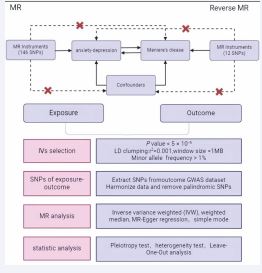
Figure 1 Schematic overview of the study design
It is important to note that all datasets used in this study were publicly accessible. Therefore, it is not necessary to obtain additional ethical approval or consent.
MR Studies from insomnia to the occurrence of MD: SNPs for insomnia and MD were obtained from the IEU Open GWAS project database. MR Analysis was performed based on exposure and results. Abbreviations: MR, Mendelian randomization; SNP, single nucleotide polymorphism; MD, Meniere’s disease.
Data Source
Data related to anxiety-depression was from seen doctor for nerves anxiety tension or depression in IEU OpenGWAS database (ebi-a-GCST90013909). The information came from 407,746 participants of European descent. Data related to MD obtained from nature genetics GWAS included genotype data from 1,526 MD cases and 481,248 controls from a European population of 482,774 participants of European ancestry (ebi−a−GCST90018880) [10].
Choice of IVs
Prior to conducting the MR Analysis, we implemented a se1r is detected using the MR-PRESSO outlier test or radial MR, the MR and sensitivity analysis is repeated after the outlier is excluded. Leave-one-out analysis plays a crucial role in assessing the robustness and potential bias of MR analyses by removing one genetic variation at a time and reestimating causal effect estimates. Based on the above MR and sensitivity analysis, several conditions should be met to ensure a relatively reliable causal inference. First, the four MR Methods should produce consistent directions of causal effects. Second, there should be no evidence of statistical heterogeneity or pleiotropy. Finally, Leave-One- Out analysis should demonstrate that the causal effect estimates are not heavily influenced by any single genetic variation. All analyses were performed in R version 4.2.3 using TwoSampleMR, MR-PRESSO packages.
RESULTS AND DISCUSSION
Causal effect of anxiety- depression on MD from MR analysis
We identified 146 SNPs that were significantly associated with anxiety-depression in Supplementary Table S1. These SNPs do not exhibit linkage disequilibrium (r2<0.001) and are not considered weak instrumental variables because they all have F statistics of more than 10, meeting our previously established selection criteria. Based on the IVW method (OR: 1.42, 95%CI: 1.15-1.76, P=0.001), we found a statistically significant positive causal relationship between anxiety-depression and MD (Figure 2). The weighted median method also showed a significant causal effect (OR: 1.51, 95%CI: 1.12-2.02, P=0.006). However, the MR-Egger method (OR: 1.11, 95%CI: 0.47-2.62, P=0.809), the simple mode (OR: 1.48,95%CI: 0.63-3.45, P=0.368) and the weighted mode (OR: 1.70, 95%CI: 0.81-3.56, P=0.166) showed a positive causal relationship in the same direction but not statistically significant. The weighted mode and the simple mode are two different methods for estimating causal effect in MR Analysis. The weighted mode assigns weights according to the variance of the genetic tool, while the simple mode does not consider variance. In general, the simple mode are less accurate, while weighted modes can be inaccurate in small samples and are affected by the degree of association between genetic instruments, exposure and outcome variables. When the degree of correlation is inconsistent, the weighted mode may introduce bias, while the simple mode is more robust.
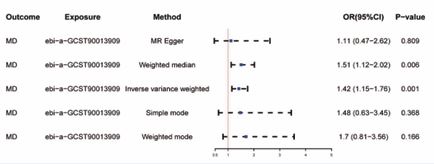
Figure 2 Mendelian randomization estimates for anxiety-depression on MD.
We tested all IVs for heterogeneity, using Q-statistic to assess the differences between them. The Q-statistic was calculated as 100.32 (P=0.904) without significant heterogeneity. In addition, the MR-PRESSO global test did not detect any abnormal SNP or horizontal pleiotropy effect of anxiety- depression on MD (P=0.92), and the MR Egger intercept test did not find evidence of horizontal pleiotropy (Egger intercept = 0.0074, P=0.565). These results suggest that the analysis is unlikely to be affected by potential confounding bias (Table 1). Sensitivity analysis was performed using the leave-one-out method, which consisted of sequentially removing SNPs, recalculating the causal effects of the remaining SNPs, and observing whether the results changed with each SNP removal. The analysis demonstrated a stable result, further confirming the reliability of our results (Figure 3 a-d).
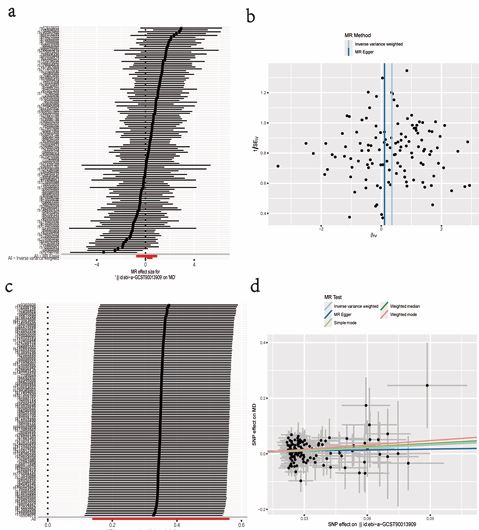
Figure 3 Causal relationship between anxiety-depression and MD (a) Forest plot of the effect of anxiety-depression on MD (b) Funnel plot of the effect of anxiety-depression on MD (c) Leave-one-out plot of the effect of anxiety-depression on MD (d) Scatter plot of the effect of anxiety depression on MD.
Causal effect of MD on anxiety- depression from MR analysis
In order to further investigate the causal relationship between anxiety-depression and MD, we conducted a two-sample MR Analysis, with MD as exposure and anxiety-depression as results. We used the same GWAS database, IV selection method, analysis techniques, and test procedures as described earlier. We retain SNPs with F statistics above 10 to ensure that there is no weak IV bias. Therefore, we used these 12 SNPs as the IV of the MR Analysis in Supplementary Table S2. Weighted median showed a significant causal relationship between anxiety depression and the risk of MD (OR: 1.03, 95%CI: 1.01−1.05, P=0.012), Weighted mode method (OR: 1.03, 95%CI: 1.00−1.07, P=0.048) also prove it. However, IVW method (OR: 1.01,95%CI: 1.00–1.03, P=0.121), MR-Egger method (OR: 1.02, 95%CI: 1.00–1.05, P=0.121) and Simple Mode (OR: 1.04, 95%CI: 0.99–1.09, P=0.147) were no significant difference (Figure 4).
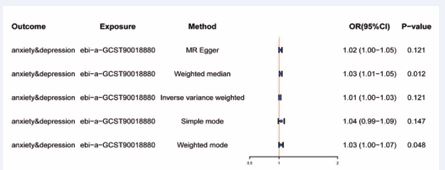
Figure 4 Mendelian randomization estimates for anxiety-depression on MD
In addition, we performed a heterogeneity test for all IVs using the Q-statistic to assess the differences between them. The Q-statistic is 14.549 (P=0.204) no significant heterogeneity. The MR-PRESSO global test did not detect any abnormal SNPs or PBC on the horizontal pleiotropy of osteoporosis, and the MR-Egger intercept test did not find evidence of horizontal pleiotropy (Egger intercept=-0.0047, P=0.361) (Table 2). These findings suggest that our analysis is credible (Figure 5 a-d).
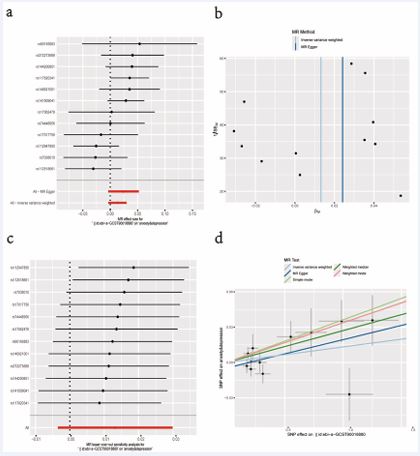
Figure 5 Causal relationship between MD and anxiety-depression (a) Forest plot of the effect of anxiety-depression on MD (b) Funnel plot of the effect of anxiety-depression on MD (c) Leave-one-out plot of the effect of anxiety-depression on MD (d) Scatter plot of the effect of anxiety depression on MD (c) Leave-one-out plot of the effect of anxiety-depression on MD (d) Scatter plot of the effect of anxiety-depression on MD
Table 1: Instrumental variables used in MR analysis of the association between anxiety & depression and meniere's disease
|
Exposure |
outcome |
Heterogeneity Cochran’s Q |
p |
Horizontal pleiotropy Egger intercept |
SE |
p |
|
anxiety & depression |
MD |
100.32 |
0.904 |
0.0074 |
0.0127 |
0.565 |
MD: meniere's disease
P < 0.05 was considered statistically significant.
Table 2: Instrumental variables used in MR analysis of the association between meniere's disease and anxiety & depression
|
Exposure |
Outcome |
Heterogeneity Cochran’s Q |
p |
Horizontal pleiotropy Egger intercept |
SE |
p |
|
MD |
anxiety & depression |
14.549 |
0.204 |
-0.0047 |
0.0049 |
0.361 |
MD: meniere's disease
p < 0.05 was considered statistically significant.
In this study, we conducted a comprehensive MR analysis to investigate the causal relationship between anxiety-depression and MD. The potential causal relationship between anxiety-depression and MD was evaluated by MR. We use the IVW method as the main analysis method of MR analysis, which is characterized by ignoring the existence of intercept term in regression and using the reciprocal of outcome variance (se squared) as the weight to fit [17]. We found that genetic anxiety- depression were significantly associated with MD, and weight median also supported this view. But there is no evidence that MD has the opposite effect on anxiety- depression. Our findings provide new insights into the relationship between anxiety-depression and MD. MD is a complex inner ear disease characterized by hydrops of the membranous labyrinth, which often leads to hearing loss, rotational vertigo, tinnitus, and a feeling of fullness in the ears [18]. Despite extensive research, the exact cause of MD remains elusive [19]. A large number of studies reported the relationship between anxiety-depression and MD previously 8. The frequent episodes of MD have led to severe and irreversible damage to the inner ear, with repeated episodes of vertigo and gradual hearing loss eventually causing mental distress to patients [20]. Other studies have shown that the severity of patients’ hearing loss can cause them to worry about future social communication, thus increasing the mental burden of such patients [21]. This study is the first to investigate the relationship between MD and anxiety-depression at the genetic level. According to this study, we have an important idea in the management of Meniere’s patients: it is possible to alleviate and improve the symptoms of Meniere’s patients by regulating the problems of mood disorders. Psychological support is needed for patients with MD with higher frequency of onset and greater hearing loss to achieve better outcomes. The study has several limitations. First, the study population was predominantly European, which limits the generalizability of the results to other populations. Second, we used aggregated statistics, so we could not stratify anxiety-depression by severity or subtype. This means that we can only speculate about the impact of MD outcomes based on visits for neurological,anxiety, stress or depression. Finally, caution should be exercised in drawing conclusions because of the limitations of statistical power. More rigorous statistical methods are needed for further investigation in the future.
CONCLUSION
At the genetic level, we found a positive causal relationship between anxiety-depression and Meniere’s disease; however, Meniere’s disease did not affect anxiety- depression. This is not the final conclusion, and more molecular mechanisms need to be verified. This study objectively helps us validate previous observational studies and helps improve our understanding of Meniere’s disease.
ACKNOWLEDGEMENTS
We would like to express our gratitude to the nature genetics and ieu GWAS study’s participants and researchers. We appreciate the nature genetics study’s contribution of the GWAS data in a condensed form.
REFERENCES
- Harcourt J, Barraclough K, Bronstein AM. Meniere’s disease. BMJ. 2014; 349: g6544.
- Kirby SE, Yardley L. Cognitions associated with anxiety in Ménière’s disease. J Psychosom Res. 2009; 66: 111-118.
- Hoskin JL. Ménière’s disease: new guidelines, subtypes, imaging, and more. Curr Opin Neurol. 2022; 35: 90-97.
- Botha E, Gwin T, Purpora C. The effectiveness of mindfulness based programs in reducing stress experienced by nurses in adult hospital settings: a systematic review of quantitative evidence protocol. JBI Database System Rev Implement Rep. 2015; 10: 21-29.
- Lahiji MR, Akbarpour M, Soleimani R, Asli RH, Leyli EK, Saberi A, et al. Prevalence of anxiety and depression in Meniere’s disease; a comparative analytical study. Am J Otolaryngol. 2022; 43: 103565.
- Moleon MD, Martinez-Gomez E, Flook M, Peralta-Leal A, Gallego JA, Sanchez-Gomez H, et al. Clinical and Cytokine Profile in Patients with Early and Late Onset Meniere Disease. J Clin Med. 2021; 10: 4052.
- Krog NH, Engdahl B, Tambs K. The association between tinnitus and mental health in a general population sample: results from the HUNT Study. J Psychosom Res. 2010; 3: 289-298.
- Wu H, Xia Y, Luo Q, Li Q, Jiang H, Xiong Y. Psychological Distress and Meniere’s Disease: A Bidirectional Two-Sample Mendelian Randomization Study. Otolaryngol Head Neck Surg. 2024; 170: 1391-1403.
- Wei W, Sayyid ZN, Ma X, Wang T, Dong Y. Presence of Anxiety and Depression Symptoms Affects the First Time Treatment Efficacy and Recurrence of Benign Paroxysmal Positional Vertigo. Front Neurol. 2018; 9: 178.
- Sakaue S, Kanai M, Tanigawa Y, Karjalainen J, Kurki M, Koshiba S, et al A cross-population atlas of genetic associations for 220 human phenotypes. Nat Genet. 2021; 10: 1415-1424.
- Davies NM, Holmes MV, Davey Smith G. Reading Mendelian randomisation studies: a guide, glossary, and checklist for clinicians. BMJ. 2018; 362: k601.
- Bowden J, Davey Smith G, Haycock PC, Burgess S. Consistent Estimation in Mendelian Randomization with Some Invalid Instruments Using a Weighted Median Estimator. Genet Epidemiol. 2016; 40: 304-314.
- Bowden J, Davey Smith G, Burgess S. Mendelian randomization with invalid instruments: effect estimation and bias detection through Egger regression. Int J Epidemiol. 2015; 44: 512-525.
- Boehm FJ, Zhou X. Statistical methods for Mendelian randomization in genome-wide association studies: A review. Comput Struct Biotechnol J. 2022; 20: 2338-2351.
- Greco MFD, Minelli C, Sheehan NA, Thompson JR. Detecting pleiotropy in Mendelian randomisation studies with summary data and a continuous outcome. Stat Med. 2015; 34: 2926-2940.
- Burgess DJ. Epigenetics: Therapy-induced transcription is cryptically widespread. Nat Rev Cancer. 2017; 17: 456.
- Burgess S, Thompson SG. Interpreting findings from Mendelian randomization using the MR-Egger method. Eur J Epidemiol. 2017; 32: 377-389.
- Zou J, Pyykko I, Bjelke B, Bretlau P, Tayamaga T. Endolympahtic hydrops is caused by increased porosity of stria vascularis. Paper presented at: Barany Society Meeting. Uppsala, Sweden. 2000.
- Ahmad JG, Lin KF. Ménière’s disease is a disorder of the inner ear. Curr Opin Otolaryngol Head Neck Surg. 2023; 31: 320-324.
- Stephens D, Pyykko I, Varpa K, Levo H, Poe D, Kentala E. Self-reported effects of Ménière’s disease on the individual’s life: a qualitative analysis. Otol Neurotol. 2010; 31: 335-338.
- Arroll M, Dancey CP, Attree EA, Smith S, James T. People with symptoms of Ménière’s disease: the relationship between illness intrusiveness, illness uncertainty, dizziness handicap, and depression. Otol Neurotol. 2012; 33: 816-823.