High Blood Pressure and Diabetes: Epidemiological and Clinical Aspects and Management in Patients Admitted to the Sino-Guinean Friendship Hospital
- 1. Department of Cardiology, Gamal Abdel Nasser University of Conakry, Guinea
- 2. Department of Cardiology, Sino-Guinean Friendship Hospital, Guinea
- 3. Bel Air Matam International Clinic, Guinea
- 4. Department of Cardiology, Ignace Deen Hospital, Guinea
Abstract
Introduction: The combination of hypertension (HTN) and diabetes mellitus is common and significantly increases the risk of cardiovascular, renal, and cerebrovascular disease. The objective of this study was to describe the epidemiological, clinical, therapeutic, and long-term aspects of the association between Hypertension and diabetes among patients admitted to the Sino-Guinean Friendship Hospital.
Methodology: This was a descriptive cross-sectional study conducted over a 6-month period from December 13, 2022, to June 13, 2023. The study included all patients seen in outpatient consultations at the cardiology department and the emergency department of the Sino-Guinean Friendship Hospital.
Results: Out of a total of 5,068 patients seen, 132 patients had a combination of diabetes and hypertension (2.6% of consultations). The 61–67 age group was the most represented (26.5%), with a predominance of housewives (30.0%). Patient care was provided in the cardiology department (36.4% of cases). Palpitations (18.0%), followed by polydipsia (17.0%) and polyuria (16.0%), were the main reasons for consultation. Strokes were the most frequent complications (14.0%), followed by renal failure (12.0%). The outcome was favorable in 60.6% of patients, indicating a good response to treatment and effective management
Conclusion: The combination of hypertension and diabetes primarily affects middle-aged individuals, with a predominance of type 2 diabetes and severe complications such as stroke and kidney failure.
Keywords
• Hypertension
• Type 2 diabetes
• Complications
• Management
• Sino-Guinean Friendship Hospital
Citation
Koné A, Abel M, Moussa SNL, Samoura S, Barry IS, et al. (2026) High Blood Pressure and Diabetes: Epidemiological and Clinical Aspects and Management in Patients Admitted to the Sino-Guinean Friendship Hospital. Ann Cardiovasc Dis 10(1): 1049.
INTRODUCTION
High blood pressure (HBP) and diabetes mellitus are two of the leading chronic noncommunicable diseases (CNCDs) worldwide, and are major risk factors for cardiovascular, renal, and cerebrovascular diseases [1,2]. According to the World Health Organization (WHO), more than 1.28 billion people worldwide have hypertension, the majority of whom live in low- and middle-income countries [3]. At the same time, the prevalence of diabetes is rising rapidly, with more than 537 million adults affected in 2021, nearly half of whom remain undiagnosed [4].
The coexistence of hypertension and diabetes in the same patient significantly increases the risk of cardiovascular complications, chronic kidney disease, and premature mortality [5]. This association, often referred to as “cardiometabolic syndrome,” complicates therapeutic management and requires an integrated approach combining lifestyle and dietary measures, regular clinical monitoring, and combination drug therapy [6]. In Guinea, the prevalence of hypertension and diabetes is on the rise, particularly in urban areas, in connection with the epidemiological transition, rapid urbanization, and the adoption of risk behaviors such as a sedentary lifestyle and unhealthy dietary habits [7,8].
However, local data on the management of patients with both hypertension and diabetes remain limited. Challenges include delayed diagnosis, poor treatment adherence, and limited access to appropriate combination therapies [9].
The Sino-Guinean Friendship Hospital, as a referral center, receives a significant number of patients with hypertension and diabetes, providing an opportunity to evaluate care and identify clinical and organizational barriers. This study therefore aims to analyze the clinical characteristics, treatment strategies, and clinical course of patients admitted for hypertension and/or diabetes, in order to propose recommendations for improving the quality of care.
The objective of this study was to describe the epidemiological, clinical, therapeutic, and long-term aspects of the association between Hypertension and diabetes among patients admitted to the Sino-Guinean Friendship Hospital.
METHODOLOGY
This was a descriptive cross-sectional study conducted over a 6-month period from December 13, 2022, to June 13, 2023. The study included all patients seen in outpatient consultations at the cardiology department and the emergency department of the Sino-Guinean Friendship Hospital.
Data collection, analysis, and presentation of results
Data were collected through direct interviews and physical examinations of patients, biological and biochemical analyses, medical imaging studies, and admission and hospitalization records. Data were entered into a pre-designed survey form for each patient on Kobocollecte, then transferred to Kobotoolbox for data cross-referencing, and subsequently imported into SPSS software for analysis
Challenges
The main challenges and limitations encountered during our study were: Some patients’ refusal to participate in the study; occasional delays in receiving results from additional tests; and the stigma associated with HASIGUI due to its historically high mortality rate, which prevents some patients from being hospitalized or even seeking care there.
RESULTS
Of a total of 5,068 consultations recorded during the study period, 132 patients had both diabetes and hypertension, representing approximately 2.6% of all consultations. The study population consisted mainly of older adults, with a clear predominance of older age groups.
The 61–67 age group was the most represented, accounting for 26.5% of participants. Overall, individuals aged 53 and older accounted for more than two-thirds of the total sample, reflecting a high concentration of cases among older individuals. The relatively high mean age (59.41 years) combined with a moderate standard deviation (± 12.60 years) indicates a distribution centered around the fifties and sixties.
The distribution of patients by socio-professional category shows a predominance of homemakers (30.0%), followed by civil servants (22.0%) and shopkeepers (16.0%). These three groups alone account for more than two-thirds of the total sample.
The majority of patients came from urban areas, accounting for 83.3% of the total sample, compared with 16.7% from rural areas. This clear urban predominance suggests greater access for urban populations to specialized healthcare facilities, as well as greater utilization of healthcare services.
The majority of patients were married, accounting for 84.0% of the total sample, while widowed individuals made up 12.0% of the cases. Unmarried and divorced patients were under represented, at 3.0% and 1.0%, respectively (Table 1).
Table 1: Distribution of patients by Hypertension Grade by JNC
|
Blood Pressure level |
Number |
Percentage |
|
Grade I |
62 |
46,0 |
|
Grade II |
44 |
33,0 |
|
Grade III |
13 |
10,0 |
|
Hight Normal |
12 |
9,0 |
|
Isolated Systolic Hypertension |
1 |
1,0 |
|
Total |
132 |
100,0 |
JNC: Joint national commitee
The majority of patients were treated in the cardiology department, which accounted for 36.4% of cases, reflecting the prevalence of cardiovascular conditions in the study population. The emergency department also accounted for a significant proportion (23.5%), suggesting an acute onset or clinical severity requiring immediate care.
The majority of patients did not require hospitalization, accounting for 61.4% of the total cohort, while 38.6% were treated in a hospital setting. This distribution suggests that, in most cases, the condition under study could be managed on an outpatient basis, reflecting moderate clinical severity in a significant proportion of patients.
The primary reasons for consultation at admission were dominated by palpitations (18.0%), followed by polydipsia (17.0%), polyuria (16.0%), and polyphagia (14.0%). the significant presence of lower limb edema (8.0%) and syncope (6.0%) indicates hemodynamic compromise in a significant proportion of patients. Loss of consciousness (5.0%), although less frequent, constitutes a serious reason for consultation requiring management.
The majority of patients were classified as having stage I hypertension (46.0%), followed by those with stage II hypertension (33.0%). Severe stage III hypertension accounted for 10% of cases, while individuals with high normal blood pressure made up 9% and isolated systolic hypertension 1%.
The vast majority of patients (91.7%) had type 2 diabetes, while type 1 diabetes accounted for only 8.3% of cases. This distribution reflects the typical prevalence of diabetes types in the adult population, with type 2 diabetes being overwhelmingly dominant among adults and the elderly, often associated with cardiovascular and metabolic risk factors (Table 2).
Table 2: Distribution of patients by diabetic type
|
Diabetic Type |
Number |
Percentage |
|
2 |
121 |
91,7 |
|
1 |
11 |
8,3 |
|
Total |
132 |
100,0 |
The complications observed in diabetic patients were diverse and primarily affected the neurological, cardiovascular, and renal systems. Strokes were the most common (14.0%), followed by renal failure (12.0%) and heart failure (11.0%). The presence of neuropathy (10.0%) and retinopathy (7.0%) reflects the long-term impact of diabetes on target organs (Table 3). Urinalysis was not performed in 58.3% of patients at admission, which limits the initial assessment of metabolic and renal complications of diabetes.
Table 3: Distribution of patients by complications
|
Complications |
Number |
Percentage |
|
Stroke |
19 |
14 ,0 |
|
Renal Failure |
16 |
12,0 |
|
Heart Failure |
14 |
11,0 |
|
Encephalopathy |
11 |
8,0 |
|
Retinopathy |
9 |
7,0 |
|
Diabetic Acidose |
10 |
8,0 |
|
Diabetic Neuropathy |
13 |
10,0 |
|
peripheral arterial disease of the lower extremities |
10 |
8,0 |
|
Acute pulmonary edema |
9 |
6,0 |
|
Myocardial infarction |
6 |
5,0 |
|
Authers complications |
15 |
11,0 |
|
Total |
132 |
100 |
Other complications: septic shock, anaphylactic shock, hypovolemic shock
Among the patients tested, glycosuria was the most common finding (19.5%), followed by the combination of glycosuria and proteinuria (12.7%) and glycosuria,ketonuria, and proteinuria (6.0%). Cases of isolated or combined ketonuria were rare (2.5%), while isolated proteinuria was exceptional (1.0%).
Metformin was the most commonly used antidiabetic agent (64.6%), which is consistent with international recommendations for the initial treatment of type 2 diabetes, due to its efficacy, safety profile, and affordability.
Other oral antidiabetic agents, such as Diamicron (Gliclazide) and mixed or basal insulin analogs (Novomix, Mixtard, Lantus, Actrapid), are used less frequently, reflecting the need for adjunctive therapies in cases of inadequate glycemic control or more severe diabetes (Table 4).
Table 4: Distribution of patients by antidiabetics.
|
Type d’antidiabetic |
Number |
Percentage |
|
Metformin |
85 |
64,6 |
|
Diamicron |
10 |
7,6 |
|
Novomix |
5 |
3,7 |
|
Lantus |
4 |
3 |
|
Mixtard |
5 |
3,7 |
|
Actrapid |
5 |
3,7 |
|
Gliclazide |
2 |
1,5 |
|
Others |
16 |
12,2 |
|
Total |
132 |
100 |
Autres: Daonil, Januvia, Galvus, ozempic,
The most commonly used antihypertensive treatment was ACE inhibitors alone (35.6%), followed by combinations of ACE inhibitors and diuretics (11.4%) and ACE inhibitors and beta-blockers (9.8%). More complex combinations (triple and quadruple therapies) accounted for a smaller proportion (≤ 7.6% each). ARBs were prescribed less frequently (5.3% for all combinations including them), while 22% of patients were receiving other diverse treatments.
A predominant proportion of patients (60.6%) had a favorable outcome, reflecting a good therapeutic response and suggesting the efficacy of the treatment regimen initiated. Nevertheless, nearly one-third of patients (31.1%) developed complications, highlighting the potential severity of the condition and the likely influence of associated comorbidities on prognosis. The mortality rate was 8.3%, highlighting the significant severity of the condition under study and underscoring the need for close clinical monitoring as well as continuous optimization of therapeutic strategies (Table 5).
Table 5: Distribution of patients by clinical outcome
|
Outcome |
Number |
Percentage |
|
Favorable |
80 |
60,6 |
|
Complications |
41 |
31,1 |
|
Deaths |
11 |
8,3 |
|
Total |
132 |
100 |
DISCUSSION
Compared to African data, the proportion of approximately 2.6% of consultations presenting a diabetes–hypertension association in our series appears relatively low compared to estimates from continental studies. For example, in Côte d’Ivoire, Kouassi et al., observed that nearly 10% of patients followed in a hospital setting presented a diabetes–hypertension association [10]. In Nigeria, studies conducted in internal medicine departments reported proportions ranging from 5% to 12% [11,12]. These differences may be explained by methodological factors (study population, inclusion criteria), the availability and accessibility of care, as well as underreporting of conditions in certain settings.
Age group: The results of our study are consistent with observations made in several African countries, where the prevalence of diabetes associated with hypertension increases with age (Figure 1). In Nigeria, Ogah et al., reported a mean age of 57.8 ± 11.5 years among patients with this combination [13]. In Côte d’Ivoire, Kouassi et al., observed a predominance of individuals aged 55 to 70 years, who accounted for the majority of cases hospitalized for diabetes and hypertension [10]. Similarly, in Cameroon, Atangana et al., noted a mean age of 60 ± 13 years, with a concentration of cases among individuals over 50 years of age [14].
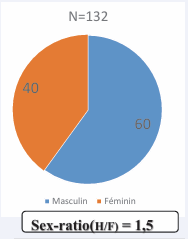
Figure 1: Distribution of the association between hypertension and diabetes by sex in the study population
These comparisons indicate that the diabetes hypertension association primarily affects middle-aged adults and the elderly across the African continent, highlighting the need for targeted surveillance and appropriate care for this population at high risk of cardiometabolic complications.
These findings are consistent with several African studies. In Senegal, Diouf et al., reported that housewives accounted for nearly 28% of diabetic patients followed in urban settings, followed by civil servants and merchants [15]. This predominance of housewives can be explained by their exposure to cardiometabolic risk factors linked to a sedentary lifestyle, dietary habits, and domestic workload, whereas civil servants and merchants, who often reside in urban areas, have better access to healthcare facilities [16].
Hospitalization: The findings of our study are consistent with data from Africa, where the majority of patients with hypertension or diabetes are managed on an outpatient basis, but a significant proportion require hospitalization due to acute complications or associated comorbidities [12-17].
These results are generally consistent with observations reported in Africa, where cardiovascular symptoms such as palpitations and edema are frequent reasons for consultation among patients with a diabetes–hypertension comorbidity [12-17]. However, some African studies have shown a higher prevalence of classic metabolic symptoms of diabetes, particularly polyuria and polydipsia, reaching up to 20–25% of cases [10-18]. The proportion of patients presenting with signs of hemodynamic compromise (lightheadedness, edema, loss of consciousness) remains similar to African data, reflecting the significance of cardiovascular complications in this population.
Compared with data from other African countries, this distribution is generally consistent with findings from several hospital-based studies. For example, in Nigeria, Agaba et al., reported that nearly 50% of patients had stage I hypertension, 30% had stage II, and approximately 12% had stage III, with a low percentage of isolated systolic hypertension [19]. In Cameroon, Dzudie et al.,also demonstrated a predominance of mild to moderate hypertension among hypertensive adults, reflecting a trend similar to that observed in our study [17].
These comparisons suggest that, despite contextual variations, the majority of hypertensive patients in African hospitals have mild to moderate hypertension, underscoring the importance of early screening strategies and effective blood pressure control to prevent cardiovascular complications.
These results are generally consistent with the literature, which describes glycosuria as a common marker [6-20], of hyperglycemia exceeding the renal threshold. Proteinuria is generally associated with early-stage renal impairment in diabetic patients [21], whereas ketonuria is primarily observed during severe acute decompensations such as diabetic ketoacidosis [22].
Thus, the prevalence of glycosuria in our series primarily reflects impaired glucose regulation, whereas the low incidence of ketonuria suggests a limited proportion of acute metabolic complications.
In our study, metformin was the most commonly used antidiabetic medication (64.6%). This finding is consistent with international guidelines that position metformin as the first-line treatment for type 2 diabetes, in the absence of contraindications, due to its efficacy on HbA1c, its low risk of hypoglycemia, its neutral or favorable effect on weight, and its affordability [23,24]. The American Diabetes Association recommends its initial use in combination with lifestyle and dietary measures, with gradual intensification if glycemic targets are not met.
Sulfonylureas such as gliclazide (Diamicron®) remain widely used, particularly in resource-limited settings, due to their efficacy and relatively low cost. However, their use is limited by the risk of hypoglycemia and weight gain [25]. Their lower prescription rate in our series may reflect a preference for metformin as initial monotherapy.
Regarding insulin therapy, its less frequent use in our study is consistent with guidelines, which reserve insulin for situations of oral antidiabetic failure, very high HbA1c, metabolic decompensation, or contraindications to oral antidiabetics [23-26]. In low- and middle-income countries, the initiation of insulin may also be delayed due to economic and logistical constraints.
Thus, the predominance of metformin in our series reflects a practice consistent with international standards, while the more limited use of sulfonylureas and insulin appears to correspond to a strategy of gradual therapeutic intensification.
In our study, angiotensin-converting enzyme (ACE) inhibitors were the most commonly used antihypertensive treatment (35.6%), either alone or in combination. This prevalence is consistent with international guidelines that list ACEIs among the first-line treatments for hypertension, particularly in patients with diabetes or kidney disease, due to their nephroprotective and cardioprotective effects [3-27].
In the African context, and particularly in Guinea, this high usage can also be explained by the relative availability and lower cost of generic ACEIs compared to other drug classes. However, several guidelines tailored to sub-Saharan Africa emphasize that thiazide diuretics and calcium channel blockers are often more effective as first-line treatments in Black patients, due to the pathophysiological profile of low-renin hypertension [26]. Despite this, ACE inhibitors remain widely prescribed, particularly in the presence of comorbidities such as diabetes or heart failure.
The relatively low proportion of dual-drug regimens (ACE inhibitor + calcium channel blocker or ACE inhibitor + beta-blocker) and the low frequency of triple- and quadruple-drug regimens may reflect either satisfactory blood pressure control with monotherapy or dual-drug therapy, or limitations related to patients’ ability to afford treatment—a well-documented factor in sub-Saharan Africa [16]. In Guinea, where healthcare financing relies heavily on out-of-pocket payments by households, treatment escalation may be delayed.
Thus, the observed treatment profile reflects both international recommendations and the structural constraints specific to the Guinean healthcare system, particularly drug availability, cost, and access to care.
CONCLUSION
The combination of hypertension and diabetes primarily affects middle-aged individuals, with a predominance of type 2 diabetes and severe complications such as stroke and kidney failure. Although treatment has led to favorable outcomes in a significant proportion of patients, mortality remains high. These findings underscore the importance of early screening, regular follow-up, and integrated care to reduce morbidity and mortality.
Ethical Considerations
Informed consent was obtained from patients, medical confidentiality was respected, and the data from this study were used for medical purposes.
REFERENCES
- Kearney PM, Whelton M, Reynolds K, Muntner P, Whelton PK, He J. Global burden of hypertension: analysis of worldwide data. Lancet. 2005; 365: 217-223.
- World Health Organization. Global status report on non-communicable diseases 2022. WHO; 2022.
- Hypertension. WHO. 2025.
- Magliano DJ, Boyko EJ; IDF Diabetes Atlas 10th edition scientific committee. IDF DIABETES ATLAS 10th edition. Brussels: International Diabetes Federation. 2021.
- Sarafidis PA, Bakris GL. Hypertension and diabetes: epidemiology, mechanisms, and management. Curr Hypertens Rep. 2010; 12: 124–131.
- American Diabetes Association Professional Practice Committee.2. Diagnosis and Classification of Diabetes: Standards of Care in Diabetes-2025. Diabetes Care. 2025; 48: S27-S49.
- Camara M, Kourouma K, Sylla M. Prévalence de l’hypertension artérielle et du diabète en Guinée: étude transversale. Pan Afr Med J. 2021; 38: 150.
- Conde MG, Diallo D, Barry M. Facteurs associés à l’hypertension et au diabète dans les zones urbaines de Conakry. Rev Epidemiol Sante Publique. 2020; 68: 393-400.
- Bah AA, Koulibaly M. Prise en charge des maladies chroniques en Guinée: défis et perspectives. Guin Med J. 2019; 12: 45-52.
- Kouassi KK. Association diabète-hypertension: prévalence et caractéristiques cliniques à Abidjan. Pan Afr Med J. 2020; 37: 150.
- Okafor CI. Cardiometabolic comorbidities in Nigerian adults: a hospital-based study. J Clin Hypertens. 2018; 20: 1805-1812.
- Akinlade KS. Hypertension and diabetes comorbidity among adult patients in Nigeria: prevalence and patterns. Afr Health Sci. 2019; 19: 2001-2008.
- Ogah OS. Hypertension and diabetes comorbidity in Nigerian adults: prevalence and age distribution. Afr Health Sci. 2018; 18: 200–207.
- Atangana EM. Age distribution of hypertensive-diabetic patients in Cameroon: a hospital-based study. Cardiovasc J Afr. 2017; 28: 162–170.
- Diouf A. Profil socioprofessionnel des patients diabétiques en milieu urbain à Dakar. Pan Afr Med J. 2019; 32: 45.
- Ataklte F, Erqou S, Kaptoge S, Taye B, Echouffo-Tcheugui JB, Kengne AP. Burden of undiagnosed hypertension in sub-saharan Africa: a systematic review and meta-analysis. Hypertension. 2015; 65: 291-298.
- Dzudie A. The epidemiology of hypertension and diabetes in urban Africa. Cardiovasc J Afr. 2017; 28:162-170.
- Oladipo OO. Clinical presentation of hypertensive diabetic patients in Lagos, Nigeria. Nig Q J Hosp Med. 2018; 28: 13-19.
- Agaba EI. Pattern of hypertension in adult patients attending a tertiary hospital in Nigeria. Niger J Clin Pract. 2015; 18: 351-356.
- Hall JE. Guyton and Hall Textbook of Medical Physiology. 14th edition.Philadelphia: Elsevier; 2020.
- Taal MW, Chertow GM, Marsden PA. Brenner & Rector’s The Kidney.11th ed. Philadelphia: Elsevier. 2020.
- Mbanya JC, Motala AA, Sobngwi E, Assah FK, Enoru ST. Diabetes in sub-Saharan Africa. Lancet. 2010; 375: 2254-2266.
- American Diabetes Association Professional Practice Committee. Diagnosis and Classification of Diabetes: Standards of Care in Diabetes-2024. Diabetes Care. 2024; 47: S20-S42.
- Davies MJ, Aroda VR, Collins BS, Gabbay RA, Green J, Maruthur NM, et al. Management of Hyperglycemia in Type 2 Diabetes, 2022. A Consensus Report by the American Diabetes Association (ADA) and the European Association for the Study of Diabetes (EASD). Diabetes Care. 2022; 45: 2753-2786.
- Inzucchi SE, Bergenstal RM, Buse JB, Diamant M, Ferrannini E, Nauck M, et al. Management of hyperglycemia in type 2 diabetes, 2015: a patient-centered approach: update to a position statement of the American Diabetes Association and the European Association for the Study of Diabetes. Diabetes Care. 2015; 38: 140-149.
- Unger T, Borghi C, Charchar F, Khan NA, Poulter NR, Prabhakaran D, et al. 2020 International Society of Hypertension Global Hypertension Practice Guidelines. Hypertension. 2020; 75: 1334-1357.
- European Society of Cardiology. 2023 ESC Guidelines for the management of arterial hypertension. Eur Heart J. 2023