Attitudes and Behaviors Related to Shared Reading and Screen Time in Parents of Infants and a Novel Approach to Shared Reading Guidance
- 1. Division of General and Community Pediatrics, The University of Texas Southwestern Medical Center, Dallas, TX, USA
- 2. Division of General and Community Pediatrics, Cincinnati Children’s Hospital Medical Center, Cincinnati, OH, USA
- 3. Department of Pediatrics, University of Cincinnati College of Medicine, Cincinnati, OH, USA
Abstract
The AAP and AAFP recommend that parents initiate “shared” reading with their babies during early infancy and discourage screen time. Relatively few studies have explored parental attitudes, behaviors and barriers related to shared reading and screen time at this formative age, particularly in the context of socioeconomic disadvantage. SHARE/STEP is novel approach involving evidence-based practices intended to enhance interactivity and enjoyment of shared reading with infants. It was introduced as an intervention to mothers of infants during routine well-visits between newborn and 2-months old using a specially designed children’s book and animated educational video. Demographic, home reading and media use surveys were also administered. A total of 148 mother child dyads were enrolled (72 intervention, 76 control), the majority of Black race and low-income background (74% below poverty threshold). Follow-up surveys were administered at a 6-month well-visit. A substantial percentage (38%) reported receiving no advice related to reading or media at both visits. A majority of mothers (55%) reported reading to their baby in utero, which was associated with more favorable attitudes and time spent reading at baseline and 6-months. Almost all endorsed the importance of reading and had started reading to their baby at baseline. Frequency of reading was moderate (median 3-4 days/week) at both visits. Learning and brain development were the main motivators and “too busy” the main barrier. Almost all babies were exposed to screens (mostly television) at both ages, with “educational” content the main motivator. A majority (60%) reported their baby’s media use under 1 hour/ day, with 16% over 3 hours/day. Higher media use was negatively correlated with reading attitudes and behaviors. Mothers were universally receptive to the SHARE/STEP approach, with greater use associated with enhanced home reading routines, comfort and interactivity, and lower media use, especially mothers with a family history of reading difficulties. Altogether, findings suggest opportunities for structured reading guidance during early infancy or even prenatally, where family practitioners may be ideally poised.
Keywords
• Shared Reading
• Prenatal
• Infants
• Screen Time
• Literacy Promotion
Citation
Hutton JS, Pero MB, Szumlas G, DeWitt T (2026) Attitudes and Behaviors Related to Shared Reading and Screen Time in Parents of Infants and a Novel Approach to Shared Reading Guidance. J Family Med Community Health 13(1): 1215.
INTRODUCTION
The American Academy of Pediatrics (AAP) and American Academy of Family Physicians (AAFP) both recommend parents begin reading to their children (“shared reading”) as soon as possible during early infancy, citing cognitive, relational and neurodevelopmental benefits [1 3]. Reach Out and Read (ROR) is an established, evidence based program providing age-appropriate children’s books and reading guidance at both pediatric and family practice well-visits from newborn through 5-years old [3,4]. However, many families are apprehensive about reading with infants, especially those with less experience and/or from marginalized backgrounds [5]. At present, AAFP and American Academy of Obstetrics and Gynecology (ACOG) prenatal care guidelines do not mention shared reading. The AAP and AAFP also discourage screen time during infancy, citing cognitive, family relational, academic and neurodevelopmental risks [6]. These risks include less parent-child reading and verbal interaction, greater parental distraction (“technoference”), and less creative play [7-10]. Despite recommendations, screen time in young children, notably infants, is prevalent and increasing (average >1 hour/day), while rates of shared reading are decreasing [11]. At present, ACOG guidelines do not mention screen time. Dialogic reading is a structured approach to enhancing interactivity and enjoyment of shared reading in young, verbal children that involves specific types of questions (prompts) and responses to the child (acronym PEER/ CROWD) [12]. Established benefits include expressive language, comprehension and enjoyment of reading [13]. However, while certain shared reading practices with infants have been shown to be beneficial (e.g., pointing, stretching word sounds; [14-16], no similar, structured approach to reading with preverbal infants has previously been introduced or tested. The primary objective of the current study was to assess attitudes and behaviors regarding shared reading and screen time in families of infants across early infancy (newborn to 6-months). A secondary objective was to gauge parental acceptance and utility of a novel, structured approach to shared reading with infants (acronym SHARE/STEP) using a specially designed book and educational video. These data were collected under the auspices of a clinical trial involving a new, free mobile app developed to provide shared reading and digital media use guidance (NICHD 5R21HD102702-02, 2021-23, Hutton), which was abandoned due to technical difficulties. Thus, these analyses are largely descriptive across groups rather than comparative.
MATERIALS AND METHODS
Recruitment, Randomization and Demographic Data
This study was conducted from 2022 to 2023 and involved 148 parent-infant dyads. The initial design was a clinical trial to assess efficacy of a free mobile app developed by the PI to encourage interactive shared reading (Reading Bees, Apple iOS store), though this was hindered by technical glitches. As a result, the intervention was not delivered as envisioned and data regarding use of the app were not captured and/or available. Thus, analyses here are largely descriptive in nature across groups, though also involve parental impression and use of the children’s book and accompanying video provided to families in the intervention group. Recruitment was via posted advertisement at a large, academic children’s medical center and affiliated pediatric primary care clinics. All clinics participate in the Reach Out and Read (ROR) program, with reading guidance initiated in early infancy. Inclusion criteria were: 1) child age less than 2.5 months old, 2) enrollment at a normally scheduled well-visit (i.e., newborn, 1-month, 2-month), 3) gestation over 32 weeks, 4) no documented history of neurological insult or genetic syndrome conferring risk of developmental delay, 5) custodial parent present at least 18-years old and fluent in English without need of an interpreter, 6) no acute illness for the child at the visit. Recruited dyads were assigned to the intervention (mobile app + SHARE/STEP materials) or control (usual ROR) group via a random assignment list created by a biostatistician. For balance, permuted block randomization with random block sizes of 2 and 4 was used, stratified by a 3-level age group (newborn, 1- or 2-month visit at baseline). Assignments were provided in sequentially numbered sealed envelopes, the research team was blinded to block size, and families were blinded to the study purpose other than general terms. Research coordinators administered all surveys and intervention materials in the clinic exam room before or after seeing the physician, mindful of clinic flow. Demographic information collected at baseline included child age, sex, parental race and marital status, household income level, maternal education, number of family members living in the home, family history of reading difficulties and whether the child was breast- or formula fed. Written informed consent was obtained from all participants (mothers) at enrollment and families were compensated with ClinCards for their time and participation. Major risks explained included privacy (app and other data) and discomfort discussing home reading experiences and routines. Equipoise was established by providing mothers in the control group with the same incentive payments, encouragement to read to their baby and a new, age-appropriate children’s book via the ROR program. This study was approved by the Cincinnati Children’s Institutional Review Board.
Reading and Digital Media Surveys
At the baseline visit, Likert-based surveys developed by the study team were administered regarding resources, attitudes and plans regarding reading and screen time (largely and realistically, television and/or videos) for the infant. Examples include planned age of initiation of reading/TV, rated importance of reading/TV at this age, estimated number of children’s books at home, major barriers to reading at this age and main source of advice regarding reading at this age. In addition, parents were asked about their primary motivators for reading and screen time, which was an open-ended item. If rated at least Somewhat Important in response to the question, “In your opinion, how important is reading/television to help a baby’s development?”, the mother was asked “Why?” If the mother specifically mentioned brain development, skills or bonding, their response was assigned to the respective category. Age-adjusted versions of these surveys were also administered at the child’s 6-month well-visit. Additionally, established composite measures of home literacy environment (StimQ READ subscale) and screen time (ScreenQ) were administered to the parent at the 6-month visit [17,18]. Higher StimQ READ scores reflect a more nurturing home literacy environment (i.e., conferring benefits), while higher ScreenQ scores reflect higher levels of screen time (i.e., conferring risks).
SHARE/STEP Intervention
Akin to dialogic reading for older children [12,19], SHARE/STEP is a novel synthesis of behaviors reasonably likely to enrich parent-infant reading, developed by the principal investigator (JH) and summarized in (Figure 1). The acronym SHARE encourages: 1) Snuggle on the parent/ caregiver’s lap, 2) let the child Hold and explore the book, 3) show Affection to reinforce the nurturing aspect of story sharing, 4) Respond to what the child says or does, and 5) Enjoy the process, rather than worry about doing it “right.” The acronym STEP reflects ways to Respond to the child: 1) Stretch word sounds (child-directed Speech), 2) Talk about pictures in the book, 3) Explore word sounds in fun ways (e.g., animal noises), and 4) be Patient, not expecting shared reading to always be serene. The SHARE/STEP conceptual model is rooted in likely drivers of benefits at this age (e.g. joy, responsiveness, consistency; [20,21], nurturing reading behaviors (e.g. lap sitting, encouraging the child to hold/explore the book; [22], encouraging language development via “serve and return” vocalization [23] and child-directed speech [24-26], and reinforcing interest in book sharing (e.g. fun reading routines; [27]. The SHARE/STEP intervention was administered at the baseline visit and involved presenting the parent with a new, specially designed children’s book (SHARE This Book; Blue Manatee Press) and encouraging them to read it with the infant at home. Families were also encouraged to view a 2.5-minute, free, animated, educational video on the coordinator’s laptop hosted on the Cincinnati Children’s YouTube channel (SHAREing Books with Babies). This was also featured on the Reading Bees app, though almost all parents had difficulty using the app due to technical glitches and so the video could not be viewed there reliably. Following presentation of these materials, the study coordinator administered a brief survey (Likert scale) gauging parental impression of SHARE/STEP materials (useful information, anticipated impact on reading behavior) and their likelihood to use them at home (read/view, read book with baby). A survey of actual use of SHARE/STEP materials and guidance was administered at the 6-month visit (frequency reading the book, impact on comfort reading with the baby, use of SHARE/STEP tips, would they recommend these to other families). In addition, the SharePR measure of parent-infant reading interactivity was administered at the 6-month visit. The SharePR has 10 items reflecting reported use of components of the SHARE/STEP approach (0-3 points each, reflecting frequency from Never to A lot), with higher scores reflecting greater interactivity [28]. Families in both groups received a new, age-appropriate children’s book plus encouragement to read with the baby at home from their physician, in accordance with usual ROR practice at the clinics.
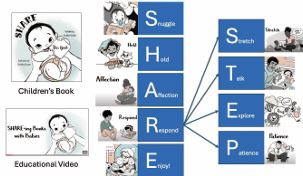
Figure 1 Share/Step Approach to Reading with Infants and Materials Provided. Summary graphic of the SHARE/STEP approach to reading with infants and guidance materials introduced during the study. SHARE represents recommended reading behaviors and STEP ways to respond to the infant, both intended to enhance enjoyment and interactivity. Images excerpted from SHARE This Book (Blue Manatee Press) and a companion animated video (Cincinnati Children’s YouTube channel).
Statistical Analyses
All data was entered into and accessed from a HIPAA compliant REDCap database [29]. Given technical difficulties with the mobile app that derailed the clinical trial, the majority of data presented here are for the combined sample (i.e., overall attitudes, behaviors and associations). In addition, analyses exclusively involving families presented with the SHARE/STEP (book, video) intervention were conducted regarding acceptance and usefulness of these materials and associations with reading and screen time attitudes and behaviors at the 6-month visit. Statistical analyses involved descriptive statistics, Pearson correlations and linear regression. For all analyses, the criterion for statistical significance was set at an unadjusted α = 0.05 level. Analyses were conducted using Wizard 2 statistical software (version 2.0.19).
DISCUSSION AND RESULTS
Demographic Characteristics
A total of 148 parent-infant dyads were enrolled in the study (72 intervention, 76 control), 62 at the Newborn visit, 52 at 1-month and 34 at 2-months. All of the parents were mothers. Mean age at enrollment was 0.8 ± 0.8 months old (range 0 – 2.5 months; 88 girls). The sample was predominantly Black (120, 81%) and of disadvantaged socioeconomic status (majority high school graduate, household income <$15,000), with 74% living under 100% of the US poverty level (income relative to household size) [30]. In terms of infant feeding, 36% stated exclusively formula, 32% exclusively breast and 32% both. Eighteen participants reported a family history of reading difficulties (12%). A total of 61 dyads completed the follow-up visit at 6-months old (28 intervention, 33 control). The retained population involved proportionally more girls (69% vs 59%) and fewer Black families (74% vs 81%), though was similar to baseline in terms of household income, maternal education, household size, poverty status (79% vs 74%) and family history of reading difficulties. Demographics for both visits are summarized in (Table 1). Key drivers of the relatively high lost-to-follow-up rate (59%) were unforeseen medical leave of the main clinical research coordinator, no-show for scheduled visits, unscheduled appointments (i.e., walk-ins), and/ or difficulty aligning coordinator in-clinic time with the scheduled well-visit. Attrition was similar between groups (61% intervention, 57% control), suggesting that frustration with the mobile app failure was not a major factor.
Descriptive Statistics for Surveys
Shared Reading Attitudes and Behaviors: At baseline, the most common source of reading advice reported by mothers were doctor/health provider (27%), older relative (16%, particularly the mother’s mother) and spouse (11%), with 38% reporting nobody (Figure 2a). Receiving advice from a particular source was not correlated with baseline reading attitudes or behaviors.
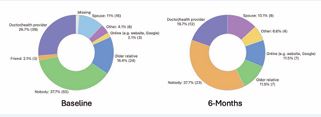
Figure 2 Source of reading guidance at baseline and 6-month visit. Main source of reading guidance cited by mothers at the baseline (n = 146) and 6-month (n = 61) visit.
Table 1: Demographics at Baseline (T1) and Follow-Up (T2) Visits.
|
|
T1 (%) |
T2 (%) |
Mean ± SD |
(Min, Max) |
|
Total |
148 (100) |
61 (100) |
|
|
|
Child Age (months) |
|
|
0.8 ± 0.8 |
(0, 2.5) |
|
|
|
6.3 ± 0.3 |
(5.9, 7.1) |
|
|
Child Gender |
|
|
||
|
Male |
60 (41) |
19 (31) |
||
|
Female |
88 (59) |
42 (69) |
||
|
Race |
||||
|
Black |
120 (81) |
45 (74) |
||
|
White |
19 (13) |
11 (18) |
||
|
Hispanic |
2 (1) |
2 (3) |
||
|
Other |
7 (5) |
3 (5) |
||
|
Annual household income ($) |
||||
|
<= 15,000 |
74 (50) |
24 (39) |
||
|
15,001-30,000 |
32 (22) |
17 (28) |
||
|
30,001-50,000 |
23 (16) |
12 (20) |
||
|
50,001-100,000 |
14 (9) |
5 (8) |
||
|
Above 100,000 |
4 (3) |
3 (5) |
||
|
Family Members at Home |
|
|
4.2 ± 1.5 |
(1,10) |
|
|
|
4.1 ± 1.4 |
(1,8) |
|
|
*Income Relative to Needs |
|
|
||
|
At or under poverty threshold |
109 (74) |
48 (79) |
||
|
Above poverty threshold |
38 (26) |
13 (21) |
||
|
Maternal Education |
||||
|
Less than High School |
6 (4) |
0 (0) |
||
|
High School Graduate |
73 (49) |
32 (53) |
||
|
Some College/Associate’s |
45 (29) |
16 (26) |
||
|
College Graduate |
18 (12) |
9 (15) |
||
|
Graduate Degree |
6 (4) |
4 (6) |
||
|
FH Reading Difficulty |
||||
|
Yes |
18 (12) |
8 (13) |
||
|
No |
130 (88) |
53 (87) |
||
|
Feeding Source |
||||
|
Breast |
47 (32) |
|
||
|
Formula |
53 (36) |
|
||
Eighty mothers (55%) reported reading to their baby in utero. Prenatal reading was not significantly associated with family demographics or feeding type. Prenatal reading was positively associated with baseline reported number of children’s books at home (rρ = 0.23) and higher rated importance of reading (rρ = 0.30), particularly to promote healthy brain development (rρ = 0.26; all p < 0.01). Prenatal reading was also positively associated with higher cited importance of (rρ = 0.46) and enjoyment of reading with (rρ = 0.26) the baby at the 6-month visit (p < 0.05). Prenatal reading was marginally correlated with later age the mother planned to let the infant watch television (p = 0.08).
At the baseline visit (0-2 months old), 75% said that they were already or planned to begin reading prior to 1-month old, 10% between 2-3 months, 8% by 6 months, and 1% by 1 year old, with 8% stating that it was too soon to say. Attitudes towards the importance of shared reading in the first 2 months of life were strongly favorable (65% Extremely/Very Important, 20% Important, 10% Somewhat, 5% Not) and did not differ significantly by demographics, feeding style or family history of reading difficulties (Figure 3a). The main motivators to read with the baby at this age were variable (open-ended item) yet thematically largely involved language and learning, with 22% specifically citing healthy brain development, 10% to build the child’s skills and 4% to promote bonding. The main barrier to reading at baseline was Too Busy (44%), with smaller percentages citing Not Enough Books (7%), Not Comfortable reading aloud at this age (2%), and that the baby wouldn’t understand yet (5%), with 45% citing no barriers. Barriers did/not differ by demographics, feeding style or history of reading difficulties. The mean reported number of children’s books at home was 27 ± 31 (0-200) and was positively correlated with household income and maternal education and negatively correlated with poverty status (all p < 0.05).
At the 6-month visit, 95% of parents said they were reading to their baby. Of these, 21% reported reading 1-2 days/week, 36% 3-4 days/week and 43% 5 or more days/ week. Sixty-six percent endorsed reading at bedtime and 85% reading at other times of the day. Reading frequency was marginally correlated with household income and maternal education (p = 0.06) but not with other demographics. At the 6-month visit (n = 61 total), attitudes towards shared reading remained highly favorable (77% Extremely/
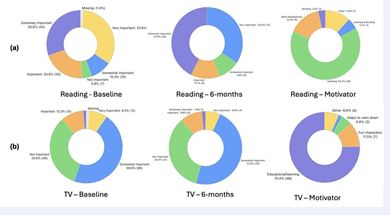
Figure 3 Attitudes and motivators regarding reading and television at baseline and 6-month visits.
Maternal attitudes regarding the importance of reading (a) and television (b) at baseline (n = 146) and 6-month (n = 61) visits. Figures on the far right of each section represent primary motivators for shared reading (a) and selection of television shows (b) for the baby cited at the 6-month visit.
Very, 13% Important, 10 % Somewhat) and were positively correlated with attitudes at baseline (p < 0.05), yet did not significantly differ by demographics (Figure 3a). All mothers said they were comfortable reading to the baby at this age (69% Extremely, 20% Very, 0% Not) and described reading as “fun” (33% Extremely, 39% Very, 0% Not). The main motivators to read with the baby again thematically centered on language and learning (69%), with 16% specifically citing healthy brain development and 9% bonding. The main barrier to reading was Too Busy (51%) with 7% Not Enough Books and 42% citing none. Importance, fun and comfort reading at this age were all strongly positively correlated with each other (p < 0.01). The most common sources of reading advice cited by mothers at the 6-month visit were doctor/health provider (20%), older relative (12%, particularly the grandmother), online (12% with 58% Google), and spouse (13%), with 38% reporting nobody [Figure 2b]. Receiving advice from the child’s doctor was marginally correlated with comfort reading aloud (p = 0.06).
Mean StimQ READ score (home reading environment) was 5.1 ± 2.0 (2 - 9), positively correlated with household income and maternal education (p < 0.05). Mean SharePR score (parent-infant reading interactivity) was 22.2 ± 5.1 (9-30), positively correlated with higher rated importance of reading at 6-months (rρ = 0.41, p < 0.01). Most mothers endorsed that reading to their baby helped them feel more connected (61% Always, 25% Often, 34% Sometimes, 0% never) and in a good mood (39% Always, 25% Often, 8% Sometimes, 2% never).
Television Attitudes and Behaviors: At the baseline visit (between 0- and 2-months old), 35% of mothers were allowing their baby to watch Television (TV) and/or videos, with 6% stating they planned to allow viewing at 4-months, 10% at 6-months, 4% at 7-8-months, and 12% at 12-months old, with 33% stating that it was too soon to say. Attitudes towards the importance of TV/videos to help the baby’s development at this age were muted (47% Somewhat, 10% Important, 9% Extremely/Very, 34% Not Important; [Figure 3b]. Cited benefits were variable (open-ended item) yet thematically centered on learning/ educational (65%), with 5% specifically citing healthy brain development and 4% promoting bonding. More favorable attitudes towards TV/videos were negatively correlated with maternal education and household income and positively correlated with family history of reading difficulties (all p < 0.05).
At the 6-month visit, attitudes towards TV/videos were similar yet not significantly correlated with baseline (48% Somewhat, 10% Important, 9% Extremely/Very, 33% Not
Important; (Figure 3b). All infants were watching TV and/ or videos at this age. Cited benefits remained variable (open-ended item) and even more centered on learning/ educational (74%), with 3% specifically citing healthy brain development and 0% promoting bonding (Figure 3b). Regarding motivations for selecting TV programs and/ or videos for the baby, 74% cited Education/learning, 12% fun characters, and 5% to help the child calm down. Most of the parents rated their baby as watching less than other babies their age (67%, with 25% the same amount).
Mean ScreenQ score (screen time composite, higher reflecting greater use) at the 6-month visit was 8.2 ± 3.6 (0-18). A total of 57% reported a TV in the baby’s sleeping area and 16% of babies had their own portable device (e.g., tablet). A screen in the sleeping area was positively correlated with viewing frequency (rρ = 0.32, p < 0.05). In terms of screen time, 60% reported viewing under 1-hour, 24% between 1-2.9 hours and 16% over 3 hours/ day. Viewing time was positively correlated with higher rated importance of TV/videos at this age (p < 0.05). A majority (84%) described most of the content watched as educational, versus entertainment. In terms of context, 37% allowed the baby to watch during meals, 21% to help the baby calm down and 24% said the baby usually watched by themselves. Parent-child co-viewing was significantly lower for infants with their own device (p < 0.05). ScreenQ scores were negatively correlated with StimQ READ total scores (rρ = -0.32, p < 0.05), (shown in Figure 4). Greater parent-child co-viewing was positively correlated with StimQ READ scores (p < 0.05).
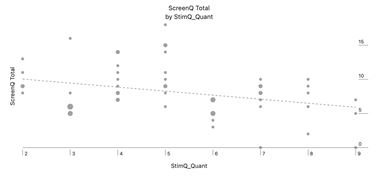
Figure 4 Scatter Plot of StimQ READ vs. StimQ Total Scores.
Scatter plot of StimQ READ subscale versus ScreenQ total scores at the 6-month visit (n = 62). Scores were significantly negatively correlated (rρ = -0.32, p < 0.05), reflecting that families reporting higher levels of screen time reported less shared reading.
Feasibility and Acceptance of SHARE/STEP Intervention: At the baseline visit, mothers presented with SHARE/STEP materials (video, children’s book; n = 72) universally thought that they would be useful (20% mostly book, 7% mostly video, 73% both equally). All planned to read the book with their infant and 97% to watch the
video, and 52% anticipated that these would “definitely” change how they spend time with their baby (18% not sure, 30% probably not/no). Of those anticipating change, 36% specifically mentioned more reading and 19% more talking to the baby (open-ended item).
At the 6-month visit (n = 27), all mothers said they still had the SHARE book and 93% that they had read it with their baby at least a few times (11% once per week, 11% more than once per week). A majority said that the SHARE/ STEP approach made them feel more comfortable reading with their baby (40% Definitely, 36% Somewhat, 24% Probably not), 48% that they applied principles of SHARE/ STEP in their reading, and 67% that this approach would be helpful for other families. Family history of reading difficulties (but not other demographics) was positively associated with higher rated helpfulness of SHARE/STEP guidance (p < 0.05). Reported use of the SHARE/STEP approach was positively correlated with StimQ READ (home reading environment) total score (rρ = 0.41) and negatively correlated with ScreenQ score (rρ = -0.43, both p < 0.05), with a trend towards positive correlation with SharePR (reading interactivity) total score (p = 0.18), (shown in Figure 5).
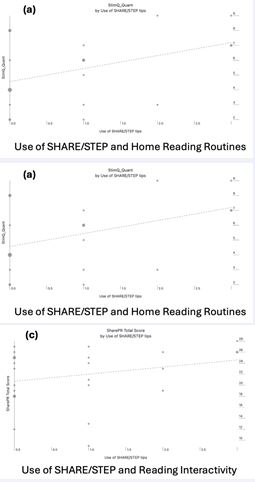
Figure 5 Relationships between use of SHARE/STEP tips, home reading routines, reading interactivity and digital media use reported at the 6-month visit.
Relationships between reported use of SHARE/STEP tips at the 6-month visit (n = 27) and (a) home reading environment (StimQ READ score), (b) screen time (ScreenQ score) and (c) and shared reading interactivity (SharePR score). Pearson correlations were significantly positive with StimQ READ (rρ = 0.41, p < 0.05), significantly negative with ScreenQ (rρ = -0.43, p < 0.05), and trended positive with SharePR (rρ = 0.27, p = 0.18).
FINDINGS
The AAP and AAFP recommend that families begin reading with their infants as soon as possible after birth, citing benefits for child skills, family relationships and healthy brain development [1-3]. By contrast, both groups recommend little to no digital media use (“screen time”) during infancy, citing risks in all three domains [6]. While many families are receptive to this guidance, others may be overwhelmed given myriad other concerns at this age, such as safety, feeding, sleep, other children at home and postpartum depression [5]. Further, families with less experience (e.g., new parents) and/or capacity to read aloud (e.g., history of reading difficulties) and/or cultural differences that frame shared reading as less customary at young ages (e.g., recent immigrants) may be less receptive. The purpose of this study was to assess maternal attitudes and behaviors related to shared reading and screen time (largely TV and/or videos) during early infancy, and to gauge receptiveness to a novel shared reading approach (SHARE/STEP) developed to help frame expectations and guidance at this formative age. Remarkably, a majority of mothers reported reading with their baby prenatally (in utero), which was associated with stronger reading attitudes and behaviors postpartum. This aligns with prior evidence [31,32], though few studies of prenatal reading have been conducted. This finding is especially interesting given the socioeconomically disadvantaged study population, at outsized risk for reading, academic and related health challenges. It also suggests compelling potential to initiate reading (and screen time) guidance prenatally, when parents are “nesting” in preparation of their child’s birth. For example, in addition to encouraging/ensuring a healthy sleep environment for the baby, resources could be provided to enhance their “home reading environment.” Family physicians (notably FP obstetricians) are poised to provide such guidance continuously across the perinatal period. Further, these findings reflect potential to incorporate reading guidance into obstetric care more broadly, even within ACOG recommendations. Indeed, prior longitudinal studies based in home visiting and obstetric prenatal care involving mothers from socioeconomically disadvantaged backgrounds found that a majority view the prenatal period as opportune to discuss reading and screen time [33,34]. In the obstetric trial, a majority of obstetricians working in the host clinic endorsed that reading guidance belongs in prenatal care (56% yes, 31% not sure) and that books are a helpful means to do so (92%; [34]. All mothers presented with the SHARE/STEP intervention were highly receptive, anticipating that tips provided would be of value to them and other families. While many were lost to follow-up (discussed below), a majority affirmed this at the 6-month visit, reporting high use of intervention materials (especially the book), increased comfort reading with their baby, and incorporating SHARE/STEP principles into home reading routines. Despite relatively small sample size, greater use of SHARE/STEP tips was significantly associated with more nurturing home reading environment (StimQ READ score) with a trend towards enhanced reading interactivity (SharePR score), and significantly negatively associated with digital media use (ScreenQ score). Rated helpfulness and use of SHARE/STEP tips were highest in mothers with a family history of reading difficulties, who are likely to have more adverse reading experiences and outsized need for guidance. These findings align with the aims of the SHARE/STEP intervention, as its conceptual model incorporates nurturing, evidence-based practices that are intended to be empowering and accessible, particularly for families with less experience and/or confidence [20 27]. A Spanish version (acronym COMPARTIR) has more recently been developed to provide such guidance to Hispanic families, particularly recent immigrants with limited English proficiency, known to be at-risk of reading and academic challenges [35]. As SHARE/STEP represents an inexpensive, scalable, family-centered approach that fits into existing pediatric reading programs (e.g., ROR), incorporating this structured guidance seems worthwhile, warranting further study. Maternal attitudes towards reading were strongly positive at both visits, suggesting that mothers understand the value and importance of reading with their child at young ages. The main motivator for reading was healthy brain development, suggesting this as a resonant theme for shared reading guidance. Indeed, the power of shared reading to build skills, relationships and healthy brains are cited in AAP literacy promotion recommendations [1,2] and integral to the mission of ROR [4] and other programs (e.g., Dolly Parton’s Imagination Library; [36]. Recent evidence has established associations between home reading routines during early childhood and brain structure and function in young children, reinforcing this guidance [37 39]. By contrast, the main barrier to shared reading cited here was “too busy,” which also aligns with prior research [33,40] and underscores the importance of reinforcing the value of encouraging families to establish home reading routines that fit within competing priorities/pressures. Both of these findings align with a recent, community based, qualitative study involving families of young infants, which identified both barriers and motivators, with time and brain development most frequently cited, respectively [5]. Screen time was surprisingly high during the study timeframe, with all infants viewing by 6-months-old, and some up to 3+ hours/day. By contrast, while almost all mothers were reading to their baby, frequency was moderate (most 3-4 days/week). This aligns with recent trends, where screen time in children is increasing and reading is flat to decreasing [11]. A majority of study infants had screens in their sleeping area and a substantial number had their own portable device, both established drivers of excessive use [41]. This is discordant with AAP/ AAFP guidance, underscoring the need for more effective interventions. The main motivator was “educational” content and potential to help the baby learn, which while contrary to growing evidence of risks [42], is not surprising given the power of “educational” marketing of scree-based/digital media for children [43]. Overall, media use and reading were negatively correlated, underscoring competing priorities in home environments. Interestingly, both greater use of SHARE/STEP tips and higher StimQ READ scores were negatively correlated with ScreenQ scores, affirming the potential of alternatives to screen time (i.e., reading) rather than simply discouraging use.
CONCLUSIONS, LIMITATIONS & RECOMMENDATIONS
Our study has limitations that should be noted. It is in the context of a clinical trial that was hampered by technical difficulties in its core component (mobile app), significantly weakening the intended intervention and interpretation of groupwise comparisons. Analyses are descriptive and correlational in nature and thus findings do not establish causation. Our sample size was relatively small and comprised of predominantly Black families from low-income backgrounds, and results may not be generalizable to other demographics. However, this population is known to be at-risk for adverse reading, academic and related health outcomes, and in need of effective, evidence-based interventions. Participants were all mothers, missing insights into paternal attitudes and behaviors (and opportunities for targeted guidance), though mothers tend to read more with their children [11]. A substantial number were lost to follow-up with consequent missing data, attributed to unexpected study coordinator medical leave, frequent no-shows, and difficulties aligning coordinator and family schedules. However, attrition was similar between groups and demographics other than child sex were similar at both time points, minimizing potential retention bias for the SHARE/STEP and overall analyses, respectively. Like all parent report measures, surveys and measures used (e.g., ScreenQ, StimQ READ) are subject to social desirability bias, yet direct observation was not feasible within the study design and may be more amenable to a home visitation model. And finally, while this study offers a reasonable step towards establishing feasibility and acceptance of SHARE/ STEP guidance, more extensive studies involving larger, more diverse populations are needed. This study also has notable strengths. SHARE/STEP is grounded in an evidence-based conceptual model of parent infant reading, which guided development and is reflected in study findings (i.e., acceptance, use, impact). It utilized a book and companion video that were well-received by mothers here and are inexpensive and easy to distribute. The study was conducted during normally scheduled pediatric well-visits where evidence-based reading guidance is routinely administered (ROR), suggesting scalability and an efficient platform for further testing and use. Despite small sample size at the follow-up visit, statistically significant associations and actionable insights were identified. Surprisingly, despite receiving well-care in ROR clinics, a high percentage of mothers reported receiving no reading guidance (38% at both time points) and relatively little from their physician (27% and 20%, respectively), warranting further investigation. Surveys & identified high levels of prenatal reading, suggesting the potential of expansion of reading promotion programs into prenatal care, particularly within a continuity-based, obstetric family medicine model. They also identified major motivating themes (e.g., healthy brain development) and barriers that may inform guidance. Overall, this pediatric clinic-based study provided useful insights into maternal reading and screen time attitudes, behaviors and themes and opportunities for guidance at a formative age. While preliminary, SHARE/STEP shows promise as a structured approach to reading guidance that may be introduced during early infancy or prenatally, warranting further study.
CONTRIBUTORS’ STATEMENT
- John S. Hutton: Developed the SHARE/STEP approach, book and educational video featured in this study, designed the study protocol, supervised data collection, conducted data analysis, and drafted the initial manuscript and subsequent revisions.
- Mary Beth Pero: Provided guidance on the study protocol design, oversaw implementation at one of the two host clinics including supervision of study coordinators, collaborated in data analysis, and reviewed and revised the manuscript and subsequent revisions.
- Gregory Szumlas: Provided guidance on the study protocol design, oversaw implementation at one of the two host clinics including supervision of study coordinators, collaborated in data analysis, and reviewed and revised the manuscript and subsequent revisions.
- Thomas (Tom) DeWitt: Consulted in the development of the SHARE/STEP approach, provided guidance on the study design, collaborated in data analysis, and reviewed and revised the manuscript and subsequent revisions.
ACKNOWLEDGEMENTS
The authors would like to thank the teams at Hopple Street Clinic and the Pediatric Primary Care (PPC) Clinic affiliated with Cincinnati Children’s Hospital for hosting this work.
FUNDING
This study was funded by a grant from NICHD (5R21HD102702-02, 2021-23, Hutton).
FUNDING SOURCE
This study was funded by an R21 grant from the Eunice Kenedy Shriver National Institute of Child Health and Development (5R21HD102702-02, 2021-23, Hutton).
FINANCIAL DISCLOSURE
Dr. Hutton developed the SHARE/STEP approach to reading with infants and is the author of the children’s book featured in this study. This was provided at no cost for the study and is available at a deep discount for educational and non-profit groups. The SHARE/STEP approach is summarized in an educational video scripted by Dr. Hutton and featured in this study, which is available at no cost via YouTube without commercial content. Dr. Hutton also developed and psychometrically tested the SharePR reading interactivity measure (cited in References), which is available at no cost. The other authors have no financial relationships or conflicts of interest relevant to this article to disclose.
REFERENCES
- Klass P, Mendelsohn AL, Hutton JS, Dunlap M, Anderson AT, High PC, et al. Literacy Promotion: An Essential Component of Primary Care Pediatric Practice: Technical Report. Pediatrics. 2024: 154: e2024069091.
- Klass P, Miller-Fitzwater A, High PC; COUNCIL ON EARLY CHILDHOOD. Literacy Promotion: An Essential Component of Primary Care Pediatric Practice: Policy Statement. Pediatrics. 2024; 154: e2024069090.
- American Academy of Family Physicians. Promoting Early LiteracyDevelopment 2025
- Klass P, Dreyer BP, Mendelsohn AL. Reach out and read: literacy promotion in pediatric primary care. Adv Pediatr. 2009; 56: 11-27.
- Crosh CC, Sherman SN, Valley JE, Parsons A, Gentry A, Glusman M, et al. Beliefs and Motivations Regarding Early Shared Reading of Parents From Low-Income Households: A Qualitative Study. Acad Pediatr. 2024; 24: 486-493.
- Brown A. Media use by children younger than 2 years. Pediatrics. 2011; 128: 1040-1045.
- Komanchuk J, Toews AJ, Marshall S, Mackay LJ, Hayden KA, Cameron JL, et al. Impacts of Parental Technoference on Parent-Child Relationships and Child Health and Developmental Outcomes: A Scoping Review. Cyberpsychol Behav Soc Netw. 2023; 26: 579-603.
- Hutton JS, Dudley J, Horowitz-Kraus T, DeWitt T, Holland SK. Associations Between Screen-Based Media Use and Brain White Matter Integrity in Preschool-Aged Children. JAMA Pediatr. 2019: e193869.
- Putnick DL, Trinh MH, Sundaram R, Bell EM, Ghassabian A, Robinson SL, et al. Displacement of peer play by screen time: associations with toddler development. Pediatr Res. 2023; 93: 1425-1431.
- McArthur BA, Browne D, McDonald S, Tough S, Madigan S. Longitudinal Associations Between Screen Use and Reading in Preschool-Aged Children. Pediatrics. 2021; 147.
- Mann S, Calvin A, Lenhart A, Robb MB. The Common Sense Census: Media Use by Kids Age Zero to Eight. San Francisco, CA: Common Sense Media; 2025.
- Whitehurst G, Falco F, Lonigan C, Fischel J, DeBaryshe B, Valdez- Menchaca M, et al. Accelerating Language Development Through Picture Book Reading. Developmental Psychology. 1988; 24: 552-559.
- Mol S, Bus A, de Jong M, D. S. Added Value of Dialogic Parent–Child Book Readings: A Meta-Analysis. Early Education and Development. 2008; 19: 7-26.
- Muhinyi A, Rowe ML. Shared reading with preverbal infants and later language development. Journal of Applied Developmental Psychology. 2019; 64.
- Dunst CJ, Simkus A, Hamby DW. Effects of Reading to Infants and Toddlers on Their Early Language Development. Center for Early Literacy Learning Reviews. 2012; 5: 1-7.
- Vally Z, Murray L, Tomlinson M, Cooper PJ. The impact of dialogicbook-sharing training on infant language and attention: a randomized controlled trial in a deprived South African community. J Child Psychol Psychiatry. 2014.
- Bellevue Project for Early Language Literacy and Education Success. STIMQ Home Cognitive Environment New York University School of Medicine, Department of Developmental and Behavioral Pediatrics: Bellevue Project for Early Language, Literacy, and Education Success (BELLE); 2022
- Hutton JS, Huang G, Sahay RD, DeWitt T, Ittenbach RF. A novel composite measure of screen-based media use in young children (ScreenQ) and associations with parenting practices and cognitive abilities. Pediatr Res. 2020; 87: 1211-1218
- Whitehurst GJ, Epstein JN, Angell AL, Payne AC, Crone DA, Fischel JE. Outcomes of an emergent literacy intervention in Head Start. Journal of Educational Psychology. 1994; 86: 542-555.
- Dunst CJ, Simkus A, Hamby DW. Relationship Between Age of Onset and Frequency of Reading and Infants’ and Toddlers’ Early Language and Literacy Development. Center for Early Literacy Learning Reviews. 2012; 5.
- Dunst CJ, Simkus A, Hamby DW. Effects of Reading to Infants and Toddlers on Their Early Language Development. Center for Early Literacy Learning Reviews. 2012; 5.
- DeBruin-Parecki A. Let’s read together: Improving literacy outcomes with the Adult-Child Interactive Reading Inventory (ACIRI). Baltimore, MD; 2007.
- National Research Council and Institute of Medicine Committee on Integrating the Science of Early Childhood Development. From Neurons to Neighborhoods: The Science of Early Childhood Development. Shonkoff J, Phillips D, editors. Washington, DC: National Academy Press; 2000.
- Kuhl PK, Ramirez RR, Bosseler A, Lin JF, Imada T. Infants’ brain responses to speech suggest analysis by synthesis. Proc Natl Acad Sci U S A. 2014; 111: 11238-11245.
- Kuhl PK. Early Language Learning and Literacy: NeuroscienceImplications for Education. Mind Brain Educ. 2011; 5: 128-142.
- Kuhl PK. Is speech learning ‘gated’ by the social brain? Dev Sci. 2007; 10: 110-120.
- Dunst CJ, Jones T, Johnson M, Raab M, Hamby DW. Role of Children’s Interests in Early Literacy and Language Development. Center for Early Literacy Learning Reviews. 2011; 4.
- Hutton JS, Huang G, Crosh C, DeWitt T, Ittenbach RF. Shared reading with infants: SharePR a novel measure of shared reading quality. Pediatr Res. 2022.
- Harris P, Taylor R, Thielke R, Payne J, Gonzalez N, Conde J. Research electronic data capture (REDCap) - A metadata-driven methodology and workflow process for providing translational research informatics support. J Biomed Inform. 2009; 42: 377-381.
- US Department of Health and Human Services. 2025 Poverty Guidelines for the 48 Contiguous States and the District of Columbia Washington, DC2025.
- Clay D, Ahlers-Schmidt CR, Benton M, Engel M, Brown M. Intention to Read to Newborns Following a Brief Reading Promotion Intervention among Low-Income Pregnant Women. Kansas Journal of Medicine. 2019; 12: 50-52.
- Cline KD, Dimmitt E, Gann M. Books before birth: a qualitative multiple case study of mothers reading to babies in utero. J Reprod Infant Psychol. 2024; 42: 166-179.
- Hutton JS, Lin L, Gruber R, Berndsen J, DeWitt T, Van Ginkel JB, et al. Shared Reading and Television Across the Perinatal Period in Low- SES Households. Clin Pediatr (Phila). 2017; 9922817737077.
- Hutton JS, Perazzo D, Boldt M, Leonard AC, Kelly E. Safe sleep and reading guidance during prenatal care? findings from a pilot trial using specially designed children’s books. J Perinatol. 2022; 42: 510- 512.
- Jimenez ME, Crabtree BF, Veras J, Shelton PA, Mendelsohn AL, Mackie TI, et al. Latino Parents’ Experiences With Literacy Promotion in Primary Care: Facilitators and Barriers. Acad Pediatr. 2020; 20: 1177- 1183.
- Funge SP, Sullivan DJ, Tarter K. Promoting Positive Family Interactions: Evaluating a Free Early Childhood Book Distribution Program. Early Childhood Educ J. 2017; 45: 603-611.
- Hutton JS, Dudley J, Horowitz-Kraus T, DeWitt T, Holland SK. Associations between home literacy environment, brain white matter integrity and cognitive abilities in preschool-age children. Acta Paediatr. 2020; 109: 1376-1386.
- Hutton JS, Phelan K, Horowitz-Kraus T, Dudley J, Altaye M, DeWitt T, et al. Shared Reading Quality and Brain Activation during Story Listening in Preschool-Age Children. J Pediatr. 2017; 191: 204-11.
- Hutton J, Horowitz-Kraus T, Mendelsohn A, DeWitt T, Holland S. Home Reading Environment and Brain Activation in Preschool Children Listening to Stories. Pediatrics. 2015; 136: 466-478.
- Nan J, Tian Y. Parent-child shared book reading challenges and facilitators: a systematic review and meta synthesis. Front Psychol. 2025; 16: 1635956 .
- McArthur BA, Volkova V, Tomopoulos S, Madigan S. Global Prevalence of Meeting Screen Time Guidelines Among Children 5 Years and Younger: A Systematic Review and Meta-analysis. JAMA Pediatr. 2022; 176: 373-383.
- Hutton JS, Piotrowski JT, Bagot K, Blumberg F, Canli T, Chein J, et al. Digital Media and Developing Brains: Concerns and Opportunities. Curr Addict Rep. 2024; 11: 287-298.
- Zimmerman FJ, Christakis DA, Meltzoff AN. Television and DVD/video viewing in children younger than 2 years. Arch Pediatr Adolesc Med. 2007; 161: 473-479.