Nutritional Supplementation and Enhanced Antioxidant Function by Dietary Intake of Selenoneine in Fish and Humans
- 1. Department of Food Science and Technology, National Fisheries University, Yamaguchi 759-6595, Japan
- 2. Fisheries Technology Research Institute, Yokohama 236-0004, Japan
Keywords
• Selenoneine
• Marine Ecosystem
• Hemoglobin
• Oxidative Stress
• Fluorescence Method
Citation
Yamashita M Yamashita Y (2025) Nutritional Supplementation and Enhanced Antioxidant Function by Dietary Intake of Selenoneine in Fish and Humans. J Hum Nutr Food Sci 13(2): 1200.
INTRODUCTION
Selenoneine (selenyl-trimethyl-L-histidine) is a selenium-containing imidazole compound. It is the selenium analog of ergothioneine, a sulfur-containing compound already used as a functional food. Selenoneine was first found in the blood of tuna [1]. Tuna red blood cells contained 52 mg/kg of selenium, most of which was selenoneine. The selenium content of major organs such as red muscle, heart, spleen, liver, and kidney exceeded 5 mg/kg. The selenium content in the white muscle of farmed bluefin tuna was 0.57 mg/kg. Based on previous findings, it is speculated that selenoneine is a molecule responsible for adaptation to low-oxygen environments in the marine ecosystem. Migratory fish have the ability to actively swim and continue diving even under low-oxygen conditions, demonstrating low-oxygen adaptability. It is assumed that to support physiological functions related to such adaptation to the marine environment, namely enhancing the oxygen-binding capacity of hemoglobin and myoglobin, selenoneine is used to suppress oxidative stress and maintain the reducing ability of divalent iron. In other words, the physiological function of selenium is considered to be attributed to the property of selenoneine to scavenge hydroxyl radicals in the cells in vivo. Furthermore, the hydroxyl radical scavenging activity of selenoneine is thought to be involved in the suppression of oxidative stress and the prevention of related diseases as food and feed. By extracting and purifying selenium compounds contained in the blood of bluefin tuna and determining their chemical structure, it was found that the compound was a novel low-molecular-weight selenium-containing compound, selenoneine (Figure 1). The author, Yumiko
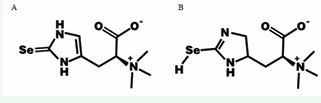
Figure 1 Chemical structure of selenoneine. A. selenoxo form. B. selenol form
Yamashita, is an organic chemist who synthesized artificial compound troposelenon, a non-benzene type aromatic compound containing selenium (Figure 2), during graduate school. Since she came to the Tokai National Fisheries Research Laboratory, selecting bluefin tuna, which has particularly high selenium content, as a research subject, she analyzed selenium content in various organs and the molecular weight of selenium compounds in the muscle. Tuna caught in offshore fisheries have their gills and internal organs removed on the ship. On the other hand, bluefin tuna caught in set-net fisheries in the Sea of Japan could be obtained with blood and internal organs intact. Analysis of selenium concentration in muscle and organs by fluorescence method with 2,3-diaminonaphthalene showed that the blood contained 15.1 mg/kg of Se. The results showed high concentrations of selenium in kidney (11.7 mg/kg), spleen (10.1 mg/kg), dark muscle (surface 6.7 mg/kg, core 7.4 mg/kg), heart (4.8 mg/kg), gills (2.7 mg/kg), brain (1.6 mg/kg), and ordinary muscle (0. 5 mg/ kg) [1]. Furthermore, when the extract of dark muscle was gel-filtered in the presence of glutathione, molecular weight approximately 50,000 glutathione peroxidase (GPx1), a red selenium compound with molecular weight slightly over 10,000, presumed to be ‘selenium-bound myoglobin,’ and unknown low-molecular-weight selenium of less than 1,300 were found (Figure 3). At that time, it was already known that selenium protein W is present in muscle, selenoprotein P in serum, and GPx1 in red blood cells, so it was considered that low-molecular-weight selenium proteins could exist as degradation products of selenoproteins containing selenocysteine.
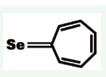
Figure 2 Chemical structure. Troposelone.
During the purification process of selenoneine, when proteins are removed using solvents such as dichloromethane or acetonitrile, SeH groups are generated due to tautomerism. It was considered that the action of non-polar solvents was the cause of dimer formation. It was confirmed by mass spectrometry that the dimer converts to monomer in the presence of physiologically relevant concentrations of reduced glutathione. Selenoneine, which has increased hydrophilicity due to its betaine structure, was stably present in tuna species and in humans. Selenoneine purified from the red muscle of swordfish exhibited 463 times the DPPH radical scavenging activity of Trolox and 895 times that of ergothioneine. Since selenoneine was also found in canned mackerel and tuna, it was evident that it remains stable even under high-temperature, high-pressure sterilization conditions. Ergothioneine, a sulfur-containing analog of selenoneine derived from the blood of bluefin tuna, was discovered in ergot approximately a hundred years ago. Therefore, by combining selenium with ergothioneine, it was named ‘selenoneine’ and reported in the journal. It is abundant in the tissues of red-fleshed fish such as tuna and mackerel, and trace amounts were detected in the internal organs of livestock, such as chicken hearts and pig kidneys (Figure 4). Selenoneine was also present in the blood and internal organs of cetaceans. It was detected in human red blood cells, especially in subjects who frequently consumed fish, indicating that fish are an important source of selenoneine. Recently, a research team in Canada reported that the diet of the fish-eating Inuit population contains high amounts of selenoneine [2-6] (Figure 5). By consuming not only fish but marine mammals such as beluga whales and seals, they were able to take in selenoneine. It has been reported that groups with higher selenium levels in the blood show lower incidence rates of hypertension heart disease, and stroke. Highly unsaturated fatty acids (PUFAs) in fish oil also enhance vascular, cardiac, and brain functions, but since consuming fish also involves the intake of components other than PUFAs, such as selenoneine, the epidemiological analyses reporting the preventive effects of PUFAs on lifestyle-related diseases do not evaluate the biological activity of other functional components including selenoneine. Results from studies on the Inuit in Canada and health surveys of residents on remote islands of Kagoshima Prefecture conducted by the authors show that blood selenium levels are relatively high: 169–354 μg/L in Greenland and Canadian Inuit, 510 μg/L in Kagoshima remote islands, and 244 μg/L in Tokyo [7] (Table 1).
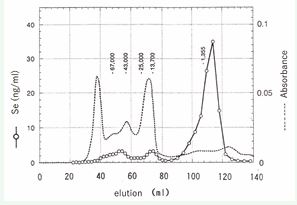
Figure 3 Molecular weight.
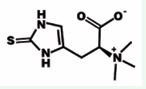
Figure 4 Chemical form of ergothioneine.
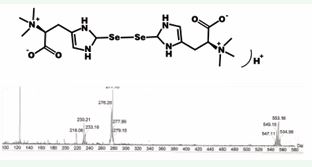
Figure 5 Chemical form of dimer of selenoneine.
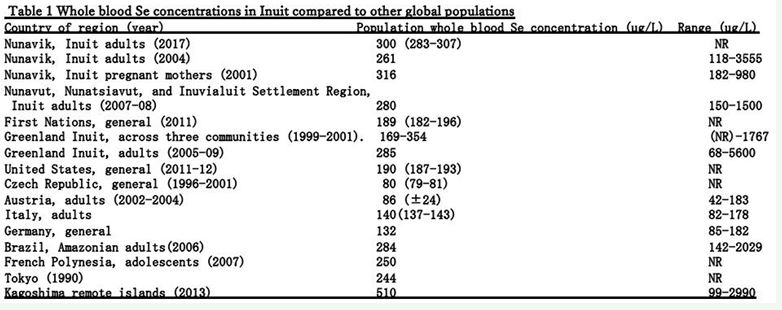
In contrast, in Western countries such as the United States, Czech Republic, Italy, Austria, and Germany, serum selenium levels are much lower, at 80–190 μg/L [7], and it is known that the risk of lifestyle-related diseases increases when serum selenium levels fall below 106 μg/L. Without consuming fish, there is no opportunity to ingest selenoneine. Conventional research on fish consumption and lifestyle-related diseases may overestimate the biological activity of PUFAs and overlook the physiological effects of selenoneine, as suggested by Lund [8]. Therefore, it is necessary to examine the biological antioxidant activity and health-promoting effects of each component derived from fish going forward.
The unique feature of selenoneine as an antioxidant is its biological activity in scavenging hydroxyl radicals. The radical scavenging activity of selenoneine could be measured using synthetic substrates as DPPH radical scavenging activity. It was confirmed that antioxidant compounds in food reduce oxidative stress and exert what is known as biological antioxidant activity in cells and tissues. Subsequently, using commercially available chemical probes, it was found that HPF (hydroxyphenyl fluorescein), which has high specificity for hydroxyl radicals, is optimal, suggesting that hydroxyl radicals, which are the optimal substrate for HPF, are selenoneine’s target molecules [2]. It was observed that when antioxidant substances are taken through the diet, the food-derived antioxidant components are absorbed into the body, enhancing “biological antioxidant activity”, as measured by the redox potential of blood and muscle in farmed fish (Figure 6). In other words, when a feed containing selenoneine is administered, hydroxyl radical scavenging activity improves depending on the concentration of selenoneine, as measured by the redox potential in blood and muscle.
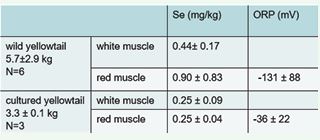
Figure 6 ORP potential of fish muscles.
In other words, administering feed containing selenoneine can improve hydroxyl radical scavenging activity in a selenoneine concentration-dependent manner, allowing the assessment of in vivo antioxidant capacity through measurements of redox potential in blood and muscle. By inserting an ORP electrode into the fish body, it is possible to measure the redox potential within the body. If small electrodes are prepared, it may be possible to measure the in vivo antioxidative activity within cells and tissues. The antioxidant capacity conferred by selenoneine can likely be enhanced through dietary intake. There is potential to develop non-destructive measurement devices and electrodes to measure the antioxidant capacity of living organisms as an indicator of stress. In conclusion, feeding selenoneine to fish such as yellowtail, amberjack, and red sea bream resulted in particularly high accumulation of selenoneine in red blood cells, as well as uptake in muscles and liver, leading to increased activity of glutathione peroxidase. Intake of selenoneine induced the enzymatic activity of GPX1, a selenoprotein. It activated selenoproteins and is utilized in the biosynthesis of selenoproteins, which is estimated to suppress selenium deficiency. Selenoneine is a new type of selenium supplement that specifically targets hydroxyl radicals. Antioxidant components used in food supplements, such as vitamin C, astaxanthin, and ergothioneine, do not participate in scavenging hydroxyl radicals. Selenoneine is a radical scavenger with specificity for hydroxyl radicals.
It can be quantitatively measured using ICPMS and fluorescent probes. It is a non-toxic selenium supplement that can enhance biological antioxidant activity and suppress selenium deficiency. Its application is expected in food, farmed fish, and animals. The raw materials are the internal organs of tuna and migratory fish, as well as dark meat that is not used for consumption. In the tuna industry, this fish meat is of low use and is available in large quantities. Since high concentrations of selenoneine are found in the viscera of tuna and other species in fish processing residues, technology is currently being developed to recover selenoneine from waste products. A new functional material that antioxidants that act when consumed is being developed that enhances biological antioxidant activity and improves hypoxia and oxidative stress tolerance in fish animals, and human.
REFERENCE
- Yamashita Y, Yamashita M. Identification of a novel selenium- containing compound, selenoneine, as the predominant chemical form of organic selenium in the blood of bluefin tuna. J Biol Chem. 2010; 285: 18134-18138.
- Yamashita Y, Presence of selenoprotein in the muscle of bluefin tuna. Proceedings of the United States-Japan cooperation program in natural resources, UJNR protein resource panel in 24th annual meeting. Tsukuba. 1995: 17-24.
- Hu XF, Eccles KM, Chan HM, High selenium exposure lowers the odds ratios for hypertension, stroke, and myocardial infarction associated with mercury exposure among Inuit in Canada, In Environment International. 2017; 102: 200-206.
- Suzuki T, Hongo T, Ohba T, Kobayashi K, Imai H, Ishida H. The relation of dietary selenium to erythrocyte and plasma selenium concentrations in Japanese college women. Nutr. Res. 1989; 9: 839- 848.
- Yamashita M, Yamashita Y, Ando T, Wakamiya J, Akiba S. Identification and determination of selenoneine, 2-selenyl-Nα, Nα, Nα-trimethyl- L-histidine, as the major organic selenium in blood cells in a fish- eating population on remote Japanese islands. Biol Trace Elem Res. 2013; 156: 36-44.
- Little M, Achouba A, Ayotte P, Lemire M. Emerging evidence on selenoneine and its public health relevance in coastal populations: a review and case study of dietary Se among Inuit populations in the Canadian Arctic. Nutr Res Rev. 2025; 38: 171-180.
- Lund EK. Health benefits of seafood; is it just the fatty acids? Food Chem. 2013; 140: 413-420.
- Tofuku T, Ando H, Morishita N, Yamashita N, Kondo M . Dietary intake of selenoneine enhances antioxidant activity in the muscles of the amberjack Seriola dumerili grown in aquaculture. Marine Biotech. 2021; 23: 847-853.