Physicochemical Strategies to Lower Bitterness in Neem Plant: A Tree of 21st Century for Diabetes Management
- 1. Department of Food Science & Human Nutrition, Kinnaird College for Women, Lahore, Pakistan
Abstract
In this era, nutritional related diseases are highly prevalent all across the globe with Pakistan being on 3rd position after China and India in prevalence of diabetes. According to International Diabetes Federation Report (2022) about 26.7% of adult population is diabetic in Pakistan and this alarming situation calls for some sustainable solutions from local resources. In this regards, plants and herbs with medicinal properties are used as effective treatment for diabetes. Among assorted herbal paragon, Azadirachta indica commonly called as Neem has been recognized as an effective and assessable botanical source to curtail the situation. It belongs to family Meliaceae, and is found in South-East Asian countries including India, Pakistan, Nepal & Bangladesh. It has been recognized as a highly esteemed tree of this century with innumerable hidden potential for mankind in terms of its numerous valuable therapeutic properties. The active biological compounds present in different fractions of neem plant represent its activity. Along with the plethora of valuable properties neem plant exhibit, one undesirable aspect i.e. its bitterness hinders its utilization in mainstream of food products. The phytochemical composition of different parts of neem plant represents different level of bitterness and this property was the area under investigation in the present project. Purposely, all the parts of neem plant were quantified for their phytochemical content and antioxidant activity. Different debittering strategies were applied such as stir frying, citric acid solution, boiling and sodium hydroxide solution for various parts of neem plant and their effect on lowering the bitterness was assessed by estimating the bitter compounds as well as adding in model food system. Moreover, extracts from all the neem plant parts were also developed using aqueous and organic solvents. The extracts were prepared from the debittered fractions of neem plant parts and were analysed for their phytochemical composition on qualitative as well as quantitative basis. The findings have shown that bitterness in all fractions of neem plant was reduced significantly, and the products were also acceptable in terms of their organoleptic properties.
Keywords
• Neem Plant • Bitter components • Phytochemicals • Diabetes
INTRODUCTION
Diabetes mellitus is a metabolic disorder characterized by chronic elevated blood glucose levels that could lead to mortality and morbidity. The pathophysiological processes involved in etiology of this disorder may be due to abnormalities that result in insulin resistance or molecular mimicry that results in autoimmune destruction of islet β-cells of Langerhans with consequent insulin deficiency, or both. Insufficient action and deficiency of insulin on peripheral tissues disrupts the metabolism of dietary fats, proteins, and carbohydrates. Worldwide prevalence of diabetes has known to be 382 million according to a global survey conducted and expected to be 592 million by 2035. According to National Diabetes survey of Pakistan 2016-2017 about 26.3% population is suffering from diabetes while 14.4% is pre-diabetic. Currently every 4th person in Pakistan is suffering from diabetes and it has become a disease burden on the state as well as on the family. Conventional treatment options available as synthetic drugs do not meet properly the therapeutic needs for treating diseases such as diabetes. Beside conventional drug therapies, some other methods are also used by individuals to control blood glucose levels. These methods include the use of certain remedies, use of functional foods, innovative snacks etc. A careful meal management is required to maintain blood glucose levels of individuals with Diabetes. Beside main meals, snacking behaviour has shown significant role in the management of blood glucose levels. The composition of snacks is decisive in the glycemic index of the food item. The advancement in the field of functional and nutraceuticals has opened a new horizon to peek into such circumstances and find ways that are effective as well as economical.
In this regard, medicinal plants are presently in demand and their acceptance is increasing progressively. The bioactive moieties present in these sources have high biological and therapeutic values that can be used for health promotion, in prevention of malignant processes and symptoms control. One of these medicinal plants is Neem, scientifically known as Azardirachta Indica. It is a highly esteemed plant that has been known as a miraculous tree due to its potential therapeutic benefits in diabetes management since Vedic times. Most of its benefits are explored and many are yet veiled. Neem fractions are used in Ayurvedic, Folklore and Unani medicines [1,57]. The proximate analysis of neem plant reveals that it comprises of carbohydrates (26-78%), crude protein (1.58- 35%), crude fat (2.07-29.27 %), ash (2.81-18%), moisture content (3-9.50%). Mineral analysis of neem plant reveals that it contains calcium, iron, magnesium, phosphorus, potassium, and sodium. 100g of neem plant contain approximately 170.05- 178.5mg of calcium, 0.14mg of iron, 0.69mg of Magnesium, 28mg of Phosphorus, 25.7 - 180.65 mg of Sodium and 88.9 - 235.65 mg of Potassium [2,56].
The isolation and utilization of active phytochemical compounds have received compensable fame in recent years. Literature has widely supported that Neem contains biochemical components that can help to reduce blood sugar levels, thus beneficial for diabetic patients. The present project has been designed to assess the phytochemistry of different parts of neem plant i.e. leaves, flower, seed, and fruit, followed by their characterization and nutrient profiling. It does include methods to reduce the bitterness to improve the sensory properties of products made with neem incorporation [58-60].
Neem is added to food products to assess the hypoglycaemic potential of all the fractions of neem plant an in-vivo animal model to understand the modulating potential of all the fractions. Debittering of neem plant parts and their incorporation in food products is the main highlight of the process. The components of neem plant have not so palatable taste due to high limonoid content. Limonoids are a class of oxygenated tetranortriterpenoid chemicals that are less frequently found in species from the Simaroubaceae family but more frequently found in species from the Rutaceae, Meliaceae, and Cneoraceae families [61]. Severe bitterness leads to less acceptability of the plant in foods which automatically results in lesser benefits gain of bioactive components of neem plant. Therefore, a careful processing of neem is required to make it acceptable in food products.
Over the last fifty years, extensive research has been conducted on the many qualities of neem; nevertheless, to yet, no information has been found regarding the suitability of any debittering procedure when using neem pulp. This prevents from enjoying many health benefits of this fruit, the most notable of which is its anti-diabetic properties. Consumers today are drawn towards functional foods and are searching for food items that can enhance their natural body resistance against disease, aid in the prevention and/ or support of therapies for specific diseases, improve their mental and physical health, and enhance fitness [62].
The amazing health benefits of neem can be enjoyed only if we [Figure 1], out a way to effectively de-bitter it.

Figure 1 Proximate analysis of Neem Plant parts
Functional snacks, derived from debittered fruits like olives, mosambi, grapefruits offer a compelling fusion of enhanced sensory appeal and nutritional benefits. As Herianus et al., debittered palmyra fruit and prepared functional snacks including chips, stick cracker and jelly sweets from it. Thus, in the present project various low cost and easily applicable techniques have been used to lower bitter components from different neem fractions including its leaves, flowers, fruits, and seeds. And then these debittered components are incorporated in various traditional and most frequently used snacks. Several debittering methods are used, these methods include those available from the previous research along with some modifications. The process includes soaking of neem plant parts, salting, sautéing, dehydrating etc in a systematic manner [63].
MATERIAL AND METHODS
Study was conducted during September-April 2024 at laboratory of Kinnaird college for women university. The study design was experiment in nature. The experimental work was conducted in different Laboratories of Kinnaird College for Women including Food Analysis Lab of Food Science and Human Nutrition Department, Biochemistry Lab, Biotechnology Lab, Environmental Sciences Lab, and Chemistry Lab of the respective departments. Neem tree has a vast habitat and is grown everywhere in Punjab, Pakistan. Thus, for sample procurement (2 kg of neem leaves, flowers), (2.5 kg of fruits and seeds) were collected from a botanical garden in Lahore. All samples were manually sorted to remove the damaged parts, thoroughly washed with water, and divided into portions to apply the debittering techniques. The control and debittered samples of all neem parts were shade dried for 3-4 days, grinded into a fine powder using an electric grinder, sieved through mesh twice to obtain a fine powder, and were stored in labelled polythene bags for further use.
Neem plant characterization
Neem plant parts (leaf, flower, fruit & seed) were characterized based on their proximate, mineral, phytochemical composition along with the antioxidant capacities. Proximate analysis of all four fractions of powdered neem plant (leaves, flowers, fruit and seeds) were performed by AACC (2000).
• For moisture, AACC (2000) Method No. 44-15A,
• Total Ash was estimated by AOAC 900.02A-B, 2006.
• Crude fat Estimated by AACC. (2000) Method No. 30-25,
• For Fiber (AACC. (2000) Method No. 08-03)
• For protein AACC. (2000). Method No. 46-11A,
• FOR NFE AOAC (2016)
• For mineral analysis (AOAC, 2006). (Method No.975.03) (Graphs 1-4).

Graph 1: Comparison of Terpenoid Content in Neem Leaf
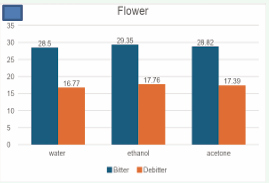
Graph 2: Comparison of Terpenoid Content in Neem Flower

Graph 3: Comparison of Terpenoid Content in Neem Fruit

Graph 4: Comparison of Terpenoid Content in Neem Seed
Antioxidant capacity
Antioxidant capacities of all neem plant parts were estimated by the following tests. The phytochemical and Antioxidant capacities measure by DPPH, FRAP, TPC AND TFC content.
Debittering of Neem Plant Parts
The debittering of neem plant done by salting with stir frying for leaves and flower. The fruit were debitter by Hot water treatment and Sodium bicarbonate treatment (Chakraborty, 2015). Seeds were debitter by Thermal Aqueous Treatment and Acidic Treatment (Jimenez Martinez et. al., 2009).
Neem Plant Parts Extracts
All neem plant parts including the control and their respective debittered samples were extracted using three different solvents (ethanol, acetone and distilled water). The extracts were prepared with 1:5 w/v (sample: solvent) proportion. In a conical flask 20 g of powdered sample were dispersed into 100 ml (80%) solvent and were placed on an orbital shaker on high speed to ensure homogenization for 8-9 hours. The samples were allowed to rest for over 2 nights to ensure maximum extraction of all the samples, followed by filtration using Wattman filter paper, labelled and stored in storage containers at 4oc for further testing [3].
RESULTS
Proximate Analysis of Neem Plant Parts
Table 1-3 shows the results for proximate analysis of all neem plant parts the variations in results revealed significant variation for all the parameters.
Table 1: Treatment Plan for debittered Neem Plant Parts
|
Neem Plant parts |
Treatment |
Labelling |
|
Leaves |
Control |
C.L |
|
Debitter leaves |
L1 |
|
|
Flowers |
control |
C.F |
|
Debitter flower |
F1 |
|
|
Fruit |
control |
C.R |
|
Hot water treatment |
R1 |
|
|
Sodium bicarbonate treatment |
R2 |
|
|
Seeds |
control |
C.S |
|
Thermal aqueous treatment |
S1 |
|
|
Acid treatment |
S2 |
Table 2: Treatment Plan for Extraction of Control & Debittered Neem Plant Parts with Different Solvents
|
Neem Plant parts |
Treatment |
Solvent extraction |
|
Leaves |
Control (CL) |
Water Ethanol acetone |
|
Debitter leaves (L1) |
Water Ethanol acetone |
|
|
Flowers |
Control (CF) |
Water Ethanol acetone |
|
Debitter flower (F1) |
Water Ethanol acetone |
|
|
Fruit |
Control (CR) |
Water Ethanol acetone |
|
Hot water treatment (R1) |
Water Ethanol acetone |
|
|
Sodium bicarbonate treatment (R2) |
Water Ethanol acetone |
|
|
Seeds |
Control (CS) |
Water Ethanol acetone |
|
Thermal aqueous treatment (S1) |
Water Ethanol acetone |
|
|
Acid treatment (S2) |
Water Ethanol acetone |
Table 3: Means for Proximate Composition of Neem Plant Parts
|
Neem Plant Parts |
Moisture (%) |
CHO (%) |
Protein (%) |
Fat (%) |
Ash (%) |
Fiber (%) |
|
C.L |
12.16±1.25B |
47.13±6.54AB |
9.88±0.98B |
11.33±0.76B |
6.00±0.86C |
13.50±0.50B |
|
C.F |
10.50±0.50BC |
54.09±1.04A |
7.24± 0.59C |
7.00±0.00D |
14.0±0.50A |
7.16±1.15C |
|
C.R |
9.58±0.03C |
44.62±0.26B |
6.48±0.18C |
8.46±0.26C |
9.68±0.07B |
21.18±0.12A |
|
C.S |
4.67±0.08 |
40.73±0.49 |
12.10±0.32A |
34.27±0.06 |
4.72±0.07D |
3.51±0.29D |
|
P value |
0.000** |
0.000** |
0.000** |
0.000** |
0.000** |
0.000** |
The crude protein was found to be highest in C.S (12.10±0.32%) and lowest in C.F (6.48±0.18%). However, in contrast to this the moisture content was recorded to be highest in C. L (12.16±1.25%) and lowest in C.S (4.67±0.08%). The highest ash content was found to be in C.F (14.00 ± 0.50%) and lowest in C.S (4.72±0.07%). The highest crude fat was also calculated to be in C.S (29.27±0.06 %) while the lowest in C.F (7.00± 0.00%). The carbohydrate content was recorded to be highest in C.F (54.09±1.04%) and the lowest in C.S (40.73±0.49%). Crude fiber was recorded to be highest in C.S (30.33±0.07 %) while lowest in C.F (7.15± 1.15%) [38-40].
Mineral Analysis of Neem Plant Parts
Table 4 shows the statistical analysis of macro-minerals present in all four parts of neem plant; and it reveals highly significant variations among all (p-value<0.01).
Table 4: Means for Mineral Composition of neem Plant Parts
|
Plants Parts |
Sodium (ppm) |
potassium (ppm) |
calcium (ppm) |
|
C.L |
4.00 ±0.02D |
128.11±0.65B |
6.98 ± 0.62C |
|
C.F |
5.79 ±0.06C |
132.90 ±0.03A |
10.26± 0.23B |
|
C.R |
92.66±0.13A |
126.03 ±0.04C |
16.21 ± 0.06A |
|
C.S |
11.29±0.20B |
72.11±0.08D |
3.92± 0.13D |
|
P value |
0.000** |
0.000** |
0.000** |
Na content (ppm) was found to be highest in neem fruit (92.66) while the lowest in neem leaf (4.00±0.02). Likewise, the results for Potassium were found to be highest for neem flower (132.90±0.03) and lowest for neem seed (72.11±0.08). According to another study conducted by Garba, (2019), the sodium content in neem leaf was calculated to be (5.73 ppm), which is very close to the sodium content value deduced through the current study (4.00 ±0.02). Garba, (2019), also deduced the calcium analysis of neem leaf to be (7.28 ppm), which is close by to the current studies values. The calcium content in the present study depicts highest value in neem fruit (16.21 ± 0.06), followed by flower (10.26± 0.23), leaf (6.98 ± 0.62) and least in seed (3.92± 0.13) [41]. However, the results of the current study cannot be compared much with other studies due to a very scarse mineral composition data available
Phytochemical Analysis of Neem Plant Parts
Table 5 shows statistical data depicting the variation in results of all neem fractions based on their antioxidant potential.
Table 5: Means for Phytochemical Analysis of neem Plant Parts.
|
Plants Parts |
DPPH (Trolox µM/ml) |
TPC (Gallic-acid µg/ml) |
FRAP (Fe (II) µM/g) |
TFC (Catechin mg/ml) |
|
C.L |
5514.0±5.29B |
467.43±0.23D |
4657.5±9.84A |
19.88±0.02A |
|
C.F |
2704.0±3.46D |
506.89±0.23C |
2988.1± 1.02D |
15.96±0.73B |
|
C.R |
2737.3±2.54C |
709.29±0.83A |
2990.7±1.62C |
14.22 ±0.51C |
|
C.S |
8154.0±1.00A |
565.29 ±0.46B |
3079.9±5.87B |
12.89± 0.18D |
|
P value |
0.000** |
0.000** |
0.000 ** |
0.000 ** |
Statistical data represents a highly significant difference (p-value<0.01) among all four-neem fraction for all antioxidant capacity measuring test (DPPH, FRAP) as well as quantification tests for bioactive components (TPC & TFC). According to the DPPH activity results, highest antioxidant activity was recorded in neem seeds (8154.0±1.00), followed by neem leaf (5514.0±5.29), neem fruit (2737.3±2.54) and least by neem flowers (2704.0±3.46), respectively. Similarly, in FRAP analysis highest value was recorded for neem leaf (4657.5±9.84) followed by neem seed (3079.9±5.87) then fruit (2990.7±1.62) and least in flowers (2988.1± 1.02). Total phenolic content was found to be highest in neem fruit (709.29±0.83), followed by neem seeds (565.29 ±0.46), flowers (506.89±0.23) and least in leaves (467.43±0.23). Total Flavonoid content showed descending order ranging from neem leaves to seeds, showing highest content in neem leaves (19.88±0.02) and lowest in neem seeds (12.89±0.18) [33-37].
Phytochemical Quantification & Antioxidant Activity by Different Solvent Extractions of Neem Plant Parts:
Frap Activity of Different Solvent Extracts of Neem Plant Parts:
Table 6 depicts the analysis of variance of phytochemical quantification among water, ethanolic and acetonic extracts of all neem fractions (leaf, flower, fruit & seed).
Table 6: Means for DPPH Activity of Neem Plant Parts Respective to Different Solvent Extractions
|
|
NEEM FRACTIONS |
|
|||
|
Solvent |
Leaf |
Flower |
Fruit |
Seed |
Means |
|
|
(Trolox µM/ml) |
||||
|
Water |
8394.0±1.73B |
3717.3±4.72G |
1517.3 ±5.77K |
4440.7±6.42D |
4517.3B |
|
Ethanol |
7320.7±9.45C |
1125.3±8.08L |
3876.3±4.34F |
2864.0±1.00J |
3796.6C |
|
Acetone |
9150.7±3.78A |
3170.7±3.78H |
3047.3±3.45I |
4010.7±4.04E |
4844.8A |
|
Means |
8288.4A |
2671.1D |
2813.7C |
3771.8B |
|
The statistical results of solvents, neem fractions and solvent*neem fraction show highly significant results for (DPPH, TPC, FRAP, TFC), respectively. In other words, the quantity of phytochemical extracted by each solvent (water, ethanol, acetone) was highly significant from one another for all quantitative measures (DPPH, TPC, FRAP TFC) except for TTC. All neem fractions (leaf, flower, fruit & seed) show noticeable quantitative differences in their phytochemical content for all measures (DPPH, TPC, TFC, FRAP & TTC). According to the statistical data in the above given table 4.5 in the solvent’s perspective, the highest DPPH antioxidant capacity was recorded for acetone (4844.8), followed by water (4517.3) and then ethanol (3796.6). From different neem fraction’s point of view, the highest DPPH antioxidant capacity was recorded to be present in neem leaves (8288.4), followed by neem seed (3771.8), neem fruit (2813.7) and then neem flower (2671.1), respectively.
Table 7 depicts that, from the solvent’s perspective, according to the statistical data in the above given table, the strongest/ highest FRAP antioxidant activity was recorded in acetonic extract (2763.8), followed by water (2378.0) and then in ethanolic extract (2352.6); showing the weakest FRAP antioxidant activity from all neem fractions (leaf, flower, fruit and seed). From different neem fraction’s point of view, the highest FRAP antioxidant activity was recorded to be present in neem flower (3488.1), followed by neem leaves (3478.8), neem fruit (1708.0) and least in neem seeds (1317.4), respectively.
Table 7: Means for FRAP Activity of Neem Plant Parts Respective to Different Solvent Extractions.
|
|
NEEM FRACTIONS |
|
|||
|
Solvent |
leaf |
flower |
fruit |
seed |
Means |
|
|
(Fe (II) µM/g) |
||||
|
Water |
3919.5±0.02B |
3723.5±0.10BC |
1076.0±0.00I |
792.8± 0.00J |
2378.0B |
|
Ethanol |
3619.6±0.19C |
2568.2±0.00E |
1844.5± 0.0G |
1378.0±0.0H |
2352.6B |
|
Acetone |
2897.3 ± 0.00D |
4172.7 ±0.15A |
2203.5±0.00F |
1781.6 ± 0.00G |
2763.8A |
|
Means |
3478.8B |
3488.1A |
1708.0C |
1317.4D |
|
The most efficient, reliable, and sensitive technique for assessing antioxidant activity in plant samples is the free radical scavenging assay, which uses spectrophotometry to measure the absorbance of DPPH stable radicals (Waghulde et al., 2011). According to Sani and Baburo’s 2020 study, neem seed oil extract exhibits highest scavenging activity of 68.30% at a concentration of 200μg/ ml. However, scavenging activity was found to be lower in the finding reported by Ramamurthy et al. (2012) using a different solvent of Solanum torvum fruit at 500 µg/ml. This outcome is in accordance with the research done by Kiranmai et al. (2012), which showed that the plant’s seed extract had a lower IC50 than its flower extract.
Tpc (Total Phenolic Content) of Different Solvent Extracts of Neem Plant Parts
Tfc (Total Flavonoid Content) of Different Solvent Extracts of Neem Plant Parts:
Table 8 shows the statistical data in the solvent’s perspective, the highest TPC content was observed for acetone (564.56) followed by ethanol (505.29) and then water (389.46).
Table 8: Means for TPC of Neem Plant Parts Respective to Different Solvent Extractions.
|
|
NEEM FRACTIONS |
|
|||
|
Solvent |
Leaf |
Flower |
Fruit |
Seed |
Means |
|
|
(Gallic acid µg/ml) |
||||
|
Water |
443.43± 0.23H |
443.96 ± 0.00H |
447.29± 0.23G |
223.1±0.04K |
389.6C |
|
Ethanol |
600.76 ±0.00B |
533.03± 1.22F |
569.43± 1.00D |
317.96±0.02J |
505.2B |
|
Acetone |
589.43 ±0.23C |
560.76±0.00E |
748.63±1.00A |
359.43±0.24I |
564.6A |
|
Means |
544.54B |
512.58C |
588.45A |
300.18D |
|
From different neem fraction’s point of view, the highest TPC content was recorded in neem fruit (588.45), followed by neem leaf (544.54), neem flower (512.58) and then neem seed (300.18), respectively.
Table 9 shows that, from the solvent’s perspective, according to the statistical data in the above given table, the strongest/ highest flavonoid content extraction capacity was recorded for ethanol (20.060), followed by acetone (19.43) and then water (5.11) ; showing the weakest TFC extraction capacity from all neem fractions (leaf, flower, fruit and seed). From different neem fraction’s point of view, the highest flavonoid content was recorded to be present in neem leaves (22.43), followed by neem fruit (17.42), neem flower (12.82) and then least neem seeds (6.79).
Table 9: Means for TFC of Neem Plant Parts Respective to Different Solvent Extractions.
|
|
NEEM FRACTIONS |
|
|||
|
Solvent |
leaf |
flower |
fruit |
seed |
Means |
|
|
(Catechin mg/ml) |
||||
|
Water |
12.22±0.15G |
1.85± 0.00L |
2.94± 0.02K |
3.41±0.01J |
5.11C |
|
Ethanol |
30.78±0.02A |
16.97±0.0F |
23.29±0.01D |
9.21±0.01H |
20.06A |
|
Acetone |
24.30±0.19C |
19.65±0.10E |
26.02±0.01B |
7.74±0.01I |
19.43B |
|
Means |
22.43A |
12.82C |
17.42B |
6.79D |
|
Comparison of Bitter Component (Terpenoids) in Different Solvent Extraction of Neem Plant Parts
Ttc (Total Terpenoid Content) of Different Solvent Extracts of Neem Plant Parts: Table 10 shows that from the solvent’s perspective, according to the statistical data in the above given table, the strongest/ highest terpenoid content extraction capacity was recorded for acetone (29.73), followed by ethanol (29.72) and then water (28.80). However, acetonic and ethanolic extraction shows similar results. From different neem fraction’s point of view, the highest terpenoid content was recorded to be present in neem seeds (29.98), followed by neem leaves (29.62), neem fruit (29.17) and then least in neem flower (28.89).
Table 10: Means for TTC of Neem Plant Parts Respective to Different Solvent Extractions.
|
|
NEEM FRACTIONS |
|
|||
|
Solvent |
Leaf % |
Flower % |
Fruit % |
Seed % |
Mean |
|
Water |
29.15±0.23 BC |
28.50±0.03C |
28.69±0.41B |
28.85±0.4BC |
28.80B |
|
Ethanol |
30.61±0.20A |
29.35±0.01B |
28.50±0.23C |
30.43±0.02A |
29.72A |
|
Acetone |
29.10±0.13BC |
28.82±0.6BC |
30.33±0.33A |
30.68±0.23A |
29.73A |
|
Means |
29.62B |
28.89C |
29.17C |
29.98A |
|
The above graphs show the change in terpenoids content of bitter and debitter neem plant fractions extracted with different solvents. The debitter fractions contain less terpenoids content as compared to the bitter (Control) neem fractions. Terpenoids are the majority among the secondary metabolites present in the neem. Neem is known to produce a bewildering array of specialized terpenoid metabolites based on a myriad of skeletal isoprenoid structures and functional group combinations [4]. The result was supported by [5], who shows the different debittering techniques influences terpenoids content. Terpenoids are the lipid-based content that was found in different fraction so that proves to be the reason for its high extraction yield by organic solvent like ethanol and acetone. In this study our aim was not to remove the bitter components like terpenoids & alkaloids completely but to rather, reduce their quantity in different fraction to enhance the acceptability of this super food among consumers [51-55].
DISCUSSION
Phytochemicals are non-nutritive substances we gain from plants. They do not provide any nutritive benefit, however, are highly beneficial for the healthy functioning of the body. Azadirachta Indica contains an abundance of beneficial chemicals as it constitutes of more than 30.33±0.33A 29.17C 30.43±0.02A 30.68±0.23A 29.98A 28.80B 29.72A 29.73A identified by Bharat P [14], that the compounds contained are phenols, flavonoids, and tannins. So based on the above 300 chemicals that are sourced from different parts of plant. Phenolic acids and flavonoid compounds have been reported to be the main phytochemical responsible for the antioxidant capacity of fruits and the antioxidant capacities of fruits and vegetables are due to primarily non-vitamin-C phytochemicals [6]. It is interesting to observe the correlation between the phenolic content and the antioxidant activity in plant extracts since phenolic compounds contribute directly to antioxidant activity [7]. The phenol content of a plant depends on a few intrinsic (genetic, extracting solvent) and extrinsic (environmental, handling and development stage) factors [8]. According to the results, a noticeable difference was found in the bitter components [9,10] of CL and L1 samples. This depicts that the debittering techniques applied to the neem leaf samples were beneficial in lowering the bitterness of the sample, as the terpenoids and alkaloid content (which imparts bitterness) in control samples was higher than the debittered ones [47-50].
Likewise Atawodi [11], Stated that neem leaves contain saponins, tannins, phenols, alkaloids and flavonoids. [12]. observed that the extract of the neem leaf contains alkaloids, saponins, steroids, flavonoids and tannins. Research conducted by Bashir N [13], states that neem leaves contain steroids, polyphenols, glycosides, essential oils, carotenoids, and fatty acids. Neem leaves were re-identified by Bharat P [14], that the compounds contained are phenols, flavonoids, and tannins. So based on the above research, the extract on the neem leaves has the potential to produce phenolic and flavonoid compounds.
Results of current study were found to be consistent with results deduced by Blainski A [15]. Where he calculated the alkaloid content in neem leaf to be (12.22%). The studies also states that alkaloids have diverse functions and some acts as pain relievers, anti- tumors, stimulants, etc. [25 30]. They also uniformly invoke a bitter taste (Rhoades, 1976). It reduces blood pressure, kills tumor cells, stimulate circulation and respiration [16,31,32]. At very high level, it exerts toxicity and adverse effects, especially in physiological and neurological activities (example rapid heartbeat and paralysis) which can lead to death [15]. This analysis shows that the terpenoid content of control leaf sample is slightly higher than the debittered leaf sample. However, there exists a marked difference between the alkaloid content of control leaf and debittered leaf. The bitterness of neem is largely attributed to its limonoid content [17]. Limonoids include azadirachtin, nimbi, nimbolin etc, many of which are terpenoids in nature [5]. The reduction of bitterness automatically suggests that the terpenoid content is reduced which is shown by the analysis done in this research that a, marked difference in terpenoid and alkaloid content is found in both the samples [63,64].
CONCLUSION
Characterization of neem plant has revealed nutrient dense composition of all neem plant parts especially its leaf & fruit. Furthermore, the antioxidant content of all neem plant parts was assessed through DPPH & FRAP assay, and it was found that fruit and seed of neem plant exhibited highest values. TPC was found to be highest in neem fruit (709.29±0.83) [42-46]. According to the DPPH assay neem seeds (8154.0±1.00) had the highest antioxidant capacity among all other parts of neem plant. Antioxidants were quantitatively measured in water, ethanolic and acetonic extracts of all neem plant parts. However, for both TPC (564.6) and DPPH assay (4844.8), acetonic extract showed highest value among all other solvents. The bitterness in neem plant is imparted due to the terpenoids & alkaloids present in neem [18-20]. This Bitterness of neem was also reduced by applying different physicochemical methods to make effective utilization of this miracle tree in food stream. Comparison of terpenoid content among the control and debittered neem plant parts revealed a drop in values which depicts the effectiveness and importance of debittering techniques. The results for terpenoid content revealed the most effective method for debittering different neem plant parts. Salting with stir frying was the most appropriate technique for debittering neem leaf (TTC dropped to 29.10 from 29.96%) and flower (TTC dropped to 29.18 from 29.92%). For fruit, sodium bicarbonate treatment (R2); (TTC dropped to 21.4 from 30.6%) while for seeds the citric acid treatment (S2); (TTC dropped to 29.24 from 32.70%) were the most effective among other debittering techniques [19-22,64].
AUTHORS CONTRIBUTION STATEMENTS
Ramsha Rafiq, and Nishwa Anwar executed the filed research and laboratory analyses whereas, Nadia Akram and Mahnaz Nasir Khan Conceived and supervised the work.
ACKNOWLEDGEMENT
Authors acknowledge the funds provided by Higher Education Commission of Pakistan.
REFERENCES
- Abdul Basit, Asher Fawwad, Huma Qureshi, AS Shera, NDSP Members. Prevalence of diabetes, pre-diabetes and associated risk factors: Second National Diabetes Survey of Pakistan (NDSP) 2016–2017. BMJ. 2017; 1: 1-12.
- Abioye VF, Akande EA, Aluko BO. Effects of different local debittering methods on some chemical components and antioxidants in bitter leaf (Vernonia amygdalina). Int J Res Chem Env. 2014; 4: 96-101.
- Airaodion AI, Olatoyinbo PO, Ogbuagu U, Ogbuagu EO, Akinmolayan JD, Adekale OA, et al. Comparative assessment of phytochemical content and antioxidant potential of Adirachoxidantta and Parquetinanigrescens leaves. APRJl. 2019; 2: 1-14
- Aiyelaagbe OO, Osamudiamen PM. Phytochemical screening for active compounds in Mangifera indica leaves from Ibadan, Oyo State. Plant Sci Res. 2009; 2: 11-13.
- Ajayi IA, Ajibade O, Oderinde RA. Preliminary phytochemical analysis of some plant seeds. Res J Chem Sci. 2011; 1: 58-62.
- Al-Jadidi HSK, Hossain MA. Studies on total phenolics, total flavonoids and antimicrobial activity from the leaves crude extracts of neem traditionally used for the treatment of cough and nausea. Beni-Suef University J Basic Appl Sci. 2015; 4: 93-98.
- Alzohairy AM. Therapeutic role of Azadirachta indica (neem) and their active constituents in disease prevention and treatment. Evidence-Based Complementary and Alternative Medicine. 2016; 2: 2-5.
- Ampode KMB, Asimpen SM. Neem (Azadirachta indica) leaf powder as phytogenic feed additives improves the production performance and immune organ indices of broiler chickens. J Animal Health Production. 2021; 9: 362-370.
- Gupta AK, Sahu PP, Mishra P. Ultrasound aided debittering of bitter variety of citrus fruit juice: Effect on chemical, volatile profile and antioxidative potential. Ultrasonics Sonochemistry. 2021; 81
- Atangwho IJ, Ebong PE, Eyong EU, Williams IO, Eteng MU, Egbung GE. Comparative chemical composition of leaves of some antidiabetic medicinal plants: Azadirachta indica, Vernonia amygdalina and Gongronema latifolium. Afr J Biotechnol. 2009; 8: 4685-4689.
- Atawodi SE, Atawodi JC. Azadirachta indica (neem): A plant of multiple biological and pharmacological activities. Phytochemistry Reviews. 2009; 8: 601–620.
- Azizah AH, Wee KC, Azizah O, Azizah M. Effect of boiling and stir frying on total phenolics, carotenoids and radical scavenging activity of pumpkin (Cucurbita moschato). Int Food Res J. 2009; 16: 45-51.
- Bashir N, Bhat MA, Dar BN, Shah MA. Effect of different drying methods on the quality of tomatoes. Adv Food Sci. 2014; 36: 65-69.
- Bharat P, Sagar R, Sulav R, Ankit P. Investigations of antioxidant and antibacterial activity of leaf extracts of Azadirachta indica. Afr J Biotechnol. 2015; 14: 3159-3163.
- Blainski A, Lopes GC, De Mello JCP. Application and analysis of the Folin–Ciocalteu method for the determination of total phenolic content from Limonium brasiliense. Molecules. 2013; 18: 6852-6865.
- Blessing A, Agbawa LO, Okoli BE. Comparative phytochemical screening of Jatropha species in Niger Delta. Res J Phytochem. 2011; 1: 1-8.
- Chakraborty VT. Efficacy of various techniques on biochemical characteristics and bitterness of pummelo juice. J Food Sci Technol. 2015.
- Chen J, Fan X, Zhu J, Song L, Li Z, Lin F, et al. Limonoids from seeds of Azadirachta indica A Juss and their cytotoxic activity. Acta Pharmaceutica Sinica B. 2018; 8: 639-644.
- Chen Z, Bertin R, Froldi G. EC50 estimation of antioxidant activity in DPPH assay using several statistical programs. Food Chem. 2013; 138: 414-420.
- Cheynier V. Phenolic compounds: From plants to foods. Phytochemistry Rev. 2012; 11: 153-177.
- Das S, Chaudhary S, Mishra S, Mishra A. Azadirachta indica (neem) seed oil: A potential therapeutic agent for the management of diabetes and its complications. J Diabetes Res. 2020; 2020.
- Dash SP, Dixit S, Sahoo S. Phytochemical and biochemical characterizations from leaf extracts of Azadirachta indica: An important medicinal plant. Biochem Analytical Biochem. 2017; 6: 323.
- Datta A. Functionality of Azadirachta indica A Juss (neem) in beverages. 2016.
- Datta A, Grün IU, Kwasniewski MT, Fernando LN. Comparison of two adsorbent-based de-bittering procedures for neem (Azadirachta indica A Juss) tea: Effect on polyphenols, antioxidant capacity, color and volatile profile. Plant Foods for Human Nutrition. 2017; 72: 88- 95.
- Datta A, Grün IU, Kwasniewski MT, Fernando LN. Comparison of two adsorbent-based de-bittering procedures for neem (Azadirachta indica) tea: Effect on polyphenols, antioxidant capacity, color and volatile profile. Plant Foods for Human Nutrition. 2017; 72: 88-95.
- Dele OS, Sunday A, Ajoke OB. Phytochemical profile and proximate composition of Azadirachta indica (A Juss) harvested at different times of the day. Int J Herbal Med. 2020; 8: 07-11.
- Dhakal S, Aryal P, Aryal S, Bashyal D, Khadka D. Phytochemical and antioxidant studies of methanol and chloroform extract from leaves of Azadirachta indica A Juss in tropical region of Nepal. J Pharmacognosy and Phytotherapy. 2016; 8: 203-208.
- Dharajiya D, Pagi N, Jasani H, Patel P. Antimicrobial activity and phytochemical screening of Aloe vera (Aloe barbadensis Miller). Int J Current Microbiol Appl Sci. 2017; 6: 2152-2162.
- Djibril D, Mamadou F, Gérard V, Geuye MDC, Oumar S, Luc R. Physical characteristics, chemical composition and distribution of constituents of neem seeds (Azadirachta indica A Juss) collected in Senegal. Res J Chem Sci. 2015; 3: 606-612.
- Duh PD. Antioxidant activity of water extract of four Harng Jyur (Chrysanthemum morifolium Ramat) varieties in soybean oil emulsion. Food Chem. 1999; 66: 471-476.
- Eid J, Jaradat N, Elmarzugi N. A review of chemical constituents and traditional usage of neem plant (Azadirachta indica). Palestinian Medical and Pharmaceutical J. 2017.
- Emojorho EE, Akubor PI. Effect of debittering methods on the proximate composition, sensory and functional properties of orange (Citrus sinensis) seed flour. IOSR J Environmental Science, Toxicology and Food Technology. 2016; 10: 09-16.
- Faruq UZ, Adul-Malik M, Dabai YU. Antibacterial activity of crude anthraquinone extract of Senna italica leaves. Bioscience Res Commun. 2004; 16: 7-13.
- Fratianni F, Tucci M, De Palma M, Pepe R, Nazzaro F. Polyphenolic composition in different parts of some cultivars of globe artichoke (Cynara cardunculus L var scolymus). Food Chem. 2007; 104: 1282- 1286.
- Garba S, Mungadi HU. Quantitative chemical compositions of neem (Azadirachta indica) leaf aqueous extracts in Sokoto, Nigeria. Int J Res Scientific Innovation. 2019; 6: 2321-2705.
- Guo C, Yang J, Wei J, Li Y, Xu J, Jiang Y. Antioxidant activities of peel, pulp and seed fractions of common fruits as determined by FRAP assay. Nutrition Res. 2003; 23: 1719-1726.
- Hasler CM. Functional foods: Benefits, concerns and challenges—A position paper from the American Council on Science and Health. The J Nutr. 2002: 3772-3781.
- Irshad M, Ahmad I, Goel HC, Rizvi MMA. Phytochemical screening and high-performance TLC analysis of some cucurbits. Res J Phytochem. 2010; 4: 242-247.
- Kelechi AJ, Chukwuemeka AI, Oluchi AL, Mayomi T. Effect of traditional methods of de-bittering on the proximate and vitamin contents of fresh and squeezed-washed bitter leaf. Int J Nutr Food Sci. 2015; 4: 103-110.
- Kim S, Chen J, Cheng T, Gindulyte A, He J, He S, et al. PubChem 2019 update: Improved access to chemical data. Nucleic Acids Res. 2019; 47: D1102–D1109.
- Kiranmai M, Sri U, Ibrahim M, Kumar CBM. Antioxidant activity and total flavonoids content of different parts of Azadirachta indica A Juss. J Med Plants Res. 2012; 6: 5737-5742.
- Kumar AS, Bose KSC, Kumar KP, Raghavan S, Murali PM. Terpenoids and its commercial utility from neem: The nature’s own pharmacy. Asian J Chem. 2014; 26: 4940.
- Kumar D, Rahal A, Malik JK. Neem extract. In: Nutraceuticals. Academic Press. 2016: 585–597.
- Kumar P, Chatli MK, Mehta N, Malav OP, Verma AK, Kumar D. Quality attributes and storage stability of chicken meat biscuits incorporated with wheat and oat bran. J Food Quality. 2016; 39: 649-657.
- Kumar R, Sharma S, Devi L. Investigation of total phenolic, flavonoid contents and antioxidant activity from extracts of Azadirachta indica of Bundelkhand region. Int J Life Sciences Scientific Res. 2018; 4: 1716.
- Maithani A, Parcha V, Pant G, Dhulia I, Kumar D. Azadirachta indica (neem) leaf: A review. J Pharmacy Res. 2011; 4: 1824-1827.
- Mallikharjuna PB, Rajanna LN, Seetharam YN, Sharanabasappa GK. Phytochemical studies of Strychnos potatorum Lf: A medicinal plant. J Chem. 2007; 4: 510-518.
- Mohammed AM, Mohammed EA. Effect of processing methods on alkaloids, phytate, phenolics, antioxidant activity and minerals of newly developed lupin (Lupinus albus L) cultivar. J Food Processing and Preservation. 2017.
- Nahak G, Sahu R. Evaluation of antioxidant activity of flower and seed oil of Azadirachta indica A Juss. JANS. 2011; 3: 78-81.
- Oskoueian E, Abdullah N, Saad WZ, Omar AR, Ahmad S, Kuan WB, et al. Antioxidant, anti-inflammatory and anticancer activities of methanolic extracts from Jatropha curcas Linn. J Medicinal Plants Res. 2011; 5: 49-57.
- Pandey G, Verma K, Singh M. Evaluation of phytochemical, antibacterial and free radical scavenging properties of Azadirachta indica (neem) leaves. Int J Pharmacy Pharmaceut Sci. 2016; 6: 444– 447.
- Patil SM, Shirahatti PS, Ramu R. Azadirachta indica A Juss (neem) against diabetes mellitus: A critical review on its phytochemistry, pharmacology and toxicology. J Pharm Pharmacol. 2022; 74: 681-710.
- Peng C, Li R, Ni H, Li LJ, Li QB. The effects of α-L-rhamnosidase, β-D- glucosidase and their combination on the quality of orange juice. J Food Processing Preservation. 2021; 45: 15-26.
- Prior RL, Cao G, Martin A, Sofic E, McEwen J, O’Brien C, et al. Antioxidant capacity as influenced by total phenolic and anthocyanin content, maturity and variety of Vaccinium species. J Agricultural Food Chem. 1998; 46: 2686-2693.
- Ramamurthy CH, Kumar MS, Suyavaran VSA, Mareeswaran R, Thirunavukkarasu C. Evaluation of antioxidant, radical scavenging activity and polyphenolics profile in Solanum torvum L fruits. J Food Sci. 2012; 77: 907-913.
- Ren W, Qiao Z, Wang H, Zhu L, Zhang L. Flavonoids: Promising anticancer agents. Med Res Rev. 2003; 23: 519-534.
- Virshette SJ, Patil MK, Deshmukh AA, Shaikh JR. Phytochemical analysis of different extracts of Azadirachta indica leaves. Int J Pharmaceutical Sci Review Res. 2019; 59: 161-165.
- Sani YAAIA, Baburo AJS. Phytochemical analysis and antioxidant activity of flower and seed oil extract of Azadirachta indica (neem). Int J Scientific Res Dev. 2020; 7: 1.
- Suleiman MS, Sani A, Abubakar A. Debittering of neem (Azadirachta indica) seeds using aqueous and alkaline treatments. J Food Sci Technol. 2013; 50: 1178-1182.
- Sun H, Mu T, Xi L, Song Z. Effects of domestic cooking methods on polyphenols and antioxidant activity of sweet potato leaves. J Agricultural and Food Chem. 2014; 62: 8982-8989.
- Tonfack Djikeng F, Selle E, Morfor AT, Tiencheu B, Hako Touko BA,Teboukeu Boungo G, et al. Effect of boiling and roasting on lipid quality, proximate composition and mineral content of walnut seeds (Tetracarpidium conophorum). Food Sci Nutr. 2018; 6: 417-423.
- Waghulde H, Kamble S, Patankar P, Jaiswal B, Pattanayak S, Bhagat C, et al. Antioxidant activity, phenol and flavonoid contents of seeds of Punica granatum and Solanum torvum. Pharmacologyonline. 2011; 1: 193-202.
- Yadav DK, Bharitkar YP, Chatterjee K, Ghosh M, Mondal NB, Swarnakar S. Importance of neem leaf: An insight into its role in combating diseases. 2016.
- Zhong Y, Shahidi F. Methods for the assessment of antioxidant activity in foods. In: Handbook of Antioxidants for Food Preservation. Woodhead Publishing. 2015: 287-333.