Unlocking the Anticancer Potential of Legumes and Beans: Exploring Phytconstituents and Oncological Properties
- 1. Department of Food Science and Human Nutrition, Kinnaird College for Women University, Pakistan
Abstract
The rising incidence of cancer is often linked to the adoption of a Westernized diet, characterized by high fat, animal protein, and refined carbohydrates. While diet itself might not be a direct carcinogen, it can influence and exacerbate carcinogenic processes. In contrast, traditional healthy diets in numerous regions worldwide incorporate legumes as a significant component due to their substantial nutritional value and therapeutic effects, designating them as nutraceuticals. Legumes, renowned for their low-fat content, rich protein profile, dietary fiber, and diverse micronutrients and phytochemicals, have prompted speculation regarding their potential to mitigate tumor risks if consumed sufficiently. This review aims to investigate the potential role of lentils and beans, focusing on their constituent phytochemicals responsible for cancer prevention and treatment. Phytoconstituents such as dietary fiber, resistant starch, phenolic compounds, phytosterols, and oligosaccharides present in pulses are known contributors to their anticancer properties. However, while recognizing the potential anticancer nature of pulses, the mechanisms underlying their action remain ambiguous within conventional use. The review underscores the need to elucidate the quantitative impact of pulses in reducing cancer risk and emphasizes leveraging their cancer-preventive constituents in the development of food-derived medicines. The synthesis of existing literature highlights the promising anticancer properties of lentils and beans due to their diverse phytoconstituents. Nonetheless, the lack of comprehensive understanding regarding their mechanisms of action necessitates further research. Quantifying their contribution to reducing cancer risk and harnessing their cancer-preventive constituents for therapeutic purposes represent crucial avenues for future exploration. Ultimately, bridging these knowledge gaps will not only enhance our comprehension of the oncological properties of pulses but also potentially pave the way for novel cancer-preventive strategies and therapeutic interventions derived from these nutritional powerhouses.
Keywords
• Cancer prevention; Oncological properties; Lentils, Beans, Western diet, Nutraceuticals, Phytoconstituents, Anticancer, Dietary fiber, Phytochemicals, Mechanisms of action, Cancer risk, Food-derived medicines, Traditional diets, Micronutrients
Citation
Imran M (2026) Unlocking the Anticancer Potential of Legumes and Beans: Exploring Phytconstituents and Oncological Properties. J Hum Nutr Food Sci 11(1): 1205.
INTRODUCTION
Legumes, particularly lentils and beans, have long been recognized as essential components of a healthy diet owing to their nutritional richness and potential health benefits. These legumes are renowned for their significant contribution to overall dietary quality due to their high content of macronutrients, micronutrients, and various bioactive compounds. In recent years, extensive research has shed light on the remarkable oncological properties inherent in lentils and beans, prompting interest in their potential role in cancer prevention and treatment.
Lentils and beans are esteemed for their composition, comprising an array of bioactive compounds such as saponins, phytates, lectins, and phytoestrogens, among others. These bioactive compounds have been identified and investigated for their promising implications in combating various types of cancer. For instance, saponins derived from lentils and beans have exhibited anticancer properties by inducing apoptosis and inhibiting cell proliferation, as outlined by Ren et al. [1] and Bhardwaj A [2]. Similarly, phytates present in these legumes possess antioxidant properties and have been associated with inhibiting cancer cell growth, as documented by Gupta [3] and Campos-Vega R [4].
Moreover, lectins found in lentils and beans have shown promise in interfering with cancer cell growth and inducing apoptosis, suggesting their potential role in inhibiting tumor growth, as demonstrated by Zhang and Nasi M [5,6]. The bioactive compound Bowman-Birk inhibitors, identified in these legumes, have been linked to inhibiting proteases involved in tumor invasion and metastasis, thereby potentially suppressing metastasis and inhibiting tumor progression [7,8].
Apart from these bioactive compounds, lentils and beans are valued for their chemical composition and nutritional richness. They are abundant in essential nutrients such as proteins, fibers, vitamins (e.g., folate, vitamin B6), and minerals (e.g., iron, magnesium, potassium), contributing significantly to a well-balanced diet. Lentils and beans are also characterized by their low-fat content, making them an ideal component of a healthy eating pattern. The nutritional value of these legumes is well-documented and widely acknowledged for their role in promoting overall health and well-being.
In addition to their nutritional value, the chemical composition of lentils and beans is characterized by the presence of phytochemicals that contribute to their health-promoting properties. These phytochemicals include flavonoids, polyphenols, and carotenoids, which exhibit antioxidant and anti-inflammatory activities, potentially playing a role in cancer prevention. The synergistic effects of these phytochemicals with the bioactive compounds found in lentils and beans contribute to their potential anticancer properties.
In conclusion, the abundance of bioactive compounds, coupled with the rich nutritional and chemical composition of lentils and beans, underscores their potential significance in oncology. Understanding their diverse bioactive compounds, nutritional value, and chemical composition lays the foundation for exploring their promising role in cancer prevention and treatment strategies
LITERATURE REVIEW
Cancer, a fatal disease, is spreading extensively across both developed and developing nations. This intricate genetic condition can stem from exposure to cancer-causing elements found in various sources like food, water, air, chemicals, and sunlight. Studies in epidemiology point to a correlation between cancer and diet, indicating that the consumption of certain foods heightens the likelihood of developing cancer. Research indicates that many food types elevate the risk of cancer, with higher mortality rates observed in areas where people consume diets rich in total fat, animal proteins, and carbohydrates [9]. The resilience of mammalian tumor cells against traditional cancer treatments, coupled with the high cost and severe side effects linked to these therapies has diminished their effectiveness in clinical settings. While scientific advancements in cancer treatments have been substantial, there’s an urgent necessity for the discovery and development of more efficient anticancer therapies with minimal side effects. Phytoconstituents, whether in the form of extracts, fractions, or pure components, show promising potential compared to current cancer therapies [10]. This review emphasizes the significance of pulses in both preventing and treating cancer. Additionally, it delves into the specific phytoconstituents found in pulses that contribute to their anticancer properties. Furthermore, the review outlines how food and diet can influence the likelihood of developing cancer [11].
Relationship between cancer and diet
The link between cancer and diet relies on the specific type of diet an individual follows. While the food itself may not directly cause cancer, it can enhance the effects of carcinogens [10]. Epidemiological studies have highlighted the impact of food and nutritional intake on cancer. Carbohydrates, proteins, and fats are the primary sources of energy for the body. Consuming an excessive amount of energy from these sources, whether separately or in combination, heightens the likelihood of developing cancer [12].
High fat: In addition to functioning as a supplier of estrogen and oxidants, fat contributes to the development of various cancers, notably breast and colon cancer. However, its relationship with cancers of the ovaries, endometrium, testes, kidney, and prostate is less uniformly established. There is a minor or adverse link between fat intake and stomach and liver cancers. An increase of 10% in fat content raises the likelihood of breast cancer recurrence by 4 to 8 times [13]. The impact of consuming high levels of saturated fats from animal products and processed fats from vegetables, which often contain transdouble bonds and n-6 PUFAs like linoleic acid, seems to amplify the promotion stage of cancer development in preclinical models of breast and prostate cancers. Furthermore, these processed fats also elevate the risk of colon cancer in humans by triggering the secretion of mutagenic secondary bile acids [14]. Colorectal cancers are strongly linked to a high-fat diet. Fatty acids in marine food sources have been indicated to lower the risk of breast and prostate cancer. However, the available literature lacks adequate and dependable data to support this claim. Research also suggests that various other fats, including n-3 fatty acids and n-3 PUFAs (like a-linolenic acid, eicosapentaenoic acid, and docosahexaenoic acid), demonstrate an inverse relationship with cancer risks. One specific monounsaturated fatty acid (MUFA), oleic acid, identified in olive oil, exhibits potential in inhibiting the development of cancer, particularly breast cancer [15].
High protein: Animal-based protein, particularly from processed and red meats like beef, demonstrates a close and notably positive correlation with various cancer types.The consumption of animal proteins shows a positive link with breast, ovary, prostate, colon, and large bowel cancers. This correlation might be attributed to the impact of cooking methods such as frying and boiling on the dietary haem present in red meat at high temperatures, or the influence of meat on hormone metabolism. Numerous scientific studies have established a positive connection between high protein intake and colorectal cancer. Conversely, it exhibits a negative relationship with gastric cancer. Despite these findings, several epidemiological studies suggest that a high protein diet does not heighten the risk of cancer [16].
Refined carbohydrates: Dietary carbohydrates encompass starches (e.g., bread, pasta, and various grains), non-starch polysaccharides (a primary component of dietary fiber), and sugars. Firstly, sugars significantly diminish the immune system’s efficacy, potentially leading to an abnormal immune response to carcinogens. Secondly, the breakdown of excessive carbohydrates into energy necessitates an excess of insulin, which may initiate breast cancer similar to the way estrogen functions. Elevated levels of insulin and insulin-like growth factors significantly heighten the risk of colorectal, prostate, and premenopausal breast cancer. However, certain studies investigating colon and breast cancer failed to establish a direct association between diets high in glycemic load/ sugar and cancer. Numerous other dietary components might have minor or misleading effects on cancer risk, such as calcium, dairy products, among others [17].
Pulses and beans
Although animal proteins are recognized as one of the most abundant sources of proteins, their high cost makes them inaccessible to the economically disadvantaged population. Legumes, often referred to as the “poor man’s meat,” serve as an excellent and affordable source of slowly released carbohydrates, rich proteins, minerals, and vitamins. Legumes are categorized into three main groups: grains, peas, and beans. Whole, dehusked, and split grains (commonly referred to as dhals) are widely utilized for human consumption. The germination of legumes leads to an increase in their vitamin C levels, and in some cases, it also enhances riboflavin and niacin content [18]. During germination, the activity of several enzymes like amylase, protease, phytase, and lipase experiences an elevation. Applying heat to food enhances its taste and increases the accessibility of nutrients. Pulses not only serve a significant role in human nutrition but also contribute beneficial physiological effects by managing and averting various metabolic ailments. Nutraceuticals or functional foods represent the emerging category of food products,formulated based on evidence showcasing the positive influence of certain food constituents on human health. These products often incorporate bioactive components known for their therapeutic effects [19].
Role of pulses and beans in cancer: Research suggests that individuals who primarily rely on plant based diets generally exhibit lower cancer rates. Pulses, a significant component of plant-based diets, contain various constituents that are believed to play a role in preventing and inhibiting cancer.
Dietary fibers: Dietary fibers (DF) encompass macromolecules in the diet that can be categorized as water insoluble (cellulose, lignin, certain hemicelluloses) or water soluble (such as pectins, gums, mucilages, and certain hemicellulosic fractions), resistant starch, other polysaccharides, and a non-carbohydrate polymer consisting of phenyl propane residues. These components resist breakdown by human endogenous enzymes. They play a significant role in preventing colon, colorectal, and breast cancers. Dietary fibers shield individuals from the risk of colon cancer through several suggested mechanisms. These include augmenting fecal bulk (thereby diluting carcinogens), prolonging transit time through the colon (reducing the interaction of carcinogens with mucosal cells), directly binding carcinogens, altering the activities of intestinal bacterial flora enzymes (which decreases concentrations of secondary bile acids), and generating short-chain fatty acids (SCFAs) via fermentation, potentially inhibiting carcinogenesis through effects on colonic pH. Research indicates that the interplay between fat and fiber influences apoptosis. For instance, dietary pectin, a fiber producing substantial amounts of butyrate during fermentation, enhances the increase in apoptosis in experimentally-induced colon cancer. Additionally, water soluble dietary fibers safeguard against colon cancer through microbial fermentation occurring in the large intestine [20].
Dietary fibers: Dietary fibers (DF) encompass macromolecules in the diet that can be categorized as water insoluble (cellulose, lignin, certain hemicelluloses) or water soluble (such as pectins, gums, mucilages, and certain hemicellulosic fractions), resistant starch, other polysaccharides, and a non-carbohydrate polymer consisting of phenyl propane residues. These components resist breakdown by human endogenous enzymes. They play a significant role in preventing colon, colorectal, and breast cancers. Dietary fibers shield individuals from the risk of colon cancer through several suggested mechanisms. These include augmenting fecal bulk (thereby diluting carcinogens), prolonging transit time through the colon (reducing the interaction of carcinogens with mucosal cells), directly binding carcinogens, altering the activities of intestinal bacterial flora enzymes (which decreases concentrations of secondary bile acids), and generating short-chain fatty acids (SCFAs) via fermentation, potentially inhibiting carcinogenesis through effects on colonic pH. Research indicates that the interplay between fat and fiber influences apoptosis. For instance, dietary pectin, a fiber producing substantial amounts of butyrate during fermentation, enhances the increase in apoptosis in experimentally-induced colon cancer. Additionally, water soluble dietary fibers safeguard against colon cancer through microbial fermentation occurring in the large intestine [20].
Phytic acid: Phytic acid, a potential active component found in inositol hexaphosphate (IP6), is a naturally occurring substance commonly present in most legumes, particularly in high-fiber diets. Studies have indicated that phytic acid possesses the ability to impede the growth of neoplastic cells in various types of cancers, including breast, colon, liver, prostate, rhabdomyosarcoma, and skin. Its effectiveness involves inhibiting the development and progression of tumor cells, significantly reducing tumor number, incidence, and multiplicity. Hypothesized mechanisms behind the anticancer activity of phytic acid include an increase in natural killer cell activity, alterations in signal transduction, stimulation of genes promoting greater cell differentiation, and antioxidant activity [22].
Saponins: Saponins have been identified in over 100 plant families. Among these, the Leguminosae family is notably rich in triterpene saponins. Legumes such as soybeans, chickpeas, mungbeans, peanuts, broad beans, kidney beans, lentils, and others are the primary dietary sources of saponins. Several pulses containing saponins have demonstrated anticancer properties. Notably, soybean saponins are well-known for their anticarcinogenic effects, as supported by numerous cell culture studies and a few animal studies [23].
Polyphenols: Phenolic compounds play diverse roles within plants, contributing to functions like leaf and fruit coloring, insect attraction or repulsion, and safeguarding against herbivores. These compounds are highly concentrated in fruits, vegetables, leaves, nuts, seeds, flowers, and barks. Various phytochemicals, including phenolic compounds like flavonoids, nitrogenous compounds such as chlorophyll derivatives, tocopherols, carotenoids, and ascorbic acid, display antioxidant capabilities. Epidemiological studies have revealed a positive link between the intake of polyphenolic compounds and enhanced health. Notably, plant phenolic compounds and fruit extracts demonstrate significant antioxidant activity, effectively inhibiting mutagenesis and carcinogenesis. Additionally, researchers have observed the antiproliferative and cytotoxic potentials of polyphenols in numerous tumor cell lines. Within the category of polyphenols, phenolic acids like hydroxycinnamic acid and chlorogenic acid are widely distributed in plants. Certain compounds such as caffeic acid phenethyl ester act as anticancer agents by impeding metastasis, while para-coumaric acid also exhibits anticancer properties [24].
Ferulic acid and caffeic acid demonstrate a dual nature, functioning both as carcinogens and anticarcinogens. Their action involves inhibiting the creation, activation, and absorption of carcinogens. Additionally, they deactivate or neutralize these harmful substances, hindering their attachment to DNA and promoting DNA repair [26].
Catechins, a subgroup of polyphenols, contribute to the bitterness and astringency experienced in food. Among them, epigallocatechin-3-gallate, epigallocatechin, and gallocatechin have been identified for their notable antiproliferative effects on three distinct cancer cell lines: MCF-7 breast cancer, HT-29 colon cancer, and UACC-375 melanoma cancer. Flavonols, another category of polyphenolic compounds found in plants, include major representatives such as quercetin, myricetin, kaempferol, and isorhamnetin [27].
Quercetin demonstrates anti-proliferative properties by restraining cell growth and halting the cell cycle in colon, breast, gastric, oral, prostate, and ovarian cancer cells. Research into kaempferol is limited, and findings are conflicting due to its concentration-dependent proliferative or anti-proliferative activity. While its anticancer effects were noted in human lung and breast cancer cell lines, contradictory findings of proliferative effects were reported by Wang et al. The mechanism through which flavonols like quercetin and kaempferol exert their anticancer effects involves regulating cell growth, cell cycle progression, cellular proliferation, and promoting increased apoptosis [28].
Proteins: During the development of legume seeds, a significant quantity of proteins accumulates and is subsequently stored in membrane-bound organelles known as storage vacuoles or protein bodies. These proteins withstand desiccation during seed maturation and undergo proteolysis upon germination, supplying free amino acids along with ammonia and carbon skeletons to support the growth of seedlings. These proteins, referred to as storage proteins, constitute a substantial source of proteins and amino acids for human and animal nutrition within legume seeds. In addition to major proteins, legume seeds contain various minor proteins like protease and amylase inhibitors, lectins, lipoxygenase, defense proteins, among others. These proteins either contribute to the nutritional and functional quality of the seed or fulfill a storage role based on their abundance in the seed. Legume storage proteins are relatively deficient in sulfur-containing amino acids such as methionine, cysteine, and tryptophan. However, they contain notably higher amounts of another essential amino acid, lysine, compared to cereal grains. Among these legume proteins, two components, protease inhibitors, and lectins, hold significance due to their potential anticancer properties. Their irreversible inhibition of various digestive enzymes is observed only when pulses are consumed in their raw form. However, once legumes are cooked (undergoing heat denaturation), the antinutritional compounds become inactivated, subsequently adopting a beneficial nutritional role. Protease inhibitors, particularly Bowman Birk inhibitors, are closely associated with preventing and impeding specific tumor pathologies [25].
Lectins, as a protein component, restrict tumor development by attaching to cancer cell membranes or their receptors. This binding subsequently leads to cytotoxic effects, apoptosis, and the inhibition of tumor growth [29].
Bowmam-Birk protease inhibitors (BBI): Although soybean is the primary representative of BBI, this protein is gradually being identified and characterized in other monocotyledonous and dicotyledonous seeds of leguminous plants, including rice bean (Vigna umbellata T), red kidney bean (Phaseolus vulgaris), Brazilian pink bean (Phaseolus vulgaris), lima bean (Phaseolus lunatus), adzuki beans (Phaseolus angularis), chickpea (Cicer arietinum), pea (Pisum sativum), lentil (Lens culinaris), and pigeon pea (Cajanus cajan, syn. Cajanus indicus). Studies have demonstrated its efficacy as a chemopreventive agent against prostate cancer in animal models by inhibiting the generation of reactive oxygen species in prostate cancer cells. Additionally, its potential in breast cancer treatment has been reported. Due to cost limitations for clinical studies involving BBI, a crude BBI concentrate (BBIC) was prepared, containing not only BBI but also soybean cystatin, soybean trypsin inhibitor, isoflavones, and saponins. In vitro studies using BBI have shown its effectiveness as an anticarcinogen at very low concentrations, exerting irreversible effects on cancer cells. However, attributing all the chemopreventive properties of BBIC solely to BBI is challenging, as saponins and isoflavones have also been identified as having anticarcinogenic and antiangiogenic properties. Notably, BBI possesses a unique ability to reverse the initiated state of cells after cancer initiation. Research has also indicated its potential to reduce precancerous lesions in the mouth, such as leukoplakia, which can lead to oral cancer [30].
Lectins: Lectins constitute a significant group of biologically active glycoproteins present in various plant tissues such as leaves, stems, bark, bulbs, tubers, corms, rhizomes, phloem, fruits, and flower tissues. While generally regarded as toxic and anti-nutritional, many lectins found in common foods like lentils (Lens culinaris agglutinin), peas (Pisum sativum agglutinin), faba beans (Vicia faba agglutinin), soybeans (Soybean agglutinin), and other similar sources are non-toxic. These compounds have extensive applications in cancer research for diagnostic and therapeutic purposes. Their mechanisms involve stimulating the immune system, binding to tumor cell membranes, reducing cell proliferation, and triggering apoptosis. Researchers have reported a strong link between lectin-binding patterns and their anticancer properties, studying their effects on both normal and cancer cells in laboratory settings. Lectins exhibit diverse carbohydrate-binding specificities, and studies have examined their impact on various cell lines such as human hepatoma (H3B), human choriocarcinoma, mouse melanoma, and rat osteosarcoma cells [31].
Phytosterols: inherent in Phytosterols plants, represent sterols comprising an unsaturated cyclopentanophenanthrene ring system comprised of either 28 or 29 carbon atoms with a side chain positioned at carbon C17. Commonly found phytosterols in plants encompass β-sitosterol (24α-ethylocholesterol), campesterol (24α-methylocholesterol), and stigmasterol (Δ22-24αethylocholesterol), along with their unsaturated counterparts, known as stanols. Phytosterols have been documented to demonstrate anticancer properties against esophageal, colon, prostate, stomach, and breast cancers by triggering apoptosis in the respective cultured cancer cells. However, their association with a reduced risk of rectal cancers has not been established [32].
Oligosachharides: Oligosaccharides represent polysaccharides characterized by a limited degree of polymerization, typically ranging from 2 to 20. They function as soluble dietary fibers within the human gut, capable of modifying the composition of human fecal flora. Their presence promotes colon health by fostering the proliferation of bifidobacteria. These oligosaccharides have been proposed to enhance longevity and reduce the risk of colon cancer. Regarding fatty acids, pulses generally maintain a low-fat content, yet they contain numerous fatty acids recognized for their potential in diminishing the risk of cancer, such as oleic and linoleic acids [33].
Selenium: Selenium, found abundantly in pulses, possesses potent antimicrobial properties effective against invading bacteria and fungi, thereby enhancing an individual’s cell-mediated immunity. It’s believed to contribute to viral elimination and the eradication of abnormal cells. Various selenium forms function as anti-cancer agents, exhibiting defensive actions in both early and advanced stages of cancer development and progression. Their mechanisms potentially involve inhibiting the migration of tumor cells and promoting cell apoptosis [34].
Role of Lentils & Bean in prevention of colorectal cancer
Colorectal cancer is the third most diagnosed cancers worldwide of which males rank third and females rank second and is the second most common cause of cancer-related deaths worldwide. Colorectal cancer is a term that combines colon cancer and rectal cancer. It usually begins as small clumps of cells called polyps that form on the inside of the colon. The epithelial cells of colorectal mucosa can undergo hyperplasia, atypical hyperplasia (mild, moderate, severe) and adenomas, that can eventually develop into carcinoma. This process is usually initiated by carcinogenic factors, causing structural changes in DNA, leading to the malignant transformation of cells into cancer leading to epithelial hyperplasia, atypical hyperplasia, adenoma formation, carcinoma in situ, and invasive carcinoma
Etiology: The etiology of CRC remains unclear, but it may be related to the following factors:
Genetic factors: About 20% of CRC cases are related to genetic factors, and investigations have shown a three-fold increased risk of cancer in the first-generation relatives of CRC patients. Familial Adenomatous Polyposis (FAP) has been identified as a genetic syndrome that predisposes to CRC, and the Mismatch Repair Gene (MMR) has also been linked to inherit CRC.
Dietary factors: It is currently believed that high fat, high animal protein, and low cellulose diet are related to the incidence of CRC. Excessive fat intake will promote bile secretion, bile acid decomposition, increased intestinal carcinogens, and the activity of intestinal anaerobic bacteria.
Non-cancerous diseases: Non-cancerous diseases such as colorectal polyps, colorectal adenomas, ulcerative colitis and Crohn’s disease, etc. can contribute to CRC. Research shows that about 3–5% of ulcerative colitis patients will develop CRC, and the incidence of malignant transformation is greater than 10% in patients with ulcerative colitis lasting more than 20 years. About 15-40% of colon cancers originate from colonic polyps, with a precancerous course of 2–5 years. Adenomas less than 1 cm in diameter have a less than 2% chance of becoming cancerous, while those larger than 3 cm have a more than 40% chance of becoming cancerous.
Other factors: Carcinogenic exposure and lifestyle, such as sedentary and overweight, are risk factors for CRC, and the incidence of sigmoid and rectal cancer is higher in patients undergoing pelvic radiation therapy.
Pathophysiology: Three molecular mechanisms related to the occurrence and development of CRC are as follows:
• Chromosomal instability that mainly occurs in FAP
• genetic mutations such as in Lynch syndrome and other sporadic MMR mutations
• Hyper methylation of CPG islands in specific gene promoter regions.
CRC spreads and metastasizes mainly through the following four pathways:
Local invasion: The tumor infiltrates into the local area of the primary lesion and adjacent structures.
Lymphatic metastasis: The neoplastic cells use the intramucosal lymphatic system to reach regional lymph nodes, eventually causing distant lymph node metastasis; about 60% of CRC metastasis occurs through this route.
Hematogenous metastasis: The cancer cells spread via the blood vessels. The most common target organs of CRC through hematogenous metastasis are liver and lung; about 30% of CRC are transferred through this route.
Implantation and metastasis: After the cancer cells fell off, they are implanted in the abdomen and pelvic peritoneum to form metastatic foci.
Symptoms: Early CRC is often asymptomatic. With the progress of the disease, the following symptoms will generally occur.
Hematochezia: In small amount of Hematochezia, general stool has no visible changes, but fecal occultation test can be positive; blood stool, mucus blood stool, or jam like stool may appear when there is a lot of blood in the stool.
Intestinal obstruction: It is often a characteristic of advanced CRC; abdominal pain, abdominal distention, nausea, vomiting, exhaustion, and defecation will occur when intestinal obstruction caused by the enlargement of the mass.
Abdominal mass: It usually occurs in the right colon cancer; this symptom is a mass enlargement to a certain extent, palpable abdominal mass.
Systemic symptoms: CRC generally has no obvious symptoms at the early stage, so the course of the disease is relatively long, leading to tumor proliferation, cachexia, anemia, emaciation, and other symptoms.
Role of bioactive compounds present in lentils and beans lentils in prevention of colorectal cancer: Flavonoids comprise a group of natural polyphenols consisting of more than 5,000 subtypes mostly existing in fruits and vegetables. Flavonoids consumption could potentially attenuate the incidence and recurrence risk of colorectal cancers through their antiperoxidative, antioxidant, and anti-inflammatory effects. In addition, these compounds regulate the mitochondrial function, balance the bacterial flora and promote the apoptosis process in cancerous cell.
Anthocyanin: Anthocyanin and their metabolites, anthocyanidins, provide a variety of health benefits attributed to their antioxidant, anti-inflammation, and anti-cancer activities. Anthocyanin have been reported to reduce both colorectal cancer and inflammatory bowel disease, a major risk factor for the development of colorectal cancer.
• Its protective activities have been largely attributed to its ability to negatively regulate inflammatory signaling pathways including nuclear factor kappa light chain enhancer of activated B cells (NF-κB), mitogen-activated protein kinase (MAPK), c-Jun N-terminalkinase (JNK) and signal transducer and activator of transcription (STAT).
• It is also capable of inhibiting cell proliferative pathways such as the Wnt signaling pathway, which is upregulated in the majority of sporadic colorectal cancers.
Quercetin: As with other classes of flavonoids, the flavonol quercetin has been demonstrated to have anti tumor activity against colon cancer cells both in vitro and in vivo. Mechanisms for its cytotoxic activity against colon cancer cells include:
• Induction of apoptosis via activation of p53 and inhibition of NFκB, cell cycle arrest as a result of down regulation of cell cycle genes and suppression of inflammation via downregulation of Cox2, which is commonly up regulated in colon cancer.
• Quercetin is also capable of regulating multiple signaling pathways involved in inflammation and cellular proliferation such as the Wnt pathway, NFκB, PI3K, MAPK,and protein kinase B (Akt)
• Another potential mechanism by which quercetin can affect cellular proliferation of colon cancer cells is by up regulating expression of the G-protein coupled cannabinoid receptor, CB1-R, which in turn can bind to quercetin, resulting in inhibition of cell growth and migration via Wnt, PI3K, Akt, and STAT3 pathways (Figure 1).
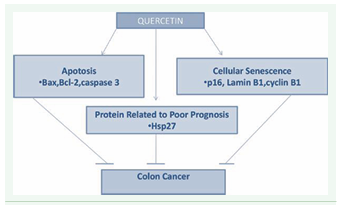
Figure 1 Potential mechanism by which quercetin can affect cellular proliferation of colon cancer cells
Role of lentils & bean in prevention of breast cancer
Breast cancer is a disease in which cells in the breast grow out of control. There are different kinds of breast cancer. The kind of breast cancer depends on which cells in the breast turn into cancer. Most breast cancers begin in the ducts or lobules. Breast cancer can spread outside the breast through blood vessels and lymph vessels. When breast cancer spreads to other parts of the body, it is said to have metastasized. (What Is Breast Cancer?, 2023) It is the most common cancer diagnosed in women, accounting for more than 1 in 10 new cancer diagnoses each year. It is the second most common cause of death from cancer among women in the world. Anatomically, the breast has milk-producing glands in front of the chest wall. They lie on the pectoralis major muscle, and some ligaments support the breast and attach it to the chest wall. Fifteen to 20 lobes are circularly arranged to form the breast. The fat that covers the lobes determines the breast size and shape. Each lobe is formed by lobules containing the glands responsible for milk production in response to hormone stimulation. Breast cancer always evolves silently. Most of the patients discover their disease during their routine screening. Others may present with an accidentally discovered breast lump, change of breast shape or size, or nipple discharge. However, mastalgia is not uncommon. Physical examination, imaging, especially mammography, and tissue biopsy must be done to diagnose breast cancer. The survival rate improves with early diagnosis. The tumor tends to spread lymphatically and hematologically, leading to distant metastasis and poor prognosis. This explains and emphasizes the importance of breast cancer screening programs [35].
Pathophysiology: Breast cancer develops due to DNA damage and genetic mutations that can be influenced by exposure to estrogen. Sometimes there will be an inheritance of DNA defects or pro-cancerous genes like BRCA1 and BRCA2. Thus the family history of ovarian or breast cancer increases the risk for breast cancer development. In a normal individual, the immune system attacks cells with abnormal DNA or abnormal growth. This fails in those with breast cancer disease leading to tumor growth and spread [35].
Anticancer Activity of Lentils: The consumption of lentil seeds reduces the incidence of various cancers including colon, thyroid, liver, breast and prostate. A large prospective epidemiologic study associated with polyphenol-rich lentils and breast cancer on 90,630 women exhibited an inverse relationship between lentils and the risk of breast cancer. Lentil seeds have a high polyphenolic content that potentially could prevent carcinogens through chemo-preventive activities, including the uptake of carcinogens, activation or formation, detoxification, binding to DNA and fidelity of DNA repair. Moreover, lectins in lentils have anticancer properties, which have been observed in various in vitro, in vivo and human studies. These lectins along with phenolic compounds in lentil seeds have been proven as therapeutic agents. They potentially bind to cancer cell membranes/receptors, causing cytotoxicity, apoptosis and autophagy; thereby, they inhibit the growth of tumors. The underlying mechanism of the anticancer potential of lectins and phenolic compounds in lentil is that they bind to ribosomes, which inhibits protein synthesis. Furthermore, this provokes a change of the cell cycle by inducing non-apoptotic G1-phase accumulation mechanisms, G2/M phase cell cycle arrest and apoptosis. In addition to that, this can also activate the caspase cascade in mitochondria and downregulate telomerase activity, which inhibits angiogenesis. Thus, lectins and phenolic compounds derived from lentil seeds seem to be promising therapeutic agents against tumorigenesis or cancer cell agglutination and/or aggregation. In addition, lentils have greater chemopreventive potential when compared to green and yellow peas. This is because lentils contain antioxidant bioactive compounds such as flavonoids (flavanones, flavan-3-ols, flavones, flavonols, anthocyanidins and tannins, including condensed tannins or proanthocyanidins) that are greatly responsible for chemoprevention. This chemo-preventive potential is not constrained to polyphenolic-rich lentils or split seeds [36].
Legume and nuts consumption in relation to odds of Breast Cancer: A Case-Control Study: Breast cancer, the most prevalent cancer among women, imposes a substantial burden on healthcare systems globally. In the United States alone, over 255,000 new cases of invasive breast cancer and 63,000 cases of noninvasive breast cancer are reported annually, with approximately 40,000 associated deaths. The incidence of breast cancer is on the rise among Iranian women, with an estimated 36 cases per 100,000 people. As a result, understanding the contributing factors and preventive measures for this cancer is of utmost importance.
Diet, among various factors influencing breast cancer risk, has garnered significant attention. Studies have shown an inverse association between the consumption of certain foods and the risk of breast cancer. For instance, diets rich in dairy, fruits, vegetables, and soy isoflavones have been linked to a reduced risk of breast cancer. However, the role of legumes and nuts, despite being rich in beneficial nutrients and phytochemicals, has received limited attention in the context of breast cancer.
Legumes and nuts are recognized for their nutritional composition, containing fiber, B-vitamins, vitamin E, magnesium, selenium, and various phytochemicals. These components have been implicated in influencing cancer risk, as demonstrated by anti-proliferative properties observed in experimental studies. However, research on the relationship between legume and nut consumption and breast cancer risk has yielded mixed results. While some studies suggest a protective association, others report contradictory findings.
Notably, previous investigations have often focused on individual components of legumes or nuts, lacking a comprehensive examination of the entire food groups. Additionally, the influence of these foods in the context of Middle Eastern diets, where legume consumption is prevalent, has not been extensively explored. This study addresses these gaps by conducting a population-based case-control study in Iranian women, aiming to examine the association between legume and nut consumption and breast cancer risk.
The research methodology involved recruiting women aged over 30 years residing in Isfahan, Iran, diagnosed with breast cancer in the last six months. Controls were age-matched women without a history of breast cancer. Dietary intakes were assessed using a validated food frequency questionnaire, focusing on legumes and nuts. Various potential confounding factors, including socio demographic variables, lifestyle factors, and dietary patterns, were considered in the analyses.
The findings of this study reveal a significant inverse association between legume and nut consumption and the odds of breast cancer, even after adjusting for potential confounders. Notably, this association was more pronounced among postmenopausal women. Legume intake, characterized by its fiber content and low glycemic index, may contribute to reducing the absorption and reabsorption of estrogen, potentially influencing breast cancer risk. Similarly, the protective association of nuts, rich in beneficial nutrients and antioxidants, aligns with findings from other studies highlighting their positive effects on various cancer types.
This study provides valuable insights into the potential role of legumes and nuts in mitigating breast cancer risk, especially in the context of Middle Eastern dietary patterns. However, the authors acknowledge the need for further prospective studies to validate these findings and explore the underlying mechanisms. Overall, the study supports current dietary recommendations emphasizing the inclusion of legumes and nuts for their potential health benefits, including the reduction of breast cancer risk [37].
Comparative study on antiproliferation properties and cellular antioxidant activities of commonly consumed food legumes against nine human cancer cell lines: Various species of food legumes showed considerable variations in their phytocehmical profiles in terms of the total phenolic, saponins, and phytic acid contents, overall antioxidant activities determined by in vitro chemical methods, and biological relevant cellular antioxidant activities, and antiproliferation capacities against diverse cancer cell lines. Correlation analyses between phytochemicals and antioxidant activities indicated that overall antioxidant capacities of food legumes may be predominantly contributed by phenolic compositions, while saponin and phytic acid play minor roles in the overall antioxidant activities. Among the food legumes tested, coloured common beans (black bean, pinto bean, red kidney bean and small red bean), black soybean, lentil, adzuki bean, and mung bean exhibited stronger antioxidant capacities and cancer cell proliferation inhibitory effects as compared to green and yellow peas, chickpea, yellow soybean and blackeyed pea. The phytochemical and antioxidant analyses showed that phenolic antioxidant components may partly contribute to the anticancer activities of lentil, coloured common beans, mung bean and adzuki bean. The current in vitro cell culture system verified the anticancer potential of lentil and coloured beans. The cancer cell proliferation inhibitory effects of mung bean and adzuki bean were first discovered here. Lentil, coloured bean, black soybean, adzuki bean and mung bean were found to be excellent dietary sources of natural antioxidants for health promotion, meanwhile these legume sources exhibited great potential to be developed into functional foods or nutraceutical ingredients for reducing oxidative stress and further preventing cancers [38].
Dietary flavonols and flavonol (rich foods intake and the risk of breast cancer): Flavonols are a specific class of phenolics that are widely distributed in plants where they function as antioxidants, antimicrobials, photoreceptors, visual attractors, feeding repellants and light screeners. Their chemical structure allows them to have a multitude of substitution patterns on the benzene and heterocyclic rings thus giving rise to different subgroups. The major flavonols in human diet are quercetin (3,5,7,3′,4′-pentahydroxyflavone), kaempferol (3,5,7,4′-tetrahydroxyflavone), myricetin (3,5,7,3′,4′,5′,-hexahydroxyflavone), luteolin (5,7,4′- trihydroxyflavone) and apigenin (5,7,4′-trihydroxyflavone), and the major dietary sources are apples, tea, beans or lentils, peppers, onions, broccoli and blueberries.
In this prospective study investigating the association between flavonols, including specific dietary sources rich in flavonols like beans or lentils, and the risk of breast cancer, the overall findings did not reveal a significant association between total flavonols intake, specific flavonols, or the sum of flavonol-rich foods with breast cancer risk. However, an inverse association was observed specifically with the intake of beans or lentils, which are known to be rich in flavonols such as quercetin and flavan-3-ols like ()-epicatechin. Flavonols are hypothesized to reduce the risk of breast cancer through various biochemical pathways, the specific association with breast cancer risk may vary based on the source of flavonols. Notably, beans or lentils, apart from being flavonol-rich, are also significant dietary sources of fiber. The lack of association with other flavonol-rich foods like tea, onions, apples, and certain vegetables raises questions about the variability in the anti-carcinogenic effects of different flavonols. The study highlights the complexity of the relationship between flavonols and breast cancer risk and calls for further research to explore specific sources and types of flavonols, considering factors such as bioavailability and individual variations in absorption and excretion [40].
Lentils (Lens culinaris L.): A candidate chemopreventive and antitumor functional food: The literature review delves into the rich source of bioactive phytochemicals found in lentils, emphasizing their potential as natural anticancer agents. Phytochemicals, secondary metabolites produced by plants, have long been recognized for their diverse functions, including protection and growth performance. Lentils, being ecofriendly, safe, cost-effective, and easily accessible, have been historically utilized for medicinal purposes. The review categorizes lentil phytochemicals based on their polarity and solubility, with a focus on high-polar compounds such as polyphenols. Notably, lentils exhibit the largest total phenolic content among leguminous seeds, with flavonoids, particularly catechins, identified as predominant polyphenolics. The anticancer properties of lentils are extensively explored, with observational studies suggesting a lowered incidence of various cancers, including breast, colon, thyroid, liver, and prostate cancers. Lentils’ chemopreventive effects are attributed to their bioactive phytochemicals, contributing to a reduction in cancer risk. Epidemiological evidence underscores the inverse association between lentil consumption and breast cancer risk. Mechanisms involving low glycemic load and index, as well as the antioxidant properties of lentils, contribute to their anticancer potential. Systematic reviews and meta-analyses further support the protective effects of lentils against colorectal cancer. Despite these promising findings, the review calls for continued research to elucidate the precise mechanisms underlying lentils’ anticancer activity. Additionally, the exploration of lentil processing methods and the development of supplementary foods could enhance their chemopreventive potential, providing valuable insights for both researchers and consumers [39].
Phyto-oestrogen Intake and Breast Cancer Risk in South Asian Women in England: Findings from a Population-based Case-Control Study: This study investigates the association between phyto-oestrogen intake and breast cancer risk, focusing on South Asian women in England. Phyto-oestrogens, found in plants, are believed to act as oestrogen antagonists, potentially reducing breast cancer risk. The two main subgroups of phyto-oestrogens studied are isoflavones, abundant in soyfoods, and lignans, present in various grains, vegetables, fruits, and seeds. While experimental evidence supports the protective role of phyto-oestrogens against breast cancer, epidemiological studies, mainly in Asian populations, have yielded inconsistent results. This research uniquely explores the South Asian population, characterized by diverse dietary habits rich in grains, vegetables, and pulses. The study includes 240 first-generation South Asian migrant women with breast cancer and 477 age-matched controls. Data collection involves face-to-face interviews, a standard questionnaire covering various factors, and a food frequency questionnaire (FFQ) assessing the intake of 207 food items. Phyto-oestrogen content is determined using a comprehensive food composition database. The findings suggest a potential protective effect of phyto oestrogens against breast cancer, especially at higher intake levels. Despite the study’s robust methodology, certain limitations, such as selection and recall bias, need consideration. This research contributes valuable insights into the relationship between phyto-oestrogen intake and breast cancer risk in South Asian women, expanding our understanding beyond populations with higher soyfood consumption [41].
Phytochemicals for Health, the Role of Pulses: The review article titled “Phytochemicals for Health, the Role of Pulses” by Simone Rochfort and Joe Panozzo provides a comprehensive exploration of the health potential of pulses, focusing on various phytochemicals present in these legume seeds. Pulses, including peas, beans, lentils, chickpeas, and fava beans, have long been recognized as essential components of human nutrition, particularly in regions like the Indian subcontinent. Traditionally consumed with minimal processing, pulses are now gaining attention for their bioactive compounds that contribute to potential health benefits.
The authors emphasize the shift in consumer demands and the evolving market traits related to pulse grains. As countries in the Indian subcontinent developed, greater emphasis was placed on processing characteristics, including hydration, cooking times, dehulling, and splitting efficiency. While the basic quality characteristics were traditionally focused on size, shape, and color, the chemical composition based on protein, starch, and phenolic compounds now plays a crucial role.
The nutritional properties of pulses, rich in protein, carbohydrates, and dietary fiber, have been extensively investigated and reported to impart various physiological benefits. The value of pulses can be further enhanced by isolating basic constituents like protein, starch, and fiber for use in other food products, thereby increasing the overall nutritive value. The review underscores the increased awareness of the health-associated value of pulses in Western countries, acknowledging their potential as sources of bioactive compounds with metabolic benefits when consumed regularly.
The article delves into specific classes of pulse phytochemicals, including isoflavones, phytosterols, resistant starch, bioactive carbohydrates, alkaloids, and saponins. For instance, isoflavones, primarily studied in soybeans, have gained significant attention for their potential health benefits, particularly in reducing the risk of osteoporosis, cancer, cardiovascular diseases, and managing menopausal symptoms. The authors also discuss the potential health properties of saponins found in pulses, noting their reported anticancer activity and benefits for hyperlipidemia.
The review considers the influence of processing and cooking methods on these phytochemicals, recognizing that different legumes may respond differently to such treatments. Moreover, it highlights the considerable genetic variation in pulse chemical composition both between and within species, affected by environmental factors during plant development.
Rochfort and Panozzo’s literature review provides a comprehensive overview of the evolving landscape of pulse consumption, emphasizing the importance of bioactive compounds in promoting human health. The authors call for continued research to unlock the full potential of pulses and enhance their concentrations through breeding and agronomic practices, paving the way for more substantiated health benefits associated with these legume seeds [42].
Legume intake and the risk of cancer: a multisite case–control study in Uruguay: Legumes, including peas, beans, lentils, and peanuts, have been cultivated for thousands of years and are recognized as valuable sources of dietary fiber, soluble fiber, protein, and various essential nutrients such as vitamin E, B-vitamins, selenium, isoflavones, and lignans. The review synthesizes findings from previous studies on the association between legume consumption and cancer risk, highlighting a diverse range of results across different cancer types. While some studies suggest a reduced risk of cancers in the oral cavity, pharynx, larynx, stomach, colorectum, kidney, and all cancers combined with higher legume intake, others do not confirm these findings, particularly for lung, breast, prostate, and bladder cancers. The literature review underscores the need for further investigation, emphasizing the potential protective effects of legumes on specific cancer sites and encouraging prospective cohort studies to validate these associations. The study’s focus on a multisite case–control investigation in Uruguay between 1996 and 2004 adds a valuable contribution to the existing body of knowledge on legumes and cancer risk [43].
Intake of bean fiber, beans, and grains and reduced risk of hormone receptor-negative breast cancer: the San Francisco Bay Area Breast Cancer Study: Population-based case control study suggest a potential role for beans in the prevention of breast cancer, particularly the aggressive subtype characterized by negative estrogen and progesterone receptor status (ER-PR-). The study observed significant inverse associations between high intake of bean fiber, total beans, and total grains with a 25% reduction in breast cancer risk, specifically for ER-PR- breast cancer. The strongest associations were noted among foreign-born Hispanic women, where beans constituted a substantial portion of their fiber intake. The study implies that the protective effect of beans, rich in fiber and potentially other bioactive compounds, may contribute to reducing the risk of ER PR- breast cancer. The findings highlight the importance of considering dietary factors, such as bean consumption, in breast cancer prevention strategies, particularly for subtypes with fewer identified risk factors and poorer prognoses, like ER-PR- breast cancer. The study suggests that promoting the consumption of beans and other fiber rich foods could be a valuable component of public health initiatives aimed at reducing breast cancer risk [44].
Case-Control Study of Beans Intake and Breast Cancer Risk in Urbanized Nigerian Women: The study conducted by the Nigerian Integrative Epidemiology of Breast Cancer (NIBBLE) aimed to investigate the association between dietary intake of beans and the risk of breast cancer (BRCA) among Nigerian women, with a specific focus on molecular subtypes. The research included 472 newly diagnosed patients with primary invasive breast cancer, age-matched with 472 controls, and utilized a food frequency questionnaire to assess beans intake. The findings revealed a significant inverse association between beans intake and the overall risk of breast cancer, suggesting that consuming beans more than once a week is associated with a reduced risk of BRCA in African women. Moreover, the study delved into the molecular subtypes of breast cancer, showing a particularly pronounced protective effect of beans intake against hormone receptor positive BRCA and triple-negative BRCA. The latter is noteworthy as the triple-negative subtype is known for its aggressiveness and higher prevalence in Sub-Saharan Africa. This study contributes valuable insights into dietary factors influencing breast cancer risk in an African context, emphasizing the potential role of beans consumption in mitigating breast cancer incidence, especially among subtypes with greater clinical challenges [45].
Common Beans and their Non-Digestible Fraction: Cancer Inhibitory Activity: The literature review explores the potential of common beans, including varieties like black beans, lentils, peas, and peanuts, in preventing colorectal cancer (CRC) and breast cancer. Epidemiological evidence suggests that populations with high legume consumption exhibit a lower risk of CRC. The protective role is attributed to various components, particularly the non-digestible fraction (NDF) and phenolic compounds present in beans. Studies highlight the inhibitory effects of bean-based diets on azoxymethane-induced colon cancer in rats, emphasizing the modulation of genes involved in cell proliferation, apoptosis, and inflammation. Similarly, the review discusses the impact of beans on breast cancer, noting reduced cancer burden through the regulation of the mammalian target of rapamycin (mTOR) signaling network. The antiproliferative properties of beans extend to other digestive system cancers, as observed in the case of adzuki beans. Additionally, the review touches upon the nutraceutical constituents of common beans, such as fiber, protease inhibitors, phytic acid, and polyphenols, which contribute to their antioxidant and anticarcinogenic activities. Quercetin, a major flavonoid in beans, is explored for its potential anti-tumor effects. In conclusion, the literature underscores common beans as a valuable dietary strategy for reducing cancer risk, urging further research to elucidate molecular mechanisms and implications across different cancer types [46].
Role of lentils (Lens culinaris L.) in human health and nutrition: a review: Lentils are recognized for their rich content of condensed tannins, reaching up to 915 mg/100 g, and exhibiting antioxidant activity comparable to fruits and vegetables. The distribution of phenolic compounds in the cotyledon and seed coat is detailed, emphasizing the nutritional significance of the seed coat despite its small percentage of the total seed weight.
Role of lentils (Lens culinaris L.) in human health and nutrition: a review: Lentils are recognized for their rich content of condensed tannins, reaching up to 915 mg/100 g, and exhibiting antioxidant activity comparable to fruits and vegetables. The distribution of phenolic compounds in the cotyledon and seed coat is detailed, emphasizing the nutritional significance of the seed coat despite its small percentage of the total seed weight.
Saponins, lectins, defensins, and protease inhibitors are detailed as biologically active proteins or compounds present in lentils. The multifaceted roles of these compounds, including their antimicrobial, anticancer, and immune-modulating properties, are highlighted. The unique properties of lentil lectins and their potential as functional foods with anticancer properties are emphasized.
The discussion extends to dietary fibers and resistant starches present in lentils, showcasing their potential benefits, including a bifidogenic effect and fermentation by colonic bacteria. The antioxidant potential of lentils is emphasized, with various measures, such as ferric reducing antioxidant power (FRAP) and total radical trapping antioxidant parameter (TRAP), indicating high antioxidant capacity.
It also delves into the association between lentil consumption and reduced risks of various cancers, including breast, colorectal, and prostate cancers. The potential mechanisms behind this association, such as the role of polyphenolics, lectins, and other bioactive compounds, are explored. Lentils are positioned as chemopreventive foods, and their ability to modulate xenobiotic detoxifying enzymes, increase antioxidant capacity, and reduce dysplastic lesions and neoplasms in animal studies is discussed.
The literature review underscores lentils as a highly nutritious and health-promoting food, attributing their beneficial properties to a spectrum of bioactive compounds. The potential roles of these compounds in preventing chronic illnesses, particularly cancer, are highlighted throughout the comprehensive exploration of lentil biochemistry. The review suggests avenues for future research to optimize the nutritional quality of lentil proteins and maximize the utilization of their bioactive phytochemicals [39].
Pulses and carcinogenesis: potential for the prevention of colon, breast and other cancers: The article discusses the evolving landscape of cancer prevention, particularly in comparison to the declining mortality rates in cardiovascular diseases and strokes. While strides have been made in reducing deaths from the latter, cancer remains a formidable challenge, prompting increased attention in public health strategies. The three most commonly diagnosed cancers—breast, colon and rectum, and lung—underscore the need for effective preventive measures. The World Cancer Research Fund/ American Institute of Cancer Research emphasizes plant based diets rich in vegetables, fruits, and pulses (legumes) as a key recommendation for individuals.
However, despite these recommendations, the existing evidence for the role of pulses in cancer prevention is deemed inconclusive. Epidemiological challenges, such as the diversity of pulses, pulse-containing food products, low pulse intakes in economically developed countries, and co-correlation of intakes with other foods, complicate the assessment of their impact on cancer risk. Traditional epidemiological tools face limitations in quantifying the contribution of pulses to cancer risk due to these factors.
The paper delves into molecular epidemiology as a potential solution, suggesting that identifying specific compounds in urine or plasma could offer a more precise measure of pulse intake. The genetic basis of cancer is explored, emphasizing the interplay between inherited susceptibility genes, nutritional exposures, and lifestyle factors in cancer development. The complex genetic landscape and gene–diet interactions are illustrated, demonstrating the need for a deeper understanding of the genetic basis of cancer.
Strategies for cancer prevention are discussed,encompassing the importance of understanding the balance between cell damage and repair, along with phenotypic characteristics distinguishing tumor cells from normal cells. Pulses are explored as sources of anti-cancer compounds, with a focus on their potential to prevent DNA damage, enhance DNA repair, induce apoptosis, and impede tumor growth. The passage highlights the promise of substances like non-steroidal anti-inflammatory drugs (NSAIDs) in preventing colorectal cancer and identifies pulses as rich sources of bioactive microconstituents.
The future research agenda is outlined, emphasizing the necessity for well-designed epidemiological and experimental studies to establish the relationship between pulse consumption and disease risk. Animal studies, particularly using genetically engineered mouse models, are proposed as valuable tools to investigate the anti-tumor activity of compounds derived from pulses. Human intervention trials and the development of reliable surrogate endpoints for cancer risk assessment are deemed crucial for advancing our understanding of the cancer preventive potential of pulses. The paper underscores the potential role of pulses in cancer prevention, acknowledging the challenges in epidemiological research and proposing a multidisciplinary approach combining genetic, molecular, and nutritional perspectives to unravel the complex interplay of factors influencing cancer risk [33].
An Insight of Pulses: From Food to Cancer Treatment: Cancer is a pervasive and complex genetic disease caused by exposure to various cancer-causing agents. The focus is on the relationship between cancer and diet, emphasizing the impact of different dietary components such as fats, proteins, refined carbohydrates, and, more positively, pulses. The review specifically aims to highlight the role of pulses in preventing and treating cancer, shedding light on the phytoconstituents present in pulses that exhibit anticancer activity.
The subsequent sections delve into the specifics of how high fat, high protein, and refined carbohydrates in the diet are associated with increased cancer risks. The role of phytoconstituents, particularly those found in pulses, is explored in depth. The review outlines the anticancer properties of various compounds present in pulses, including dietary fibers, resistant starches, phytic acid, saponins, polyphenols, proteins (Bowman-Birk protease inhibitors and lectins), and phytosterols.
Noteworthy findings include the protective effects of dietary fibers against colon, colorectal, and breast cancer, the role of resistant starch in inducing apoptosis,the anticancer activity of phytic acid across multiple cancer types, and the significance of saponins in certain pulses like soybeans. Polyphenols, such as flavonols and catechins, are also highlighted for their antioxidant and antiproliferative actions against various cancer cell lines. The review concludes with a discussion on the anticancer properties of proteins in pulses, specifically focusing on Bowman-Birk protease inhibitors and lectins, as well as the apoptotic-inducing role of phytosterols against esophageal, colon, prostate, stomach, and breast cancer. The review presents a comprehensive overview of the intricate relationship between diet and cancer, with a particular emphasis on the potential of pulses and their phytoconstituents in preventing and treating this deadly disease [47].
Chemical Composition and Mammary Cancer Inhibitory Activity of Dry Bean: Chronic diseases are a leading cause of death in industrialized countries, necessitating comprehensive approaches to disease prevention. The focus of this research is to explore the impact of staple food crops, particularly dry beans (Phaseolus vulgaris L.), on preventing breast cancer, a major chronic disease on the rise globally.
Epidemiological studies have hinted at the health benefits of legumes, with research showing an association between legume consumption and increased longevity. Notably, legumes exhibited a 7 to 8% reduction in the mortality hazard ratio for every 20g increase in daily consumption. Moreover, frequent legume consumption has been linked to a 22% lower risk of developing heart disease. Studies also suggest a significant inverse relationship between bean consumption and morbidity due to breast, prostate, and colon cancers.
The chemical and nutritional composition of dry beans varies among cultivars, influenced by environmental conditions during growth. Antioxidants found abundantly in colored beans, are considered to reduce oxidative stress in the body, potentially alleviating degenerative diseases such as cancer and heart disease. Dry beans, particularly small red beans, have been identified as having high antioxidant capacity.
However, despite the literature supporting the health benefits of legumes, there is a gap in knowledge regarding the impact of dry bean consumption on breast cancer using a preclinical model. This study aims to address this void by assessing the potential of dry beans, chosen for their genetic diversity, in inhibiting breast cancer. The research considers different market classes of dry beans, representing distinct races and genetic heritages.
The objectives of the research include determining the macronutrient composition, flavonoid and phenolic contents, and antioxidant capacity of dry beans. Additionally, the study investigates whether dry beans inhibit the development of breast cancer and if inhibition varies among different market classes. Using a preclinical breast cancer model, the research evaluates the anticancer activity of dry beans harvested in different crop years, considering genetic heritage and market classes.
In the combined analysis of the cancer study, dry beans from every market class demonstrated a reduction in cancer incidence and multiplicity compared to the control group. The results indicate potential variations in cancer inhibitory activity among different dry bean market classes, suggesting that dry beans may differ in their ability to inhibit breast cancer based on genetic heritage.
In the combined analysis of the cancer study, dry beans from every market class demonstrated a reduction in cancer incidence and multiplicity compared to the control group. The results indicate potential variations in cancer inhibitory activity among different dry bean market classes, suggesting that dry beans may differ in their ability to inhibit breast cancer based on genetic heritage.
Cell signaling pathways associated with a reduction in mammary cancer burden by dietary common bean (Phaseolus vulgaris L.): The introduction discusses the significance of common beans (Phaseolus vulgaris L.) as a staple food with potential health benefits, particularly in cancer prevention. The author highlights the underutilization of beans in the typical U.S. diet despite evidence from epidemiological studies associating bean consumption with a reduced risk of various cancers. The study aims to investigate the cellular signaling pathways through which beans may exert their anticancer effects. Specifically, the focus is on systemic factors like insulin and insulin-like growth factor-1, cell-autonomous mechanisms such as the mammalian target of rapamycin (mTOR) network, and signaling pathways regulating cell proliferation and apoptosis. The lack of understanding about these pathways, particularly the deregulation of mTOR components during early carcinogenesis, motivates the research. The methods section details the chemicals, animals, and experimental design, including the incorporation of beans into the diet of rats, and the subsequent analysis of plasma, tissues, and molecular markers. The study explores the impact of dietary beans on tumor burden, apoptosis, and key signaling pathways involved in cancer development. The findings suggest that common beans may reduce mammary cancer burden by inducing apoptosis and modulating metabolic signaling networks related to cell growth and survival, particularly the mTOR pathway. The limitations and implications of the research are also acknowledged.
Effect of Common Bean Consumption on the Gut Associated Microbiome in an In Vivo Screening Model for Breast Cancer †: The study highlights the increasing recognition of food as a crucial factor in understanding the role of dietary components in preventing and controlling cancer. The focus is on assessing dietary patterns rather than isolated nutrients or phytochemicals, with a particular interest in understanding how foods interact with the gut microbiome to exert protective effects. The study aims to present a mechanistic inquiry into the impact of foods and dietary patterns on the gut microbiome, specifically in the context of breast cancer prevention.
To establish a foundation for the research, the authors propose a rational approach of using preclinical models to deconstruct observations from population studies and clinical investigations. Previous data from the Nurses’ Health Study 1 and the Four Corners Study suggested an association between the intake of common beans and lentils and a reduced risk of breast cancer. To validate these observations, the authors utilized a well-characterized rodent model for breast cancer, demonstrating that the protective effect is dose-dependent on common bean consumption. This led to the decision to investigate low molecular weight extracts of beans for their antiproliferative and proapoptotic activities using breast cancer cell lines.
The rationale for examining the low molecular weight extracts is supported by previous findings that these fractions exhibited longevity extension in a Caenorhabditis elegans model. However, initial evaluations against human breast cancer cell lines showed no inhibition. To bridge the gap between in vitro and in vivo findings, the authors created a screening model for breast cancer using an oncogene-driven approach. The model, based on the Polyoma Middle T Antigen (PyMT), allowed for the evaluation of inhibitory activity in vivo.
The subsequent sections detail the methods employed in the study, including animal genotyping, the screening assay using PyMT mice, histological assessments, immuno nanocapillary electrophoresis for protein analysis, and characterization of the gut-associated microbiome through DNA sequencing. The results demonstrated that common bean consumption had an inhibitory effect on the expansion of mammary pathologies in the screening model. Additionally, changes in the gut microbiome were observed, particularly an increase in Bacteroidetes and a decrease in Firmicutes.
The study introduces a short-term in vivo screening assay to evaluate the effects of foods on breast cancer cell growth and demonstrates the feasibility of assessing changes in cell signaling in both the target tissue (breast) and the gut-associated microbiome. The findings support the potential of rapid assessment of foods for anticancer activity and offer insights into the mechanisms underlying protective effects [49].
Role of Lentils & Bean in prevention of Liver cancer
Liver cancer is a common cause of death, particularly in South Asia, East Asia and Pacific, and parts of Sub-Saharan Africa. These deaths are primarily caused by infections that occurred decades ago. However, as generations immunized against the hepatitis B virus (HBV), the cause of most liver cancers worldwide, approach middle and old age, liver cancer incidence and mortality rates should decline, even though the toll from other cancers is expected to rise in the ensuing decades. Incidence rates of liver cancer rise with age in all populations; individuals 75 years of age and older have the highest rates. While the age-specific curves vary slightly across regions, rates among older adults (men and women combined) never decline. In a region with low rates, like northern Europe, rates are typically extremely low until the age of 40, at which point they increase exponentially [50].
Effects of Lentil Consumption on Liver Diseases: an Association of Nutrient Components with Liver Function: The liver plays an important role in nutrient storage, absorption, and metabolism. A nutrient deficiency is often related to liver disease and can be caused by lowered intake, decreased absorption, reduced storage, metabolism disorders, or increased nutritional requirements [51].
Furthermore, there is increasing evidence that, regardless of the type of etiological agent, changes in the cellular redox state brought on by the production of reactive oxygen species (ROS) play a critical role in the various processes that start and control the development of liver diseases. A balanced diet rich in antioxidants can help fight off this issue and support the liver in its quest for better health [52]. In addition, some minerals such as zinc and iron improve liver function and their deficiency can lead to a detrimental effect on liver function. Proteins, minerals, starchy and non-starchy carbohydrates, and micronutrients like tannins are all abundant in lentils (Lens culinaris). The ability of whole lentil seeds to develop intestinal microflora and their beneficial effect on diabetes have highlighted their nutritional value. It has been also shown that lentils a major source of antioxidants, minerals, and vitamins can reduce the risk of liver damage [53]. Lentil is a major source of vitamin B group which plays a vital role in many organs and bodily systems.
Potassium effect on non-alcoholic fatty liver disease: Experimental and clinical evidence has indicated that decreased serum potassium levels may lead to various metabolic disorders, which may increase NAFLD risk. Those with normokalemia primary aldosteronism (PA) are less likely to have severe insulin resistance and a higher prevalence of non-alcoholic fatty liver disease (NAFLD). Patients with NAFLD benefit from combined therapy with spironolactone and vitamin E, which significantly increases the serum potassium level and reduces insulin resistance. Studies have shown that including lentils in the diet can help prevent and treat non-alcoholic fatty liver disease (NAFLD) because of their high potassium content (369 mg per 100 g). The results of the study demonstrated that a combination of training protocols and lentil protein hydrolysate could effectively reduce hepatomegalia and steatosis, which are associated with non-alcoholic fatty liver disease (NAFLD). Additionally, the condition could alleviate its negative effects on lipid and glucose metabolisms by modifying the expression of various genes involved in various metabolic pathways [54].
An important role of antioxidants in a healthy liver: Research suggests that, regardless of the kind of etiologic agent, the production of reactive oxygen species (ROS) changes the cellular redox state, which is important for initiating and controlling the progression of liver diseases. Alcohol, viruses, lipid and carbohydrate metabolism modifications, as well as xenobiotic-mediated liver damage, are all associated with ROS [55]. The magnitude of ROS impact depends on several individual characteristics such as age, ethanol use, obesity, concentration of blood iron, as well as intracellular and antioxidant plasma available defense [56]. Antioxidants represent a reasonable therapeutic strategy for chronic liver disease therapy. For example, [Figure 2] administration of antioxidant compounds was effective against chronic viral hepatitis, alcoholic liver disease, non-alcoholic steatohepatitis, and autoimmune liver diseases [57].
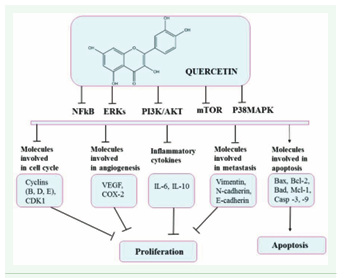
Figure 2 Administration of antioxidant compounds effective against chronic viral hepatitis, alcoholic liver disease, non-alcoholic steatohepatitis, and autoimmune liver diseases
Lentil is considered a type of pulse whose seeds comprise tannin constituents, mainly of the condensed type. The high antioxidant potential of tannins has been reported in numerous investigations. Green lentil is among the leguminous species that affords an important source and good level of phenolic compounds for daily inclusion in the human diet.
Apoptotic Mechanisms of Quercetin in Liver Cancer: Apoptotic Mechanisms of Quercetin in Liver CancerQuercetin, also known as 3′,4′,5,7-tetrahydroxyflavonol, belongs to the flavonols (flavonoids) and is mostly found in fruits, black and green tea, beans, and vegetables as a secondary metabolite. (Bentz, 2017) Quercetin possesses the capability to regulate mechanisms such as inflammation, fibrosis, migration, apoptosis, and angiogenesis, involved in the progression of hepatocellular carcinoma [58]. In hepatocellular carcinoma, quercetin has been shown to have antiproliferative and anticancer effects through inducing cell cycle arrest, inhibiting the production of cyclins, inducing CDK inhibitors, inhibiting metabolic activity, inducing cell death, and inhibiting survival signals. Recent studies have also reported that quercetin has the capability to reduce tumor microenvironment components and can be used for hepatocellular carcinoma growth inhibition.
Activating Caspase Proteases: The actions of the caspases (family of cysteine proteases) are intimately related to the apoptotic cell death process. Caspases are first created as monomeric, inactive procaspases that must dimerize, and frequently cleave, in order to become active. (Asadi et al., 2022) Caspase activation is a terminal event in the apoptotic process, not a direct activation specifically caused by quercetin. Therefore, it is essential to understand that caspase activation is a molecular mechanism involved in quercetin-induced apoptosis. By activating the caspases in the human hepatoma cell line HepG2, quercetin causes apoptosis. Treatment of the cells for 18 h induced apoptosis by activating caspase-3 and -9.
Polyphenol-Rich Lentils and Their Health-Promoting Effects: Lentil is a potential functional dietary ingredient that has polyphenol-rich content. Lentils exist as a spectrum of colors, which includes yellow, orange, red, green, brown, or black, depending on the cultivar, the composition of the seed coats, and cotyledons [38]. Eating lentil seeds lowers the risk of developing cancers of the colon, thyroid, liver, breast, and prostate, among other cancers. The high polyphenolic content of lentil seeds may have chemo-preventive effects, such as preventing carcinogen uptake, activation or formation, detoxification, binding to DNA, and fidelity of DNA repair [59].
Diet and liver cancer risk: a narrative review of epidemiological evidence: Evidence showed that soya isoflavones may prevent liver cancer both in vitro and in vivo [60]. In a Japanese nested case–control study, consumption of miso soup and tofu were significantly inversely associated with HCC risk accounting for HBV and HCV infections. On the contrary, soya isoflavones (genistein or daidzein) showed a positive association with HCC risk in women and showed a null association in men in another Japanese cohort (101 HCC cases), which also carefully considered the HBV and HCV infections [61].
Mung Bean (Vigna radiata L.): Bioactive Polyphenols, Polysaccharides, Peptides, and Health Benefits: One of the most significant edible legume crops is the mung bean (Vigna radiata L.), which is cultivated on more than 6 million hectares globally (or roughly 8.5% of the world’s pulse area) and is consumed by the majority of Asian households. The mung bean is widely cultivated in many Asian countries (primarily in China, India, Bangladesh, Pakistan, and some Southeast Asian countries), as well as in dry regions of southern Europe and warmer parts of Canada and the United States, due to its characteristics of being a low-input crop, relatively drought-tolerant, and having a short growth cycle (roughly 70 days)[62]. The mung bean contains balanced nutrients, including protein, dietary fiber, minerals, vitamins, and significant amounts of bioactive compounds.
Mung beans can be a good source of protein for vegetarians or those who cannot afford animal proteins because they are relatively inexpensive. In addition, mung bean protein is more easily absorbed than the protein found in other legumes [63]. It has been demonstrated that both whole and germinated mung beans are potent hepatoprotective agents that can reduce liver enzyme activities and liver histopathology in a dose-dependent way [64]. Diets containing germinated mung beans showed good protection against hepatic deposition of excess lipids induced liver injury, as evidenced by the hepatic tissue’s vascularization and lack of steatosis and inflammatory infiltrates. Furthermore, oxidative stress, end products of oxidative stress, and reactive oxygen species (ROS) are significant mediators that exacerbate the non-alcoholic fatty liver disease [65].
Oxidative stress caused by alcohol is another serious liver injury in addition to non-alcoholic fatty liver disease. In the ethanol-induced liver injury, aqueous extracts of the germinated and fermented mung bean significantly increased the activities of superoxide dismutase (SOD) and ferric ion-reducing antioxidant power (FRAP) and significantly decreased the serum levels of alanine aminotransferase (ALT), aspartate aminotransferase (AST), TC, TG, nitric oxide (NO), and malondialdehyde (MDA) [66].
Vegetable-based dietary pattern and liver cancer risk: Results from the Shanghai Women’s and Men’s Health Studies: Chronic infection with HBV and HCV are two well-established risk factors for liver cancer in humans. Several data have been reported on a potentially favorable effect of coffee on liver function and liver diseases, including liver cancer [16]. Higher intakes of vegetables, fruits, white meats, fish, wheat, eggs, and milk and yogurt combined have been reported to lower liver cancer risk, whereas increased risk of liver cancer has been linked to excessive intake of red meat and animal protein, eggs, and milk. In other words, dietary patterns represent a comprehensive picture of dietary intakes, as they may capture interactions between dietary components, as well as with other risk factors, thus providing a better understanding of the association between vegetable dietary pat-tern and liver cancer risk.
High consumption of vegetables has been associated with reduced liver cancer risk in three Asian cohort studies and two case–control studies. In a cohort of 8436 men in Taiwan, participants consuming vegetables at<6 meals per week had significantly higher liver cancer risk compared with those consuming vegetables at≥6 meals per week. This association was more evident in HBV carriers. A recent study evaluated effects of dietary dry bean on 84 hepatic expressions of stress and toxicity-related genes in rats and found six up- or downregulated genes, includ ingCYP3A11,CYP7A1,FMO1,GSTM1,MIF, andUGT1A6, may exert cancer-preventive effects in liver.
Role of Lentils & Bean in prevention of Thyroid cancer Overview of Thyroid Cancer: Thyroid cancer represents a prevalent malignancy arising from the cells of the thyroid gland, characterized by abnormal cell growth and the potential for metastasis (American Cancer Society, 2021).
Importance of Bioactive Compounds in Diet and Cancer Prevention: Bioactive compounds found in various dietary sources play a pivotal role in cancer prevention due to their antioxidant, anti-inflammatory, and antiproliferative properties [67].
Significance of Lentils and Beans in Oncology: Lentils and beans possess an array of bioactive compounds such as saponins, phytates, lectins, and phytoestrogens, known for their potential anticancer effects, showcasing promise in oncology research [68].
Bioactive Compounds in Lentils and Beans Saponins
1. Anticancer Potential in Thyroid Cancer
Saponins exhibit potential as anticancer agents in thyroid cancer due to their cytotoxic effects on cancer cells and inhibition of tumor growth [1].
2. Mechanisms of Action
The mechanisms of action of saponins involve induction of apoptosis, inhibition of cell proliferation, and interference with angiogenesis in thyroid cancer cells [2].
a. Inhibition of Angiogenesis: Saponins exert their anticancer effects in thyroid cancer by inhibiting angiogenesis, the process by which new blood vessels form to supply nutrients and oxygen to tumors. Through the suppression of angiogenesis, saponins limit the blood supply to thyroid tumors, hindering their growth and metastasis [69].
b. Interference with Cell Signaling Pathways: Saponins interfere with various signaling pathways essential for the growth and survival of thyroid cancer cells. They modulate pathways involved in cell cycle regulation, such as the PI3K/Akt/mTOR pathway and the MAPK/ERK pathway. By disrupting these pathways, saponins impede the uncontrolled proliferation of cancer cells and induce cell cycle arrest, ultimately leading to reduced tumor growth [70].
c. Induction of Apoptosis: One of the critical mechanisms through which saponins exhibit their anticancer effects in thyroid cancer is by triggering apoptosis in cancer cells. Saponins can activate intrinsic apoptotic pathways by upregulating pro-apoptotic proteins and downregulating anti-apoptotic proteins. This process disrupts the balance within cancer cells, promoting cell death and inhibiting tumor growth [69].
d. Modulation of Immune Responses: Saponins have been reported to modulate immune responses, enhancing the body’s natural defense mechanisms against cancer. By stimulating immune cells like natural killer (NK) cells and cytotoxic T lymphocytes (CTLs), saponins help in identifying and eliminating cancerous cells, contributing to the suppression of thyroid cancer progression [70].
Phytates
1. Role in Thyroid Cancer Prevention
Phytates present in lentils and beans are suggested to play a role in preventing thyroid cancer due to their ability to inhibit cell growth and promote apoptosis in cancerous cells [3].
2. Antioxidant Properties
Additionally, the antioxidant properties of phytates contribute to their potential in reducing oxidative stress, which may aid in preventing thyroid cancer development [4].
Lectins
1. Effects on Thyroid Cancer Cells
Lectins found in lentils and beans have been observed to affect thyroid cancer cells, showing potential as growth inhibitors and apoptosis inducers [5].
2. Apoptosis Induction and Growth Inhibition
Their ability to induce apoptosis and inhibit the growth of thyroid cancer cells suggests a possible therapeutic avenue for thyroid cancer treatment [6].
Phytoestrogens
1. Impact on Thyroid Cancer Development
Phytoestrogens found in lentils and beans may impact thyroid cancer development by modulating hormonal pathways involved in cancer progression [71].
2. Hormonal Pathway Modulation
These compounds demonstrate the potential to modulate hormone-dependent cancer risks by affecting estrogen receptor signaling in thyroid cells.
Bioactive Compounds and Thyroid Cancer Interactions
Specific Mechanisms of Action on Thyroid Cancer Cells
1. Cell Proliferation Inhibition
Numerous bioactive compounds found in lentils and beans, such as saponins, lectins, and phytates, have demonstrated the ability to inhibit cell proliferation in thyroid cancer cells. For instance, saponins extracted from these legumes have been shown to interfere with the signaling pathways responsible for abnormal cell growth, thereby suppressing the proliferation of thyroid cancer cells [1]. Similarly, lectins derived from lentils and beans exhibit inhibitory effects on cell proliferation by interfering with specific cellular processes essential for cancer cell multiplication [5]. Phytates found in these legumes also contribute to cell cycle arrest, hindering the uncontrolled growth of thyroid cancer cells [3].
2. Apoptosis Induction
Bioactive compounds present in lentils and beans induce apoptosis, the programmed cell death, in thyroid cancer cells. Saponins have been identified as key contributors to this process by activating signaling pathways that promote apoptosis specifically in thyroid cancer cells, leading to their death [2]. Lectins derived from these legumes have also shown the ability to induce apoptosis in thyroid cancer cells through various mechanisms, including interference with cell survival signaling pathways [6]. Moreover, phytates have been reported to trigger apoptosis in thyroid cancer cells, contributing to the elimination of these malignant cells [4].
Influence on Thyroid Hormone Pathways
1. Thyroid Hormone Modulation Effects:
Certain bioactive compounds found in lentils and beans possess the capability to modulate thyroid hormone pathways. Phytoestrogens, for example, impact these pathways by mimicking or blocking the effects of natural estrogens, influencing thyroid hormone synthesis and metabolism [71].This modulation affects the balance of thyroid hormones, potentially impacting thyroid cancer progression by altering hormone-related pathways involved in cancer cell proliferation and growth.
2. Impact on Thyroid Cancer Progression:
The influence of bioactive compounds on thyroid hormone pathways can significantly impact the progression of thyroid cancer. Disruption or alteration of these pathways by compounds like phytoestrogens may affect the proliferation, differentiation, or survival of thyroid cancer cells, potentially influencing the progression of the disease.
Experimental Studies and Clinical Evidence
1. In Vitro Studies Demonstrating Anticancer Effects:
In vitro studies focusing on lentils and beans’ bioactive compounds have exhibited promising results regarding their anticancer effects on thyroid cancer cells. These studies involve controlled experiments conducted in laboratory settings, utilizing isolated compounds or extracts from lentils and beans to directly interact with thyroid cancer cell lines. The outcomes often reveal inhibition of cell growth, induction of apoptosis, and interference with specific cellular pathways involved in thyroid cancer progression [5, 1].
2. In Vivo Studies or Animal Models Showing Therapeutic Potential:
In vivo studies utilizing animal models have provided valuable insights into the therapeutic potential of lentils and beans’ bioactive compounds against thyroid cancer. These studies involve administering these compounds or diets containing lentils and beans to animals with induced thyroid cancer. The observed effects may include reduced tumor growth, inhibition of metastasis, or changes in biomarkers associated with thyroid cancer progression. Such studies help elucidate the compounds’ physiological effects and potential mechanisms in a more complex biological system [4, 71].
Clinical Trials or Epidemiological Evidence
1.Human Studies on Lentils, Beans, and Thyroid Cancer:
Clinical trials and epidemiological studies investigating the relationship between lentils, beans, and thyroid cancer in human populations have garnered attention. These studies involve observing associations between dietary patterns rich in lentils and beans and the incidence, progression, or recurrence of thyroid cancer. Such research aims to establish correlations between consumption of these legumes and potential protective effects against thyroid cancer or its risk factors. Findings might reveal insights into whether regular consumption of lentils and beans correlates with a reduced risk of thyroid cancer development or progression [4].
2. Correlation of Diet with Thyroid Cancer Incidence:
Some studies focus on exploring broader dietary patterns and their correlations with thyroid cancer incidence. They examine the impact of overall diet, including the consumption of lentils, beans, and other food groups, on thyroid cancer risk. These epidemiological investigations often utilize surveys or long-term observational studies to identify potential associations between dietary habits,including legume intake, and thyroid cancer incidence rates among diverse populations [4, 71].
Challenges and Future Directions
1. Limitations in Current Research:
Several limitations exist in the current research investigating bioactive compounds from lentils and beans in relation to thyroid cancer. Some studies might face limitations regarding small sample sizes, variability in compound concentrations used, or inconsistencies in methodologies across different experiments. Furthermore, the complexities of in vitro and in vivo models might not completely mimic human biological responses. Interpretation of data and generalizability might be affected due to variations in genetic predispositions, environmental factors, and dietary habits among different populations [1, 5].
2. Unexplored Aspects of Bioactive Compounds and Thyroid Cancer:
Numerous unexplored aspects warrant further investigation in the realm of bioactive compounds from lentils and beans concerning thyroid cancer. This includes exploring the synergistic effects of various compounds or combinations of compounds found in these legumes. Additionally, the specific pathways and molecular targets influenced by these bioactive compounds in thyroid cancer cells might not have been thoroughly elucidated. Understanding the interactions among different compounds and their cumulative effects on thyroid cancer progression remains an area requiring deeper exploration [3, 4].
3. Potential for Therapeutic Development:
Despite existing challenges, the potential for therapeutic development using bioactive compounds from lentils and beans against thyroid cancer is promising. Further research could pave the way for novel therapeutic interventions, including the development of targeted therapies or adjuvant treatments utilizing these compounds. Strategies might involve optimizing dosages, exploring delivery mechanisms, or formulating standardized extracts to enhance their efficacy and bioavailability for clinical applications in managing thyroid cancer [1, 71]
Role of Lentils & Bean in prevention of Prostate Cancer
Overview of Prostate Cancer: Prostate cancer is the most common non-cutaneous malignancy affecting men in the United States. The majority of prostate cancers are diagnosed in older men. As the population ages, so will the number of prostate cancer diagnoses. In the advent of prostate specific antigen (PSA) testing and the controversies over its use, more men are likely to seek the advice of their health care providers when deciding to undergo prostate cancer screening. Given the substantial number of patients seeking care for prostate cancer across environments of care, it is essential for oncology nurses to maintain a general knowledge base about risk factors, diagnosis, treatment options, and emerging therapies. This article will discuss prostate anatomy, epidemiology and risk factors, presentation and diagnosis, staging and treatment, emerging therapies, and patient education [72].
The role of diet in the development of Prostate Cancer: The occurrence of prostate cancer differs significantly worldwide due to varying diets. In regions like Asia, with low animal fat intake and high soy protein consumption, prostate cancer rates are notably low. Conversely, in developed Western nations where diets are rich in animal fat (constituting 30 – 40% of calorie intake) and obesity is prevalent, prostate cancer rates tend to be higher. Even among different areas in Asia, like China, higher consumption of dietary fat is linked to increased prostate cancer incidence. Despite multiple attempts through epidemiological studies, case-control studies, and some trials, there’s uncertainty about the potential impact of “interventional dietary chemo-protection” in individuals at risk of developing prostate cancer or those already diagnosed with it [73].
Dietary fat content and Prostate Cancer: The relationship between dietary fat and prostate cancer (PCa) is a complex topic with numerous studies highlighting different perspectives. The content you provided outlines various findings and associations, showing that while some studies link higher fat intake, particularly from animal sources, to an increased risk of PCa and its aggressiveness, other studies suggest contrary evidence or potential protective effects of certain types of fats [73].
High Animal Fat Intake and PCa Risk: Several studies suggest a correlation between diets rich in animal fats and an increased risk of developing and aggressive forms of prostate cancer. This includes higher intake of total fat, saturated fat, and specific fatty acids (like oleic acid) being associated with PCa.
Red Meat and Dairy: Red meat consumption, specifically, has been consistently linked to an increased risk of advanced PCa. Dairy products, when consumed in high quantities, also show a potential correlation with a higher risk of metastatic PCa.
Contradictory Findings: While many Western studies support the link between high-fat diets and PCa, a study from Saudi Arabia failed to establish such a correlation. This inconsistency suggests the need for further research and consideration of regional dietary variations.
Omega-3 and Omega-6 Fatty Acids: Some research suggests a potential protective effect of long-chain omega-3 and omega-6 fatty acids found in certain fish oils against PCa development. These fatty acids may inhibit angiogenesis, cell growth, neoplastic transformation, and stimulate apoptosis, possibly mediated by the inhibition of eicosanoid production.
Overall, the relationship between dietary fat intake and PCa risk appears multifaceted. The findings vary across different studies, possibly due to factors like variations in population diets, methodologies, or even regional influences. Further research is necessary to establish clearer causal links and understand the mechanisms behind these associations
The role of free radicals in the pathogenesis of prostate cancer: Two separate investigations have illustrated a direct correlation between the severity of prostate cancer (PCa) and the escalation of tissue damage caused by free radicals. The initial study (reference 46) scrutinized alterations in DNA induced by hydroxyl radicals in both non-cancerous and cancerous prostate tissues. This analysis effectively distinguished between mutagenic and non-mutagenic lesions in adenine and guanine, exhibiting a notable age-related rise in hydroxyl radical-induced DNA damage, a significant factor in PCa development. In the subsequent study, the assessment of hydroxyl radical-induced DNA changes accurately differentiated between non-cancerous, cancerous, and benign prostatic hyperplasia (BPH) prostate tissues with nearly flawless diagnostic precision.
These investigations collectively establish that free radical-triggered DNA damage is more pronounced in cancerous prostate tissues compared to their noncancerous counterparts. Consequently, these findings lend support to the theory suggesting that antioxidants might mitigate PCa risk by curbing the production of free radicals. To delve deeper into these mechanisms, we will outline the fundamental processes involved in free radical-induced tissue damage within biological systems [75].
Bioactive Compounds of Lentils and Prostate Cancer: Consuming lentil seeds has shown promise in reducing the occurrence of various cancers, such as colon, thyroid, liver, breast, and prostate cancers. Lentil seeds are rich in polyphenols, which possess potential cancer-preventive properties by potentially impeding the action of carcinogens through various activities like uptake, activation, detoxification, DNA binding, and repair. Studies suggest that lectins found in lentils also exhibit anti-cancer properties, demonstrated across in vitro, in vivo, and human research. These compounds, combined with phenolic elements in lentil seeds, have demonstrated therapeutic potential by interacting with cancer cell membranes or receptors, leading to processes like cytotoxicity, apoptosis, and autophagy, thus hindering tumor growth. The mechanisms underlying their anti cancer effects involve binding to ribosomes, which disrupts protein synthesis, prompting alterations in the cell cycle, including G1-phase accumulation, G2/M phase cell cycle arrest, and apoptosis. Moreover, they can activate the caspase cascade in mitochondria and reduce telomerase activity, thus inhibiting angiogenesis. Research on lentil seeds has specifically highlighted their chemo-preventive effects on colorectal carcinogenesis, notably reducing dysplastic lesions and neoplasms in the colon of rats. Lentils, especially those rich in antioxidants like flavonoids (such as flavanones, flavan-3-ols, flavones, flavonols, anthocyanidins, and tannins), contribute significantly to this chemo-preventive potential. Notably, this potential isn’t limited to polyphenol-rich lentils or split seeds [76].
METHODS AND MATERIALS
1. Databases: A comprehensive search strategy employed various databases, including PubMed, Scopus, Web of Science, Google Scholar, and Sci-Hub, to gather a wide array of relevant information.
2. Keywords: Employed the following keywords to ensure a thorough search: “beans,” “pulses,” “legumes,” “oncological properties,” “cancer,” “anti-cancer,” and “phytochemicals.”
Inclusion Criteria:
The research centered on scrutinizing reviewed journal articles spanning from 1880 to 2023, specifically targeting human studies that investigated the correlation between the intake of beans/pulses and their impact on cancer prevention or treatment.
Exclusion Criteria
Studies written in languages other than English were excluded, along with animal studies, reviews, and research not explicitly focused on oncological properties to maintain the review scope and relevance.
Selection of Articles
Following the initial search, a total of 250 articles were obtained, from which duplicates were identified and removed, leaving 215 unique articles for further evaluation. Screening based on titles and abstracts was then performed against predefined inclusion/exclusion criteria, leading to the identification of 60 articles suitable for a thorough full-text assessment. This comprehensive assessment was conducted independently by two reviewers, and any disparities between their evaluations were resolved through discussion. Subsequently, after meticulous scrutiny, a final set of 30 articles, deemed most relevant to the research objectives, was selected for inclusion in the review.
Data Extraction
Information was systematically extracted from the chosen articles, encompassing various essential aspects:
1. The specific types of beans/pulses under study were documented, providing a comprehensive understanding of the diversity, such as lentils, chickpeas, kidney beans, among others.
2. Details regarding the study design, sample size, and duration were compiled to ascertain the methodologies employed and the scope and scale of the research endeavors.
3. The articles were analyzed for their focus on specific oncological outcomes, including investigations related to cancer prevention, impact on tumor growth, or metastasis, shedding light on the varied effects observed.
4. Detailed insights into the methodologies and analytical approaches utilized in the studies were collected to comprehend the diverse methods employed in assessing the oncological properties of beans/pulses.
5. Key findings related to the oncological properties of beans/pulses were extracted, providing a concise summary of the reported results and their significance.
6. The strengths and limitations inherent within each study were identified and recorded, offering a critical appraisal of the studies’ methodologies and outcomes to provide a balanced perspective on their contributions to the field.
Analysis
Articles were categorized by cancer type (e.g., breast, colorectal, prostate), facilitating focused analysis. Synthesizing reported outcomes, the review examined beans’ and pulses’ oncological properties. A comparative analysis revealed trends, disparities, and conflicting findings across studies, providing insights into their varied effects on cancer prevention and treatment.
RESULTS
The presented table delineates the oncological properties of various bioactive compounds inherently present in lentils and beans. These bioactive compounds showcase promising attributes in influencing cancer related mechanisms across distinct cancer types. The summarized overview spotlights their mechanisms of action, the targeted cancer types, and the observed effects on cancer progression.
Saponins, phytates, lectins, Bowman-Birk inhibitors, phytoestrogens, and other bioactive compounds exhibit significant potential in affecting diverse cancer types such as colon, breast, prostate, lung, and hormone-related cancers. Their mechanisms involve inducing apoptosis, inhibiting cell proliferation, anti-angiogenic effects, disrupting growth signaling pathways, and modulating hormone pathways, among others. These compounds demonstrate the ability to suppress tumor growth, inhibit metastasis, and reduce oxidative stress, thereby showcasing promise in cancer prevention and treatment strategies [Table 1].
Table 1: These compounds demonstrate the ability to suppress tumor growth, inhibit metastasis, and reduce oxidative stress, thereby showcasing promise in cancer prevention and treatment strategies
|
Bioactive Compound |
Cancer Type |
Mechanism of Action |
Effects on Cancer |
References |
|
Saponins |
Colon cancer |
Induce apoptosis, inhibit cell proliferation, anti-angiogenic effects |
Suppress tumor growth, inhibit angiogenesis |
[1,2] |
|
Phytates |
Breast cancer |
Antioxidant properties, chelate minerals, inhibiting cancer cell growth |
Inhibit cancer cell growth, reduce oxidative stress |
[3,4] |
|
Lectins |
Prostate cancer |
Interfere with cancer cell growth, induce apoptosis |
Inhibit tumor growth, induce apoptosis |
[5,6] |
|
Bowman-Birk Inhibitors |
Lung cancer |
Inhibit proteases involved in tumor invasion and metastasis |
Suppress metastasis, inhibit tumor progression |
[7,8] |
|
Phytoestrogens |
Hormone-related cancers (breast, prostate) |
Modulate hormone pathways |
Reduce hormone-dependent cancer risks, inhibit growth |
Coates et al., 2008; [71]. |
|
Oxalates |
Not clearly established |
Potential mineral chelation vs. kidney stones |
Role in cancer prevention unclear, potential antioxidant |
Del Gobbo et al., 2015; Farombi & Fakoya, 2005 |
|
Tannins |
Colorectal cancer |
Inhibit cancer cell growth, prevent DNA damage |
Suppress tumor growth, reduce DNA damage |
Kuntz et al., 2009; Lestari et al., 2014 |
|
Isoflavones |
Breast cancer |
Modulate estrogen receptors, inhibit cell growth |
Reduce cell proliferation, induce apoptosis |
Messina & Barnes, 1991; Badger et al., 2002 |
|
Phytic Acid |
Colorectal cancer |
Chelate minerals, antioxidant properties |
Inhibit cell proliferation, reduce oxidative stress |
[77,78]. |
|
Lectins |
Prostate cancer |
Bind to cancer cells, disrupt growth signaling pathways |
Inhibit tumor growth, induce apoptosis |
Barondes et al., 1981; Laemmli et al., 1982 |
|
Protease Inhibitors |
Lung cancer |
Inhibit enzymes involved in metastasis |
Suppress metastasis, inhibit tumor invasion |
[79] |
|
Phytosterols |
Skin cancer |
Inhibit cell proliferation, modulate immune response |
Reduce tumor growth, enhance immune activity |
Ling et al., 1995; Awad et al., 2000 |
|
Flavonoids |
Gastric cancer |
Antioxidant, anti-inflammatory properties |
Inhibit cancer cell growth, reduce inflammation |
Knekt et al., 1996; Yang et al., 2008 |
|
Resistant Starch |
Colorectal cancer |
Fermentation in colon, SCFA production |
Modulate gut microbiota, reduce cancer risk |
Topping & Clifton, 2001; Toden et al., 2017 |
|
Oligosaccharides |
Breast cancer |
Modulate gut microbiota, immune response |
Potential role in cancer prevention and immunity |
[69] |
Interpretation
The table presents an overview of various bioactive compounds and their effects on different types of cancers. Saponins, observed in the context of colon cancer, exhibit multiple mechanisms of action such as inducing apoptosis, inhibiting cell proliferation, and anti-angiogenic effects, consequently leading to the suppression of tumor growth and angiogenesis. Phytates, associated with breast cancer, demonstrate antioxidant properties and the ability to chelate minerals, ultimately inhibiting cancer cell growth and reducing oxidative stress. Lectins, concerning prostate cancer, interfere with cancer cell growth and induce apoptosis, resulting in the inhibition of tumor growth and the induction of apoptosis. Bowman-Birk inhibitors, studied in lung cancer, function by inhibiting proteases involved in tumor invasion and metastasis, thereby suppressing metastasis and inhibiting tumor progression. Phytoestrogens, linked to hormone-related cancers like breast and prostate, modulate hormone pathways, reducing hormone-dependent cancer risks and inhibiting growth.
Furthermore, tannins associated with colorectal cancer inhibit cancer cell growth and prevent DNA damage,leading to the suppression of tumor growth and reduction in DNA damage. Isoflavones, studied in breast cancer, modulate estrogen receptors and inhibit cell growth, thus reducing cell proliferation and inducing apoptosis. Phytic acid, observed in colorectal cancer, exhibits chelating properties and antioxidants, inhibiting cell proliferation and reducing oxidative stress. Lectins, examined in prostate cancer, bind to cancer cells and disrupt growth signaling pathways, resulting in the inhibition of tumor growth and apoptosis induction. Protease inhibitors, relevant to lung cancer, inhibit enzymes involved in metastasis, thereby suppressing metastasis and tumor invasion. Phytosterols associated with skin cancer inhibit cell proliferation and modulate immune responses, ultimately reducing tumor growth and enhancing immune activity. Flavonoids, in the context of gastric cancer, possess antioxidant and anti inflammatory properties, inhibiting cancer cell growth and reducing inflammation.
Additionally, resistant starch, related to colorectal cancer, ferments in the colon and produces short-chain fatty acids (SCFAs), modulating gut microbiota and reducing cancer risk. Oligosaccharides, concerning breast cancer, modulate gut microbiota and immune responses, potentially playing a role in cancer prevention and immunity enhancement. The references provided for each bioactive compound and its effect on specific cancer types lend credibility and scientific support to these interpretations and findings.
DISCUSSION
The association between a Westernized diet and the increasing incidence of cancer is well-documented in scientific literature [9]. High consumption of fat, animal proteins, and refined carbohydrates has been linked to a higher likelihood of developing various cancers [12]. This highlights the crucial necessity for dietary adjustments to mitigate cancer risks.
The review underscores pulses, specifically lentils and beans, as promising nutraceuticals due to their rich nutritional profile. Often referred to as the “poor man’s meat,” pulses offer affordable sources of essential nutrients like proteins, minerals, and vitamins [18].This emphasizes the potential of pulses in both preventing and treating cancer, positioning them as valuable components in a cancer-preventive diet.
A comprehensive exploration of phytoconstituents in pulses reveals their multifaceted nature in cancer prevention [22, 29, 31, and 32]. Their potential mechanisms of action include apoptosis induction, immune system stimulation, and inhibition of tumor growth, supporting the notion of pulses as natural anticancer agents.
Dietary fiber and resistant starch present in pulses play pivotal roles in preventing colon, colorectal, and breast cancers through various mechanisms, such as altering intestinal bacterial flora and producing short chain fatty acids (SCFAs) [20,21]. The significance of these components in promoting colon health and reducing cancer risk is highlighted.
Phytic acid, abundant in pulses, demonstrates anticancer activity by inhibiting neoplastic cell growth in various cancers [22]. The potential of phytic acid in reducing tumor development and progression is emphasized. Additionally, saponins in pulses, particularly soybean saponins, exhibit anticarcinogenic effects, further contributing to the cancer-preventive properties of pulses [24]. Polyphenols in pulses, like phenolic acids, flavonoids, and catechins, enhance their anticancer potential [24]. Their antioxidant capabilities and impact on cell growth, cell cycle progression, and apoptosis in various cancer cell lines support the idea of pulses as functional foods with therapeutic effects.
Proteins in pulses, including storage proteins, protease inhibitors (Bowman-Birk inhibitors), and lectins, elucidate their potential anticancer properties. Protease inhibitors, despite being inactivated by cooking, demonstrate chemopreventive effects against prostate cancer, and lectins show promise in restraining tumor development through cytotoxic effects and apoptosis [25, 30, and 31].
Furthermore, the presence of phytosterols, oligosaccharides, and selenium in pulses contributes to their anticancer properties. Phytosterols exhibit potential against esophageal, colon, prostate, stomach, and breast cancers (Moreau et al., 2002; [33, 34]. The discussion emphasizes their roles in apoptosis induction and immune system enhancement.
While the findings of this study align with previous research showcasing the multifaceted roles of bioactive compounds in mitigating cancer progression, there remain certain compounds like oxalates with a lack of a clearly established role in cancer prevention. This underscores the need for further research elucidating their potential mechanisms to comprehensively understand their impact on cancer prevention.
In conclusion, the diverse phytoconstituents present in pulses exhibit promising anticancer properties. The discussion not only underscores the potential of pulses in preventing and treating cancer but also highlights the need for continued research to quantify their impact on reducing cancer risk and to develop novel cancer-preventive strategies based on these bioactive compounds.
LIMITATIONS
 There’s a noted absence of robust quantitative studies quantifying the specific impact of lentils and beans in reducing cancer risk. Without comprehensive quantitative data, it’s challenging to establish definitive conclusions regarding their effectiveness as cancer-preventive agents.
The call for further research emphasizes the necessity to bring existing knowledge gaps. It highlights the ongoing uncertainties and the need for more rigorous studies to clarify the precise role of lentils and beans in cancer prevention and treatment.
Understanding the exact mechanisms of action of phytoconstituents within lentils and beans, particularly in their traditional context of use, remains unclear.
RECOMMENDATIONS
Encourage individuals to adopt a balanced and diverse diet, emphasizing plant-based foods, including pulses, fruits, vegetables, and whole grains.
Provide dietary guidelines that emphasize the diverse types of pulses, such as lentils, chickpeas, and kidney beans, to ensure a varied nutrient intake.
Launch public health campaigns to raise awareness about the correlation between diet and cancer.
Disseminate information through various channels, including social media, to reach a wide audience and educate on the significance of dietary choices in cancer prevention.
Foster collaboration between healthcare professionals, nutritionists, and the food industry to develop and promote cancer-preventive dietary guidelines.
REFERENCES
- Ren G, Zhu Y, Shi Z, Li J, Yang Z. Bioactive compound saponins from Chinese natural medicines as anticancer agents. Phytochemistry. 2013; 114: 39-52
- Bhardwaj A, Sethi G, Vadhan-Raj S, Bueso-Ramos C, Takada Y, Gaur U, et al. Resveratrol inhibits proliferation, induces apoptosis, and overcomes chemoresistance through down-regulation of STAT3 and nuclear factor-κB–regulated antiapoptotic and cell survival gene products in human multiple myeloma cells. Blood. 2016; 109: 2293- 2302.
- Gupta RK, Prakash D. Phytonutrients as therapeutic agents. J
- Campos-Vega R, Loarca-Piña G, Oomah BD. Minor components of pulses and their potential impact on human health. Food Research International. 2010; 43: 461–482.
- Zhang Y, Zhang Y, Li H. Characterization and anticancer potential of lectins isolated from mushrooms. Current Protein & Peptide Science. 2020; 21: 454-460.
- Nasi M, Bianco G, De Santis S. Analysis of peripheral B cells and autoantibodies against the brain in patients with neuro-Behçet’s disease. J Neuroimmunol. 2017; 305: 55–62.
- Rao J, Li X, Li J. Exploring the combination of oxaliplatin with ursolic acid in a novel synergistic treatment for colon cancer. Curr Mol Med. 2014; 14: 845–856.
- Ryan EP, Heuberger AL. Soy isoflavones modulate immune function in healthy postmenopausal women. Am J Clin Nutr. 2009; 90: 269– 277.
- Umadevi M, Kumar KPS, Bhowmik D, Duraivel S. Traditionally used anticancer herbs in India. J Med Plants Studies. 2013; 1: 56–74.
- Correa P. Epidemiological correlations between diet and cancer frequency. Cancer Res. 1981; 41: 3685-3690.
- Alison MR. Cancer. Encyclopedia of Life Sciences. 2001.
- McCullough ML, Giovannucci EL. Diet and cancer prevention. Oncogene. 2004; 23: 6349-6364.
- Wynder EL, Shigematsu T. Environmental factors of cancer of the colon and rectum. Cancer. 1967; 20: 1520–1561.
- Enig MG, Munn RJ, Keeney M. Dietary fat and cancer trends—A critique. Federation Proceedings. 1978; 37: 2215-2220.
- Vohra K, Dureja H, Garg V. An insight of pulses: From food to cancer treatment. J Pharmacognosy Natural Products. 2015; 1.
- Tavani A, La Vecchia C, Gallus S, Lagiou P, Trichopoulos D, Levi F, Negri E. Red meat intake and cancer risk: A study in Italy. Int J Cancer. 2000; 86: 425–428.
- Terry PD, Jain M, Miller AB, Howe GR, Rohan TE. Glycemic load, carbohydrate intake, and risk of colorectal cancer in women: A prospective cohort study. J National Cancer Institute. 2003; 95: 914- 916.
- Tharanathan RN, Mahadevamma S. Grain legumes—a boon to human nutrition. Trends in Food Science & Technology. 2003; 14: 507–518.
- Vijayaraghavan K. Role of pulses in human nutrition. CRC Critical Reviews in Food Science and Nutrition. 1981; 14: 1–30.
- Jacobs DR Jr, Marquart L, Slavin J, Kushi LH. Whole-grain intake and cancer: An expanded review and meta-analysis. Nutrition and Cancer. 1998; 30: 85–96.
- Friedman EA, Wang J. Digested fiber from wheat bran induces CDK inhibitors which block colon epithelial cells in G1. Adv Exp Med Biol. 1999; 470: 65–76.
- Graf E, Eaton JW. Antioxidant functions of phytic acid. Free Radical Biol Med. 1990; 8: 61-69.
- Kerwin SM. Soy saponins and the anticancer effects of soybeans and soy-based foods. Current Med Chemistry Anti-Cancer Agents. 2004; 4: 263–272.
- Agullo G, Gamet-Payrastre L, Manenti S, Viala C, Rémésy C, Chap H, Payrastre B. Relationship between flavonoid structure and inhibition of phosphatidylinositol 3-kinase: A comparison with tyrosine kinase and protein kinase C inhibition. Biochem Pharmacol. 1997; 53: 1649– 1657.
- Kennedy AR. The Bowman-Birk inhibitor from soybeans as an anticarcinogenic agent. The American J Clin Nutrition. 1998; 68: 1406S–1412S.
- Nichenametla SN, Taruscio TG, Barney DL, Exon JH. A review of the effects and mechanisms of polyphenolics in cancer. Critical Rev Food Science and Nutrit. 2006; 46: 161–183.
- Shigeoka Y, Igishi T, Matsumoto S, Nakanishi H, Kodani M, Yasuda K, Hitsuda Y, Shimizu E. Sulindac sulfide and caffeic acid phenethyl ester suppress the motility of lung adenocarcinoma cells promoted by transforming growth factor-beta through Akt inhibition. J Cancer Res Clin Oncol. 2004; 130: 146–152.
- Nguyen TT, Tran E, Ong CK, Lee SK, Do PT, Huynh TT, et al. Kaempferol-induced growth inhibition and apoptosis in A549 lung cancer cells is mediated by activation of MEK-MAPK. J Cell Physiol. 2003; 197: 110-121.
- Wu C, Whitaker JR. Homology among trypsin/chymotrypsin inhibitors from red kidney bean, Brazilian pink bean, lima bean, and soybean. J Agricultural and Food Chemistry. 1991; 39.
- BoslandM,McCormick DL, Melamed J, Walden PD, Zeleniuch- Jacquotte A, Lumey LH. Chemoprevention strategies for prostate cancer. European J Cancer Prevention. 2002; 11: S18-S27.
- De Mejía EG, Prisecaru VI. Lectins as bioactive plant proteins: A potential in cancer treatment. Crit Rev Food Science and Nutrition. 2005; 45: 425–445.
- Moreau RA, Whitaker BD, Hicks KB. Phytosterols, phytostanols, and their conjugates in foods: Structural diversity, quantitative analysis, and health-promoting uses. Progress in Lipid Res. 2002; 41: 457–500.
- Mathers JC. Pulses and carcinogenesis: Potential for the prevention of colon, breast and other cancers. Br J Nutrit. 2002; 88: S273–S279.
- Zeng H, Combs GF Jr. Selenium as an anticancer nutrient: Roles in cell proliferation and tumor cell invasion. J Nutritional Biochem. 2008; 19: 1-7.
- Alkabban FM. Breast cancer. StatPearls. 2022.
- Ganesan K, Xu B. Polyphenol-rich lentils and their health promoting effects. Int J Mol Sci. 2017; 18: 2390.
- Sharif Y, Sadeghi O, Benisi-Kohansal S, Azadbakht L, Esmaillzadeh A. Legume and nuts consumption in relation to odds of breast cancer: A case-control study. Nutrition and Cancer. 2020; 73: 750-759.
- Xu B, Chang SKC. Comparative study on antiproliferation properties and cellular antioxidant activities of commonly consumed food legumes against nine human cancer cell lines. Food Chem. 2012; 134: 1287-1296.
- Faris MAE, Takruri HR, Issa A. Role of lentils (Lens culinaris L.) in human health and nutrition: A review. Mediterranean J Nutrit Metabolism. 2012; 6: 3-16.
- Adebamowo C, Cho E, Sampson L, Katan MB, Spiegelman D, Willett WC, et al. Dietary flavonols and flavonol-rich foods intake and the risk of breast cancer. Int J Cancer. 2004; 114: 628–633.
- dos Santos Silva I, Mangtani P, McCormack V, Bhakta D, McMichael AJ, Sevak L. Phyto-oestrogen intake and breast cancer risk in South Asian women in England: Findings from a population-based case– control study. Cancer Causes Control. 2004; 15: 805-818.
- Rochfort S, Panozzo J. Phytochemicals for health, the role of pulses. Journal of Agricultural and Food Chemistry. 2007; 55: 7981–7994.
- Aune D, De Stéfani E, Ronco ÁL, Boffetta P, Deneo-Pellegrini H, Acosta G, et al. Legume intake and the risk of cancer: A multisite case–control study in Uruguay. Cancer Causes Control. 2009; 20: 1605-1615.
- Sangaramoorthy M, Koo J, John EM. Intake of bean fiber, beans, and grains and reduced risk of hormone receptor-negative breast cancer: The San Francisco Bay Area Breast Cancer Study. Cancer Med. 2018; 7: 2131-2144.
- Bigman G, Adebamowo SN, Yaw KT, Yilkudi M, Olaomi O, Badejo O, et al. A matched case-control study of beans intake and breast cancer risk in urbanized Nigerian women. Research Square. 2021.
- Loarca-Piña G, Oomah BD, Loarca-Piña G, Vergara-Castañeda H. Common beans and their non-digestible fraction: Cancer inhibitory activity—An overview. Foods. 2013; 2: 374-392.
- Vohra K, Harish Dureja. An insight of pulses: From food to cancer treatment. 2016.
- Thompson MD, Brick MA, McGinley JN, Thompson HJ. Chemical composition and mammary cancer inhibitory activity of dry bean. Crop Science. 2009; 49: 179–186.
- Thompson HJ, McGinley JN, Neil ES, Weir TL. Effect of common bean consumption on the gut-associated microbiome in an in vivo screening model for breast cancer. MDPI. 2020.
- Gelband H, Jha P, Sankaranarayanan R, Horton S. Liver cancer. The World Bank. 2015.
- Nikmaram A, Nikmaram N. Effects of lentil consumption on liver diseases: An association of nutrient components with liver function. J Food Sci. 2021; 86: 1367-1375.
- Vitaglione P, Morisco F, Caporaso N, Fogliano V. Dietary antioxidant compounds and liver health. Crit Rev Food Science and Nutrit. 2004; 44: 575-586.
- Amarowicz R, Pegg RB. Free radical-scavenging capacity, antioxidant activity, and phenolic composition of green lentil (Lens culinaris). Food Chemistry. 2010; 121: 705–711.
- Martínez R, López-Jurado M. Effects of a combined intervention with a lentil protein hydrolysate and a mixed training protocol on lipid metabolism and hepatic markers of NAFLD in Zucker rats. Food Function. 2018; 9: 830-850.
- Loguercio C, Del Vecchio Blanco C. Non-alcoholic fatty liver disease in an area of southern Italy: Main clinical, histological, and pathophysiological aspects. J Hepatol. 2001; 35: 568-574.
- Parola M, Robino G. Oxidative stress-related molecules and liver fibrosis. J Hepatol. 2001; 35: 297-306.
- Medina J, Moreno-Otero R. Pathophysiological basis for antioxidant therapy in chronic liver disease. Drugs. 2005; 65: 2445-2461.
- Fernández J, Silván B, Entrialgo-Cadierno R, Villar CJ, Capasso R, Uranga JA,et al. Antiproliferative and palliative activity of flavonoids in colorectal cancer. Biomed Pharmacotherap. 2021; 143: 112241.
- Mo’ez Al-Islam EF, Hegazy R. Chemopreventive effect of raw and cooked lentils (Lens culinaris L) and soybeans (Glycine max) against azoxymethane-induced aberrant crypt foci. Nutr Res. 2009; 29: 355-362.
- Su SJ, Chow NH. Effects of soy isoflavones on apoptosis induction and G2-M arrest in human hepatoma cells: Involvement of caspase-3 activation, Bcl-2 and Bcl-XL downregulation, and Cdc2 kinase activity. Nutr Cancer. 2003; 45: 113-123.
- Kurahashi N, Iwasaki M. Isoflavone consumption and subsequent risk of hepatocellular carcinoma in a population-based prospective cohort of Japanese men and women. Int J Cancer. 2009; 124: 1644- 1649.
- Dahiya P, Purkayastha S. Mung bean: Technological and nutritional potential. Critical Reviews in Food Science and Nutrition. 2015; 55: 670–688.
- Yi-Shen Z, Shuai S, FitzGerald R. Mung bean proteins and peptides: Nutritional, functional and bioactive properties. Food Nutr Res. 2018; 62.
- Lopes LAR, Martins RD. Cholesterol-lowering and liver-protective effects of cooked and germinated mung beans (Vigna radiata L). Nutrients. 2018; 10: 821.
- Golabi P, Bush H, Younossi ZM. Treatment strategies for nonalcoholic fatty liver disease and nonalcoholic steatohepatitis. Clinics in Liver Disease. 2017; 21: 739-753.
- Mohd Ali N, Yeap SK. Antioxidant and hepatoprotective effect of aqueous extract of germinated and fermented mung bean on ethanol- mediated liver damage. BioMed Res Int. 2013.
- Espin JC, González-Sarrías A, Tomás-Barberán FA. The gut microbiota: A key factor in the therapeutic effects of (poly)phenols. Biochem Pharmacol. 2017; 139: 82-93.
- Vallverdú-Queralt A, Regueiro J, Rinaldi Alvarenga JF, Estruch R,Lamuela-Raventós RM. Home cooking and phenolic compound intake
is associated with lower risk of chronic disease: A cohort study of a Mediterranean population. Int J Food Sci Nutr. 2019; 70: 1026-1036.
- Li W, Yang H, Zhao B, Wang X, Zhang J, Zhao X, Zh. Et al. Saponins isolated from Asparagus induce apoptosis in human hepatoma cell line HepG2 through a mitochondrial-mediated pathway. Chemico- Biological Interactions. 2018; 286: 67-74.
- Yang J, Xiao YY, He QY, Chen L. Saponins as anticancer agents: A review of saponin-based anticancer researches. Int J Mol Sci. 2019; 20: 2991.
- Gallo E, Maglietta F, Bollina M. Phytoestrogens in male fertility: Effects on sperm cells and testicular cell culture systems. Cells. 2019; 8: 1041.
- Dunn MW, Kazer MW. Prostate cancer overview. Seminars in Oncology Nursing. 2011; 27: 241-250.
- Willis MS, Wians FH Jr. The role of nutrition in preventing prostate cancer: A review of the proposed mechanism of action of various dietary substances. Clinica Chimica Acta. 2003; 330: 57–83.
- Denis L, Morton MS, Griffiths K. Diet and its preventive role in prostatic disease. European Urol. 1999; 35: 377-387.
- Chan R, Lok K, Woo J. Prostate cancer and vegetable consumption.Mol Nutr Food Res. 2009; 53: 201-216.
- Ganesan K, Xu B. Polyphenol-rich lentils and their health promoting effects. Int J Mol Sci. 2017; 18: 2390.
- Graf E, Eaton JW, Rogers EH. Phytic acid—a natural antioxidant. J BiolChem. 1987; 262: 11647-11650.
- Jenab M, Thompson LU. Phytic acid in wheat bran affects colon morphology, cell differentiation and apoptosis. Carcinogenesis. 2000; 21: 1547-1552.
- Kennedy AR. The Bowman-Birk inhibitor from soybeans as an anticarcinogenic agent. Am J Clin Nutr. 1998; 68: 1406S-1412S.