1-Hydroxypyrene Glucuronide & 8-Hydroxy-2’-deoxyguanosine: A Key Biomarker Bridging Polycyclic Aromatic Hydrocarbons (PAHs) Exposure to Malignancy— Mechanistic and Epidemiological Perspectives
- 1. Department of Biochemistry, College of Biosciences, Federal University of Agriculture, Nigeria
- 2. Soar Biological and Diagnostic Laboratory, Nigeria
Abstract
Polycyclic aromatic hydrocarbons (PAHs) are pervasive environmental carcinogens whose health impacts depend on both exposure burden and downstream molecular damage. However, a major limitation in current risk assessment is the lack of integrated biomarker strategies that link exposure to early carcinogenic events. This review focuses on two critical and complementary biomarkers; 1-Hydroxypyrene Glucuronide (1-OHPG), a validated indicator of internal PAH exposure, and 8-Hydroxy-2’-deoxyguanosine (8-OHdG), a marker of oxidative DNA damage and mutagenesis. While these biomarkers are individually well-established, their combined application remains underexplored. Mechanistically, PAH metabolism generates reactive intermediates and reactive oxygen species that induce DNA lesions, with 8-hydroxy-2’-deoxyguanosine reflecting cumulative oxidative genomic injury. Epidemiologically, elevated levels of both biomarkers have been associated with increased cancer risk in exposed populations, yet they are often assessed independently, limiting their predictive power. This review critically evaluates existing evidence and highlights the disconnect between exposure assessment and biological effect monitoring. It proposes that the simultaneous integration of 1-hydroxypyrene glucuronide and 8-hydroxy-2’-deoxyguanosine provides a more robust framework for linking PAH exposure to carcinogenic outcomes. Bridging this gap could significantly enhance early detection, mechanistic interpretation, and risk stratification in PAH-related malignancies.
Keywords
• Polycyclic aromatic hydrocarbons
• 1-hydroxypyrene glucuronide
• 8-hydroxy-2’-deoxyguanosine
• Biomarker integration
• Oxidative DNA damage
• Cancer risk
Citation
Awolesi AB (2026) 1-Hydroxypyrene Glucuronide & 8-Hydroxy-2’-deoxyguanosine: A Key Biomarker Bridging Polycyclic Aromatic Hydrocar bons (PAHs) Exposure to Malignancy— Mechanistic and Epidemiological Perspectives. J Pharmacol Clin Toxicol 14(1):1196.
INTRODUCTION
Cancer remains one of the leading causes of morbidity and mortality worldwide, with a substantial proportion of cases attributable to environmental exposures [1]. According to the World Health Organization, cancer accounted for nearly 10 million deaths globally in recent years, highlighting its enormous public health burden [2]. Increasing epidemiological evidence suggests that environmental pollutants including chemical contaminants in air, water, and food, play a significant role in the initiation and progression of various malignancies [3]. Environmental carcinogenesis is therefore a critical area of investigation, particularly as rapid industrialization,urbanization, and changes in lifestyle continue to increase human exposure to toxic compounds.
Among environmental carcinogens, Polycyclic Aromatic Hydrocarbons (PAHs) have attracted considerable scientific attention due to their widespread distribution and well-established toxicological properties [3]. PAHs constitute a large class of organic compounds formed primarily through the incomplete combustion of organic materials such as fossil fuels, biomass, tobacco, and industrial emissions [4,5]. These compounds are ubiquitous in the environment and are commonly detected in ambient air, contaminated soil, aquatic systems, and certain food products, particularly those subjected to high-temperature cooking processes such as grilling or smoking [6]. Human exposure to PAHs occurs predominantly through inhalation of polluted air, ingestion of contaminated food or water, and dermal contact with contaminated materials [7].
Several polycyclic aromatic hydrocarbons (PAHs) are well-established as potent carcinogens, mutagens, and teratogens [8]. Among them, benzo[a]pyrene (BaP) is one of the most extensively studied and has been classified as a Group 1 human carcinogen due to its strong association with cancers of the lung, skin, and bladder [4,9]. Emerging evidence also implicates PAH exposure in breast carcinogenesis, which is particularly significant given that breast cancer remains one of the most prevalent malignancies among women worldwide [3,10,11]. The carcinogenic potential of PAHs arises largely from their metabolic activation within the body, leading to the formation of reactive intermediates capable of interacting with cellular macromolecules, including DNA [12]. This metabolic process is often mediated through signaling pathways such as the Aryl Hydrocarbon Receptor signaling pathway, which regulates the expression of cytochrome P450 CYP1A1 enzymes responsible for the biotransformation of PAHs into reactive metabolites [13,14]. These metabolites can generate reactive oxygen species (ROS), resulting in oxidative stress, DNA damage, and ultimately mutagenesis, key events in the multistep process of carcinogenesis [15,16].
Despite the recognized carcinogenicity of PAHs, accurately assessing human exposure and its biological consequences remains a major challenge in environmental health research. Traditional exposure assessment approaches, such as environmental monitoring of pollutants, often fail to capture individual variability in absorption, metabolism, and susceptibility [17]. Consequently, the use of biomarkers has become an essential tool in environmental toxicology and molecular epidemiology. Biomarkers provide measurable indicators of biological processes, exposures, or disease states and allow researchers to establish more precise relationships between environmental contaminants and adverse health outcomes [18,19]. In the context of environmental carcinogenesis, biomonitoring enables the evaluation of both the internal dose of a toxicant and the early biological effects resulting from exposure [20].
One of the most widely used biomarkers of PAH exposure is 1-Hydroxypyrene Glucuronide (1-OHPG), a conjugated metabolite of pyrene that is excreted in urine following hepatic metabolism. Because pyrene is commonly present in PAH mixtures, urinary 1-OHPG is considered a reliable indicator of internal PAH exposure in both occupational and environmental settings [21-23]. Numerous studies have demonstrated that elevated levels of urinary 1-OHPG correlate strongly with exposure to PAHs in populations such as industrial workers, traffic police officers, smokers, and residents of highly polluted urban environments [21,24-27]. The measurement of 1-OHPG therefore provides valuable insight into the internal dose or concentration of PAHs that has entered the body and undergone metabolic processing.
While exposure biomarkers such as 1-OHPG provide evidence of pollutant uptake, they do not necessarily indicate whether the exposure has resulted in biological damage [19,23]. For this reason, biomarkers that reflect early molecular effects are equally important. One such biomarker is 8-Hydroxy-2′-deoxyguanosine (8-OHdG), a product of oxidative modification of the DNA base guanine. This lesion arises when reactive oxygen species generated during cellular metabolism or toxicant exposure attack DNA molecules, leading to oxidative damage [28]. The accumulation of 8-OHdG is particularly significant because it can cause G→T transversion mutations during DNA replication, thereby contributing to genomic instability and carcinogenesis [29-32]. Elevated levels of 8-OHdG have been detected in biological fluids such as urine and blood in individuals exposed to various environmental pollutants, including PAHs, suggesting its usefulness as a biomarker of oxidative DNA damage [33-35].
Although both 1-OHPG and 8-OHdG have been extensively studied individually, increasing attention is being directed toward their combined application as complementary biomarkers in environmental health studies [36]. Existing studies often evaluate biomarkers in isolation, creating a gap in understanding the interconnected molecular pathways linking PAH exposure to disease outcomes, particularly through oxidative stress and gene regulation mechanisms. In this framework, 1-OHPG serves as an indicator of internal exposure to PAHs, while 8-OHdG reflects the downstream biological effects of that exposure in the form of oxidative DNA damage. Integrating these two biomarkers simultaneously provides a more comprehensive understanding of the continuum linking environmental exposure to molecular injury and ultimately disease development. This approach aligns with contemporary strategies in molecular epidemiology, which emphasize the importance of combining exposure biomarkers with effect biomarkers to strengthen causal inference between environmental toxicants and cancer risk [37].
The integration of 1-hydroxypyrene glucuronide (1-OHPG) and 8-hydroxy-2′-deoxyguanosine (8-OHdG) is grounded in their ability to represent sequential events in environmental carcinogenesis, linking PAH exposure to metabolic activation, oxidative stress, and subsequent DNA damage (Figure 1).
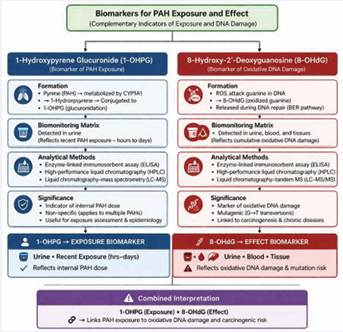
Figure 1: PAHs biomarkers and cancer risk comparison [33,38].
While PAH metabolism generates reactive intermediates that induce oxidative lesions such as 8-OHdG, the combined assessment of exposure and effect biomarkers provides a clearer understanding of the mechanistic pathway leading to carcinogenic outcomes. This review therefore synthesizes current evidence on PAH sources, exposure pathways, metabolic processes, and oxidative damage, emphasizing the complementary roles of 1-OHPG and 8-OHdG in bridging environmental exposure to biological effects. Such an integrated biomarker framework enhances risk assessment, supports the identification of vulnerable populations, and underscores its relevance in environmental health surveillance and cancer prevention strategies.
ENVIRONMENTAL SOURCES, HUMAN EXPOSURE PATHWAYS, AND TOXICOLOGICAL SIGNIFICANCE OF PAHS
Polycyclic Aromatic Hydrocarbons (PAHs) are a large group of organic compounds composed of two or more fused aromatic rings and are generated primarily through the incomplete combustion of organic matter [39]. These compounds are widely distributed in the environment and are considered important environmental pollutants due to their persistence, bioaccumulation potential, and carcinogenic properties. Anthropogenic activities such as industrial combustion, transportation emissions, tobacco smoking, and high-temperature cooking processes represent major contributors to PAH contamination in air, water, soil, and food systems [40]. Consequently, humans are continuously exposed to PAHs through multiple environmental pathways, raising significant concerns regarding their potential health effects, including carcinogenesis (Figure 2) [6,9].
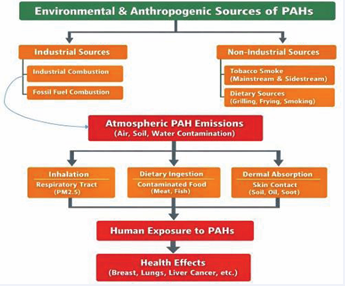
Figure 2: Pathways of Environmental and Anthropogenic PAH Exposure and Health Effects [39,60,61].
Environmental and Anthropogenic Sources of PAHs
Industrial Combustion: Industrial activities constitute one of the primary anthropogenic sources of PAHs in the environment. Processes involving coal combustion, petroleum refining, coke production, and metallurgical operations generate large quantities of PAHs as by products of incomplete combustion [41]. These compounds are released into the atmosphere through industrial emissions and subsequently deposited in surrounding soils and aquatic systems through atmospheric fallout. Occupational settings such as aluminum production, coal tar processing, asphalt production, and coke ovens have historically been associated with elevated PAH exposure levels and increased cancer risk among workers [9,41].
In industrialized regions, emissions from fossil fuel combustion remain a dominant source of atmospheric PAHs. Once released into the atmosphere, PAHs can bind to particulate matter and undergo long-range transport before depositing onto terrestrial and aquatic environments, thereby expanding their geographical distribution and potential exposure risks [8].
Vehicular Emissions: Vehicular traffic is another major contributor to environmental PAH pollution, particularly in urban environments. PAHs are generated during the incomplete combustion of gasoline and diesel fuels in internal combustion engines. Roadside environments often exhibit elevated concentrations of PAHs in air and soil due to continuous exposure to exhaust emissions from automobiles, trucks, and buses [42,43]. Studies examining urban environmental contamination have demonstrated that vehicular emissions represent a dominant source of PAHs in urban soils and atmospheric particulate matter, highlighting the role of traffic density in determining local PAH pollution levels [25].
In addition to exhaust emissions, other vehicular related sources include tire wear, brake lining degradation, and the volatilization of petroleum-based products used in road construction. As a result, individuals living or working near high-traffic areas may experience significantly higher exposure to airborne PAHs [44].
Tobacco Smoke: Tobacco smoke represents an important indoor source of PAH exposure. During cigarette smoking, the pyrolysis of tobacco components generates numerous toxic compounds, including PAHs. More than 500 PAH compounds have been detected in tobacco smoke, several of which possess carcinogenic properties [45-47].
Both mainstream smoke (inhaled by smokers) and sidestream smoke (released into the surrounding environment) contain substantial levels of PAHs such as benzo[a]pyrene, benz[a]anthracene, and chrysene [48]. These compounds contribute significantly to the carcinogenic potential of cigarette smoke and are strongly associated with the development of lung cancer and other smoking-related diseases [45]. Epidemiological studies have shown that exposure to tobacco smoke-derived PAHs correlates with increased cancer risk among smokers, emphasizing the importance of tobacco control in reducing PAH exposure [46].
Dietary Sources (Charred and Smoked Foods): Dietary intake represents a major route of polycyclic aromatic hydrocarbon (PAH) exposure in the general population. PAHs are formed during high-temperature cooking processes such as grilling, roasting, frying, and smoking, particularly when fat and juices from meat drip onto hot surfaces or open flames, leading to incomplete combustion and the subsequent deposition of PAHs onto the surface of foods [49,50]. Common dietary sources associated with elevated PAH concentrations include charbroiled meats, smoked fish, roasted coffee, grilled vegetables, and various smoked or preserved foods. For individuals who are non-smokers and not occupationally exposed, dietary intake is often considered the predominant route of PAH exposure, underscoring the critical role of food preparation methods in determining overall PAH intake [9].
Routes of Human Exposure
Human exposure to PAHs occurs through several pathways, primarily inhalation, dietary ingestion, and dermal absorption. The relative importance of each route depends on environmental conditions, lifestyle habits, and occupational factors.
Inhalation: Inhalation of contaminated air is a major exposure pathway, particularly in urban and industrial areas. PAHs are often adsorbed onto fine particulate matter such as PM2.5 and PM10 ), allowing them to be inhaled deep into the respiratory tract [51]. Major sources of airborne PAHs include vehicle exhaust, industrial emissions, tobacco smoke, and residential biomass combustion. Inhaled PAHs can deposit in the lungs and undergo metabolic activation within pulmonary tissues, potentially initiating carcinogenic processes [52].
Dietary Ingestionl Dietary ingestion represents one of the most significant exposure routes for PAHs in the general population [49]. Contaminated foods may contain PAHs formed during cooking or introduced through environmental contamination of soil and water. PAHs can accumulate in agricultural crops, fish, and livestock products, particularly in regions affected by industrial pollution or oil spills [53]. Studies have shown that the ingestion pathway may contribute substantially to total PAH exposure, particularly in populations with diets rich in smoked or grilled foods [54,55].
Dermal Absorption: Dermal contact with PAH contaminated materials also contributes to human exposure. Occupational groups such as asphalt workers, chimney sweeps, firefighters, and petroleum industry workers are particularly vulnerable to dermal exposure. PAHs present in contaminated soils, oils, coal tar, and soot can penetrate the skin and enter systemic circulation [56,57]. Environmental exposure can also occur through contact with contaminated sediments, soils, or industrial products containing PAHs [58,59] (Figure 2).
Toxicological and Carcinogenic Significance
The toxicological importance of PAHs lies in their ability to undergo metabolic activation within the body, producing reactive intermediates capable of damaging cellular macromolecules.
Metabolic Activation of PAHs: PAHs themselves are relatively inert in their parent form; however, their toxicity arises after metabolic transformation within the body. Once absorbed, PAHs undergo enzymatic biotransformation primarily in the liver through Phase I metabolic reactions mediated by cytochrome P450 enzymes such as CYP1A1 and CYP1B1 [52,62,63]. These reactions convert PAHs into highly reactive intermediates such as epoxides and diol epoxides, which can bind covalently to DNA, forming DNA adducts that interfere with normal replication processes. If these DNA lesions are not repaired, they may lead to mutations and ultimately initiate carcinogenesis [12,64].
Evidence Linking PAH Exposure to Human Malignancies: A large body of epidemiological and experimental evidence supports the carcinogenic potential of PAHs. Occupational exposure studies among coke oven workers, aluminum smelter workers, and chimney sweeps have demonstrated significantly elevated risks of cancers such as breast, lung, skin and bladder cancer (Figure 3) [52,65-69]. Several PAHs have been classified as carcinogenic by the International Agency for Research on Cancer, including benzo[a]pyrene, which is widely recognized as a prototypical PAH carcinogen [9]. Animal experiments further support these findings, showing that chronic exposure to PAHs can induce tumors in multiple organs, including the liver, lung, and skin (Table 1) [70].
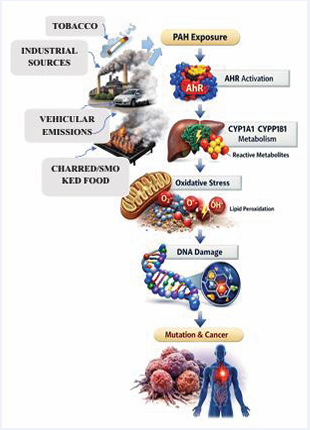
Figure 3: Environmental sources of PAHs and major human exposure pathways [39].
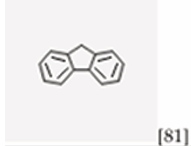
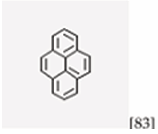
Table 1: Adapted from IARC [9] and Montano et al. [39], summarizing major environmental sources, exposure pathways, and carcinogenic classifications of selected PAHs compounds
|
PAH Compound |
Structure (PubChem) |
Major Environmental Source |
Main Exposure Pathway |
Carcinogenic Classification |
|
Anthracene |
|
Coal tar, wood combustion, industrial processes |
Dermal, inhalation |
IARC Group 2B |
|
Benzo[a]pyrene |
Vehicle exhaust, tobacco smoke, grilled food |
Inhalation, diet |
IARC Group 1 |
|
|
Benz[a]anthracene |
|
Fossil fuel combination |
Inhalation |
IARC Group 2B |
|
Chrysene |
|
Idustrial emissions, smoking |
Inhalation, dermal |
IARC Group 2B |
|
Benzo[b]fluoranthene |
Diesel exhaust |
Inhalation |
IARC Group 2B |
|
|
Dibenz[a,h]anthracene |
|
Coal tar, petroleum products |
Dermal, inhalation |
IARC Group 2A |
|
Fluorene |
|
Fossil fuel combustion, oil spills |
Inhalation, dermal |
IARC Group 3 |
|
Naphthalene |
|
Mothballs, tobacco smoke, fuel combustion |
Inhalation |
Group 2B |
|
Pyrene |
|
Biomass burning, vehicle exhaust |
Inhalation, dermal |
Group 3 |

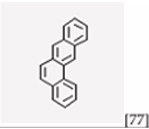
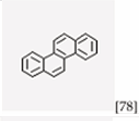
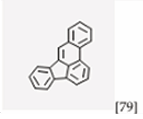
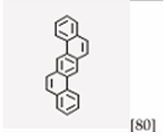

Role of the Aryl Hydrocarbon Receptor Signaling Pathway in PAH Toxicity: The biological effects of PAHs are strongly influenced by activation of the Aryl Hydrocarbon Receptor signaling pathway. The aryl hydrocarbon receptor (AhR) is a ligand-activated transcription factor that regulates the expression of genes involved in xenobiotic metabolism [71]. Thus, AhR activation represents a key molecular mechanism linking environmental PAH exposure to cellular toxicity and carcinogenesis. Upon exposure to PAHs, these compounds bind to AhR in the cytoplasm, forming a ligand-receptor complex that translocates into the nucleus. The activated receptor subsequently binds to specific DNA response elements, promoting the transcription of detoxification enzymes such as CYP1A1 and CYP1BThese enzymes metabolize PAHs into reactive intermediates capable of generating oxidative stress and DNA damage [72-74].
Biotransformation of PAHs and the Emergence of Exposure Biomarkers:Polycyclic aromatic hydrocarbons (PAHs) are environmentally pervasive organic contaminants formed by incomplete combustion of organic matter, fossil fuels, and tobacco smoke [8,9]. Once PAHs enter the body via inhalation, ingestion, or dermal absorption, they undergo a series of enzymatic transformations collectively termed biotransformation. This process both attempts to detoxify hydrophobic PAHs and, paradoxically, can produce reactive metabolites with greater toxicity than the parent compound. Biotransformation comprises two broad phases: Phase I bioactivation and Phase II detoxification, culminating in metabolites that may serve as biomarkers of exposure [4,6,64].
Metabolic Activation of PAHs
In Phase I, PAHs undergo oxidative metabolism primarily catalyzed by cytochrome P450 (CYP) enzymes in the liver and extra-hepatic tissues. CYP1A1, CYP1A2, and CYP1B1 isoforms are particularly important in PAH metabolism, where they introduce oxygen into the hydrophobic compounds to form epoxides, dihydrodiols, and quinones (Figure 4) [64]. These intermediate products can have increased reactivity with cellular macromolecules, including DNA and proteins, raising the risk of mutagenesis and carcinogenesis if not further processed. For example, the bioactivation of benzo[a]pyrene to benzo[a]pyrene 7,8-diol-9,10-epoxide (BPDE) is well documented as a critical step in PAH-induced carcinogenicity [84]. Such reactive intermediates are central to understanding both toxic effects and the development of biomarkers that reflect internal dose and metabolic activity.
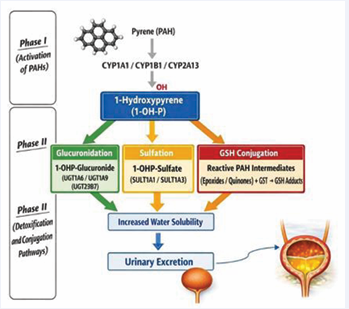
Figure 4: Metabolic pathway of PAHs leading to the formation of Urinary 1-Hydoxypyrene Glucoronide [64,85–87].
Phase II Detoxification and Conjugation Pathways
Following Phase I activation, PAH metabolites are subject to Phase II conjugation reactions, which enhance water solubility and facilitate excretion. Glucuronidation, catalyzed by UDP-glucuronosyltransferases (UGTs), attaches glucuronic acid to hydroxylated PAH metabolites, yielding glucuronides that are readily eliminated in urine and bile. Sulfation, mediated by sulfotransferases (SULTs), similarly conjugates sulfate groups, further increasing solubility. In addition, glutathione S-transferases (GSTs) catalyze the formation of glutathione conjugates, particularly with electrophilic epoxides, thereby reducing their potential to bind to DNA [85,86]. These Phase II pathways not only represent detoxification mechanisms but also generate metabolites that serve as measurable indicators of exposure and metabolic processing Figure Variations in enzyme expression due to genetic polymorphisms or co-exposures can influence the balance between detoxification and formation of harmful intermediates, underscoring the complexity of PAH biotransformation in different populations [86].
1-Hydroxypyrene Glucuronide as a Biomarker of PAH Exposure
Among the array of PAH metabolites, 1-hydroxypyrene (1-OHP) and its glucuronide conjugate have emerged as robust biomarkers for assessing PAH exposure in occupational and environmental settings [27,88]. Pyrene is a four-ring PAH commonly present in combustion products, and its principal human metabolite, 1-OHP, is formed through CYP-mediated oxidation followed by Phase II glucuronidation [89]. Once conjugated with glucuronic acid, 1-hydroxypyrene glucuronide (1-OHPG) is excreted in urine and reflects recent exposure to PAHs, integrating multiple exposure routes over the preceding 24–48 hours. Because 1-OHPG levels correlate with external exposure metrics and internal dose, it has been widely used in biomonitoring studies of traffic-related air pollution, coke oven emissions, and charcoal workers [22,90]. Importantly, urinary creatinine adjustment is often applied to account for variations in urine concentration when interpreting 1-OHPG levels (Figure 5) [91].
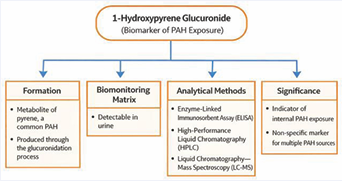
Figure 5: 1-Hydroxypyrene Glucuronide biomarker overview [92].
ANALYTICAL DETECTION AND BIOMONITORING APPROACHES
Accurate measurement of PAH metabolites like 1-OHPG depends on sensitive and specific analytical techniques. High-performance liquid chromatography (HPLC) with fluorescence detection has been a mainstay in biomonitoring because of its capacity to quantify low nanomolar concentrations of PAH metabolites in complex biological matrices [93]. Advances in liquid chromatography–mass spectrometry (LC-MS) have further enhanced analytical performance, offering improved selectivity, lower detection limits, and the ability to simultaneously quantify multiple metabolites, including glucuronides and sulfates, without the need for extensive sample clean-up. LC-MS methods also enable stable isotope dilution quantitation, reducing matrix effects and improving comparability across studies [94]. In addition, enzyme linked immunosorbent assay (ELISA) techniques are widely employed as rapid, cost-effective immunochemical tools for screening PAH metabolites in urine and biological samples in large-scale exposure studies [27,95]. Together, these approaches provide powerful tools for biomonitoring exposure in epidemiological research and risk assessment, linking environmental sources of PAHs with internal doses and potential health outcomes (Table 2).
Table 2: Epidemiological studies assessing urinary 1-Hydroxypyrene Glucuronide in exposed populations.
|
Study (Author, Year) |
Population / Location |
Exposure Source |
Biomarker Measured |
Analytical Method |
Key Findings |
|
Anyakora et al. [96] |
Petrol attendants & mechanics, Nigeria |
Occupational PAHs |
Urinary 1-OHPG / total pyro metabolites |
HPLC-UV (1-OHP measurement includes 1-OHPG portion) |
Indicated occupational PAH exposure in service workers. |
|
Cho et al, [97] |
Coke-oven workers, Korea |
Workplace PAH exposures |
Urinary 1-OHPG |
Immunoaffinity + HPLC |
Urinary 1-OHPG showed internal dose differences pre-and post-intervention. |
|
Fagundes et al. [21] |
Adults, Rio Grande do Sul, Brazil |
Tobacco smoke, maté intake |
Urinary 1-OHPG |
Immunoaffinity chromatography followed by HPLC with fluorescence detection (HPLC FLD) |
Higher urinary 1-OHPG associated with smoking and maté drinking. |
|
Hofmann et al. [98] |
Women, Shanghai, China |
PAH exposure sources |
Urinary 1-OHPG |
Immunoaffinity + fluorescence |
Identified environmental/ dietary determinants of 1-OHPG. |
|
Hong [99] |
Hospital workers, Korea |
Smokers/non-smokers |
Urinary 1-OHPG |
Immunoaffinity + fluorescence |
Smoking status modified 1-OHPG levels. |
|
Adetunde, [100] |
Smokers, Lagos, Nigeria |
Tobacco smoke |
Urinary 1-OHP / 1-OHPG |
HPLC with UV detection (HPLC UV)) |
Smokers & passive smokers had higher urinary 1-OHP supporting PAH exposure. |
|
Kakimoto et al. [101] |
Japan |
Mixed environmental and occupational exposures |
Urinary 1-OHPG |
LC–MS/MS |
Sensitive and direct quantification of 1-OHPG, improving specificity of exposure assessment in diverse populations. |
|
Lai et al. [102] |
Highway toll station workers |
Traffic exhaust air pollution (PM2.5) |
Urinary 1-OHPG |
Immunoaffinity chromatography followed by HPLC-FLD |
Significant elevation in urinary 1-OHPG associated with traffic exhaust exposure; correlated with lipid peroxidation and antioxidant biomarkers. |
|
Lee et al., [103] |
Incinerator workers, Korea |
Occupational PAH |
Urinary 1-OHPG |
Synchronous fluorescence after immunoaffinity |
GSTM1 genotype influenced urinary 1-OHPG. |
|
Lee et al. [104] |
Children, South Korea |
Environmental smoke & diet |
Urinary 1-OHPG |
Immunoaffinity + fluorescence |
ETS (parental smoking) and grilled food associated with higher 1-OHPG. |
|
Lintelmann et al. [105] |
Adults |
Diet & ambient PAH |
Urinary 1-OHPG |
HPLC-fluorescence detection, LC/MS |
Elevated 1-OHP with high-PAH exposures. |
|
Kim & Hong., [106] |
Elderly Koreans |
Ambient and lifestyle PAH exposure |
Urinary 1-OHP |
|
Urinary 1-OHP levels associated with oxidative stress markers (MDA), supporting exposure effect links in environmental studies. |
|
Olujimi et al., [107] |
Charcoal workers, Nigeria |
Occupational PAH |
Urinary 1-OHP |
HPLC (total including glucuronide) |
Charcoal workers showed elevated urinary biomarkers. |
|
Peters et al. [108] |
Children, Baltimore, USA |
ETS & outdoor air |
Urinary 1-OHPG |
Enzymatic hydrolysis + HPLC with fluorescence detection (HPLC FLD) |
Second-hand smoke linked to elevated 1-OHPG. |
|
Raponi et al., [109] |
Europe (adult population) |
Environmental exposure (ambient air, diet) |
Urinary 1-OHPG and other metabolites |
HPLC-MS/MS |
Sensitive measurement of 1-OHPG and other OH-PAHs in a mixed exposure cohort, demonstrating utility of MS- based biomonitoring. |
|
Sithisarankul et al., [110] |
Mixed adult subjects (non-smokers and smokers) |
Tobacco smoke and dietary grilled/broiled meats |
Urinary 1-OHPG |
Immunoaffinity chromatography + synchronous fluorescence spectroscopy |
Significant positive associations between urinary 1-OHPG and number of cigarettes smoked and consumption of grilled/broiled meat; supports its use as a biomarker of inhalation and dietary PAH exposure. |
|
Strickland & Kang [27] |
Occupational groups (various) |
Airborne PAH exposure |
Urinary 1-OHPG |
HPLC-fluorescence |
1-OHPG shown as a sensitive biomarker of mixed PAH exposure. |
|
Yoon et al, [111] |
Korea |
Traffic and urban exposures |
Urinary 1-OHPG |
HPLC / immunoaffinity fluorescence |
Companion study validating 1-OHPG as indicator of combined ambient exposures across age groups; linked to oxidative stress biomarkers. |
OXIDATIVE STRESS, DNA DAMAGE, AND THE BIOMARKER 8-HYDROXY-2?-DEOXYGUANOSINE
Oxidative stress is a pathological condition that arises when the generation of reactive oxygen species (ROS) exceeds the capacity of cellular antioxidant defenses, leading to damage to macromolecules such as lipids, proteins, and nucleic acids [112,113]. In the context of exposure to environmental toxicants, including polycyclic aromatic hydrocarbons (PAHs), oxidative stress is a central mechanistic pathway linking external pollutant exposure to cellular injury and disease susceptibility. One of the most prominent and widely measured manifestations of oxidative damage to DNA is the formation of 8-hydroxy 2′-deoxyguanosine (8-OHdG), an oxidized derivative of guanine that serves as a biomarker for oxidative DNA lesions and, indirectly, for chronic exposure to environmental carcinogens (Figure 6) [32,33].
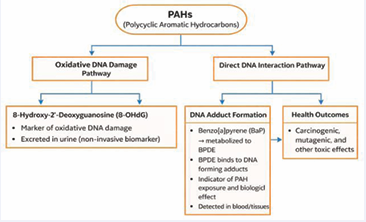
Figure 6: PAHs biological pathways using 8-hydroxy-2′-deoxyguanosine (8-OHdG) as a biomarker and health outcomes [114].
Reactive Oxygen Species Generation During PAH Metabolism
Reactive oxygen species (ROS) are a group of highly reactive molecules that include free radicals such as superoxide (O2 ?), hydroxyl radical (•OH), and non-radical species such as hydrogen peroxide (H2 O2 ) [115]. These species are normal by-products of cellular metabolism; however, during the metabolism of xenobiotics like polycyclic aromatic hydrocarbons (PAHs) the rate of ROS production increases significantly. When PAHs enter the body, they undergo enzymatic bioactivation primarily through the cytochrome P450 system in the liver and other tissues. During this process, intermediate metabolites of PAHs can undergo redox cycling, a process whereby electrons are transferred from reduced enzymatic intermediates to molecular oxygen, generating superoxide and other ROS [116]. These ROS are capable of damaging critical cellular components including lipids, proteins, and DNA. Mitochondria, as the central hub for energy production, also contribute to ROS generation during PAH exposure. Dysfunction of the mitochondrial electron transport chain caused by PAH interference leads to electron leakage and further ROS production. Excessive ROS overwhelm cellular antioxidant capacity and result in oxidative stress, a state characterized by an imbalance between pro-oxidants and antioxidant defenses [117].
This oxidative stress has been implicated as a central mechanistic link between PAH exposure and subsequent cellular damage that predisposes tissues to carcinogenesis. Evidence from experimental and epidemiological studies indicates that elevated ROS levels correlate with environmental exposures to PAHs and other carcinogenic agents, underscoring ROS’s role in mediating PAH-induced toxicity [32,118,119].
ROS generated during PAH metabolism also act as intracellular signaling molecules [120]. Under normal conditions, ROS participate in physiological processes such as cell proliferation and immune responses. However, chronic exposure to elevated ROS levels triggers stress activated signaling cascades, including the activation of transcription factors like NF-κB and AP-1, which regulate genes involved in inflammation and cell survival [121]. Persistent activation of these pathways can lead to chronic inflammation, genomic instability, and apoptosis evasion, all of which are hallmarks of carcinogenesis. The interplay between ROS generation and cellular signaling highlights how oxidative stress not only causes direct molecular damage but also disrupts normal regulatory networks, promoting maladaptive responses that contribute to disease progression.
Antioxidant Defense and Cellular Response
To protect against the harmful effects of ROS, cells possess intricate antioxidant defense systems that include enzymatic and non-enzymatic components. The Nuclear factor erythroid 2-related factor 2 (Nrf2) pathway is a central regulator of the antioxidant response. Under basal conditions, Nrf2 is bound to its inhibitor Keap1 in the cytoplasm, where it undergoes ubiquitination and proteasomal degradation. Upon oxidative stress, specific cysteine residues on Keap1 are modified by ROS, leading to stabilization and release of NrfFree Nrf2 translocates into the nucleus where it binds to antioxidant response elements (AREs) in the promoter regions of target genes [122]. In the nucleus, Nrf2 induces the expression of a wide range of cytoprotective enzymes, including superoxide dismutase (SOD), catalase, glutathione peroxidase (GPx), glutathione S-transferase (GST), and other phase II detoxification enzymes that collectively restore redox homeostasis. These enzymatic systems work synergistically to eliminate ROS, detoxify reactive intermediates, and maintain redox equilibrium. Non-enzymatic antioxidants such as reduced glutathione (GSH), vitamins C and E, and thiol-containing molecules also contribute by directly scavenging free radicals and supporting enzymatic detoxification pathways. Collectively, the antioxidant network represents a dynamic defense system that mitigates oxidative damage and maintains cellular integrity. Disruption of this defense, either through overwhelming ROS production or impaired regulatory pathways, enhances susceptibility to oxidative DNA damage and disease pathogenesis [122-124].
Formation and Biological Significance of 8-Hydroxy 2′-Deoxyguanosine
Among the variety of oxidative DNA lesions that can form in response to excessive ROS, 8-hydroxy-2′ deoxyguanosine (8-OHdG), also known as 8-oxo-7,8 dihydro-2′-deoxyguanosine (8-oxodG), is one of the most extensively studied and widely accepted biomarkers of oxidative DNA damage [125]. Oxidation of the guanine base within DNA sequences occurs because guanine has the lowest redox potential among the DNA bases, making it particularly susceptible to attack by hydroxyl radicals and other ROS. When guanine is oxidized at the C8 position, it forms 8-OHdG, which can be excised from DNA during base excision repair and released into the nucleotide pool. Once in the nucleotide pool, 8-OHdG can be excreted in urine, providing a non-invasive measure of systemic oxidative DNA damage [29,126,127]. Elevated levels of 8-OHdG have been observed in various tissues and biological fluids following exposure to environmental carcinogens such as PAHs, tobacco smoke, heavy metals, and other pro oxidant stimuli, making it a valuable indicator of oxidative stress burden [33]. In addition to reflecting cumulative oxidative DNA damage, increased 8-OHdG levels correlate with increased risk of cancer and degenerative diseases in exposed populations, supporting its relevance in risk assessment and disease monitoring [32].
The presence of 8-OHdG in DNA is not merely a marker of damage but has mutagenic consequences. During DNA replication, 8-OHdG can base-pair incorrectly with adenine instead of cytosine, leading to G→T transversion mutations. These point mutations, if not properly repaired, accumulate in critical genomic regions and contribute to genomic instability, a defining feature of carcinogenesis [29]. The accumulation of such mutations in oncogenes or tumor suppressor genes can drive uncontrolled cell proliferation, resistance to apoptosis, and other transformative changes characteristic of cancer cells. Consequently, 8-OHdG serves both as a biomarker of oxidative insults and as a mechanistic link between oxidative stress and mutagenesis. [123].
Analytical Measurement and Interpretation
Accurate quantification of 8-OHdG is paramount for interpreting oxidative DNA damage in both clinical and environmental studies. Analytical methods for measuring 8-OHdG have evolved significantly, driven by the need for specificity, sensitivity, and throughput. Traditionally chromatographic techniques such as high performance liquid chromatography (HPLC) coupled with electrochemical detection (ECD) or tandem mass spectrometry (LC–MS/MS) have been considered the gold standard for quantification due to their high specificity and ability to distinguish 8-OHdG from structurally similar compounds. These methods allow precise quantification of 8-OHdG in urine, blood, tissue extracts, and cellular DNA, making them powerful tools for both research and biomonitoring [33]. HPLC–MS/MS methodologies have gained favor as they combine chromatographic separation with mass-based detection, enhancing discrimination against potential confounders and improving quantitative accuracy. Recently, integrated methods that simultaneously quantify 8-OHdG and PAH metabolites in urine have been developed to streamline exposure and effect assessment in epidemiological studies [114,123].
Aside from immunological chromatographic assays such as approaches, enzyme-linked immunosorbent assay (ELISA) are widely used due to their relative simplicity and suitability for large-scale population studies. ELISA methods employ specific antibodies to detect 8-OHdG in biological samples. While ELISA offers higher throughput and lower cost, it may have limitations in specificity and potential cross reactivity compared with chromatographic methods, which can affect absolute quantification [33]. Corrections for urine dilution, such as normalization to creatinine concentration, are routinely applied when interpreting urinary 8-OHdG levels to account for variations in sample concentration. Overall, interpreting 8-OHdG data requires careful consideration of the analytical method, biological matrix, and population characteristics, but this biomarker remains an indispensable tool for linking oxidative DNA damage with environmental exposures such as PAHs and disease risk (Table 3) [32].
Table 3: Studies reporting elevated 8-Hydroxy-2′-Deoxyguanosine in populations exposed to PAHs.
|
Study (Author, Year) |
Population / Location |
Exposure Source |
Biomarker Measured |
Analytical Method |
Key Findings |
|
Cao et al. [128] |
Large general population |
Ambient PAHs |
8-OHdG |
LC-MS/MS ELISA |
Urinary 8-OHdG positively associated with high-MW PAH metabolites. |
|
Chien & Yeh, [129] |
Adult volunteers |
Barbecued meat (dietary PAHs) |
Urinary 8-OHdG |
HPLC-ECD |
Significant increase in urinary 8-OHdG correlating with PAH metabolites after intake. |
|
Marczynski et al. [130] |
Workers in coke-oven / graphite plant |
Occupational PAH exposure |
8-oxodGuo (in WBC) |
HPLC-ECD |
Exposed workers showed 1.38–2.15× higher 8-oxodGuo vs control, indicating PAH-linked DNA oxidative damage. |
|
Nguyen et al. [131] |
Coke-oven workers, Korea |
Workplace PAH exposures |
Urinary 8-OHdG & 1-OHPG |
Immunoaffinity + HPLC |
Urinary 1-OHdG showed internal dose differences pre / post-intervention as a sensitive PAH biomarker. |
|
Ren et al. [132] |
Older adults |
Urban air pollution with PAHs |
Urinary 8-OHdG |
ELISA |
Ambient PM and organic carbon associated with increased 8-OHdG. 1-Hydroxypyrene |
|
Ryu & Hong [118] |
Workers with mixed PAH exposures |
Occupational/ Environmental PAHs |
Urinary 8-OHdG |
LC-MS/MS ELISA |
Significantly correlated with 8-OHdG in multiple exposed groups. |
|
Souza et al. [133] |
Lactating women & infants, Brazil |
Environmental PAHs + metals |
Urinary 8-OHdG |
LC-MS/MS ELISA |
PAH metabolites linked to increased urinary 8-OHdG by ML analysis. |
|
Sun et al. [134] |
Adults, China |
Ambient/background PAHs |
Urinary 8-OHdG |
GC-MS + HPLC-ECD |
Dose-dependent relationship between urinary OH-PAHs and 8-OHdG. |
|
Xiao et al. [135] |
Workers & residents, South China |
Occupational incineration PAHs |
Urinary 8-OHdG |
LC-MS/MS ELISA |
Higher PAH exposure and 8-OHdG in incineration workers vs controls. |
|
Zhang et al. [136] |
Residents, Guangzhou, China |
Indoor PAHs in dust |
Urinary 8-OHdG |
LC-MS/MS ELISA |
Positive association between PAH metabolites and 8-OHdG |
INTEGRATIVE BIOMARKER FRAMEWORK LINKING PAH EXPOSURE TO CARCINOGENESIS
The growing complexity of environmental carcinogenesis necessitates the development of integrative frameworks that can effectively link external exposure to internal biological responses and ultimately to disease outcomes. In this context, the combined application of exposure and effect biomarkers has emerged as a powerful approach in molecular epidemiology. Polycyclic aromatic hydrocarbons (PAHs), as ubiquitous environmental pollutants, exert their carcinogenic effects through a sequence of biological events that begin with exposure, proceed through metabolic activation and oxidative stress, and culminate in DNA damage and mutagenesis. The integration of biomarkers such as 1-hydroxypyrene glucuronide (1-OHPG) and 8-hydroxy-2′-deoxyguanosine (8-OHdG) provides a mechanistic continuum that bridges these stages, offering a comprehensive tool for assessing environmental cancer risk [22,37] (Figure 7).
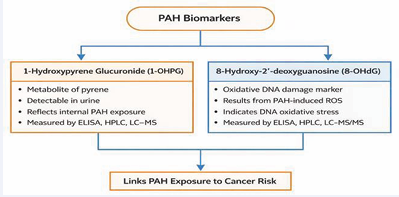
Figure 7: Integrative framework of PAH biomarkers (1-OHPG and 8-OHdG) linking environmental PAH exposure to oxidative DNA damage and cancer risk [137].
Complementary Roles of Exposure and Effect Biomarkers
Biomarkers can be broadly categorized into exposure biomarkers, which reflect the internal dose of a toxicant, and effect biomarkers, which indicate early biological responses to that exposure. The integration of these biomarker classes is essential for establishing causal relationships between environmental pollutants and disease outcomes [138].
1-Hydroxypyrene glucuronide (1-OHPG) is widely recognized as a robust biomarker of internal exposure to PAHs. As a Phase II conjugated metabolite of pyrene, 1-OHPG reflects the extent to which PAHs have been absorbed, metabolized, and processed within the body. Because pyrene is commonly present in PAH mixtures, urinary 1-OHPG serves as a reliable surrogate for total PAH exposure across multiple routes, including inhalation, ingestion, and dermal absorption. Numerous biomonitoring studies have demonstrated that urinary 1-OHPG levels correlate strongly with environmental and occupational exposure scenarios, including traffic-related air pollution, industrial emissions, and tobacco smoke [22,26]. Importantly, 1-OHPG integrates exposure over a short biological window typically between 24 to 48 hours, making it particularly useful for assessing recent exposure.
In contrast, 8-hydroxy-2′-deoxyguanosine (8-OHdG) represents a biomarker of biological effect, specifically oxidative DNA damage induced by reactive oxygen species (ROS). The formation of 8-OHdG occurs when ROS generated during PAH metabolism attack guanine bases in DNA, leading to oxidative lesions that can result in mutagenic base mispairing. Elevated levels of 8-OHdG in urine, blood, or tissue reflect increased oxidative stress and DNA damage, which are key events in the initiation of carcinogenesis [32]. Unlike 1-OHPG, which reflects exposure, 8-OHdG provides insight into the downstream biological consequences of that exposure.
The complementary use of 1-OHPG and 8-OHdG enables a more comprehensive assessment of the exposure effect relationship. While 1-OHPG quantifies the internal burden of PAHs, 8-OHdG captures the resulting oxidative DNA damage, thereby linking external environmental exposure to molecular events that may lead to cancer. This integrative biomarker approach aligns with modern paradigms in environmental health, which emphasize the need to connect exposure metrics with biological endpoints to strengthen causal inference [19].
Evidence from Combined Biomarker Studies
A growing body of epidemiological studies has explored the simultaneous measurement of 1-OHPG and 8-OHdG to better understand the relationship between PAH exposure and oxidative DNA damage. These studies provide empirical support for the mechanistic link between exposure and biological effect, demonstrating that increased internal PAHs burden is often associated with elevated levels of oxidative DNA lesions.
Several occupational and environmental studies have reported positive correlations between urinary 1-OHPG and 8-OHdG levels. For instance, workers exposed to high levels of PAHs, such as coke oven workers, asphalt workers, and traffic police officers, often exhibit significantly elevated concentrations of both biomarkers compared to control populations (Table 4) [6,22,139,140]. These findings suggest that increased PAH exposure leads to enhanced ROS generation and subsequent oxidative DNA damage. Similarly, studies conducted in urban populations have demonstrated that individuals living in areas with high air pollution levels show concurrent increases in urinary 1-OHPG and 8-OHdG, further supporting the link between environmental exposure and oxidative stress [26].
The correlation between these biomarkers has important implications for environmental risk assessment. By combining exposure and effect biomarkers, researchers can better characterize the dose–response relationship and identify thresholds at which PAH exposure begins to exert harmful biological effects. This approach enhances the sensitivity and specificity of biomonitoring, allowing for more accurate identification of at-risk populations. Furthermore, the integration of 1-OHPG and 8-OHdG facilitates the evaluation of intervention strategies aimed at reducing exposure or mitigating oxidative damage, thereby contributing to public health protection (Table 4).
Table 4: Studies Simultaneously Evaluating Urinary 1-Hydroxypyrene Glucuronide and 8-Hydroxy-2′ Deoxyguanosine.
|
Study Population |
Exposure Source |
Key Findings |
Authors and publication year |
|
Coke oven workers |
Industrial PAHs |
Elevated 1-OHPG and 8 OHdG; positive correlation |
Jongeneelen [22]; Li et al. [140] |
|
Traffic police |
Vehicular emissions |
Increased levels of OH pyrene and 8-OHdG in exposed and control group |
Kamal et al. [139]; Li et al. [26] |
|
Urban residents |
Air pollution |
Higher biomarker levels of 1-OHPyr and 8-OHdG |
Wang et al. [137]; Kim et al. [6] |
|
Smokers vs non-smokers |
Tobacco smoke |
Significantly higher 1 OHPG, Oxidative stress marker and 8-OHdG in smokers |
Hecht, [46]; Leem et al. [141] |
PAH Exposure, Biomarkers, and Cancer Risk
The integration of exposure and effect biomarkers provides a critical link between environmental PAH exposure and cancer risk. Epidemiological evidence has consistently demonstrated associations between PAH exposure and increased incidence of various cancers, including lung, skin, bladder, and breast cancers. These associations are supported by both occupational studies and general population analyses, highlighting the widespread impact of PAHs on human health [3,9].
Biomarkers such as 1-OHPG and 8-OHdG play a crucial role in elucidating the mechanistic pathways underlying these associations. Elevated levels of 1-OHPG indicate increased internal exposure to PAHs, while elevated 8-OHdG levels reflect oxidative DNA damage, a key step in carcinogenesis (Table 5).
Table 5: Cancer Types Associated with PAH Exposure and Biomarker Elevation.
|
Cancer Type |
Associated PAH Exposure |
Biomarker Evidence |
Authors and publication year |
|
Lung cancer |
Air pollution, smoking |
Elevated 1-OHPG & 8-OHdG |
IARC [9]; Hecht [46] |
|
Skin cancer |
Occupational exposure |
Increase 1-OHPG & 8-OHdG |
Boström et al. [4]; Burke [142]; Lee et al. [143] |
|
Bladder cancer |
Industrial PAHs |
Oxidative DNA damage observed |
Loomis et al., [3]; Boström et al. [4] |
|
Breast cancer |
Environmental PAHs |
Elevated 1-OHPG & 8-OHdG |
Lee et al. [11]; Valavanidis et al. [32] |
The presence of oxidative DNA lesions such as 8-OHdG is particularly significant because they can lead to G→T transversion mutations, which are commonly observed in oncogenes and tumor suppressor genes in various cancers [32]. Moreover, studies have shown that individuals with persistently high levels of oxidative DNA damage biomarkers are at greater risk of developing cancer, suggesting that 8-OHdG serve as a predictive marker for disease progression [32]. The combined assessment of 1-OHPG and 8-OHdG therefore provides a more comprehensive understanding of cancer risk, capturing both exposure and early molecular effects.
LIMITATIONS, KNOWLEDGE GAPS, AND FUTURE DIRECTIONS
Despite the significant advances in biomarker research, several limitations and knowledge gaps remain in the application of integrated biomarker frameworks. One major challenge is inter-individual variability in PAH metabolism, which can significantly influence biomarker levels. Genetic polymorphisms in enzymes such as cytochrome P450s, glutathione S-transferases, and UDP glucuronosyltransferases can alter the rate of PAH biotransformation, leading to differences in both 1-OHPG formation and ROS generation among individuals [85]. This variability complicates the interpretation of biomarker data and may obscure true exposure effect relationships. Another limitation is the presence of confounding environmental exposures. Individuals are often exposed to multiple pollutants simultaneously, including heavy metals, volatile organic compounds, and particulate matter, all of which can contribute to oxidative stress and DNA damage. As a result, elevated 8-OHdG levels may not be exclusively attributable to PAH exposure, reducing the specificity of this biomarker in complex environmental settings.
Furthermore, most studies rely on cross-sectional designs, which limit the ability to establish causal relationships between exposure, biomarker changes,and disease outcomes. Longitudinal studies are needed to better understand temporal relationships and to evaluate the predictive value of these biomarkers in cancer development. Future research should focus on the integration of biomarker data with advanced “omics” technologies, including genomics, transcriptomics, proteomics, and metabolomics. Such multi-omics approaches can provide a more comprehensive understanding of the molecular mechanisms underlying PAH-induced carcinogenesis and may identify novel biomarkers with improved sensitivity and specificity. Additionally, the development of standardized protocols for biomarker measurement and interpretation will enhance comparability across studies and facilitate the translation of research findings into public health practice [37].
CONCLUSIONS
Polycyclic aromatic hydrocarbons (PAHs) represent a significant class of environmental carcinogens whose adverse health effects are mediated through well-defined molecular mechanisms. Following exposure via inhalation, ingestion, or dermal contact, PAHs undergo metabolic activation that generates reactive intermediates and reactive oxygen species (ROS), leading to oxidative stress and DNA damage. The formation of oxidative DNA lesions, particularly 8-hydroxy-2′-deoxyguanosine (8-OHdG), plays a critical role in mutagenesis and genomic instability, thereby contributing to the initiation and progression of cancer. This mechanistic pathway highlights the continuum linking environmental exposure to molecular injury and ultimately carcinogenesis.
The simultaneous integration of 1-hydroxypyrene glucuronide (1-OHPG) and 8-hydroxy-2′-deoxyguanosine (8-OHdG) provides a powerful biomonitoring framework that captures both internal exposure and early biological effects. While 1-OHPG reflects the internal burden of PAHs following metabolic processing, 8-OHdG serves as an indicator of oxidative DNA damage resulting from such exposure. The combined use of these complementary biomarkers enhances the ability to establish exposure effect relationships, improves the accuracy of risk assessment, and strengthens causal inference in environmental health studies (Figure 8).
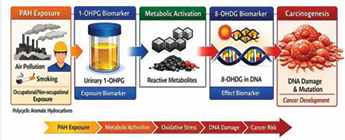
Figure 8: Integrated mechanistic pathway linking PAH exposure, biomarker formation, oxidative DNA damage, and carcinogenesis [32,144].
Overall, this integrative biomarker approach has important implications for environmental health surveillance and cancer risk prediction. By enabling early detection of both exposure and molecular damage, it offers valuable opportunities for identifying at-risk populations, guiding preventive interventions, and informing regulatory policies. Future advancements incorporating multi-omics technologies and longitudinal study designs will further refine this framework and enhance its applicability in precision environmental health and cancer epidemiology.
AUTHOR CONTRIBUTIONS
Adeoye B. Awolesi: Conceptualization; writing— original draft preparation; writing—review and editing. The author has read and agreed to the published version of the manuscript.
REFERENCES
- Abravan A, Fornacon-Wood I, Kingston R, Topping D, Price G. Environmental determinants of cancer outcomes: a scoping review. Radiotherap Oncol. 2026; 217: 111408.
- World Health Organization (WHO). Cancer. 2025.
- Loomis D, Grosse Y, Lauby-Secretan B, Ghissassi FE, Bouvard V, Benbrahim-Tallaa L, et al. The carcinogenicity of outdoor air pollution. Lancet Oncol. 2013; 14: 1262-1263.
- Boström C, Gerde P, Hanberg A, Jernström B, Johansson C, Kyrklund C, et al. Cancer risk assessment, indicators, and guidelines for polycyclic aromatic hydrocarbons in the ambient air. 2002; 110.
- Sekar M, Praveenkumar TR. Critical review on the formations and exposure of polycyclic aromatic hydrocarbons (PAHs) in the conventional hydrocarbon-based fuels: Prevention and control strategies. Chemosphere. 2024; 350: 141005.
- Kim KH, Jahan SA, Kabir E, Brown RJC. A review of airborne polycyclic aromatic hydrocarbons (PAHs) and their human health effects. Environ Int. 2013; 60: 71-80.
- Venkatraman G, Giribabu N, Mohan PS, Muttiah B, Govindarajan VK, Alagiri M, et al. Environmental impact and human health effects of polycyclic aromatic hydrocarbons and remedial strategies: A detailed review. Chemosphere. 2024; 351: 141227.
- Abdel-Shafy HI, Mansour MSM. A review on polycyclic aromatic hydrocarbons: Source, environmental impact, effect on human health and remediation. Egyptian J Petroleum. 2016; 25: 107-123.
- IARC Working Group on the Evaluation of Carcinogenic Risks to Humans. Some non-heterocyclic polycyclic aromatic hydrocarbons and some related exposures. IARC Monogr Eval Carcinog Risks Hum. 2010; 92:
- Praise SA, Olusanya MM, Kolawole AT, Awolesi AB, Igbin CO, Egunjobi GD, et al. Computational profiling of flavonoids against key breast cancer targets: an in-silico exploration. In Silico Pharmacol. 2025; 13: 192.
- Lee KH, Shu XO, Gao YT, Ji BT, Yang G, Blair A, et al. Breast Cancer and Urinary Biomarkers of Polycyclic Aromatic Hydrocarbon and Oxidative Stress in the Shanghai Women’s Health Study. 2010; 19: 877-883.
- Baird WM, Hooven LA, Mahadevan B. Carcinogenic polycyclic aromatic hydrocarbon-DNA adducts and mechanism of action. Environ Mol Mutagen. 2005; 45: 106-114.
- Androutsopoulos VP, Tsatsakis AM, Spandidos DA. Cytochrome P450 CYP1A1: wider roles in cancer progression and prevention. BMC Cancer. 2009; 9: 187.
- Denison MS, Nagy SR. Activation of the Aryl Hydrocarbon Receptor by Structurally Diverse Exogenous and Endogenous Chemicals. Annu Rev Pharmacol Toxicol. 2003; 43: 309-334.
- Bahman F, Choudhry K, Al-Rashed F, Al-Mulla F, Sindhu S, Ahmad R. Aryl hydrocarbon receptor: current perspectives on key signaling partners and immunoregulatory role in inflammatory diseases. Front Immunol. 2024; 15: 1421346.
- Jomova K, Raptova R, Alomar SY, Alwasel SH, Nepovimova E, Kuca K, et al. Reactive oxygen species, toxicity, oxidative stress, and antioxidants: chronic diseases and aging. Arch Toxicol. 2023; 97: 2499-2574.
- Vandenberg LN, Rayasam SDG, Axelrad DA, Bennett DH, Brown P, Carignan CC, et al. Addressing systemic problems with exposure assessments to protect the public’s health. Environ Health. 2023; 21: 121.
- Muñoz B, Albores A. The Role of Molecular Biology in the Biomonitoring of Human Exposure to Chemicals. Int J Mol Sci. 2010; 11: 4511-4525.
- Vineis P, Perera F. Molecular Epidemiology and Biomarkers in Etiologic Cancer Research: The New in Light of the Old. Cancer Epidemiol Biomarkers Prev. 2007; 16: 1954-1965.
- Arnold SM, Angerer J, Boogaard PJ, Hughes MF, O’Lone RB, Robison SH, et al. The use of biomonitoring data in exposure and human health risk assessment: benzene case study. Crit Rev Toxicol. 2013; 43: 119-153.
- Fagundes RB, Abnet CC, Strickland PT, Kamangar F, Roth MJ, Taylor PR, et al. Higher urine 1-hydroxy pyrene glucuronide (1-OHPG) is associated with tobacco smoke exposure and drinking maté in healthy subjects from Rio Grande do Sul, Brazil. BMC Cancer. 2006; 6: 139.
- Jongeneelen FJ. Benchmark guideline for urinary 1-hydroxypyrene as biomarker of occupational exposure to polycyclic aromatic hydrocarbons. Ann Occup Hyg. 2001; 45: 3-13.
- Ifegwu C, Osunjaye K, Fashogbon F, Oke K, Adeniyi A, Anyakora C. Urinary 1-Hydroxypyrene as a Biomarker to Carcinogenic Polycyclic Aromatic Hydrocarbon Exposure. Biomark Cancer. 2012; 4: 7-17.
- Choosong T, Phakthongsuk P, Tekasakul S, Tekasakul P. Urinary 1-hydroxypyrene levels in workers exposed to polycyclic aromatic hydrocarbon from rubber wood burning. Safety and health at work. 2014; 5: 86-90.
- Huang S, Fang L, Yu S, Long C, Yu Y. Human internal exposure to polycyclic aromatic hydrocarbon: A global review of monohydroxylated metabolites and associated health risks. Hygiene and Environmental Health Advances. 2026; 17: 100165.
- Li Z, Sandau CD, Romanoff LC, Caudill SP, Sjodin A, Needham LL, et al. Concentration and profile of 22 urinary polycyclic aromatic hydrocarbon metabolites in the US population. Environ Res. 2008; 107: 320-331.
- Strickland P, Kang D. Urinary 1-hydroxypyrene and other PAH metabolites as biomarkers of exposure to environmental PAH in air particulate matter. Toxicol Lett. 1999; 108: 191-199.
- Halczuk KM, Boguszewska K, Urbaniak SK, Szewczuk M, Karwowski BT. 8-oxo-7,8-dihydro-2′-deoxyguanosine (8-oxodG) and 8-hydroxy-2′-deoxyguanosine (8-OHdG) as a Cause of Autoimmune Thyroid Diseases (AITD) During Pregnancy? Yale J Biol Med. 2020; 93: 501-515.
- Delaney S, Jarem DA, Volle CB, Yennie CJ. Chemical and Biological Consequences of Oxidatively Damaged Guanine in DNA. Free Radic Res. 2012; 46: 420-441.
- Ock CY, Kim EH, Choi DJ, Lee HJ, Hahm KB, Chung MH. 8-Hydroxydeoxyguanosine: Not mere biomarker for oxidative stress, but remedy for oxidative stress-implicated gastrointestinal diseases. World J Gastroenterol. 2012; 18: 302-308.
- Shekaftik S, Nasirzadeh N. 8-Hydroxy-2′-deoxyguanosine (8-OHdG) as a biomarker of oxidative DNA damage induced by occupational exposure to nanomaterials: a systematic review. Nanotoxicology. 2021; 15: 1-15.
-
1. VALAVANIDIS A, VLACHOGIANNI T, FIOTAKIS C. 8-hydroxy-2′ -deoxyguanosine (8-OHdG): A Critical Biomarker of Oxidative Stress and Carcinogenesis. J Environ Sci Health, Part C. 2009; 27: 120-139.
-
Graille M, Wild P, Sauvain JJ, Hemmendinger M, Guseva Canu I, Hopf NB. Urinary 8-OHdG as a Biomarker for Oxidative Stress: A Systematic Literature Review and Meta-Analysis. Int J Mol Sci. 2020; 21: 3743.
- Kasai H. Analysis of a form of oxidative DNA damage, 8-hydroxy-2′-deoxyguanosine, as a marker of cellular oxidative stress during carcinogenesis – Science Direct. Mutat Res. 1997; 387: 147-163.
- Sajous L, Botta A, Sari-Minodier I. Urinary 8-hydroxy-2′-deoxyguanosine: A biomarker of environmental oxidative stress? Annales de biologie clinique. 2008; 66: 19-29.
- Huang HB, Chen GW, Wang CJ, Lin YY, Liou saou hsing, Lai CH, et al. Exposure to Heavy Metals and Polycyclic Aromatic Hydrocarbons and DNA Damage in Taiwanese Traffic Conductors. Cancer Epidemiol Biomarkers Prev. 2013; 22: 102-108.
- Vineis P, Chadeau-Hyam M, Gmuender H, Gulliver J, Herceg Z, Kleinjans J, et al. The exposome in practice: Design of the EXPOsOMICS project. Int J Hyg Environ Health. 2017: 142-151.
- Wang IJ, Karmaus WJJ, Yang CC. Polycyclic aromatic hydrocarbons exposure, oxidative stress, and asthma in children. Int Arch Occup Environ Health. 2017; 90: 297-303.
- Montano L, Baldini GM, Piscopo M, Liguori G, Lombardi R, Ricciardi M, et al. Polycyclic Aromatic Hydrocarbons (PAHs) in the Environment: Occupational Exposure, Health Risks and Fertility Implications. Toxics. 2025; 13: 151.
- Liang S, Yan X, An B, Yang Y, Liu M. Distribution and ecological risk assessment of polycyclic aromatic hydrocarbons in different compartments in Kenya: A review. Emerging Contaminants. 2022; 8: 351-359.
- Wu D, Wang Z, Chen J, Kong S, Fu X, Deng H, et al. Polycyclic aromatic hydrocarbons (PAHs) in atmospheric PM2.5 and PM10 at a coal-based industrial city: Implication for PAH control at industrial agglomeration regions, China. Atmospheric Res. 2014; 149: 217-229.
- Adak P, Elumalai SP. Estimation of Onsite Factors on Polycyclic Aromatic Hydrocarbon Particulate Buildup in Urban Road Networks. Front Environ Sci. 2021: 3; 9.
- Szramowiat-Sala K, Marczak-Grzesik M, Karczewski M, Kistler M, Giebl AK, Styszko K. Chemical investigation of polycyclic aromatic hydrocarbon sources in an urban area with complex air quality challenges. Sci Rep. 2025; 15: 6987.
- Alves CA, Soares M, Figueiredo D, Oliveira H. Effects of particle-bound polycyclic aromatic hydrocarbons and plasticisers from different traffic sources on the human alveolar epithelial cell line AAtmospheric Environment. 2023; 303: 119736.
- Alshutairi AM, Alzahrani AH, Almontshry AM. The levels of polycyclic aromatic hydrocarbons in traditional cigarettes and E-cigarettes in Saudi Arabia markets: a comparative risk assessment study. BMC Public Health. 2024; 24: 2860.
- Hecht S. Tobacco Smoke Carcinogens and Lung Cancer. J Natl Cancer Inst. 1999; 91: 1194-1210.
- Rodgman A, Perfetti T. The Chemical Components of Tobacco and Tobacco Smoke. Second. CRC Press Taylor & Francis Group; 2013.
- Lodovici M, Akpan V, Evangelisti C, Dolara P. Sidestream tobacco smoke as the main predictor of exposure to polycyclic aromatic hydrocarbons. J Appl Toxicol. 2004; 24: 277-281.
- DUAN X, SHEN G, YANG H, TIAN J, WEI F, GONG J, et al. Dietary Intake Polycyclic Aromatic Hydrocarbons (PAHs) and Associated Cancer Risk in a Cohort of Chinese Urban Adults: Inter- and Intra-individual Variability. Chemosphere. 2016; 144: 2469-2475.
- Sahin S, Ulusoy HI, Alemdar S, Erdogan S, Agaoglu S. The Presence of Polycyclic Aromatic Hydrocarbons (PAHs) in Grilled Beef, Chicken and Fish by Considering Dietary Exposure and Risk Assessment. Food Sci Anim Resour. 2020; 40: 675-688.
- Ghosh S, Samanta A, Saha P, Sinha D. Impact of Ambient Particulate Matters on Lung Carcinogenesis. J Curr Oncol Trends. 2025; 2: 26.
- Moorthy B, Chu C, Carlin DJ. Polycyclic aromatic hydrocarbons: from metabolism to lung cancer. Toxicol Sci. 2015; 145: 5-15.
- Magalhães KM, Carreira RS, Rosa Filho JS, Rocha PP, Santana FM, Yogui GT. Polycyclic aromatic hydrocarbons (PAHs) in fishery resources affected by the 2019 oil spill in Brazil: Short-term environmental health and seafood safety. Mar Pollut Bull. 2022; 175: 113334.
- Amadou A, Praud D, Marques C, Noh H, Frenoy P, Vigneron A, et al. Dietary intake of polycyclic aromatic hydrocarbons (PAHs) and breast cancer risk: Evidence from the French E3N-Generations prospective cohort. Environ Int. 2025; 200: 109505.
- Du W, Jiang S, Lei Y, Wang J, Cui Z, Xiang P, et al. Occurrence, formation mechanism, and health risk of polycyclic aromatic hydrocarbons in barbecued food. Ecotoxicol Environ Safety. 2025; 293: 118046.
- Moustafa GA, Xanthopoulou E, Riza E, Linos A. Skin disease after occupational dermal exposure to coal tar: a review of the scientific literature. Int J Dermatol. 2015; 54: 868-879.
- Pickering RW. A Toxicological Review of Polycyclic Aromatic Hydrocarbons. 1999; 18: 101-135.
- Baxter CS, Hoffman JD, Knipp MJ, Reponen T, Haynes EN. Exposure of Firefighters to Particulates and Polycyclic Aromatic Hydrocarbons. J Occup Environ Hyg. 2014; 11: D85-91.
- Teixeira J, Delerue-Matos C, Morais S, Oliveira M. Environmental contamination with polycyclic aromatic hydrocarbons and contribution from biomonitoring studies to the surveillance of global health. Environ Sci Pollut Res Int. 2024; 31: 54339-54362.
- Howsam M, Jones KC. Sources of PAHs in the Environment. In: Neilson AH, editor. PAHs and Related Compounds [Internet]. Berlin, Heidelberg: Springer Berlin Heidelberg; 1998; 137-174. (Hutzinger O, editor. The Handbook of Environmental Chemistry).
- Patel AB, Shaikh S, Jain KR, Desai C, Madamwar D. Polycyclic Aromatic Hydrocarbons: Sources, Toxicity, and Remediation Approaches. Front Microbiol. 2020; 11.
- Xue W, Warshawsky D. Metabolic activation of polycyclic and heterocyclic aromatic hydrocarbons and DNA damage: A review. Toxicol Appl Pharmacol. 2005; 206: 73-93.
- Zhou G, Jiang W, Xia G, Wang L, Richardson M, Chu C, et al. Attenuation of Polycyclic Aromatic Hydrocarbon (PAH)-Mediated Pulmonary DNA Adducts and Cytochrome P450 (CYP)1B1 by Dietary Antioxidants, Omega-3 Fatty Acids, in Mice. Antioxidants. Int J Mol Sci. 2022; 11.
- Shimada T, Fujii-Kuriyama Y. Metabolic activation of polycyclic aromatic hydrocarbons to carcinogens by cytochromes P450 1A1 and1B. Cancer Sci. 2004; 95: 1-6.
- Bosetti C, Boffetta P, Vecchia CL. Occupational exposures to polycyclic aromatic hydrocarbons, and respiratory and urinary tract cancers: a quantitative review to 2005. Ann Oncology. 2007; 18: 431-446.
- Evanoff BA, Gustavsson P, Hogstedt C. Mortality and incidence of cancer in a cohort of Swedish chimney sweeps: an extended follow up study. Br J Ind Med. 1993; 50: 450-459.
- Field RW, Withers BL. Occupational and Environmental Causes of Lung Cancer. Clin Chest Med. 2012; 33: 10.
- Miller BG, Doust E, Cherrie JW, Hurley JF. Lung cancer mortality and exposure to polycyclic aromatic hydrocarbons in British coke oven workers. BMC Public Health. 2013; 13: 962.
- Thériault G, Cordier S, Tremblay C, Gingras S. BLADDER CANCER IN THE ALUMINIUM INDUSTRY. The Lancet. 1984; 1: 947-950.
- Rekha GSS, Hridya H, Patidar U, Sankari M. Health implications of polycyclic aromatic hydrocarbon (PAH) exposure in humans and animals and remedial approaches. Toxicol Environ Health Sci. 2026; 18: 63-81.
- Granados JC, Falah K, Koo I, Morgan EW, Perdew GH, Patterson AD, et al. AHR is a master regulator of diverse pathways in endogenous metabolism. Sci Rep. 2022; 12: 16625.
- Ewa B, Danuta MŠ. Polycyclic aromatic hydrocarbons and PAH-related DNA adducts. J Appl Genet. 2017; 58: 321-330.
- Huang C, Xu X, Wang D, Ma M, Rao K, Wang Z. The aryl hydrocarbon receptor (AhR) activity and DNA-damaging effects of chlorinated polycyclic aromatic hydrocarbons (Cl-PAHs). Chemosphere. 2018; 211.
- Zhong H, Yu L, Lv X, Yu Y, Hu J. A novel approach to assess the health risk of aryl hydrocarbon receptor-bound contaminants via inhalation exposure using CYP1A1 expression as a biomarker. Ecotoxicol Environm Safety. 2024; 279: 116466.
- PubChem. Anthracene. 2026.
- PubChem. Benzo[a]pyrene. 2026.
- PubChem. BENZ(a)ANTHRACENE. 2026.
- PubChem. Chrysene. 2026.
- PubChem. Benzo(B)Fluoranthene. 2026.
- PubChem. DIBENZ(a,h)ANTHRACENE. 2026.
- PubChem. Fluorene. 2026.
- PubChem. Naphthalene. 2026.
- PubChem. Pyrene. 2026.
- Phillips DH. Polycyclic aromatic hydrocarbons in the diet. Mutation Research/Genetic Toxicology and Environmental Mutagenesis. 1999; 443: 139-147.
- Bolt HM, Thier R. Relevance of the Deletion Polymorphisms of the Glutathione S-Transferases GSTT1 and GSTM1 in Pharmacology and Toxicology. Curr Drug Metab. 2006; 7: 613-628.
- Qian J, Runming HE, Ke F, Chenlong LI, Shan B a. O, Wen GU, et al. Progress in the metabolic and biotransformation of polycyclic aromatic hydrocarbons and their derivatives in humans. Chinese J Chromatography. 2025; 43: 571.
- Shimada T, Takenaka S, Murayama N, Kramlinger VM, Kim JH, Kim D, et al. Oxidation of pyrene, 1-hydroxypyrene, 1-nitropyrene and 1-acetylpyrene by human cytochrome P450 2A13. Xenobiotica. 2016; 46: 211-224.
- Jeng HA, Pan CH. 1-Hydroxypyrene as a Biomarker for Environmental Health. In: General Methods in Biomarker Research and their Applications. Springer, Dordrecht; 2014.
- Mukherjee S, Rodrigues E, Weker R, Palmer LJ, Christiani DC. 1-Hydroxypyrene as a Biomarker of Occupational Exposure to Polycyclic Aromatic Hydrocarbons (PAH) in Boilermakers. J Occupational and Environmental Med. 2002; 44: 1119.
- Petry T, Schmid P, Schlatter C. Airborne exposure to polycyclic aromatic hydrocarbons (PAHs) and urinary excretion of 1-hydroxypyrene of carbon anode plant workers. Ann Occup Hyg. 1996; 40: 345-357.
- Li Z, Romanoff LC, Lewin MD, Porter EN, Trinidad DA, Needham LL, et al. Variability of Urinary Concentrations of Polycyclic Aromatic Hydrocarbon Metabolite in General Population and Comparison of Spot, First-Morning, and 24-Hour Void Sampling. J Expo Sci Environ Epidemiol. 2009; 20: 526.
- Styszko K, Pamu?a J, Pac A, Sochacka-Tatara E. Biomarkers for polycyclic aromatic hydrocarbons in human excreta: recent advances in analytical techniques—a review. Environ Geochem Health. 2023; 45: 7099-7113.
- Singh R, Tu?ek M, Maxa K, Jana T, Weyand EH. A rapid and simple method for the analysis of 1-hydroxypyrene glucuronide: a potential biomarker for poly cyclic aromatic hydrocarbon exposure. Carcinogenesis. 1995; 16: 2909-2915.
- Vorkamp K, Castaño A, Antignac JP, Boada LD, Cequier E, Covaci A, et al. Biomarkers, matrices and analytical methods targeting human exposure to chemicals selected for a European human biomonitoring initiative. Environ Int. 2021; 146: 106082.
- Santella RM, Nunes MG, Blaskovic R, Perera FP, Tang D, Beachman A, et al. Quantitation of polycyclic aromatic hydrocarbons, 1-hydroxypyrene, and mutagenicity in urine of coal tar-treated psoriasis patients and untreated volunteers. Cancer Epidemiol Biomarkers Prev. 1994; 3: 137-140.
- Anyakora C, Chukelu A, Bolarinwa T, Afolami I, Coker H, Ojobor P. Determination of 1-hydroxypyrene in urine samples of occupationally exposed subjects by HPLC method. Res Rev Biosci. 2008; 2: 1-4.
- Cho S, Kang D, Kang J, Ju Y, Sung J, Lee C, et al. Use of Urinary PAH Metabolites to Assess PAH Exposure Intervention among Coke Oven Workers. 2000; 42: 138-143.
- Hofmann JN, Liao LM, Strickland PT, Shu XO, Yang G, Ji BT, et al. Polycyclic aromatic hydrocarbons: determinants of urinary 1-hydroxypyrene glucuronide concentration and risk of colorectal cancer in the Shanghai Women’s Health Study. 2013; 13: 282.
- Hong YC, Leem JH, Park HS, Lee KH, Lee SJ, Lee CK, et al. Variations in urinary 1-hydroxypyrene glucuronide in relation to smoking and the modification effects of GSTM1 and GSTT1. Toxicol Lett. 1999; 108: 217-223.
- Adetunde OT. Studies on the assessment and simulation of dietary and environmental exposures to polycyclic aromatic hydrocarbons in complex matrices [PhD Thesis] [Internet]. University of Lagos (Nigeria); 2015
- Kakimoto K, Toriba A, Ohno T, Ueno M, Kameda T, Tang N, et al. Direct measurement of the glucuronide conjugate of 1-hydroxypyrene in human urine by using liquid chromatography with tandem mass spectrometry. J Chromatogr B. 2008; 867: 259-263.
- Lai CH, Liou SH, Jaakkola JJK, Huang HB, Su TY, Strickland PT. Exposure to Polycyclic Aromatic Hydrocarbons Associated with Traffic Exhaust: The Increase of Lipid Peroxidation and Reduction of Antioxidant Capacity. Aerosol Air Qual Res. 2012; 12: 941-950.
- Lee KH, Cho SH, Hong YC, Lee KH, Kwan HJ, Choi I, et al. Urinary PAH Metabolites Influenced by Genetic Polymorphisms of GSTM1 in Male Hospital Incinerator Workers. 2003; 45: 168-171.
- Lee KH, Vermeulen R, Lenters V, Cho SH, Strickland PT, Kang D. Determinants of urinary 1-hydroxypyrene glucuronide in South Korean children. Int Arch Occup Environ Health. 2009; 82: 961-968.
- Lintelmann J, Wu X, Kuhn E, Ritter S, Schmidt C, Zimmermann R. Detection of monohydroxylated polycyclic aromatic hydrocarbons in urine and particulate matter using LC separations coupled with integrated SPE and fluorescence detection or coupled with high-resolution time-of-flight mass spectrometry. Biomed Chromatogr. 2018; 32: e4183.
- Kim JH, Hong YC. Associations among urinary 1-hydroxypyrene level, oxidative stress, and high blood pressure: a panel study among elderly Koreans. Chemosphere. 2024; 368: 143693.
- Olujimi OO, Ogunseye OO, Oladiran KO, Ajakore SD. Preliminary Investigation into Urinary 1-Hydroxypyrene as a Biomarker for Polycyclic Aromatic Hydrocarbons exposure among Charcoal Workers in Ogun and Oyo States, Nigeria. Safety and Health at Work. 2018; 9: 416-420.
- Peters KO, Williams DAL, Abubaker S, Curtin-Brosnan J, McCormack MC, Peng R, et al. Predictors of polycyclic aromatic hydrocarbon exposure and internal dose in inner city Baltimore children. J Expo Sci Environ Epidemiol. 2017; 27: 290-298.
- Raponi F, Bauleo L, Ancona C, Forastiere F, Paci E, Pigini D, et al. Quantification of 1-hydroxypyrene, 1-and 2-hydroxynaphthalene, 3-hydroxybenzo[a]pyrene and 6-hydroxynitropyrene by HPLC-MS/ MS in human urine as exposure biomarkers for environmental and occupational surveys. Biomarkers. 2017; 22: 575-583.
- Sithisarankul P, Vineis P, Kang D, Rothman N, Caporaso N, Strickland P. Association of 1 hydroxypyrene glucuronide in human urine with cigarette smoking and broiled or roasted meat consumption. Biomarkers. 1997; 2: 217-221.
- Yoon HS, Lee KM, Lee KH, Kim S, Choi K, Kang D. Polycyclic aromatic hydrocarbon (1-OHPG and 2-naphthol) and oxidative stress (malondialdehyde) biomarkers in urine among Korean adults and children. Int J Hyg Environmental Health. 2012; 215: 458-464.
- García-Sánchez A, Miranda-Díaz AG, Cardona-Muñoz EG. The Role of Oxidative Stress in Physiopathology and Pharmacological Treatment with Pro- and Antioxidant Properties in Chronic Diseases. Oxid Med Cell Longev. 2020; 2020: 2082145.
- Liu S, Liu J, Wang Y, Deng F, Deng Z. Oxidative Stress: Signaling Pathways, Biological Functions, and Disease. MedComm. 2025; 6: e70268.
- Fan R, Wang D, Ramage R, She J. Fast and Simultaneous Determination of Urinary 8-Hydroxy-2′-deoxyguanosine and Ten Monohydroxylated Polycyclic Aromatic Hydrocarbons by Liquid Chromatography/Tandem Mass Spectrometry. Chem Res Toxicol. 2012; 25: 491-499.
- Collin F. Chemical Basis of Reactive Oxygen Species Reactivity and Involvement in Neurodegenerative Diseases. Int J Mol Sci. 2019; 20: 2407.
- Libalova H, Milcova A, Cervena T, Vrbova K, Rossnerova A, Novakova Z, et al. Kinetics of ROS generation induced by polycyclic aromatic hydrocarbons and organic extracts from ambient air particulate matter in model human lung cell lines. Mutat Res Genet Toxicol Environ Mutagen. 2018; 827: 50-58.
- Cojocaru KA, Luchian I, Goriuc A, Antoci LM, Ciobanu CG, Popescu R, et al. Mitochondrial Dysfunction, Oxidative Stress, and Therapeutic Strategies in Diabetes, Obesity, and Cardiovascular Disease. Antioxidants (Basel). 2023; 12: 658.
- Ryu JY, Hong DH. Association of mixed polycyclic aromatic hydrocarbons exposure with oxidative stress in Korean adults. Sci Rep. 2024; 14: 7511.
- Ni Y, Wang W, Xu Y, Zhang W. A study on the impact of polycyclic aromatic hydrocarbons (PAHs) on the risk of liver disease in middle-aged and older adults people based on the CHARLS database. Ecotoxicology and Environmental Safety. 2025; 300: 118493.
- Vondrá?ek J, Machala M. The Role of Metabolism in Toxicity of Polycyclic Aromatic Hydrocarbons and their Non-genotoxic Modes of Action. Current Drug Metabolism. 2021; 22: 584-595.
- Reuter S, Gupta SC, Chaturvedi MM, Aggarwal BB. Oxidative stress, inflammation, and cancer: How are they linked? Free Radic Biol Med. 2010; 49: 1603-1616.
- Ngo V, Duennwald ML. Nrf2 and Oxidative Stress: A General Overview of Mechanisms and Implications in Human Disease. Antioxidants. 2022; 11.
- Chiorcea-Paquim AM. 8-oxoguanine and 8-oxodeoxyguanosine Biomarkers of Oxidative DNA Damage: A Review on HPLC–ECD Determination. Molecules. 2022; 27.
- Murphy MP, Bayir H, Belousov V, Chang CJ, Davies KJA, Davies MJ, et al. Guidelines for measuring reactive oxygen species and oxidative damage in cells and in vivo. Nat Metab. 2022; 4: 651-662.
- AbuArrah M, Setianto BY, Faisal A, Sadewa AH. 8-Hydroxy-2-Deoxyguanosine as Oxidative DNA Damage Biomarker of Medical Ionizing Radiation: A Scoping Review. J Biomed Phy Eng. 2021; 11: 389.
- Fleming AM, Burrows CJ. Chemistry of ROS-Mediated Oxidation of the Guanine Base in DNA and its Biological Consequences. Int J Radiat Biol. 2022; 98: 452-460.
- Shafirovich V, Geacintov NE. Excision of Oxidatively Generated Guanine Lesions by Competitive DNA Repair Pathways. Int J Mol Sci. 2021; 22.
- Cao L, Zhou Y, Tan A, Shi T, Zhu C, Xiao L, et al. Oxidative damage mediates the association between polycyclic aromatic hydrocarbon exposure and lung function. 2020; 19: 75.
- Chien YC, Yeh CT. Excretion characteristics of urinary 8-hydroxydeoxyguanosine after dietary exposure to polycyclic aromatic hydrocarbons. Environmental and Molecular Mutagenesis. 2010; 51: 243-250.
- Marczynski B, Rihs HP, Rossbach B, Hölzer J, Angerer J, Scherenberg M, et al. Analysis of 8-oxo-7, 8-dihydro-2′-deoxyguanosine and DNA strand breaks in white blood cells of occupationally exposed workers: comparison with ambient monitoring, urinary metabolites and enzyme polymorphisms. Carcinogenesis. 2002; 23: 273-281.
- Nguyen, TTU, Kawanami S, Kawai K, Kasai H, Li YS, Inoue J, et al. Urinary 1-hydroxypyrene and 8-hydroxydeoxyguanosine Levels among Coke-oven Workers for 2 Consecutive Days. 2014; 56: 178-185.
- Ren C, Fang S, Wright RO, Suh H, Schwartz J. Urinary 8-hydroxy-2′-deoxyguanosine as a biomarker of oxidative DNA damage induced by ambient pollution in the Normative Aging Study. 2010; 68: 562-569.
- Souza MCO, Cruz JC, Rocha BA, Souza JMO, Devóz PP, Santana A, et al. The influence of the co-exposure to polycyclic aromatic hydrocarbons and toxic metals on DNA damage in brazilian lactating women and their infants: A cross-sectional study using machine learning approaches. Chemosphere. 2023; 334: 138975.
- Sun H, Hou J, Zhou Y, Yang Y, Cheng J, Xu T, et al. Dose-response relationship between urinary polycyclic aromatic hydrocarbons metabolites and urinary 8-hydroxy-2′-deoxyguanosine in a Chinese general population. Chemosphere. 2017; 174: 506-514.
- Xiao Q, Lü Z, Zhu Z, Zhang D, Shen J, Huang M, et al. Exposure to polycyclic aromatic hydrocarbons and the associations with oxidative stress in waste incineration plant workers from South China. Chemosphere. 2022; 303: 135251.
- Zhang YJ, Huang C, Lv YS, Ma SX, Guo Y, Zeng EY. Polycyclic aromatic hydrocarbon exposure, oxidative potential in dust, and their relationships to oxidative stress in human body: A case study in the indoor environment of Guangzhou, South China. Environment Int. 2021; 149: 106405.
- Wang Y, Xu J, Yang L, Zhang N, Zhang L, Han B. The Effect of Urinary Polycyclic Aromatic Hydrocarbon Metabolites on Lipid Profiles: Does Oxidative Stress Play a Crucial Mediation Role? Toxics. 2024 Oct 15;12(10):748.
- Rodríguez-Carrillo A, Mustieles V, Salamanca-Fernández E, Olivas-Martínez A, Suárez B, Bajard L, et al. Implementation of effect biomarkers in human biomonitoring studies: A systematic approach synergizing toxicological and epidemiological knowledge. Int J Hyg Environ Health. 2023; 249: 114140.
- Kamal A, Cincinelli A, Martellini T, Malik RN. Linking mobile source-PAHs and biological effects in traffic police officers and drivers in Rawalpindi (Pakistan). Ecotoxicology and Environmental Safety. 2016; 127: 135-143.
- Li J, Fan R, Lu S, Zhang D, Zhou Y, Lv Y. Exposure to polycyclic aromatic hydrocarbons could cause their oxidative DNA damage: a case study for college students in Guangzhou, China. Environ Sci Pollut Res. 2015; 22: 1770-1777.
- Leem JH, Kim JH, Lee KH, Hong Y chul, Lee KH, Kang D, et al. Asthma Attack Associated with Oxidative Stress by Exposure to ETS and PAH. J Asthma. 2005; 42: 463-467.
- Burke KE. Skin Cancer Induced by Pollution-Mediated ROS. Springer, Singapore; 2021.
- Lee KH, Yoo DH, Li ZM, Kwon HJ, Hong YC, Cho SH, et al. URINARY PAHS METABOLITES AND OXIDATIVE STRESS BIOMARKERS AS ENVIRONMENTAL AIR POLLUTION IN CHINESE AND KOREAN.Epidemiology. 2004; 15: S74.
- Jeng HA, Pan CH, Mu-Rong C. Urinary DNA Lesions as a Biomarker for Assessing Male Reproductive Health. AIMS Environmental Sci. 2015; 2.