Corticosteroids in Asthma and COPD: Therapeutic Benefits, Toxicity Risks, and Disease Specific Use
- 1. Clinical Development, Inflammation Therapeutic Area, Amgen Inc., USA
Abstract
Corticosteroids remain among the most important anti-inflammatory drugs in respiratory medicine, and their benefit-risk profile differs substantially between asthma and chronic obstructive pulmonary disease (COPD).
In asthma, inhaled corticosteroids (ICS) are the foundational controller therapy because they reduce type 2 airway inflammation and symptoms, improve lung function, reduce exacerbations, and are associated with lower asthma mortality. Moreover, the use of ICS-beta2 agonists as both controller and reliever therapy has further reframed asthma treatment around rapid delivery of anti-inflammatory therapy. Systemic corticosteroids are effective for acute asthma exacerbations and, in selected patients with severe asthma, may be required as maintenance therapy. Yet, cumulative oral corticosteroid exposure is associated with substantial acute and chronic toxicity.
In COPD, corticosteroid pharmacology is more selective. ICS are not universally used as anti-inflammatory therapy; they are most useful in exacerbation-prone patients, particularly those with higher blood eosinophil counts or concomitant asthma and are generally used in combination with long-acting bronchodilators. In COPD, ICS can reduce exacerbations in selected patients but can increase pneumonia risk. Systemic corticosteroids improve outcomes during acute COPD exacerbations, with short courses generally preferred, but chronic oral corticosteroids are not recommended for stable COPD because toxicity exceeds benefits.
This review examines the clinical pharmacology, therapeutic role, and toxicology of inhaled and systemic corticosteroids in asthma and COPD separately, emphasizing precision use, cumulative exposure reduction, and monitoring strategies.
Keywords
• Asthma; COPD; Inhaled corticosteroids; Oral corticosteroids; Systemic corticosteroids; Glucocorticoids; Exacerbations; Pneumonia; Adrenal suppression; Corticosteroid toxicity
Citation
Molfino NA (2026) Corticosteroids in Asthma and COPD: Therapeutic Benefits, Toxicity Risks, and Disease-Specific Use. J Pharmacol Clin Toxicol 14(1):1198.
ABBREVIATIONS
COPD: Chronic Obstructive Pulmonary Disease; ED: Emergency Department; FEV1: Forced Expiratory volume in 1 second; GINA: Global Initiative for Asthma; GOLD: Global Initiative for Chronic Obstructive Lung Disease; ICS: Inhaled Corticosteroid; LABA: Long-acting beta2 agonist; LAMA: Long-acting Muscarinic Antagonist; OCS: Oral Corticosteroid; SABA: Short-acting beta2 agonist.
INTRODUCTION
Corticosteroids are pleiotropic anti-inflammatory drugs that act through cytosolic glucocorticoid receptors, nuclear translocation, modulation of gene transcription, trans repression of pro-inflammatory transcription factors such as NF-kappaB and AP-1, and induction of anti inflammatory mediators (Figure 1). In airway disease, the clinical value of corticosteroids depends on the degree to which steroid-sensitive inflammation is central to the disease process.
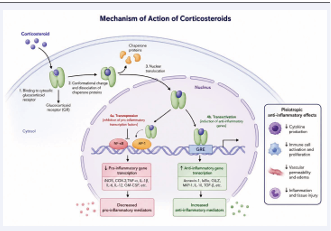
Figure 1: Mechanism of Action of Corticosteroids.
Asthma is usually more corticosteroid-responsive than COPD because many patients have type 2 inflammation, eosinophilic airway infiltrates, and cytokine networks that are directly suppressed by glucocorticoids. The 2026 GINA strategy report remains the current international asthma framework and incorporates updated evidence from randomized trials and observational studies [1].
COPD is more heterogeneous, with smoking- and pollution-related epithelial injury, neutrophilic inflammation, macrophage activation, infection susceptibility, emphysema, chronic bronchitis, and, in some patients, variable eosinophilic inflammation. This disease specific biology explains why ICS are foundational in asthma but relatively selective and phenotype-dependent in COPD [1,2]. GOLD 2026 similarly provides an evidence based strategy document for COPD diagnosis, prevention, and management [2].
METHODS
This is a narrative clinical pharmacology and toxicology review. Literature was selected from major asthma and COPD guidelines, pivotal randomized trials, systematic reviews, meta-analyses, and large observational studies examining inhaled and systemic corticosteroid efficacy and adverse effects. The review focuses on adult disease, while pediatric asthma safety issues, particularly growth, are discussed where clinically relevant. The manuscript is organized by disease because the therapeutic index of corticosteroids differs fundamentally between asthma and COPD.
Part I. Corticosteroids in Asthma
Role of inhaled corticosteroids in asthma
Therapeutic rationale: Asthma is characterized by variable airflow limitation, airway hyperresponsiveness, mucus production, and chronic airway inflammation. In many patients, the dominant inflammatory pattern is type 2-high disease involving eosinophils, mast cells, group 2 innate lymphoid cells, epithelial alarmins, IL-4, IL-5, IL 13, IgE, and FeNO. Corticosteroids suppress many of these pathways simultaneously. This broad anti-inflammatory activity explains why ICS transformed asthma management before biologics became available (Figure 2).
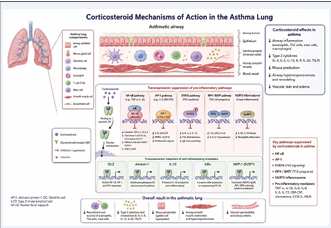
Figure 2: Corticosteroid Mechanisms of Action in the Asthma Lung.
The most important pharmacologic principle in asthma is that ICS treat both symptoms and risk. A patient with mild symptoms may still be at risk of severe exacerbations, including fatal attacks. GINA no longer supports SABA only treatment for adults and adolescents because anti inflammatory treatment is needed even in mild asthma [1]. The modern asthma strategy therefore uses ICS either as daily maintenance therapy, as part of as-needed ICS-beta2 agonist reliever therapy, or as maintenance-and-reliever therapy in patients requiring higher treatment steps.
Evidence for benefit: The START study demonstrated that early low-dose budesonide in mild persistent asthma reduced severe asthma-related events and improved asthma control, supporting early intervention rather than waiting until symptoms become frequent [3]. The FACET study showed that adding formoterol to budesonide, or increasing budesonide dose, reduced exacerbations in asthmatics, showing the benefit of ICS-LABA combinations in patients not controlled on ICS alone [4].
Population studies also support the survival relevance of ICS. Suissa and colleagues found that regular low-dose ICS use was associated with reduced asthma mortality with each additional ICS canister used in the prior year was associated with a 21% reduction in asthma death rate, and discontinuation was associated with higher death risk [5]. This does not prove mortality benefit, but it strongly supports ICS as risk-reducing therapy in asthma.
Clinical trials in mild-asthma changed practice by showing that anti-inflammatory reliever therapy can reduce exacerbation risk. SYGMA 1 and SYGMA 2 showed that as-needed budesonide-formoterol was superior to as-needed SABA for severe exacerbation prevention and provided exacerbation protection similar to maintenance budesonide with lower total steroid exposure [6,7]. Novel START, a pragmatic open-label trial, similarly found that as-needed budesonide-formoterol was superior to as needed albuterol for prevention of asthma exacerbations [8] (Table 1).
Table 1: Practical benefits of inhaled corticosteroids in asthma.
|
Benefit |
Clinical relevance |
|
Reduction of severe exacerbations |
Most important risk outcome; reduces urgent care, emergency department visits, hospitalization, and need for systemic corticosteroids. |
|
Symptom control |
Reduces daytime symptoms, nocturnal awakening, and rescue bronchodilator use. |
|
Improved lung function |
Increases FEV1 and peak expiratory flow, particularly when started early. |
|
Reduced airway hyperresponsiveness |
Reflects suppression of airway inflammation. |
|
Reduced asthma mortality risk |
Supported by population-based evidence. |
|
Steroid-sparing effect |
Prevents exacerbations and reduces need for oral corticosteroid bursts. |
|
Compatibility with reliever-based strategies |
ICS-formoterol delivers anti-inflammatory drug when symptoms worsen. |
Risks of inhaled corticosteroids in asthma
Local adverse effects: ICS have a far better therapeutic index than systemic corticosteroids, but they are not toxicity-free. Risks are dose, molecule, device, inhalation technique-, age, and comorbidity-dependent. The most common local toxicities are oropharyngeal candidiasis, dysphonia, throat irritation, cough, and pharyngitis. These effects are related to local deposition in the mouth, pharynx, and larynx. They can reduce adherence and may be mistaken for infection or reflux-related laryngitis.
Risk mitigation includes use of the lowest effective dose, spacer use with pressurized metered-dose inhalers, eating and/or mouth rinsing and gargling after ICS use, device optimization, and assessment of inhaler technique [9].
Systemic adverse effects of ICS: Systemic exposure from ICS is lower than from oral corticosteroids, but clinically relevant systemic effects can occur, especially with high-dose ICS, CYP3A4 inhibitors, repeated systemic steroid bursts, or combined inhaled/intranasal/topical steroid exposure. Reported or biologically plausible systemic toxicities include adrenal suppression, reduced bone mineral density, skin bruising, cataracts, glaucoma, dysglycemia, pneumonia, and impaired linear growth in children [10-13]. A systematic review in asthma specifically evaluated ICS-associated systemic effects including bone mineral density, respiratory infection, diabetes, and ocular outcomes [10]. More recent data reinforce that high-dose ICS exposure in asthma may contribute to systemic adverse events, moving the field toward ICS stewardship as well as oral corticosteroid stewardship [11].
Growth in children: In children with persistent asthma, ICS remain first-line therapy because uncontrolled asthma itself impairs growth and increases exacerbation risk. However, randomized trial evidence and systematic reviews show a small reduction in growth velocity, particularly during the first treatment year. The Childhood Asthma Management Program follow-up reported that budesonide-associated reduction in adult height was small and not progressive, but it was detectable [12,13]. This supports careful pediatric dosing: use the lowest effective ICS dose, reassess control frequently, and avoid undertreatment of asthma.
Role of systemic corticosteroids in asthma
Acute exacerbations: Systemic corticosteroids remain essential for the treatment of moderate-to-severe asthma exacerbations. Corticosteroids reduce airway inflammation, accelerate recovery, reduce relapses, and decrease hospitalizations after acute-care treatment. A Cochrane review concluded that a short course of corticosteroids after acute asthma assessment significantly reduces relapses to additional care, hospitalizations, and beta-agonist use, without an apparent increase in short term side effects [14].
Typical adult regimens include prednisone or prednisolone 40-50 mg daily for approximately 5-7 days, with no taper required for most short courses if the patient is not on chronic corticosteroids. Intravenous corticosteroids are not superior to oral therapy when gastrointestinal absorption is intact, although they remain appropriate in life-threatening asthma, in the presence of vomiting, impending respiratory failure, or inability to take oral medication.
Maintenance oral corticosteroids: Maintenance oral corticosteroids were historically used for severe asthma but are now a last-resort approach. Their role has narrowed because high-dose ICS-LABA, LAMA, azithromycin in selected patients, allergen/environmental control, and currently use of biologics can reduce exacerbations as well as oral corticosteroid dependence. In patients with severe asthma, frequent bursts of, or maintenance with, oral corticosteroids should trigger specialist review, phenotype assessment, adherence and inhaler-technique assessment, and consideration of treatment with a biologic or other steroid-sparing therapy.
Risks of systemic corticosteroids in asthma
The toxicology of systemic corticosteroids is broad and cumulative. Short courses were once considered benign, but population data contradict this assumption. Waljee and colleagues found that short-term oral corticosteroid use was associated with increased rates of sepsis, venous thromboembolism, and fracture within 30 days of initiation [15]. In asthma cohorts (Table 2), oral corticosteroid exposure can be associated with dose-dependent increases in osteoporosis, fracture, diabetes, cataracts, glaucoma, arterial hypertension, cardiovascular disease, infections, renal impairment, psychiatric effects, weight gain, and sleep disturbance [16-18].
Table 2: Major systemic corticosteroid toxicities in asthma
|
Toxicity domain |
Manifestations |
|
Endocrine/metabolic |
Hyperglycemia, diabetes, weight gain, Cushingoid changes, adrenal suppression. |
|
Skeletal |
Osteopenia, osteoporosis, fracture, avascular necrosis. |
|
Cardiovascular |
Hypertension, fluid retention, dyslipidemia, cardiovascular events. |
|
Infectious |
Bacterial, viral, fungal infection; zoster; sepsis risk. |
|
Ophthalmic |
Cataract, glaucoma. |
|
Neuropsychiatric |
Insomnia, mood change, anxiety, depression, mania, psychosis. |
|
Muscular/skin |
Myopathy, skin thinning, bruising, impaired wound healing. |
|
Gastrointestinal |
Dyspepsia, peptic ulcer risk, gastrointestinal bleeding when combined with NSAIDs. |
The Thoracic Society of Australia and New Zealand position paper argues for oral corticosteroid stewardship in asthma and notes that cumulative exposure above approximately 1000 mg prednisolone-equivalent is likely to be associated with serious side effects and adverse outcomes [18]. That threshold can be reached with only four or five typical exacerbation bursts.
Risk mitigation in asthmatics receiving systemic corticosteroids
The toxicology framework for asthma should be: prevent exacerbations with adequate ICS-containing therapy; avoid SABA-only treatment; use ICS-beta2 agonists strategies where appropriate to align anti-inflammatory therapy with symptom worsening; track cumulative oral corticosteroid exposure; refer patients requiring frequent bursts or maintenance oral corticosteroids for severe asthma assessment; use biologics and other steroid sparing strategies when indicated; and monitor patients exposed to repeated or chronic systemic corticosteroids for bone, metabolic, ocular, cardiovascular, infection, and adrenal complications.
PART II. CORTICOSTEROIDS IN COPD
Therapeutic rationale for the use of inhaled corticosteroids in COPD
COPD is less corticosteroid-responsive than asthma because much of COPD inflammation is driven by oxidative stress, macrophage/neutrophil biology, infection, structural damage, and corticosteroid resistance. ICS in COPD should not be viewed, as in asthma, as general disease-controlling anti-inflammatory therapy. The principal role of ICS is exacerbation prevention in selected patients, almost always in combination with long-acting bronchodilators. In this regard, GOLD 2026 continues to emphasize multidimensional assessment, including symptoms, exacerbation history, airflow obstruction, blood eosinophils, and comorbidities [2]. In current COPD practice, long-acting bronchodilation is foundational, while ICS are considered primarily for exacerbation-prone patients with high levels of blood eosinophils, those with asthma-COPD overlap features, or those who continue to exacerbate despite LABA/LAMA therapy. Blood eosinophil count is used to estimate corticosteroid-responsive inflammation, with higher probability of ICS benefit at higher eosinophil counts, especially around or above 300 cells/uL [2].
Evidence for benefit in COPD (Table 3)
Table 3: Practical benefits of inhaled corticosteroids in COPD.
|
Benefit |
Most likely population |
|
Reduced moderate/severe exacerbations |
Frequent exacerbators, especially with higher blood eosinophils. |
|
Reduced COPD hospitalization |
Exacerbation-prone patients receiving triple therapy. |
|
Improved lung function and health status |
Seen in triple-therapy trials, although magnitude varies. |
|
Treatment of asthma-COPD overlap biology |
Patients with clear asthma features should receive ICS-containing therapy. |
|
Possible mortality signal in selected trial populations |
Suggested in some triple-therapy datasets, not a universal ICS effect. |
The TORCH trial evaluated inhaled salmeterol fluticasone versus placebo in COPD. The salmeterol fluticasone combination did not meet statistical significance for the primary all-cause mortality endpoint but did reduce exacerbation rates and improve health status and spirometric outcomes compared with placebo [19].
The IMPACT trial demonstrated that single-inhaler triple therapy with fluticasone furoate, umeclidinium, and vilanterol reduced moderate or severe COPD exacerbations compared with either ICS-LABA or LABA LAMA in an exacerbation-prone population. It also reduced hospitalizations for COPD compared with LABA LAMA [20]. ETHOS similarly showed that budesonide glycopyrrolate-formoterol triple therapy reduced moderate or severe exacerbations compared with dual therapy, with subsequent analyses suggesting mortality benefit in selected comparisons [21].
The IMPACT trial demonstrated that single-inhaler triple therapy with fluticasone furoate, umeclidinium, and vilanterol reduced moderate or severe COPD exacerbations compared with either ICS-LABA or LABA LAMA in an exacerbation-prone population. It also reduced hospitalizations for COPD compared with LABA LAMA [20]. ETHOS similarly showed that budesonide glycopyrrolate-formoterol triple therapy reduced moderate or severe exacerbations compared with dual therapy, with subsequent analyses suggesting mortality benefit in selected comparisons [21].
Risks of inhaled corticosteroids in COPD
Pneumonia: Pneumonia is the main toxicity of ICS in COPD. A Cochrane review states that ICS can reduce COPD flare-ups and can improve quality of life but can increase pneumonia risk [23]. Meta-analyses have shown that pneumonia risk is dose-related and may differ by molecule, with fluticasone generally associated with higher pneumonia risk than budesonide [24,25]. The COPD pneumonia signal is clinically important because many COPD patients are older, have impaired mucociliary clearance, chronic bronchitis, airway colonization, low BMI, prior pneumonia, bronchiectasis, diabetes, frailty, or concomitant systemic corticosteroid exposure. The decision to start or continue ICS should therefore weigh exacerbation-prevention benefit against pneumonia risk.
Other ICS risks in COPD: Other ICS-associated risks in COPD include oral candidiasis, dysphonia, skin bruising, possible effects on bone health, cataracts, glucose metabolism, adrenal suppression at high doses, and potential mycobacterial infection risk. These risks are particularly relevant in older patients receiving high-dose ICS, frequent oral corticosteroid bursts, or concomitant intranasal/topical corticosteroids.
COPD risk mitigation for ICS (Table 4).
Table 4: Risk mitigation strategies for ICS use in COPD.
|
Strategy |
Rationale |
|
Confirm COPD diagnosis and exclude uncontrolled asthma |
Asthma features strongly support administering ICS; pure COPD requires more selective use. |
|
Assess exacerbation history |
ICS benefit is greatest when exacerbation risk is high. |
|
Measure blood eosinophils |
Higher counts (> 300) predict greater ICS benefit. |
|
Avoid ICS monotherapy |
ICS should be combined with long-acting bronchodilators. |
|
Prefer withdrawal/de-escalation when risk exceeds benefit |
Especially in patients with recurrent pneumonia, low eosinophils, no exacerbations. |
|
Vaccinate and reduce infection risk |
Influenza, RSV, pneumococcal, COVID-19, and smoking cessation |
|
Monitor pneumonia and oral adverse effects |
Particularly in high-risk COPD phenotypes. |
Role of systemic corticosteroids in COPD
Acute COPD exacerbations: Systemic corticosteroids are beneficial in acute COPD exacerbations. A Cochrane review found high-quality evidence that systemic corticosteroids improve outcomes in COPD flare-ups, although they increase adverse effects [26]. Corticosteroids reduce treatment failure, improve FEV1 and dyspnea, and may shorten hospital stay.
The REDUCE trial established that 5 days of prednisone 40 mg daily was noninferior to 14 days for acute COPD exacerbations, reducing cumulative steroid exposure without loss of efficacy [27]. Furthermore, Cochrane evidence on duration similarly supports shorter courses of seven days or fewer as generally comparable to longer courses for acute exacerbations [28]. Current GOLD recommendations indicate systemic corticosteroids for up to 5 days in moderate/severe COPD exacerbations [2].
Stable COPD: Chronic systemic corticosteroids are not recommended for stable COPD. Historical use reflected the lack of alternatives, but modern evidence and clinical experience show poor long-term benefit and substantial toxicity. Long-term oral corticosteroids may worsen muscle weakness, frailty, infection risk, osteoporosis, metabolic disease, and possibly mortality in stable patients with COPD [29].
Risks of systemic corticosteroids in COPD
Systemic steroid toxicity is especially problematic in COPD because many patients already have comorbidities that corticosteroids can worsen: osteoporosis, sarcopenia, diabetes, cardiovascular disease, cataracts, immunosuppression, and frailty. COPD-specific risks include steroid myopathy, respiratory muscle weakness, impaired rehabilitation potential, hyperglycemia during exacerbation admission, delirium, fluid retention, and pneumonia.
Repeated bursts for frequent exacerbations create cumulative toxicity. A patient receiving prednisone 40 mg daily for 5 days receives 200 mg prednisolone-equivalent per exacerbation; five exacerbations or prolonged tapers may reach cumulative thresholds associated with meaningful systemic risk. Therefore, exacerbation prevention via smoking cessation, pulmonary rehabilitation, vaccination, bronchodilator optimization, and phenotype-directed therapy are not only disease-management strategies but steroid-toxicity prevention strategies.
Clinical toxicology framework (Table 5)
Table 5: Comparative clinical pharmacology: asthma versus COPD.
|
Dimension |
Asthma |
COPD |
|
ICS role |
Foundational anti-inflammatory therapy. |
Selective exacerbation-prevention therapy. |
|
Main responder biology |
Type 2/eosinophilic inflammation; variable airflow limitation. |
Exacerbation-prone COPD with eosinophilic/type 2 signal or asthma features. |
|
ICS monotherapy |
Historically effective, though modern practice often uses ICS-beta2 agonists. |
Not recommended. |
|
Reliever strategy |
ICS-beta2 agonists can be used as anti-inflammatory reliever. |
No analogous reliever role. |
|
Major ICS benefit |
Exacerbation prevention, symptom control, mortality-risk reduction. |
Exacerbation reduction in selected patients. |
|
Major ICS risks |
Local effects; systemic effects at high doses; pediatric growth. |
Pneumonia, especially in high-risk patients. |
|
Systemic steroid role |
Acute exacerbations; maintenance only as last resort in severe asthma. |
Acute exacerbations; avoid chronic use in stable COPD. |
|
Stewardship priority |
Minimize cumulative oral corticosteroid exposure while maintaining control. Use steroid-sparing biologics in chronic users. |
Avoid unnecessary ICS and chronic oral steroids; use short systemic courses for exacerbations. |
Dose and exposure matter: For both asthma and COPD, corticosteroid toxicity is best understood through cumulative exposure, route, potency, duration, and patient vulnerability. Inhaled therapy lowers systemic exposure but does not eliminate it. Oral and parenteral therapy provide rapid systemic anti-inflammatory effect but carry the greatest toxicity.
The benefit-risk ratio is disease-specific: In asthma, undertreatment with ICS can be dangerous because exacerbations and mortality risk rise when anti inflammatory treatment is absent. In COPD, overtreatment with ICS can be dangerous because pneumonia risk may outweigh exacerbation benefit in patients with low eosinophils and infrequent exacerbations.
Steroid stewardship should be routine: Corticosteroid stewardship should include documenting every systemic corticosteroid burst; estimating cumulative annual and lifetime oral corticosteroid exposure; assessing inhaler technique and adherence before escalating ICS; using the lowest effective ICS dose; phenotype-directed severe asthma referral; considering biologics in eligible severe asthma patients; considering COPD ICS withdrawal when pneumonia risk is high and exacerbation risk is low; and monitoring bone density, glucose, blood pressure, ocular complications, infection history, and adrenal suppression risk.
CONCLUSIONS
Corticosteroids are indispensable in obstructive airway disease, but their optimal use requires disease-specific precision. In asthma, ICS are foundational and prevent symptoms, exacerbations, and asthma deaths; systemic corticosteroids remain essential for the treatment of acute exacerbations but should be minimized through steroid sparing strategies. In COPD, ICS are useful for exacerbation prone patients, particularly those with high levels of blood eosinophils or asthma features, but they are not universal therapy and carry a clinically important pneumonia risk. Systemic corticosteroids should be used for acute COPD exacerbations, preferably as short courses, but chronic oral corticosteroids should generally be avoided in stable COPD.
The future of corticosteroid use in both diseases is not abandonment but stewardship: correct patient, correct route, correct dose, correct duration, and systematic prevention of cumulative toxicity.
Declarations
Conflict of interest: NM is an Amgen, Inc. employee.
Data availability: No new datasets were generated.
REFERENCES
- Global Initiative for Asthma. Global Strategy for Asthma Management and Prevention. 2026 update.
- Global Initiative for Chronic Obstructive Lung Disease. Global Strategy for Prevention, Diagnosis and Management of COPD. 2026 report.
- Pauwels RA, Pedersen S, Busse WW, Tan WC, Chen YZ, Ohlsson SV, et al. Early intervention with budesonide in mild persistent asthma: a randomised, double-blind trial. Lancet. 2003; 361: 1071-1076.
- Pauwels RA, Lofdahl CG, Postma DS, Tattersfield AE, O Byrne P, Barnes PJ, et al. Effect of inhaled formoterol and budesonide on exacerbations of asthma. N Engl J Med. 1997; 337: 1405-1411.
- Suissa S, Ernst P, Benayoun S, Baltzan M, Cai B. Low-dose inhaled corticosteroids and the prevention of death from asthma. N Engl J Med. 2000; 343: 332-336.
- O Byrne PM, FitzGerald JM, Bateman ED, Barnes PJ, Zhong N, Keen C, et al. Inhaled combined budesonide-formoterol as needed in mild asthma. N Engl J Med. 2018; 378: 1865-1876.
- Bateman ED, Reddel HK, O Byrne PM, Barnes PJ, Zhong N, Keen C, et al. As-needed budesonide-formoterol versus maintenance budesonide in mild asthma. N Engl J Med. 2018; 378: 1877-1887.
- Beasley R, Holliday M, Reddel HK, Braithwaite I, Ebmeier S, Hancox RJ, et al. Controlled trial of budesonide-formoterol as needed for mild asthma. N Engl J Med. 2019; 380: 2020-2030.
- Roland NJ, Bhalla RK, Earis J. The local side effects of inhaled corticosteroids. Chest. 2004; 126: 213-219.
- Patel R, Naqvi SA, Griffiths C, Bloom CI. Systemic adverse effects from inhaled corticosteroid use in asthma: a systematic review. BMJ Open Respir Res. 2020; 7: e000756.
- Wedzicha JA. Association of dose of inhaled corticosteroids and frequency of adverse events in asthma. Am J Respir Crit Care Med. 2025; 211: 54-63.
- Zhang L, Prietsch SOM, Ducharme FM. Inhaled corticosteroids in children with persistent asthma: effects on growth. Cochrane Database Syst Rev. 2014; CD009471.
- Kelly HW, Sternberg AL, Lescher R, Fuhlbrigge AL, Williams P, Zeiger RS, et al. Effect of inhaled glucocorticoids in childhood on adult height. N Engl J Med. 2012; 367: 904-912.
- Rowe BH, Spooner C, Ducharme FM, Bretzlaff JA, Bota GW. Corticosteroids for preventing relapse following acute exacerbations of asthma. Cochrane Database Syst Rev. 2007; CD000195.
- Waljee AK, Rogers MAM, Lin P, Singal AG, Stein JD, Marks RM, et al. Short term use of oral corticosteroids and related harms among adults in the United States. BMJ. 2017; 357: j1415.
- Price DB, Trudo F, Voorham J, Xu X, Kerkhof M, Jie JLZ, et al. Adverse outcomes from initiation of systemic corticosteroids for asthma: long-term observational study. J Asthma Allergy. 2018; 11: 193-204.
- Bloechliger M, Reinau D, Spoendlin J, Chang SC, Kuhlbusch K, Heaney LG, et al. Adverse events profile of oral corticosteroids among asthma patients in the UK. Respir Res. 2018; 19: 75.
- Blakey J, Chung LP, McDonald VM, Ruane L, Gornall J, Barton C, et al. Oral corticosteroids stewardship for asthma in adults and adolescents: a position paper from the Thoracic Society of Australia and New Zealand. Respirology. 2021; 26: 1112-1130.
- Calverley PMA, Anderson JA, Celli B, Ferguson GT, Jenkins C, Jones PW, et al. Salmeterol and fluticasone propionate and survival in chronic obstructive pulmonary disease. N Engl J Med. 2007; 356: 775-789.
- Lipson DA, Barnhart F, Brealey N, Brooks J, Criner GJ, Day NC, et al. Once-daily single-inhaler triple versus dual therapy in patients with COPD. N Engl J Med. 2018; 378: 1671-1680.
- Rabe KF, Martinez FJ, Ferguson GT, Wang C, Singh D, Wedzicha JA, et al. Triple inhaled therapy at two glucocorticoid doses in moderate-to-very-severe COPD. N Engl J Med. 2020; 383: 35-48.
- Magnussen H, Disse B, Rodriguez-Roisin R, Kirsten A, Watz H, Tetzlaff K, et al. Withdrawal of inhaled glucocorticoids and exacerbations of COPD. N Engl J Med. 2014; 371: 1285-1294.
- Kew KM, Seniukovich A. Inhaled steroids and risk of pneumonia for chronic obstructive pulmonary disease. Cochrane Database Syst Rev. 2014; CD010115.
- Chen H, Sun J, Huang Q, Zhang Y, Zhang B, Huang Y, et al. Inhaled corticosteroids and the pneumonia risk in patients with chronic obstructive pulmonary disease: a meta-analysis of randomized controlled trials. Front Pharmacol. 2021; 12: 691621.
- Suissa S, Patenaude V, Lapi F, Ernst P. Inhaled corticosteroids in COPD and the risk of serious pneumonia. Thorax. 2013; 68: 1029-1036.
- Walters JAE, Tan DJ, White CJ, Gibson PG, Wood-Baker R, Walters EH. Systemic corticosteroids for acute exacerbations of chronic obstructive pulmonary disease. Cochrane Database Syst Rev. 2014; CD001288.
- Leuppi JD, Schuetz P, Bingisser R, Bodmer M, Briel M, Drescher T, et al. Short-term vs conventional glucocorticoid therapy in acute exacerbations of chronic obstructive pulmonary disease: the REDUCE randomized clinical trial. JAMA. 2013; 309: 2223-2231.
- Walters JAE, Wang W, Morley C, Soltani A, Wood-Baker R. Different durations of corticosteroid therapy for exacerbations of chronic obstructive pulmonary disease. Cochrane Database Syst Rev. 2018; CD006897.
- Horita N, Miyazawa N, Kojima R, Inoue M, Ishigatsubo Y, Kaneko T. Evidence suggesting that oral corticosteroids increase mortality in stable chronic obstructive pulmonary disease. Respir Res. 2014; 15: 37.